
Reviewed in full · 2-HOUR EXPERIENCES
2-Hour Pottery Making Workshop in Ragusa
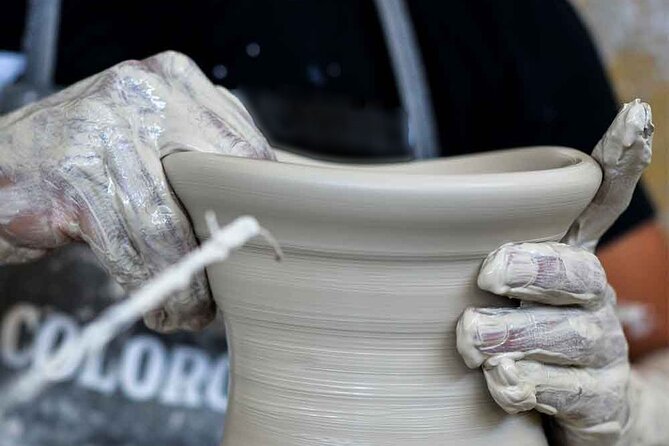
What makes this pottery-making workshop in Ragusa such a good find is the mix of hands-on making and a small group setup, so you are not stuck watching from the sidelines. You also start with a welcome toast, which sets a friendly, local pace from the first minute.
I especially like two things: the max 8-person group size, and the fact that you get instruction through both shaping clay and painting. In past sessions, the teaching approach has been patient and practical, and Gloria Di Modica has helped people translate the image they wanted into the final design.
One consideration before you go: your finished work gets delivered to you, but transport costs are at your expense, so the total cost may be a bit more than the ticket price.
Key highlights to look forward to
- Max 8-person group, which means real access to your tutor
- A welcome toast to start things off in a relaxed, Sicilian way
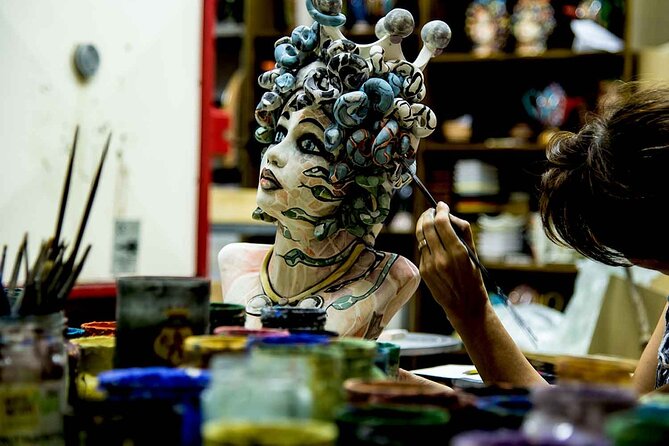
- Clay shaping plus painting, so your souvenir is more than just plain form
- Materials are provided, so you can travel light and focus on making
- Gloria Di Modica’s hands-on coaching, including support for recreating your chosen image
- Your piece is delivered, so you do not have to cram fragile pottery into your suitcase
Where this Ragusa pottery class fits in a Sicily trip
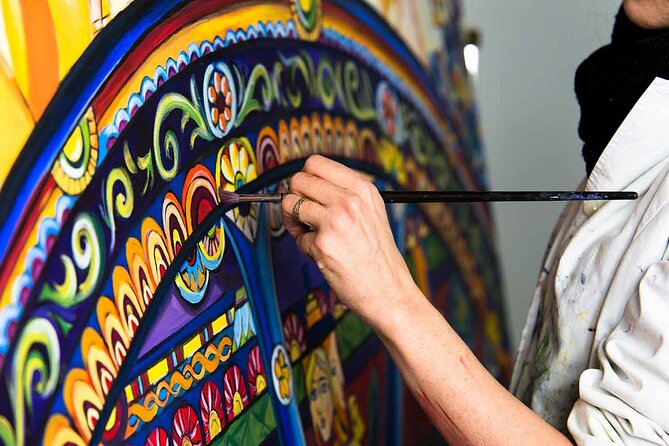
Ragusa is one of those Sicilian bases where your days can be packed with streets, churches, and viewpoints, and then you still want one activity that feels personal and practical. This workshop hits that sweet spot. In about two hours, you get real creative work, guidance you can ask questions about, and a finished piece that becomes a memory you can keep.
The format matters. Small-group classes are where you tend to learn fastest because someone can actually see what you are doing, correct a shape before it goes off-track, and help you make decisions on color and details. If you have ever felt lost in an activity where the teacher is sprinting between tables, you will like this setup.
It also helps that the session is built around multiple steps, not just one demo. You are welcomed, brought into the lab space for explanations, given a brief company history, then you make your own work with tutor support. That flow keeps your brain engaged, and it makes the whole thing feel like a real workshop rather than a quick craft stop.
Also running in Sicily:
- Etna Morning Trip
★ 4.5 · 1,241 reviews - Syracuse: Boat Trip of Ortigia Island and Sea Caves
★ 4.7 · 937 reviews - Tour of the island of Ortigia and exploration of sea caves with baths.
★ 5.0 · 668 reviews
The 2-hour timeline, from toast to your finished souvenir
Expect a friendly start and a clear structure. The session begins with a welcome toast, a simple touch that makes the workshop feel like a small local appointment instead of a ticketed attraction. Then you move into the laboratory area for explanations. This is where you get the practical background you need, especially if you have never worked with clay before.
After that, there is a brief historical introduction connected to the company. You are not stuck in a lecture. It is there to give context for what you are making and why ceramics traditions matter in places like Sicily. Even if you are short on time, a short intro can help you notice the little details later when you are shaping and painting.
The rest of the time is creation. You will make a piece with tutor support. That support is not just “watch and copy.” It is more of a guidance loop, where you shape, adjust, and paint while someone helps you steer the outcome. One review experience specifically described learning techniques and the particularities of ceramics and colors, and getting help bringing out the image they wanted to reproduce. That kind of coaching is exactly what turns a workshop from a souvenir factory into a skill you walk away with.
Making the form and painting it: what you’ll actually do
This class is a mix of technique and creativity. You will shape clay and then paint, so you are not only making the object, you are also making the look. The painting step is the one that usually separates a generic craft from a personal keepsake. When you can put a chosen image into your piece, you end up with something that feels like yours, not just something from the shelf.
Materials are provided, which is a big deal for value. You do not have to hunt for supplies before you arrive, and you do not have to think about how to pack them. It also reduces the mental load during the session. You can focus on learning rather than logistics.
A small-group workshop is also where the tutor can help you choose how to interpret details. In other words, if your goal is to recreate an image, you need someone to guide you on what can realistically work in ceramics, and how to transfer that idea into color and shape. Gloria Di Modica has been described as attentive and supportive, including helping with the exact parts people want to reproduce. That is the difference between guessing and getting a result you are genuinely proud to take home.
Practical advice for the day: wear clothes you are comfortable getting a little messy. Even when everything is well managed, clay is clay, and painting can get smudgy. You will be happier if you treat your outfit like it is part of the workshop, not like you are dressing for dinner.
The teacher matters: working with Gloria Di Modica
The provider is Gloria Di Modica, and the teaching style is a major part of why people rate this session so highly. What stands out is the focus on technique and colors, plus the patience to help you reach the outcome you want.
In at least one described experience, Gloria worked with her husband as well. That suggests the workshop has the kind of team energy that helps when multiple participants need attention at once. Even in a max 8-person setting, everyone moves at different speeds. When the support is steady and calm, you get better results without feeling rushed.
You can also expect explanations in Italian and English. That matters more than it sounds. Pottery has a lot of “how” instructions that are hard to guess from body language alone. Having English support helps if your Italian is limited, and having Italian support helps if you want to practice while you learn.
Overall, the best part of this style of instruction is that you are not just making a thing. You are learning choices. You learn how shapes affect the final feel, how colors behave, and how to refine your piece while you still can. That is what keeps the souvenir from feeling like a one-time activity.
A different sort of day out around Sicily:
- Pub Crawl Palermo
★ 5.0 · 595 reviews - SALT TOUR-all inclusive: salt tour: Trapani, Paceco, Nubia
★ 5.0 · 589 reviews - Mt. Etna nature and flavors half day Tour from Catania
★ 5.0 · 545 reviews - Boat tour Giardini Naxos Taormina Isola Bella Blue Grotto
★ 4.5 · 541 reviews
Group size and how it changes your results
A maximum of eight people is not just a detail for comfort. It changes the learning equation. In a bigger class, you often end up copying whatever the teacher is doing at the front and then hoping your piece turns out okay. Here, the tutor can give closer guidance while you work.
That closer guidance tends to show up in two ways. First, you get better at shaping because someone can help you correct technique early. Second, the painting step becomes less stressful because you can ask questions while you are mid-process, not after it is already dried or set.
It also changes the vibe. Smaller classes feel more like a shared workshop than a group tour. You can ask a question without feeling like you are interrupting. If you like structured activities but hate feeling boxed in, this is a nice compromise.
Ragusa timing, meeting point, and day-of planning
This workshop runs Monday to Friday from 3:00 PM to 6:00 PM. The session is about two hours long, so you are typically looking at a late afternoon activity that slots neatly between sightseeing in the morning and evening plans.
You meet at Via Delle Madonie, 25, 97100 Ragusa RG, Italy. The location is near public transportation, which is handy if you are not driving into town. It also means you can plan your day without building an entire transportation plan around one address.
One more day-of detail: the workshop requires good weather. If poor weather causes cancellation, you will be offered a different date or a full refund. That means you should not stack it as your only plan if your schedule is tight. In Sicily, weather can shift fast, so keep some flexibility.
Also, you are using a mobile ticket. Bring your confirmation on your phone and make sure your battery is healthy. Craft workshops are not usually the place you want to fight with screen brightness and spotty reception.
Price in context: is $162.90 worth it?
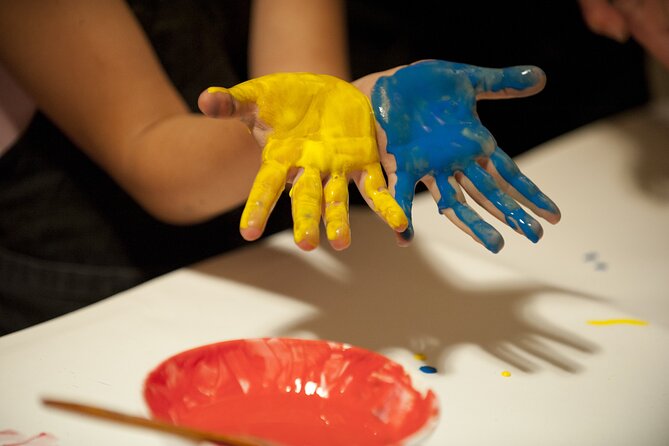
At $162.90 per person, this is not a bargain craft class. But it is also not priced like a mass-produced souvenir shop stop. The value comes from what is included and what you get at the end.
You receive materials, instruction, and tutor support for both shaping and painting. You also get a welcome toast and a small-group format that limits how long you are waiting for help. That access is hard to replicate with DIY pottery, and it is hard to buy in retail.
Then there is the big practical factor: your piece is delivered to you. Even though transport costs are at your expense, the fact that delivery is part of the experience changes how you travel. You do not have to worry about packing and protecting fragile ceramics in luggage. For many people, that is worth real money.
If you are comparing this class to buying a ceramic piece in Ragusa, ask yourself what you want most. If you mainly want something attractive to bring home, shops can be cheaper. If you want the process, the skills, and a piece that reflects the image you chose, this kind of workshop is usually the better deal.
My simple test: if you are the type who likes hands-on learning and wants a memorable, personal item, the price starts to make sense. If you just want a quick souvenir and you dislike guided activities, you might prefer a lower-cost purchase.
Who should book this pottery workshop in Ragusa
This fits best if you want a practical creative activity with real support. It is a good match for couples, friends, and small groups who like working side by side and want instructor help.
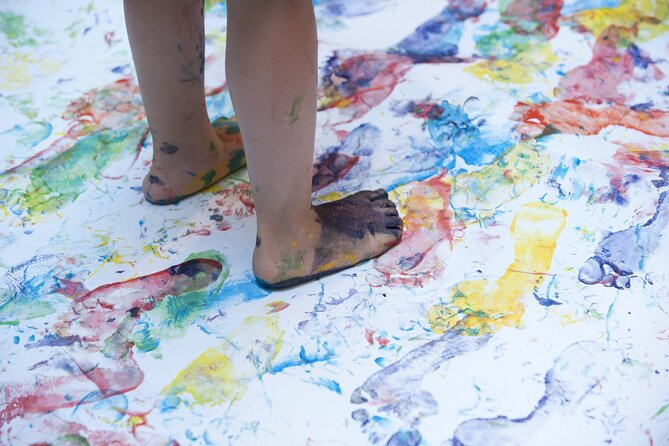
It also suits families, with an age range from 6 to 14 years. If you are traveling with kids who get restless on long sightseeing days, this is one of those activities that can actually hold attention, because you can see progress as you work.
If you are traveling alone, you can still enjoy it, but you will want to be comfortable with a workshop rhythm. The upside of the max 8-person group is that you are not alone in the room, yet you still get attention.
Language-wise, you can do this in Italian or English. If your goal is to keep things simple, this is a class where language barriers are less likely to slow you down than in a more technical studio setting.
Should you book the Ragusa 2-hour pottery workshop?
Book it if you want a hands-on Sicily experience that ends with a real keep. The small group size and the coaching from Gloria Di Modica are the strongest reasons to choose it. If you care about painting details and want help making an image work on ceramics, this is exactly the kind of workshop where that support matters.
Skip it, or at least reconsider, if you are trying to keep every cost locked in. The delivery is part of the experience, but transport costs are at your expense. Also, if your trip has no flexibility and the forecast is unpredictable, keep the weather requirement in mind.
For most people who come to Sicily to experience more than just landmarks, this class hits the right balance of time, learning, and a souvenir you actually made.
FAQ
How long is the pottery making workshop in Ragusa?
It lasts about 2 hours.
What is included in the workshop price?
You get a welcome toast, explanations in the laboratory, a brief historical introduction, tutor support while you create your piece, and materials for the clay and painting.
Do I need to bring any pottery materials or tools?
No. The materials are provided.
What is the group size limit?
The workshop has a maximum of 8 travelers.
Where do I meet for the class, and when does it run?
You meet at Via Delle Madonie, 25, 97100 Ragusa RG, Italy. It runs Monday to Friday from 3:00 PM to 6:00 PM.
Which languages are spoken during the experience?
Italian and English.
Is this workshop suitable for children?
Yes. The child age range listed is 6 to 14 years.
What happens to the pottery you make?
You will create a work with tutor support, and it will be delivered to you. Transport costs are at your expense.
What is the cancellation and weather policy?
You can cancel for free up to 24 hours before the experience start time for a full refund. If it is canceled due to poor weather, you will be offered a different date or a full refund.
Just reviewed in Sicily
- Bikes★ 5.0 · 3 reviews
- Full Day Private Boat Tour San Vito Lo Capo – Castellammare★ 5.0 · 101 reviews
- Authentic Sicilian cooking class with Francesca★ 5.0 · 5 reviews
- Best of Godfather and Taormina Tour with Street Food Tasting★ 5.0 · 3 reviews
- Basic Tour of the Soap Museum in Sciacca★ 5.0 · 8 reviews
- Baroque Noto private walking tour★ 4.5 · 15 reviews
- Syracuse Bicycle Rental★ 5.0 · 9 reviews
- Cook, Eat & Embrace Sicily-An Authentic Cooking Experience★ 5.0 · 42 reviews
2-Hour Experiences, compared.

1 1/2 – 2 Hours Guided Excursion of Etna by Quad
Read our review →
Taormina and Giardini Naxos: 2 Hour Dolphin Tour & Grotto
Read our review →
Arancino Making – 2 Hours to Learn how made Real Sicilian Arancino!
Read our review →
Browse the lists this tour appears in