
Reviewed in full · MOUNT ETNA TOURS IN CATANIA
Etna: Winter excursion to 3.000mt
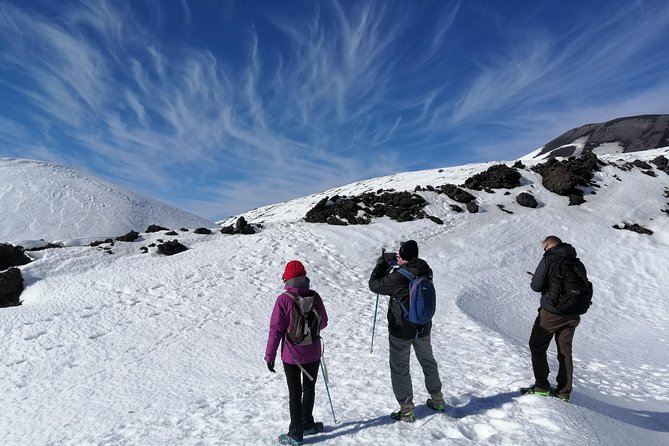
Etna in winter is special because you get cold air, hard light, and a volcano that looks almost unreal. This excursion takes you up from the Sapienza area and then pushes into snowy terrain with authorized alpine and volcanological guides and a small group setup.
I really like that you are not expected to show up over-prepared. You get safety gear like a rock helmet, plus trekking poles and high-neck hiking shoes, which makes it easier to travel light and focus on the hike.
One important consideration: this is built for expert hikers on icy volcanic ground. Even with rental boots and poles, it can be a tougher climb than you expect.
Key things I’d plan around
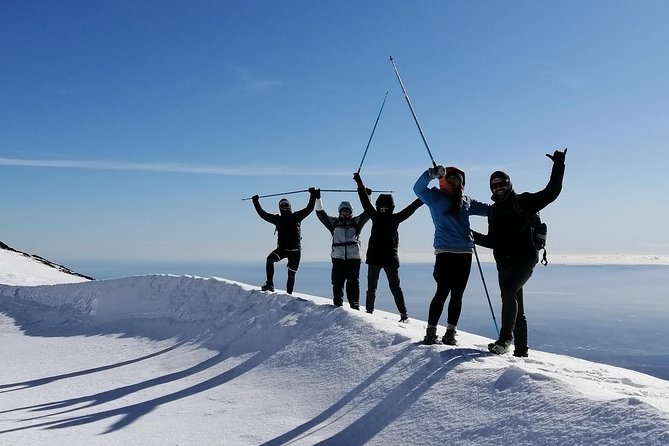
- Small groups (max 15) for a safer, more personal pace on snowy slopes
- Cable car to 2,500 m, then trekking starting around 3,000 m
- Crater viewing from a safe distance, including Etna’s summit area
- Big stops that map the volcano, from the 2001 eruption cone to Valle del Bove
- Gear included (helmet, poles, high-necked shoes), plus extra layering options reported by hikers
- Winter conditions matter, and route choices can change if the snow is tricky
Winter Etna at 3,000 m: what makes this outing worth your time
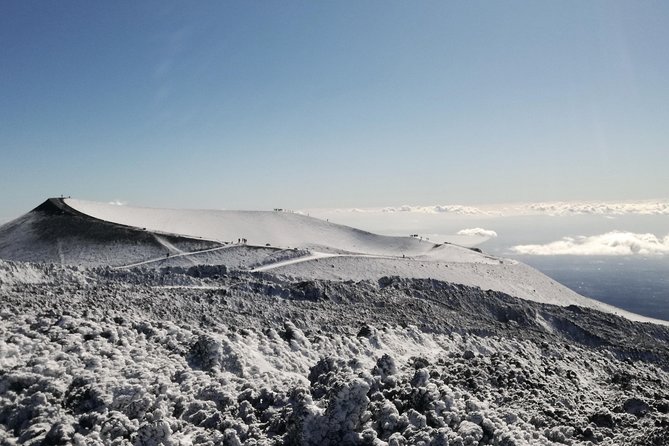
This is the kind of Etna trip that feels more like an alpine day than a casual sightseeing loop. The goal is to walk through a winter version of the volcano, where snow and ice change footing, pacing, and the way you experience the terrain. You’re not just looking from a viewpoint, you are moving across volcanic material covered by winter conditions.
What I like most is how the experience is built around safety and guidance, not bravado. You start at the Ashàra info point in the Sapienza area, ride the cable car upward, and then trek with a guide team trained for both alpine terrain and volcanology. Another big plus is the way the guides handle the learning part, with people in the group picking up facts about what you are seeing, not just where you are going.
The practical trade-off is that winter Etna is demanding. Expect hard pack, icy patches, and long stretches on snow. One hiker described a tough climb that ended up being about 7.5 km and roughly 2.5 hours, even after gear rentals. If you usually do easy walks, this will likely feel like a step up.
More Mount Etna Tours in Catania
- Catania: Mount Etna Morning or Sunset Day Trip with Tasting
★ 4.8 · 4,028 reviews - Catania: Sunset Jeep Tour of Mount Etna and Lava Flow Caves
★ 4.8 · 2,113 reviews - Mount Etna: Trek to 3000m with cable car and jeep
★ 4.7 · 1,978 reviews
Price and value: what you really pay for
The price is $108.84 per person for about 5 hours of guided time. That includes key things that reduce hassle and risk: insurance, a trained alpine and volcanological guide, and winter-ready walking support like a rock helmet, high-necked hiking shoes, and trekking poles.
One cost you do need to factor in is the return cable car ticket, listed at €52 per person. The good news is that this is clearly separate, so you can plan your budget without surprises. Still, it means the total outing cost is higher than the headline price. If you compare to other Etna options, I’d treat this as a guided winter hiking experience with gear and expertise included, not just a transport-and-photo stop.
Meeting at Sapienza: getting set up for a 9:00 am start
You meet at Piazzale Rifugio Sapienza, 95030 Nicolosi CT, at the Ashàra Etna & Stromboli Guides location. The start time is 9:00 am, and the tour ends back at the same meeting point.
That early start matters in winter. You want daylight, stable conditions, and enough time to move carefully while snow is firm. Also, because this is on volcanic terrain, you’ll likely want a little time at the beginning to get fitted, understand the route, and ask quick questions before you’re walking.
One small detail that can make the difference: hikers in the group reported strong pre-hike communication, including help finding transportation to the meeting point. It’s worth using that channel if you need help arriving on time, because once you start trekking, you will not want any last-minute gear issues.
The cable car to 2,500 m: why the first ride is part of the plan
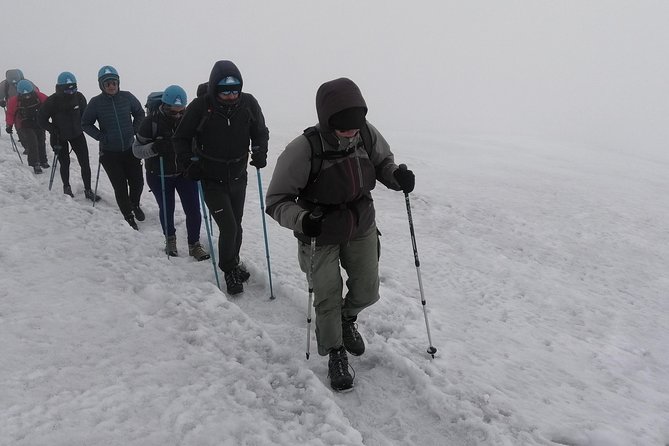
The day begins with a cable car ride from the Sapienza area up to 2,500 meters. This is not just convenience. It’s how the hike makes sense in winter: you shift the hardest climb from the start of the day to the trek itself, where the route is designed for snow and ice travel.
Stop at the Funivia area is essentially your transition point. You go from getting ready and coordinating to starting the walking portion. After the cable car, you begin trekking at around 3,000 meters.
What to watch for: winter wind and temperature can be intense at these heights. Even if you’re bundled up, pay attention to how quickly you warm up and how fast wind chills you when you pause for guidance or crater viewing.
More ways up Etna from Catania:
- Sicily: Etna and Alcantara Gorges Full-Day Tour with Lunch
★ 4.8 · 1,766 reviews - Mount Etna: Roundtrip Cable Car and 4×4 Bus Ticket
★ 4.3 · 1,602 reviews - Catania: Etna Sunset Tour with Pickup and Drop-off
★ 4.8 · 1,348 reviews - Mt. Etna and Taormina village full day tour from Catania
★ 5.0 · 1,155 reviews
Trekking the snowy slopes to 3,000 m: what the hike feels like
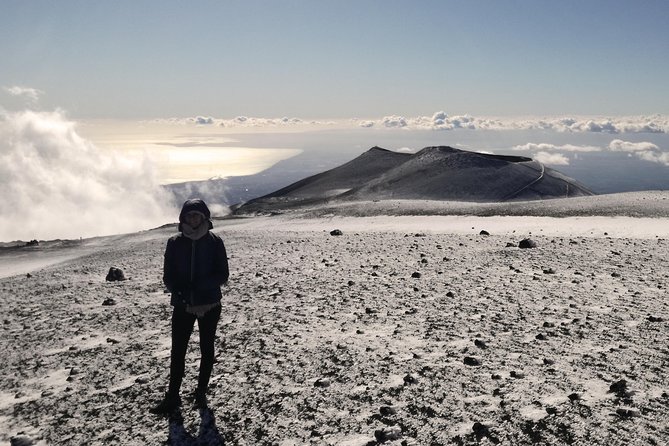
Once you’re up around 3,000 m, the outing becomes a snow hike across volcanic ground. You’ll travel along long stretches of snow and ice, and you’ll likely sink into volcanic material at times. That sinking feeling is normal on this kind of terrain, but it also makes footing less predictable than a groomed trail.
This is one of those days where your pacing is not optional. Guides typically keep the group moving at a pace everyone can handle, and that is a big reason this trip stays intimate. The small group size helps here: you are not fighting through crowds, but you are also not sprinting for views.
Also, bring an honest mindset about effort. One hiker who did the trek said they overestimated their ability at first and ended up getting very warm on the climb. That’s a great reminder: dress in layers, plan to sweat, then be ready for cold air during stops.
Mount Etna highlights: 2001 eruption cone and summit craters
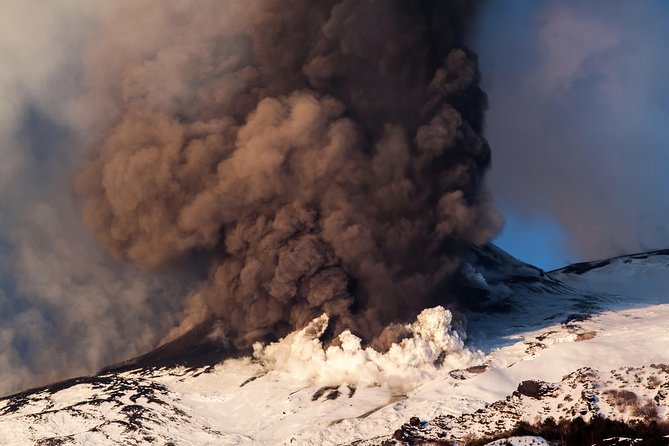
On the route, you’ll work through several key volcanic features. A major highlight is visiting the cone of the 2001 eruption. Even from a hiking distance, it helps you connect the idea of an active volcano to a real shape in the snow. You are seeing a specific eruption landform, not just a generic summit view.
Next comes movement toward the Valle del Bove area. While it’s not described as a single viewpoint stop, it’s treated as a major part of the walking route, so you’re learning by walking through the terrain.
Then there’s the summit crater viewing from a safe distance before the return trek. This is a meaningful moment because it changes the tone of the day. You pause and look at the upper craters, but the emphasis stays on distance and safety, not getting close for photos.
One optional element is also important. If snow and conditions permit, the group may visit a lava flow channel before heading back toward the upper cable car station. That means you should stay flexible. In winter, terrain and safety rules can influence what’s possible on the day.
Valle del Bove and Barbagallo craters: reading the volcano on foot
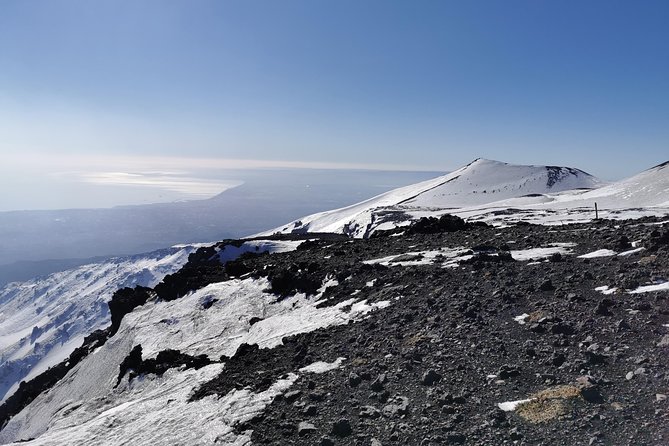
Valle del Bove and the Barbagallo craters are where the hike feels most “volcanic-geometry” instead of just “beautiful snow.” Valle del Bove is a major volcanic depression, and in winter it can be visually dramatic because the snow outlines the shape. The Barbagallo craters add a second layer of interest, where you can connect multiple features across the volcano’s structure.
What you gain from stopping here is perspective. Etna’s activity and landforms aren’t random. Walking between features helps you understand the volcano as a system of ridges, depressions, and eruption points.
This is also a place where a guide’s explanations tend to matter. Several hikers highlighted guides sharing a strong mix of facts and context. Even if you are not a volcanology nerd, you’ll appreciate how the information turns the terrain from scenery into a story you can follow while you’re still moving.
Gear that matters in winter: what’s included and what you should still bring
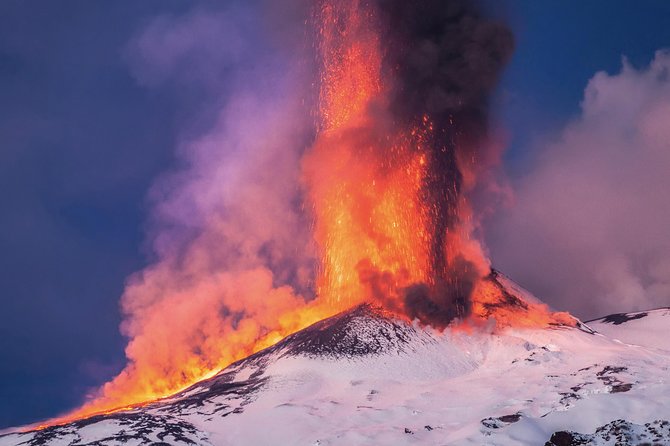
The tour includes practical winter gear:
- Rock helmet rental (safety focused)
- High-necked hiking shoes
- Trekking pole
- Insurance
- Alpine and volcanological guide
That list is already helpful for value, because it saves you from renting or buying critical winter footwear and safety items near Catania. It also means you can pack more normally, instead of stuffing your suitcase with cold-weather gear you might not use again.
Some hikers reported extra gear options on site, like gloves and jackets available to borrow. I can’t guarantee every item for every person, but if you plan to go this route, I’d still treat it like a winter outing and bring what you can.
What you must bring that’s explicitly not included:
- Bottled water, at least 1.5 liters
- Snacks and a packed lunch
Even in cold weather, you’ll work hard. The water amount matters because you’re hiking high, exerting yourself, and you may be stopping for views where you do not want to run out.
Timing and the return: how the day wraps up
The total duration is about 5 hours. The hike itself includes multiple stops and crater viewing, plus time for pacing, safety, and guidance. So even though the cable car brings you partway up, the day still feels like a real trek, not a quick stroll.
After the walking and crater viewing, you return toward the upper station of the cable car and then go down to finish back at the starting meeting point.
A useful way to think about timing: build your day around this being the main event. You’ll come back ready for a long meal and a warm shower. This is not the time to plan a tight schedule elsewhere in Catania the same afternoon, unless you enjoy rushing.
Wind, schedule changes, and why your hike might shift
Winter Etna runs on weather. One response shared that wind conditions could reach very strong gusts (over 80 km per hour) and that, in those cases, the date might be shifted because they can’t force everyone into unsafe conditions. The tour is still set up to keep you protected, but it does mean flexibility is part of the deal.
If you hate changing plans, you might find this stressful. If you can roll with it, you’ll feel calmer because you know the tour is designed around real winter constraints, not idealized promises.
Who should book this (and who should skip it)
This tour is best for people who already hike well in cold weather and can handle expert winter conditions on icy volcanic ground. You should feel comfortable with steady uphill walking and the idea that footing can be tricky.
It also helps if you like learning as you go. Multiple guides named in the feedback, including Simone, Max, and Giuseppe, were praised for mixing safety with useful facts and a light tone that kept people moving without panic.
Who might skip it:
- Anyone who only does flat, easy walks
- Anyone who gets nervous on icy terrain
- Anyone who can’t commit to bringing enough water and food for a winter exertion day
If you fit the “strong hiker” category, you’ll get a lot out of this because the route covers meaningful volcanic features, not just a single viewpoint.
Should you book Etna: Winter excursion to 3,000 m?
Book it if you want an Etna experience that feels active and specific, not just a drive-and-look day. The combination of a small group, expert winter hiking gear, and authorized alpine and volcanological guides is exactly what you want when the mountain is snow-covered and conditions can shift.
Skip or choose a gentler option if you are expecting an easy winter stroll. This is built for serious footing and a demanding hike, and the day will likely push you more than a warm-weather Etna outing.
If you do book, I’d go in with the right mindset: pack water and lunch, dress in layers, use the poles you’re given, and trust the guide’s pace. That approach turns a tough winter trek into one of the most memorable Etna days you can have.
FAQ
Is this tour suitable for beginners?
The tour is described as suitable for expert hikers, and it says you should have a moderate physical fitness level. If you are new to winter hiking or icy terrain, this one may feel too demanding.
How long does the excursion last?
It runs for about 5 hours (approx.).
What gear is included?
The tour includes a free rock helmet rental, high-necked hiking shoes, and trekking poles, plus an alpine and volcanological guide and insurance.
Do I need to bring water and snacks?
Yes. Bottled water is not included (at least 1.5 liters is recommended), and snacks or a packed lunch are not included.
How much is the return cable car ticket?
The return cable car ticket is €52 per person.
Where do we meet, and what time does it start?
You meet at Ashàra Etna & Stromboli Guides, Piazzale Rifugio Sapienza, 95030 Nicolosi CT, Italy. The start time is 9:00 am, and the tour ends back at the meeting point.
How big is the group?
The group size has a maximum of 15 travelers.
What if the tour is canceled due to weather?
This excursion requires good weather. If it is canceled due to poor weather, you’ll be offered a different date or a full refund.
Can I get a refund if I cancel?
Yes. You can cancel up to 24 hours in advance for a full refund. If you cancel less than 24 hours before the start time, the amount paid is not refunded.
Just reviewed in Catania
- Typical Pottery Experience with local Artisans in Catania★ 5.0 · 15 reviews
- Catania AIRPORT transfer From / To Taormina★ 5.0 · 3 reviews
- Private Tour from Catania to Etna Naxos and Taormina★ 4.5 · 7 reviews
- Private Transfer from Taormina to Syracuse (Direct or with Stops)★ 5.0 · 12 reviews
- Private tour of Catania and the Riviera of the Cyclops★ 5.0 · 16 reviews
- Private Tour Agrigento and Villa Romana del Casale★ 5.0 · 16 reviews
- Transfer Catania / Licata Airport★ 5.0 · 32 reviews
- Transfer Catania / Agrigento Airport★ 5.0 · 3 reviews
Mount Etna Tours in Catania, compared.
Mount Etna Morning or Sunset Day Trip with Tasting
Read our review →
Sunset Jeep Tour of Mount Etna and Lava Flow Caves
Read our review →
Mount Etna: Trek to 3000m with cable car and jeep
Read our review →
Etna and Alcantara Gorges Full-Day Tour with Lunch
Read our review →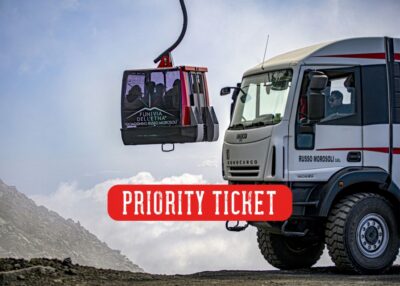
Mount Etna: Roundtrip Cable Car and 4×4 Bus Ticket
Read our review →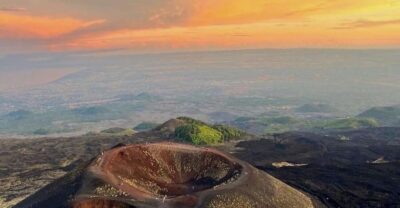
Mt. Etna and Taormina village full day tour from Catania
Read our review →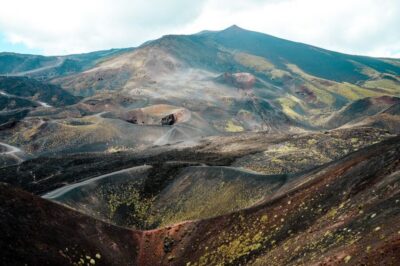
Browse the lists this tour appears in