
Reviewed in full · MOUNT ETNA TOURS
Mount Etna: Volcano Craters Hiking Tour
This hike feels interesting because you are not watching Etna from far away. You walk close to fumaroles and recent lava flows, on an organized route that aims to keep you out of the real danger zone.
Two things I really like: you get a licensed guide who explains what you are seeing, and the day is built around high-altitude crater walking near places like the Southeast Crater and the larger craters from 2002. That combination makes geology feel practical, not like a classroom lecture.
One drawback to weigh first: this is cold, windy, and physically demanding at altitude. If you have vertigo, heart or breathing issues, or if you are new to hiking, you should probably choose a calmer Etna option.
What the Day Feels Like, Step by Step
You start around the Esagonal Bar area at about 1,900 meters, then take a cable car up and transition into crater-edge terrain around 2,500 to 3,000 meters. The goal is a safe, guided trek that lets you experience steam, heat, and the raw texture of volcanic ground without going off-route.
You’ll also notice that the tour is strict about participation requirements. There is an additional on-site fee tied to scientific authorization, and if you do not pay it, you cannot join the hiking portion. Plan for that, and you’ll avoid a nasty surprise on the morning of your excursion.
Key Points You’ll Care About
- Fumaroles up close: You get to stand near steam and hot gases, not just see them from afar.
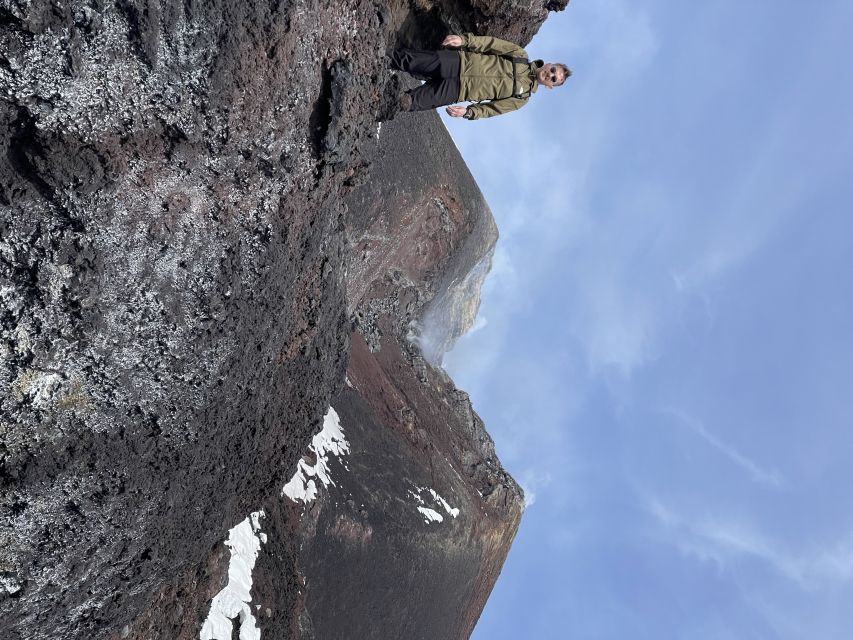
- Recent lava underfoot: Walking over black volcanic rock makes the “active volcano” concept real quickly.
- Guides with strong explanations: Names you may hear include Andrea Montemagno, Vincenzo, Fabio, and Nikkos, with guides switching languages as needed.
- Altitude is part of the experience: The trek climbs toward 3,000 meters, so pace and breathing matter.
- Winter can mean ice and snow: The basalt canyon and some paths may be affected by snow cover.
- You get gear, but you still must dress right: Trek poles, helmets, warm jackets, and trekking shoes are included, but you still need proper clothing and long pants.
More ways up Etna from Mount Etna:
- Catania: Mount Etna Morning or Sunset Day Trip with Tasting
★ 4.8 · 4,028 reviews - Mount Etna: Guided Volcano Summit Hiking Tour with Cable Car
★ 4.7 · 3,784 reviews - Catania: Sunset Jeep Tour of Mount Etna and Lava Flow Caves
★ 4.8 · 2,113 reviews
Mount Etna Craters: Why This Hike Gets People Talking
Mount Etna is Sicily’s most famous volcano, but most experiences stay at a “viewpoint and photos” distance. This one pushes you closer, to the point where you can literally feel the heat from volcanic rocks and see steam rising from underground channels.
That proximity changes everything. When you are walking past steaming ground, it stops being a travel idea and becomes a physical experience. You’ll also get those wide, crater-edge views that only make sense when you’re actually standing near them.
The tour also has a safety mindset. It is designed to explore an active volcano while staying away from the danger zone, and it uses specialist guidance at altitude. In practical terms, that means pacing, route discipline, and frequent checking that everyone is stable on uneven ground.
From Esagonal Bar Upward: How the Morning Builds Momentum
You meet in the parking area in front of Bar Esagonal, with guides waiting there. Before the hike proper starts, there can be a short transfer, then time gets divided between guidance, walking segments, and photo stops.
You begin at the Bar Esagonal altitude of about 1,900 meters. From there, you ride the cable car to around 2,500 meters before your trek begins. That middle step matters because it saves your legs for the crater walking while still placing you in a truly high-altitude environment.
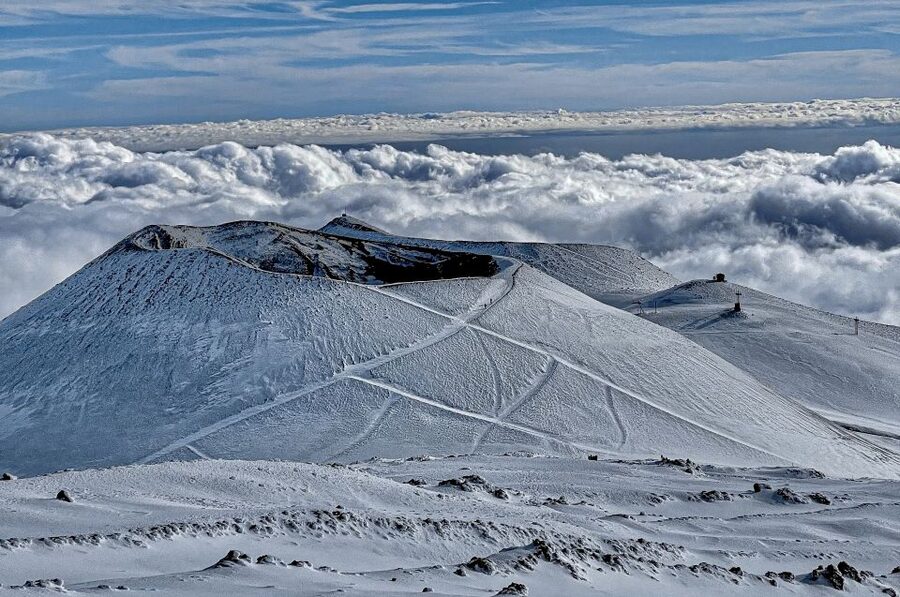
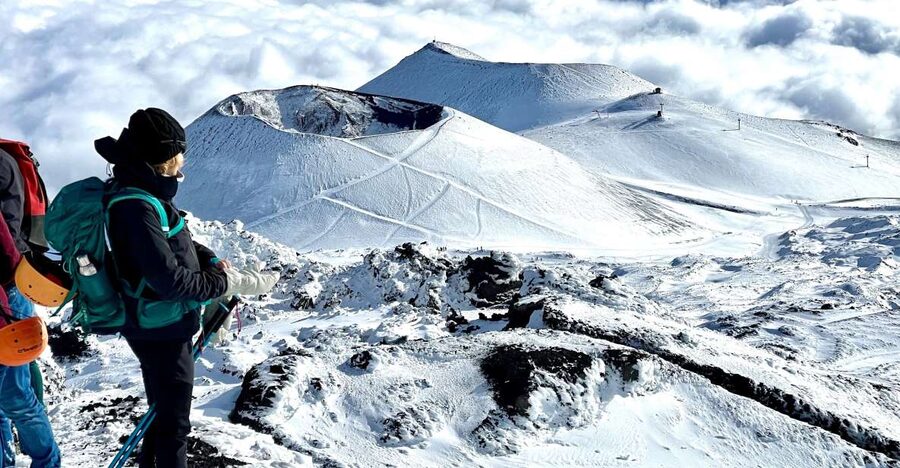
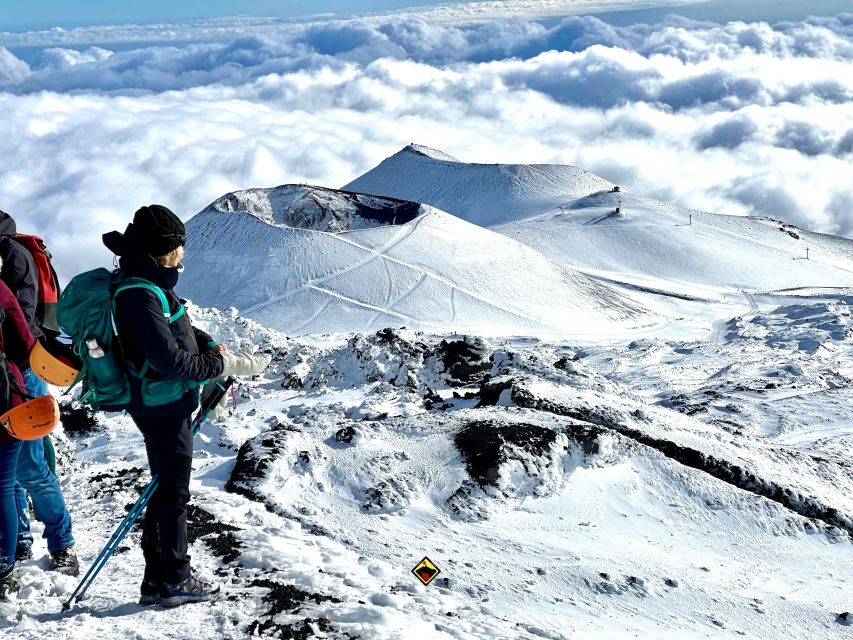
From the top of the cable car area, your guide leads you on volcanic terrain with planned stops. One of the big moments is reaching the base area near the Southeast Crater, described as the most active crater at the time of the experience.
There is also a special authorization aspect. The plan allows passing the current altitude limit of 2,750 meters for scientific purposes, pushing up toward 3,000 meters when the group is handling altitude well. That is a rare added layer of access, but it also means your guide is watching how people respond.
The Cable Car Step: Comfort, Time, and Why It Still Needs Planning
The cable car ride is a real win for value and energy. You do not spend the morning grinding uphill, and it makes the hike possible for more travelers than a full on foot climb.
You should still plan for two realities. First, round-trip cable car tickets are not included, so you pay them on-site. Second, the queue can get busy depending on the day, so give yourself breathing room.
I like the way the tour handles transportation timing. If you need help getting return cable car tickets, the guide assists you at the Funivia dell’Etna office just before departure. That reduces the chance of arriving confused and scrambling to buy the wrong thing.
More walks and climbs near Mount Etna:
- Mount Etna: Trek to 3000m with cable car and jeep
★ 4.7 · 1,978 reviews - Etna Volcano: South Side Guided Summit Hike
★ 4.7 · 1,545 reviews - Catania: Mount Etna Trekking Trip off the Tourist Path
★ 4.9 · 1,351 reviews - From Taormina: Etna Tour with Hiking, Cave Visit, & Tastings
★ 4.7 · 518 reviews
Walking Past Fumaroles and Fresh Lava: The Part That Feels Most Real
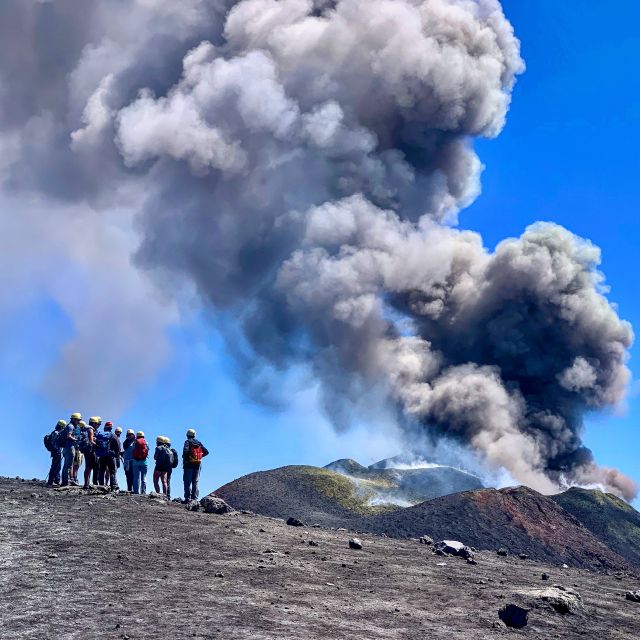
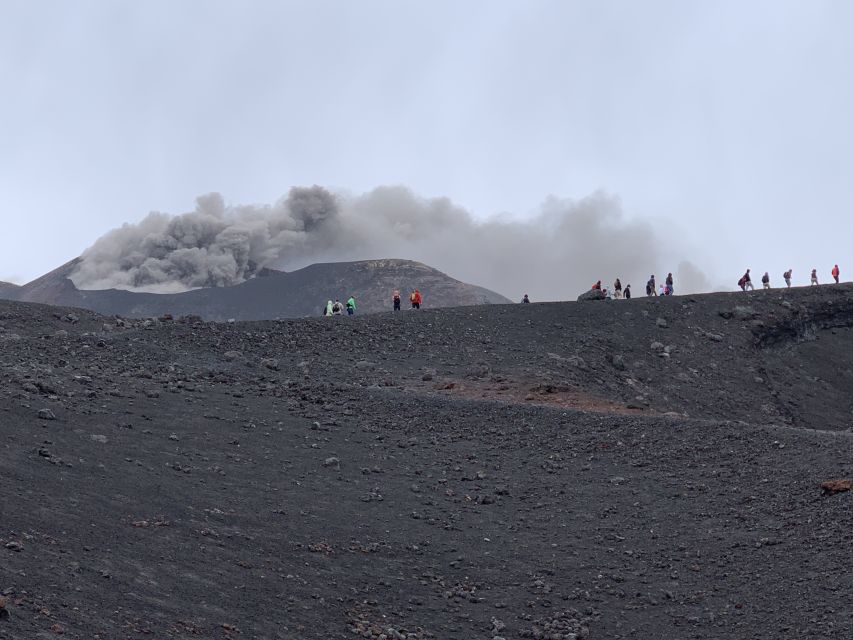
This is the signature stretch of the day. As you hike, you walk close to volcanic rocks that are still hot enough to make the ground feel warm beneath your feet. You’ll pass banks of still-steaming lava flow from recent eruptions.
And then you get to fumaroles, where hot gases spew from underground. Standing near fumaroles is not like seeing a museum exhibit. The heat and steam make you understand why volcanic terrain can be both fascinating and dangerous.
What makes this part worthwhile is the guide’s narration. You learn what fumaroles are doing, how the gases move, and how that connects to eruption history. Guides can speak in Italian, French, or English, and many guests highlight guides who keep explanations clear and paced for the whole group.
If you are tempted to treat this like a casual walk, don’t. The ground is uneven, the rock is gritty, and the heat affects how you move. Slower is safer here, and your guide will set a pace that keeps everyone together.
Barbagallo Crater Area to Photo Stops: Learning in Motion
There is a guided segment in the crater area that takes time, not just a quick “look, listen, go.” This is where you get context for what you are about to see at the higher craters.
You also get photo stops built into the route. A photo stop is not just for cameras. It is a chance to steady your breathing, reset your legs, and confirm you are moving with the group rather than rushing.
One pattern you’ll notice is that the schedule flexes around conditions. In wind and cold, you may stop more frequently. In clearer weather, you may get slightly longer viewing moments. Either way, you’ll be glad the guide includes breaks, because altitude can sneak up on you.
Basalt Canyon and the Crater Edge: Safety, Footing, and Wind
At the higher elevations, you may visit a small basalt canyon, if it is not buried by snow. The word “if” matters. If snow covers a route section, your guide will adjust to what is safely accessible.
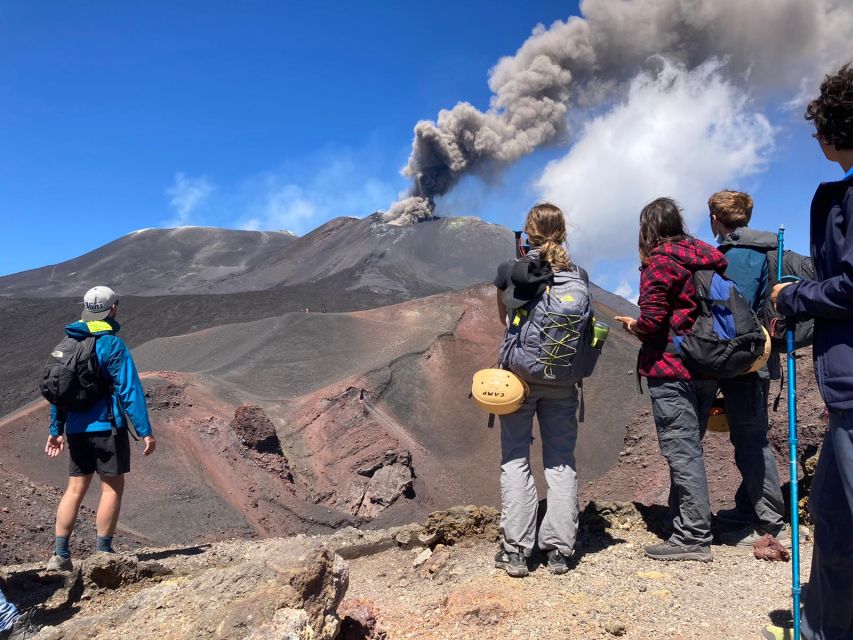
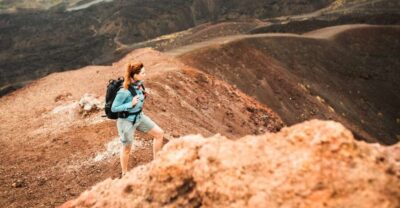
Then comes one of the most intense sections of the trek. You arrive at the base near the Southeast Crater, and the route involves climbing and walking along crater edges. That is where dizziness can be an issue for sensitive individuals.
This is also where you feel the wind. At the top, it can be extremely windy, and cold becomes part of the challenge. If you come unprepared, you’ll spend the hike thinking more about your comfort than the volcano.
The good news is that the tour provides structure. You get helmets and trekking poles, which help with stability on uneven rock and during slippery patches. On days with snow or ice, those poles can be the difference between “tight and careful” and “working too hard.”
The descent also deserves respect. The route back includes parts that can be sandy shale or steep, which can stress knees. Pay attention to your footing, and keep your steps small.
The 2002 Craters and Valle del Bove: Why You Finish With Scope
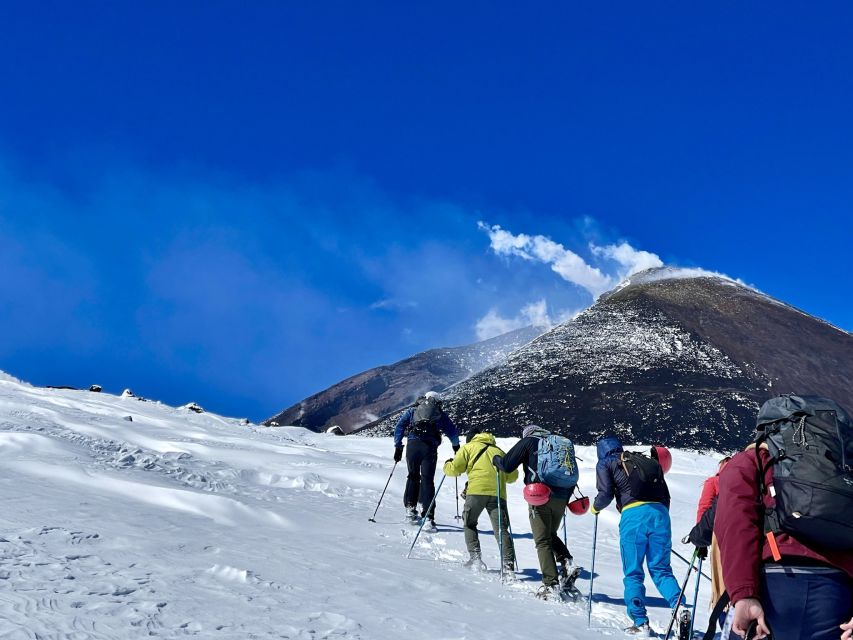
After the Southeast Crater base area, you head toward the larger craters from 2002. This gives you a broader look at eruption patterns and terrain shapes, not just one specific vent.
You also get another break and photo time built into the experience. This is when panoramic views matter most because you can finally step back mentally and see how the volcanic system is laid out.
When the walking portion winds down, you descend back toward the cable car station. In winter, expect snow to be present on parts of the path. Once you are back on the cable car, you ride down and then transfer back toward the meeting point area, with routing that includes the Valle del Bove area.
The end result is a full loop feeling, not a one-off look. You leave with images plus an internal map of how lava flows, vents, and crater edges relate.
Price and Value: What You Actually Pay, and What You Get
On paper, the price is listed as about $28 per person, lasting around 5 hours. But the real value question is the full all-in cost once you account for what is not included.
Here is the practical breakdown you should plan for:
- Volcanological guide service: €30 per person, paid on-site
- Round-trip cable car tickets: €52 per person, paid on-site
- Food and drinks: not included
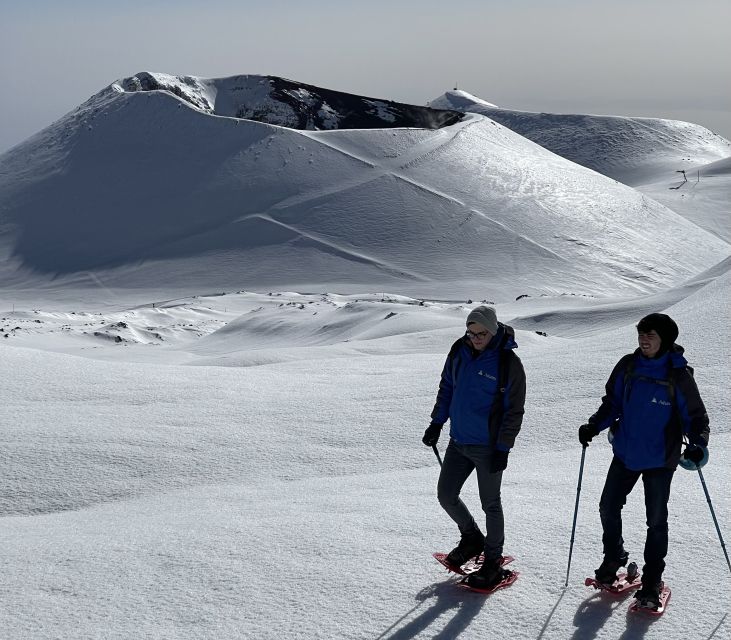
- Possible add-on: snowshoe rental (only for deep snow), €15 per person, paid on-site
Why this can still be good value: the tour includes a lot of high-use safety and comfort items. You receive trekking poles, helmets, warm jackets, trekking shoes, and an Etna entry fee, plus accident insurance and a backpack.
That matters because Etna is not a place where you want to improvise footwear or show up underdressed. If you are traveling light, included gear lowers your risk. Even if you still need gloves or a hat, the heavy lifting of cold-weather basics is covered.
One important note: if you do not pay the additional fee tied to scientific information, you cannot participate in the hiking activity. That means you should treat the on-site fee as part of the plan, not an optional souvenir add-on.
Gear Check for Real Weather: What to Bring So You Don’t Get Miserable
This tour runs at high altitude, and wind chill is real. You’ll be glad you brought the right layers.
Bring:
- A windbreaker
- Sunglasses
- Sunscreen
- A jacket and warm layers
- Long pants
- Snacks and drinks
- Comfortable clothes that you can layer
- Hiking shoes are listed as required, but since trekking shoes are included, you can interpret that as the tour expects you to arrive with proper footwear suited for trekking
Also plan to bring gloves and a hat. They are not included. That omission is small until you hit the exposed crater area and your hands start to feel numb.
Not allowed:
- High-heeled shoes, sandals, or flip flops
- Alcohol and drugs
- Open-toed shoes
I like this list because it keeps you safe and practical. You can pack less drama and more function.
Who This Etna Trek Suits Best, and Who Should Pass
This trek is described as for trained hikers. It climbs up near 3,000 meters, walks along crater-edge terrain, and can involve snow and ice depending on the season.
It is not suitable for:
- Children under 12 (and it also says not suitable for under 11)
- People with mobility impairments
- People with back problems
- People with heart problems
- People with vertigo
- People with respiratory issues
- People with epilepsy
- People with low fitness
- People without hiking experience
- People with recent surgeries
- People with high blood pressure
If any of those apply, choose a safer style of Etna visit.
If you are generally fit, enjoy steep trails, and can handle wind and cold, this tour fits well. It is also a good fit if you want geology explained while you move, not after you sit down.
Group size is another practical factor. Some days can feel small enough to personalize the attention. On other days, the group can be larger, so you should be comfortable walking in a line and following your guide’s pacing.
Weather, Snow, and Wind: How Conditions Change the Day
Etna can shift fast. If there is adverse weather, the excursion may be canceled or rescheduled, and you get notified as soon as possible.
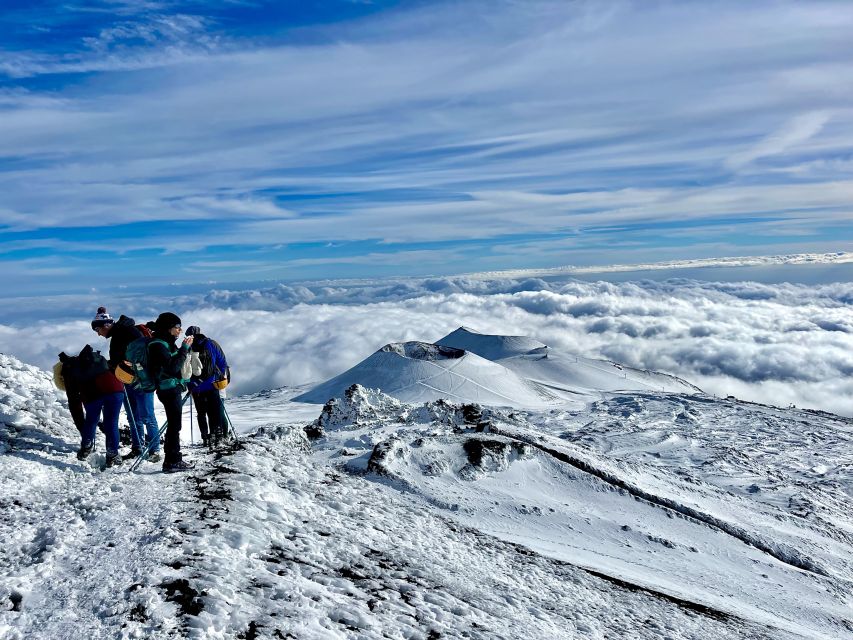
In winter, snow and ice are common enough that the route can involve icy patches and snow on parts of the descent. A basalt canyon may be buried by snow, which means your guide chooses alternate access.
The top can be brutally windy. Even when the sky is clear, the exposed crater ridge can cut through clothing. That is why your windbreaker matters as much as your jacket.
Your best strategy is simple: dress for cold and wind even if the lower slopes feel mild. Then follow the guide’s route choices, especially near fumaroles and crater edges.
Should You Book This Mount Etna Volcano Craters Hike?
Book it if you want a real active-volcano experience with fumaroles, heat, and fresh lava flow, and you are comfortable with altitude and crater-edge terrain. The included gear, plus accident insurance and a structured safety approach, makes it one of the more sensible ways to do Etna at this level.
Skip it if you get dizzy with heights, have any of the listed medical limitations, or if you feel unsure about your hiking fitness. This is not a “casual walk.” It rewards preparation.
If you do book, show up ready to layer up, move slowly, and take your guide’s instructions seriously. Do that, and you will come away with more than photos. You’ll understand the volcano with your whole body.
FAQ
How high does the hike go?
You climb to about 3,000 meters with your guide, after taking the cable car to around 2,500 meters. There is also an authorization process that can allow going beyond an altitude limit if the group is handling it well.
What’s the total duration of the tour?
The activity lasts about 5 hours. Starting times vary, so you should check availability for your date.
Are cable car tickets included?
No. Round-trip cable car tickets are not included and must be paid on-site.
Is a volcanological guide service included?
No. A volcanological guide service costs €30 per person and is paid on-site.
What’s included with the tour?
You get trekking poles, helmets, warm jackets, trekking shoes, a backpack, accident insurance, and the Etna entry fee.
What should I bring?
Bring a windbreaker, sunglasses, sunscreen, long pants, a jacket and layers, snacks and drinks, and weather-appropriate clothing plus change of clothes.
Is this tour suitable for children?
Children under 12 are not allowed on this excursion. The tour is also noted as not suitable for children under 11.
Just reviewed in Mount Etna
- Piano Provenzana: Guided Mt. Etna Snowshoeing Trek★ 5.0 · 3 reviews
- Palermo/Cefalù: Mount Etna and Taormina Day Trip★ 4.5 · 12 reviews
- Old Sicily and Etna wine tasting tour from Taormina★ 4.3 · 22 reviews
- Mount Etna: Central Crater Guided Hike for Advanced Hikers★ 4.8 · 106 reviews
- Nicolosi: Mt. Etna Guided Quad Tour Adventure★ 4.2 · 6 reviews
- Etna Southern Slope Guided Easy Trek★ 4.8 · 36 reviews
- Nicolosi: Excursion Etna Craters at 3000 mt.★ 4.2 · 3 reviews
- Mount Etna Tour to 1900m from Taormina★ 4.9 · 11 reviews
Mount Etna Tours, compared.
Mount Etna Morning or Sunset Day Trip with Tasting
Read our review →
Mount Etna: Guided Volcano Summit Hiking Tour with Cable Car
Read our review →
Sunset Jeep Tour of Mount Etna and Lava Flow Caves
Read our review →
Mount Etna: Trek to 3000m with cable car and jeep
Read our review →
Etna and Alcantara Gorges Full-Day Tour with Lunch
Read our review →
Mount Etna: Roundtrip Cable Car and 4×4 Bus Ticket
Read our review →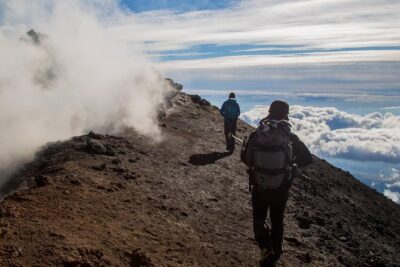
Mount Etna Trekking Trip off the Tourist Path
Read our review →Browse the lists this tour appears in