
Reviewed in full · VALLEY OF THE TEMPLES TOURS
Agrigento: Valley of the Temples Private Tour
Agrigento’s Valley of the Temples is one of those places where you can feel ancient Sicily at full scale, even in a short visit. I love how the Doric temples sit in a dramatic valley, and I love that this is a private, guided format so you are not just reading stones, you are understanding them. The one drawback to plan around is that temple entry tickets are not included, so you’ll need to buy them on the spot before you start.
This tour is set up for people who want the big hits without turning the day into a marathon. You start right at the action, then you move temple to temple, with breaks for viewpoints and the kind of context that makes each stop click.
Do keep expectations realistic. Two hours is fast, which means you’ll see a lot, but you won’t have the kind of long, slow wandering you might want if you love photography for hours on end. Also, if the meeting point is confusing for your GPS, build in a little extra buffer so you do not lose time.
Key highlights I’d circle before you go
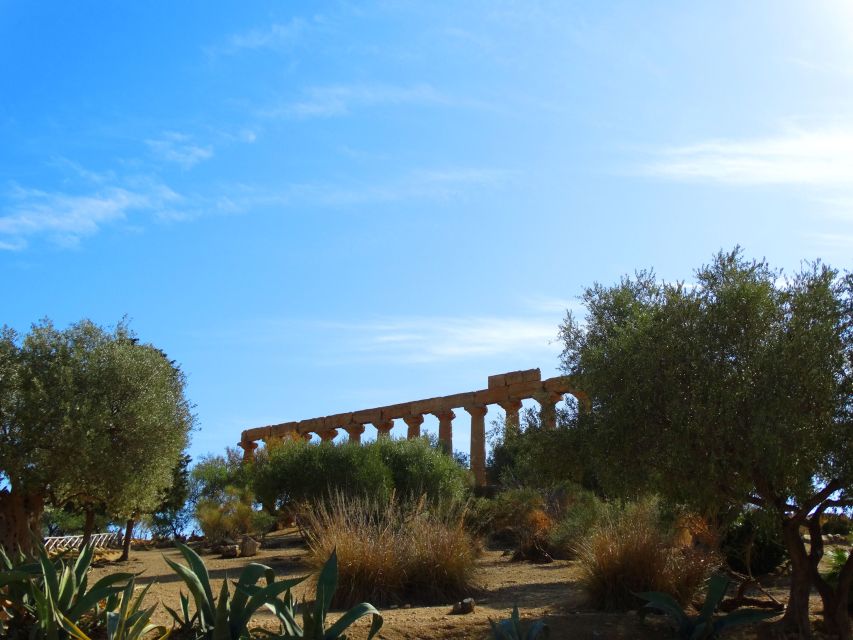
- Temple of Juno (Hera Lacinia), including the hill setting at Rupe Atenea and the huge Doric presence
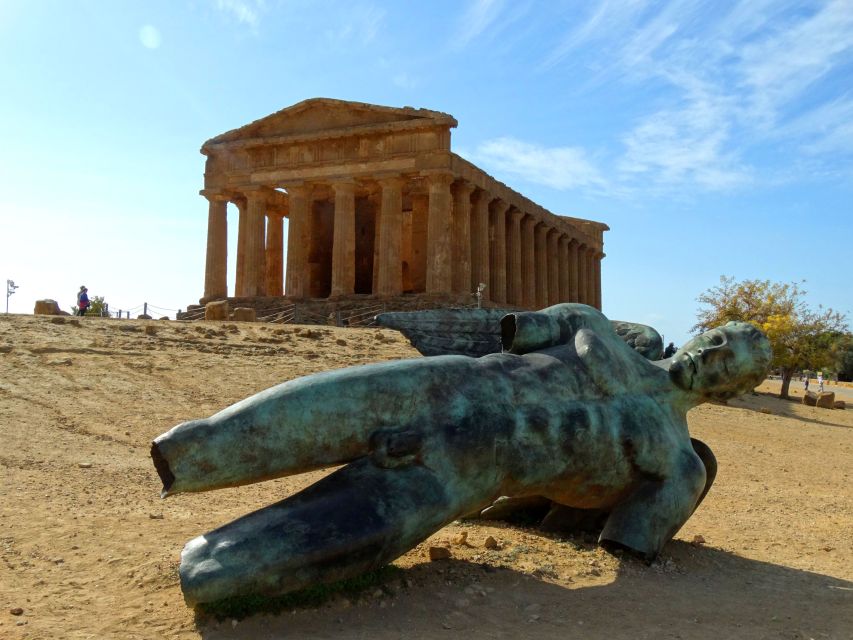
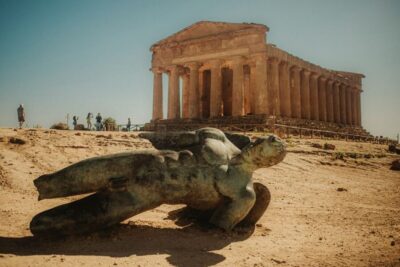
- Temple of Concordia, one of the best preserved, plus the bronze Icarus statue by Igor Mitoraj
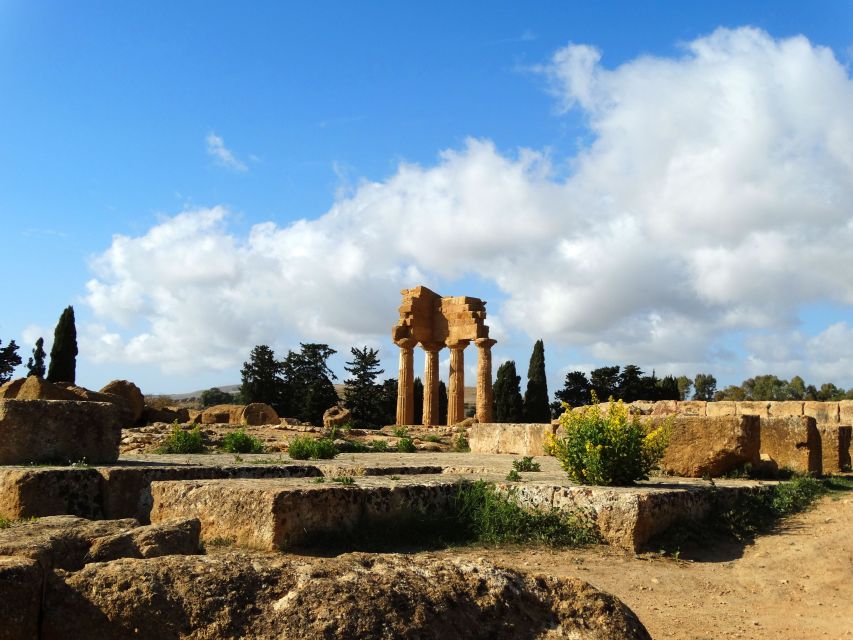
- Temple of Hercules (Heracles), the feeling of the oldest Doric core and a chance to spot prickly pears
- Temple of Zeus (Jupiter) ruins, Telamons over 7 meters, and the story of how earthquakes and quarrying changed everything
- Private pacing, so your guide can slow down for questions and viewpoints
Two hours in the Valley of the Temples, and why that works
The Valley of the Temples is UNESCO-listed for a reason. Even before you learn a single fact, the scale hits you: temple after temple, built for gods, shaped by politics, and altered by time. What makes this private tour especially useful is that it focuses on the main monuments you actually want to see: Juno, Concordia, Hercules, and Zeus.
You’ll spend your time where the meaning is. A guided stop here is not just about where things are placed. It is about why they were built the way they were, and why some survived better than others. That matters in Agrigento because the site is not frozen in one era. It has layers, including later uses that affected preservation.
More Valley of the Temples visits from Agrigento:
- Agrigento: Valley of the Temples Skip-the-Line Sunset Tour
★ 4.5 · 1,512 reviews - Agrigento: Valley of the Temples Ticket & App Audioguide
★ 4.3 · 1,160 reviews - Agrigento: Valley of the Temples E-Scooter Tour
★ 4.6 · 557 reviews
What to expect from the walking pace
The tour is about 2 hours, so plan for a steady walking rhythm. You’ll have time to look up, slow down at viewpoints, and listen as the guide points out key details. It is not a sit-and-watch kind of experience, but it also does not feel like a forced march. Think of it as a guided “greatest hits” walk with purposeful stops.
Meeting at the Valley of the Temples: where to start so you do not waste time
You’ll meet your licensed guide outside the ticket office, near the car parking by the Juno Temple, the biggest. The guide should have a visible license badge around the neck, so you know you’re in the right place.
Here’s the practical tip that can save your day: don’t trust your map app blindly. If you arrive a little early and you confirm you’re at the correct entrance area, you’ll avoid the common problem of showing up at the wrong nearby spot. When that happens, even a friendly group can lose time.
Also note: the tour begins at the site, so you should already be ready to buy tickets if needed. Tickets are not included, and your guide may not start you until you are squared away.
Temple of Juno (Hera Lacinia): start strong with Doric drama
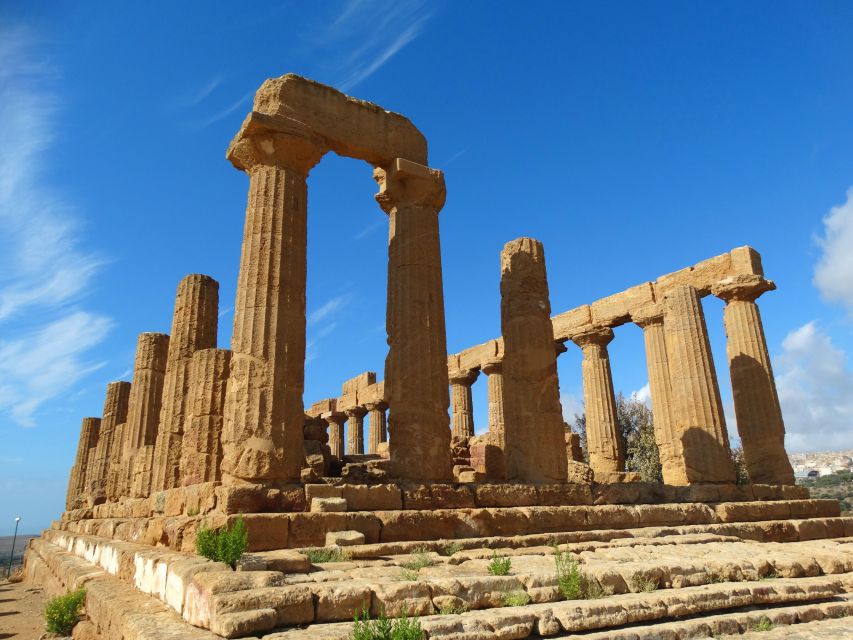
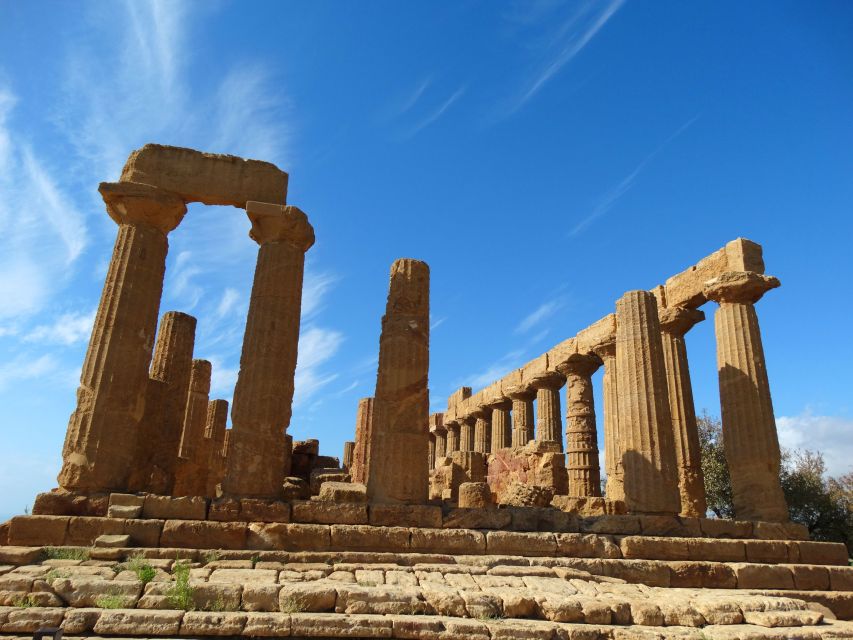
Most Valley of the Temples visits begin at Juno for a reason, and this one starts there immediately. Your first major stop is the Temple of Hera Lacinia, also called the Temple of Juno.
This temple is described as being built around 450 BC, and the guide will frame its setting on Rupe Atenea. You’ll see the Doric columns and get a sense for why this area became such an icon for Agrigento’s identity.
Other Agrigento options side by side
- Palermo: Valley of the Temples and Scala dei Turchi Day Trip
★ 4.1 · 380 reviews - Agrigento: Valle dei Templi Fast-Track Ticket & Smart Guide
★ 4.1 · 344 reviews - Agrigento: Valley of the Temples Entry Ticket & Audio Guide
★ 4.1 · 268 reviews - Quad Tour Excursion from the Castle to the Sea
★ 5.0 · 194 reviews
What I’d pay attention to here
Try to look at Juno as more than just “a big ruin.” The guide’s framing connects the temple to meaning, including the idea of Juno as a protector and a goddess linked to women and fertility. You’ll also hear about the sort of celebrations that used the temple space.
And yes, the viewpoint matters. Once you’re standing in the right spot, the valley opens up behind the stones. Even if you consider yourself a “give me the facts” traveler, the view is part of why the temples were built here. They were meant to be seen.
A potential drawback
Because Juno is the first stop, it can feel like “information overload” if you rush into it while still walking at full speed. Slow down. Let the first temple set the pace, then let the guide build the story in order.
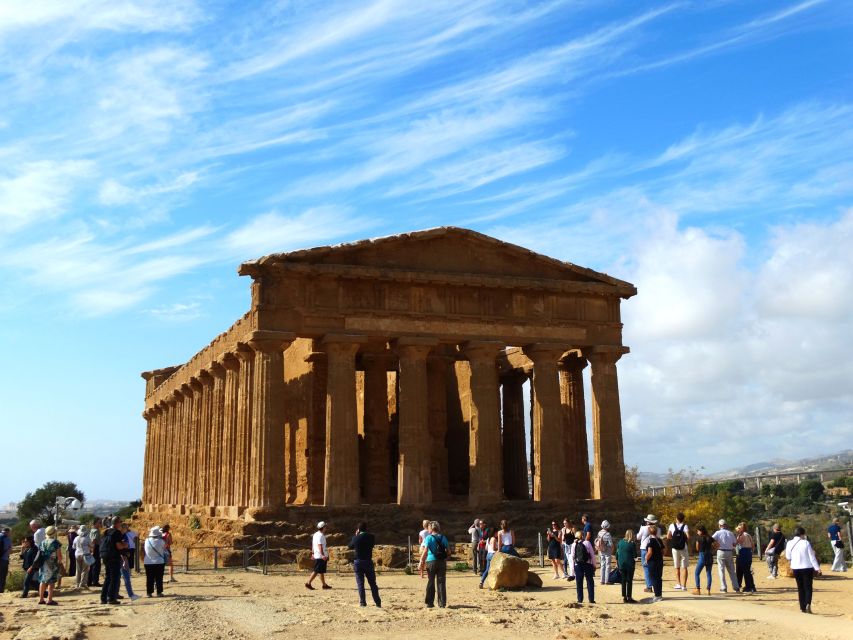
Concordia Temple: why it looks so intact
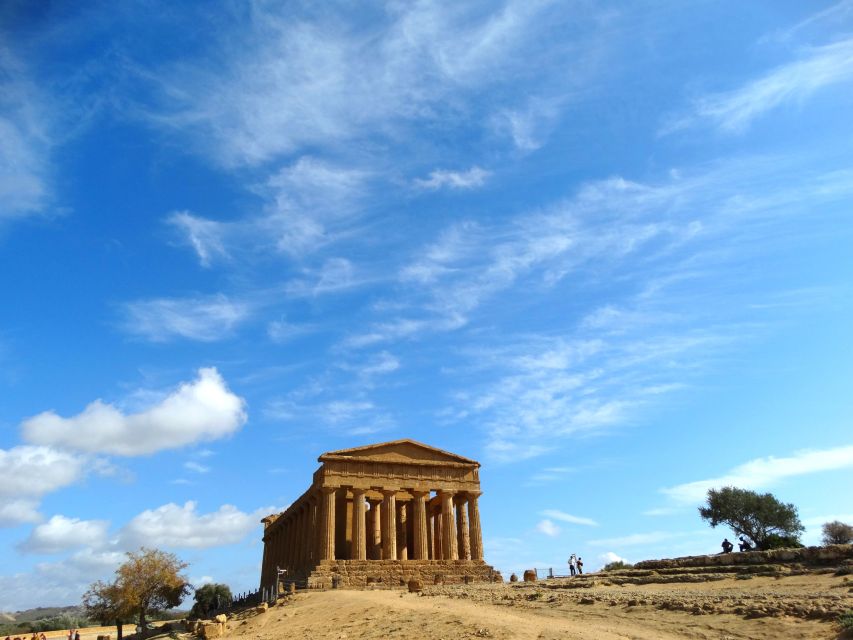
The Temple of Concordia is one of the headliners because it is famously well preserved. The guide will tell you it dates to around 430 BC, and it is often compared in terms of preservation to other famous temples in the Greek world.
What makes Concordia different on a guided walk is that it comes with a human-sized explanation for why you see so much original form. The temple was transformed into a Christian church, which helped protect it over time. When you understand that, the stones stop feeling random. They become evidence of how people kept using the past instead of abandoning it.
The Icarus statue by Igor Mitoraj
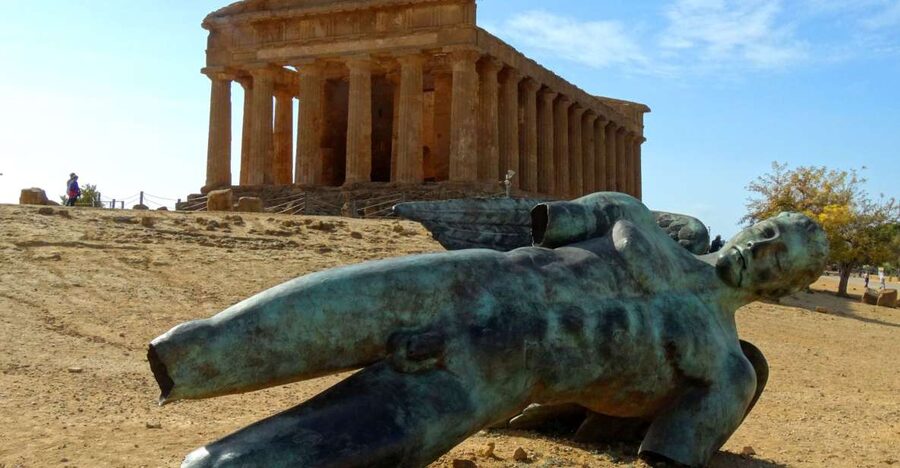
In front of Concordia, you’ll be able to see a bronze statue of Icarus, donated by the Polish sculptor Igor Mitoraj. The statue represents the fall of Icarus, disobeying his father and flying too close to the sun, which burns the wax wings and sends him down into the Mediterranean.
This is a smart stop in the tour because it helps you connect myth to location. You’re not just learning Greek mythology as a story on a page. You’re seeing how modern art can sit in front of ancient stone and make the narrative feel immediate.
Hercules Temple (Heracles): the oldest Doric feeling of the walk
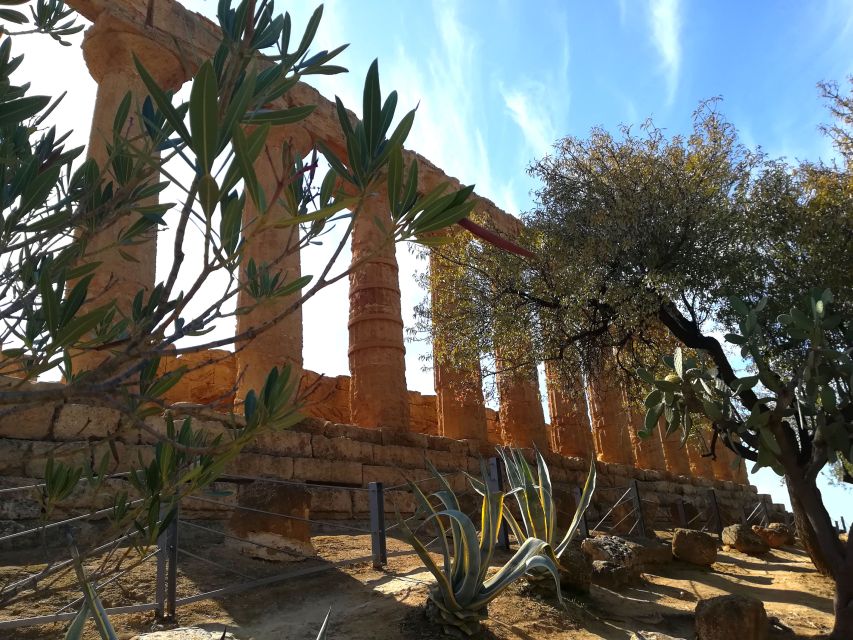
Next you move to the Temple of Hercules, or Heracles. This is described as the oldest of the Doric temples in Agrigento, and your guide will connect the name to a bronze statue of Hercules inside the temple.
On a guided tour, Hercules often works best when you focus on structure. The temple’s Doric character can feel more fundamental and less “postcard preserved” than Concordia. That difference is the point. You can feel how the design language developed, and how the site grew over time.
Plants and small moments you should not skip
This tour also includes time to notice the living things in and around the ruins. You might spot prickly pear trees, and your guide can point out how the vegetation fits the Mediterranean setting. It sounds minor, but it makes the valley feel lived-in rather than sealed off.
When guides do this well, you walk away with one extra layer. You can picture what the site looks like in real daylight, not just in museum photos.
Zeus (Jupiter) Temple ruins: the giants and the quarry story
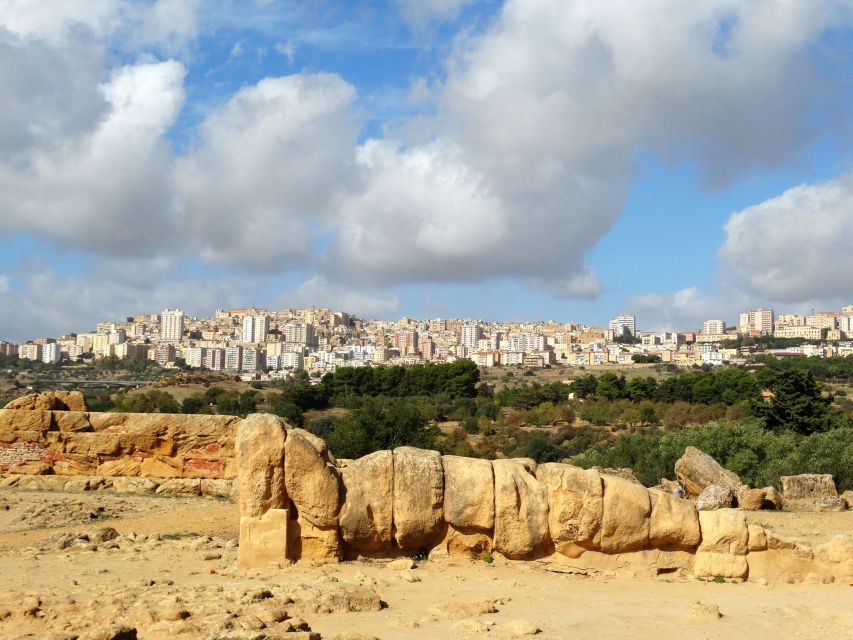
The final big highlight is the Temple of Jupiter (Zeus). This is where the tour gets extra interesting because the ruins tell a bigger story than an intact building sometimes can.
Your guide will explain that the temple was originally one of the largest temples of classical antiquity, but it suffered over time due to earthquakes. There’s also the practical and slightly unsettling detail that it was later used as a quarry for construction, including work tied to the Porto Empedocle pier.
Telamons, giants, and why outside sculptures matter
Among the ruins, you’ll see a reconstruction of a Telamon, a stone figure over 7 meters high. You’ll also encounter giant sculptures placed outside the temple, intended to protect the divinity.
This is one of the best moments to slow down and take stock. These sculptures were not “just decoration.” They were part of a belief system and a visual intimidation factor, built to communicate power at a distance.
And if you’ve been wondering why so much of the Valley of the Temples site is ruin instead of fully standing, Zeus gives the answer in human terms: time broke it, people reused it, and later generations left enough behind for you to piece the original grandeur back together.
Tickets and the “fast start” plan that keeps the tour enjoyable
A key detail: entry tickets are not included, and the museum visit is not included. You should plan to buy tickets on the spot at the tickets office near the meeting point.
That means your best strategy is simple:
- Arrive with a little buffer so you can get tickets without feeling rushed.
- Keep your start time in mind, since the tour runs for about 2 hours.
- Bring water and comfortable shoes. You are walking a historic archaeological area, with uneven ground in places.
Because the tour skips museum time, you’ll be focused on the temples themselves. For many people, that is actually the smarter allocation. The valley is the main event, and a good guide makes the monuments easier to “read” as you walk.
Private tour value: when the price makes sense
The price is $326.26 per group, up to 25 people. That might sound high if you compare it to entry fees, but this is not just a ticket line. You are paying for a licensed guide to connect the dots across multiple temples in a tight time window.
This tour tends to be strongest value when:
- You are traveling with family or friends and want a private group pace.
- You want real context without taking on the work of researching every temple beforehand.
- You want the guide to help you pick up details you would otherwise miss, like why Concordia survived so well, or what you are looking at with the Telamons at Zeus.
Also, the guide languages include Italian, English, Spanish, German, and French, so it can fit mixed-language groups better than you’d expect.
One more plus for value: guides can help you avoid the “I saw it, but I do not get it” feeling. That is the difference between a photo stop and a meaningful visit.
Guide quality matters, and this one can be a winner
Private tours are only as good as the guide, so it matters that this experience is led by a licensed professional. The format gives the guide a chance to focus, and several named guides have impressed visitors with a mix of history and day-to-day on-site commentary.
For example, Rossana Valenti has a reputation for being friendly, giving lots of interesting details about Agrigento, and even adding commentary on things like local trees. Daniel has been described as outstanding for connecting architecture, politics, history, customs, mythology, and plants. Even if you care mostly about temples, that kind of broad explanation helps you keep the story straight.
If you get a guide like that, you’ll likely walk away with a clearer mental map of what you saw, why it matters, and how the site changed over centuries.
Who should book this private Valley of the Temples tour
I think this private tour is a great fit if you:
- Want the main temples in one go without stress
- Appreciate myth and symbolism, like the Icarus statue story or the giant Telamons at Zeus
- Prefer guided structure to self-guided wandering
- Are short on time in Sicily but still want UNESCO-grade monuments
It might be less ideal if you:
- Want hours of unstructured walking for photos and slow exploration
- Plan a “full day museum + archaeology” schedule, since the museum visit is not included
- Are the type who wants every small corner and side trail. This tour keeps you moving through the most important points.
Should you book Agrigento: Valley of the Temples Private Tour?
Yes, if your goal is a focused, guided, temple-to-temple visit to UNESCO’s Valley of the Temples with clear explanations. The value comes from the guide’s ability to connect details across Juno, Concordia, Hercules, and Zeus and give you context that makes ruins feel meaningful.
Just do two things before you go: confirm your meeting spot near the ticket office by the Juno parking area, and budget time to buy tickets since entry is not included. If you do that, this is a strong way to get a lot of ancient Agrigento into a short, satisfying visit.
FAQ
How long is the Agrigento Valley of the Temples private tour?
The tour lasts about 2 hours. Starting times depend on availability.
Which temples are included in the private tour?
You visit the Temple of Juno (Hera Lacinia), the Temple of Concordia, the Temple of Hercules (Heracles), and the Temple of Zeus (Jupiter).
Are entry tickets included?
No. Temple entry tickets are not included, and you can buy them on the spot at the tickets office.
Is a museum visit included?
No. The experience does not include a museum visit.
Where do we meet the tour guide?
Meet the licensed guide at the Valley of the Temples outside the ticket office, near the car parking by the Juno Temple (the biggest). The guide will have a visible license badge.
What languages is the live guide available in?
The live guide is available in Italian, English, Spanish, German, and French.
Just reviewed in Agrigento
- Private Tour : Agrigento & Scala dei Turchi★ 5.0 · 3 reviews
- Horseback riding in the beaches of Sciacca★ 4.8 · 4 reviews
- Full day Agrigento from Palermo – Tuesday, Thursday, Friday★ 4.0 · 4 reviews
- From Ribera: Quad Tour in the province of Agrigento★ 5.0 · 9 reviews
- From Agrigento to Siracusa: Valley of Temples & Roman Villa★ 5.0 · 3 reviews
- E-BIKE TOUR AGRIGENTO: Valley of the Temples & Old Town with meal included★ 5.0 · 4 reviews
- Agrigento: Valley of the Temples Private Archeological Tour★ 5.0 · 20 reviews
- Agrigento Valley of the Temples and Kolymbethra Private Tour★ 5.0 · 18 reviews
Valley of the Temples Tours, compared.
Valley of the Temples Skip-the-Line Sunset Tour
Read our review →
Agrigento and the Valley of the Temples Day Tour
Read our review →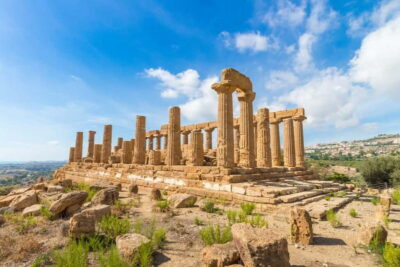
Valley of the Temples Ticket & App Audioguide
Read our review →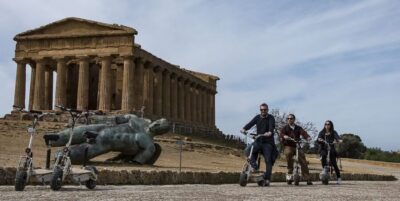
Valley of the Temples and Scala dei Turchi Day Trip
Read our review →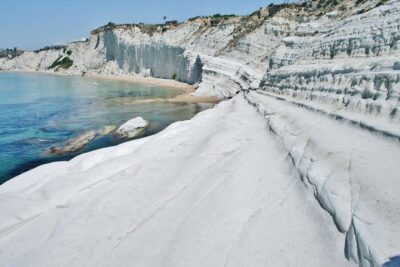
Valley of the Temples and Turkish Steps with Snack
Read our review →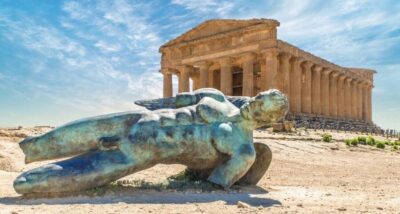
Valle dei Templi Fast-Track Ticket & Smart Guide
Read our review →
Browse the lists this tour appears in