
Reviewed in full · WALKING TOURS
Cefalù: Guided Walking Tour & Cefalu Cathedral Mosaics
Cefalù is one of those places where the streets feel old before you even reach the big sights, and this walking tour strings it all together from the Jewish quarter to the Cefalù Cathedral mosaics. I especially like how you get the town’s layout right away, first through the lanes near the Porta Giudecca, then down toward the sea. The only real drawback is the time, it is a 2-hour format, so you will learn a lot, but you will not linger in every corner the way a self-guided wander would.
The guide experience matters here. In particular, I love hearing stories from Marisa, the kind of guide who stays friendly and funny while still keeping the facts clear and organized. If you want a quick, low-stress way to understand why Cefalù looks the way it does, this hits the sweet spot.
One more consideration: it is a walking tour of historic streets and monuments, so plan on comfortable shoes and a steady pace. If you are traveling with kids who want neat, Hollywood-style endings, be aware the storytelling can include darker folklore details.
Key things to look for on this Cefalù walk
- Porta Giudecca setting, where you start to understand the Jewish neighborhood that lasted about 200 years
- Fishing port views framed by the medieval Porta Pescara gate, with a movie-set kind of photo backdrop
- Palazzo Martino wash house, including lava-stone steps and lion-head water spouts
- Palazzo Mandralisca from the outside, tied to the museum and Antonello da Messina’s portrait of the Unknown
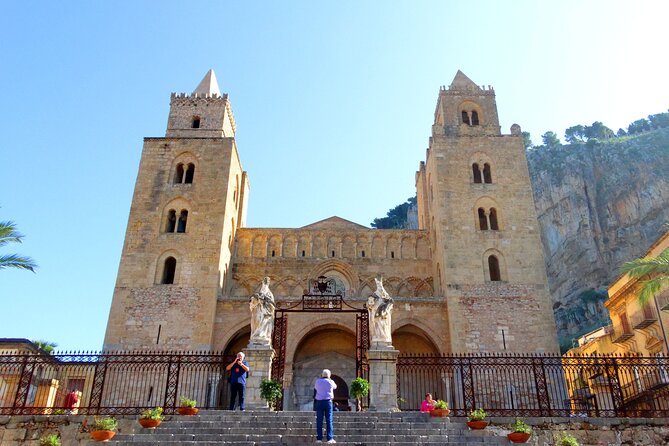
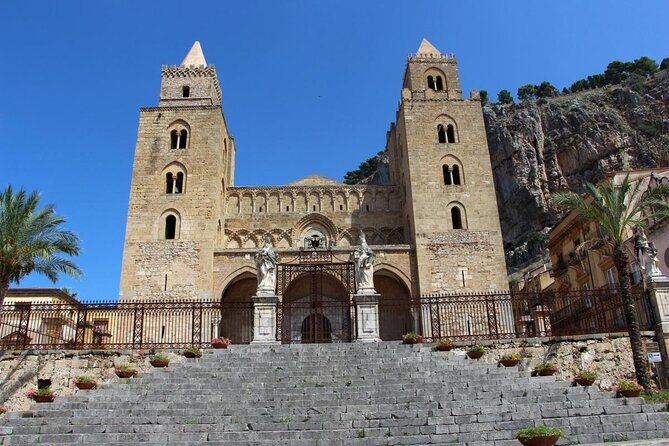
- UNESCO Norman Cathedral inside, with Christ Pantocrator in gold Byzantine-style mosaics
Where this tour fits in Sicily, and why Cefalù feels so specific
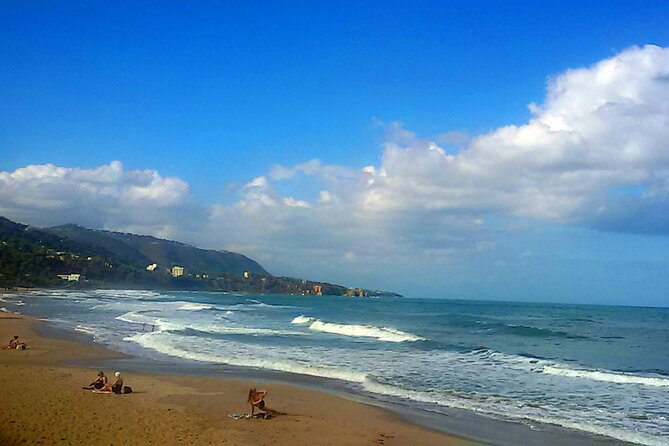
Cefalù is on Sicily’s north coast, not far from Palermo, and it sits close to the Madonie Park area. That geography matters, because the town’s sea-facing paths, old gates, and tight street grid were built for daily life, not tourism brochures.
What I like about this guided format is that it gives you orientation fast. In a couple of hours, you understand which streets matter, where the neighborhood transitions happened, and why the cathedral dominates the town’s story. You also get a clear sequence, so you do not wander around hoping you are heading toward the right memories.
This is also a smart way to avoid the common first-day problem in old towns. When you arrive on your own, it is easy to see beautiful places without knowing what you are looking at. Here, you walk with an organized route and a licensed guide, so the details click into place.
More walking tours in Cefalu:
- Cefalù: History and Legends Guided Walking Tour
★ 4.8 · 132 reviews - Palermo: NO Mafia Walking Tour
★ 4.8 · 2,431 reviews - Palermo Original Street Food Walking Tour by Streaty
★ 5.0 · 2,105 reviews
The Jewish quarter and Porta Giudecca: where the story starts
The tour begins just outside Cefalù’s historic center, in the ancient Jewish quarter area. This is where you start with the human timeline, because Jews lived in this neighborhood for almost 200 years. You do not just hear a general statement like “there was a Jewish community.” You get the sense that traces remain in the layout and in the way the neighborhood connects to gates and daily routines.
From the Porta Giudecca, the walk turns into a mix of history and practical geography. The guide explains how architecture and tradition overlap, and you connect that to what life would have looked like when the sea was close and the neighborhood was walled in by its edges. You also pass by the lighthouse area, which helps you understand how the view toward the water shaped this part of town.
One thing I really appreciate: the route is not only about big monuments. You are walking through the neighborhood lanes where the town’s character comes through, including the sense of everyday movement between homes, gates, and the shore. That makes the cathedral visit feel less random at the end.
Sicilian alleys to the lighthouse, then the fishing port and Porta Pescara
After Porta Giudecca, you move through Sicilian alleys that feel narrow, old, and slightly dramatic, especially as you head toward the sea. This portion is all about getting the rhythm of Cefalù. The streets twist, you pass small corners, and the walk gradually shifts from neighborhood walls to waterfront energy.
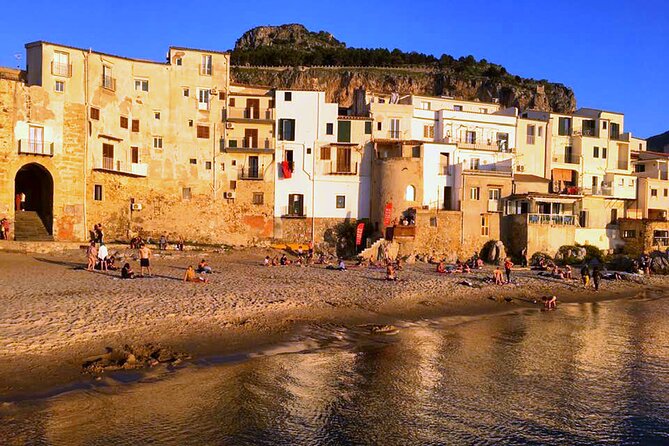
Next you reach the small fishing port, framed by the medieval Porta Pescara gate. This is a stop that rewards you for slowing down your phone-snapping pace. The colorful fishing boats and the port’s framing make it look like a staged postcard, and that is not an accident. The area has been chosen as a film set, including for New Cinema Paradiso and the latest Indiana Jones 5.
I like this stop because it gives you a second kind of context. After thinking about the Jewish quarter and its gates, you now see another gateway function, the gate that relates to trade, fishing, and getting boats in and out. The port is where the town’s identity turns outward, toward the sea.
Practical tip: this part can feel busy during peak daylight, so if you want a calmer photo, keep your eyes up for shaded corners along the route rather than trying to stand still right in the port for long.
Palazzo Martino wash house: where daily labor becomes architecture
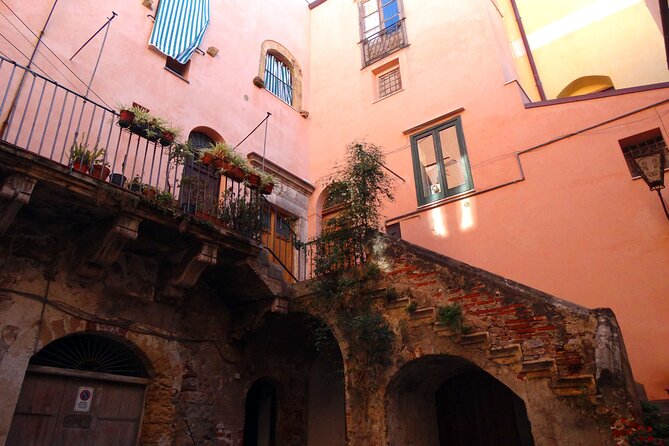
Now the tour shifts from gates and views to a specific, physical object you can almost picture in use. You visit the medieval wash house, located in the atrium of Palazzo Martino. It is one of those stops that makes you realize how much architecture was built around chores.
Here, the details matter. You see the lava stone staircase and a set of basins where water flows from mouths shaped like lion heads. The guide also explains how the water and basins were used for washing, including rubbing clothes on supports in the space.
This is not just a curiosity stop. It changes how you read the town. Once you understand that this courtyard was designed for washing, you start noticing textures and materials elsewhere in Cefalù with more attention. You also pick up the sense that medieval public life happened in shared spaces, not only in churches or palaces.
If you like “how people lived” explanations, this wash house is a high point. It is specific, visual, and it connects daily needs to lasting stonework.
Other Cefalu options side by side
- Coastal Sightseeing Cruise with Snorkeling and Aperitif
★ 4.8 · 160 reviews - Cefalù: Tandem Paragliding Flight and GoPro13 Video
★ 4.9 · 131 reviews - Cefalù: Mini Yacht with Snorkel Stops, Caves and Aperitif
★ 4.9 · 99 reviews - Sunset excursion by boat along the coast of Cefalù
★ 4.8 · 86 reviews
Palazzo Mandralisca exterior: icons and Antonello da Messina’s Unknown
The walk includes Palazzo Mandralisca, but you mainly admire it from the outside. That is still worthwhile, because you get the big cultural link even without treating it like a full museum detour.
The building houses a museum known for Byzantine icons. It is also tied to a famous portrait: the Unknown painted by Antonello da Messina. Even if you choose not to go inside on this tour, knowing what is behind the walls helps you understand why the place carries weight.
Why I think this is a smart inclusion: it balances the cathedral visit with another kind of art story. Cathedral mosaics can dominate your attention in Cefalù, so seeing this museum connection at least hints that the town’s artistic identity is not only religious.
If you want a longer art-focused visit, you could use this tour as your opener, then decide later if you want to return to spend time inside the museum.
Cefalù Cathedral (Norman Cathedral): two towers, Arab influence, and Christ Pantocrator
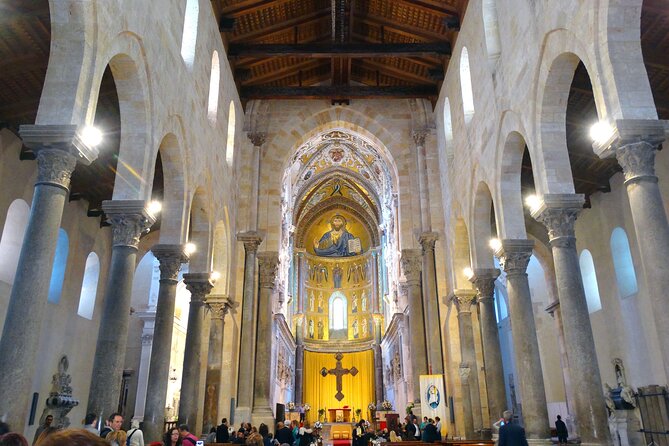
The finale is the Cathedral, listed by UNESCO as a World Heritage Site. This is where the walking tour earns its keep. You do not just stop and point. You get a guided look at what makes the Basilica of the Transfiguration distinct.
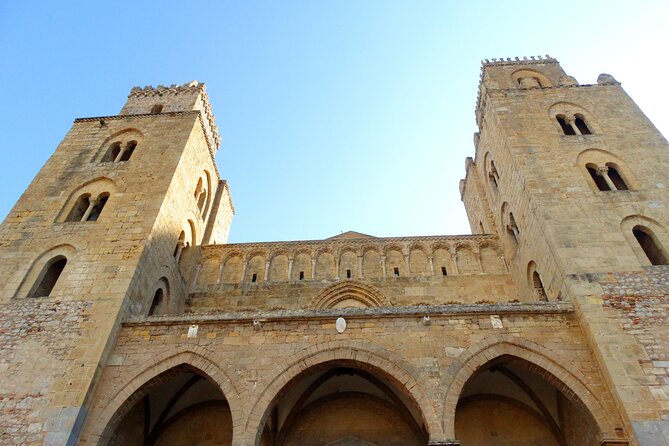
The cathedral is Norman in style, but it is enriched by Arab influences. That mix shows up in the overall feel and in how the facade is composed. You will see the imposing facade with a marble portal and two towers on each side. The guide explains the symbolic split behind the design: one tower has a square plan and relates to the power of the Church, while the other uses an octagonal plan and is linked to the power of kings and the nobility.
Then you go inside for the main event. You visit Christ Pantocrator, positioned overlooking the apse. Surrounding it are bright gold mosaics and paintings set on a golden background in Byzantine style. This is the moment most people come for, but the guide’s job is to help you look in the right way, not just stare at what seems impressive from a distance.
What I love here is the way this stop ties back to earlier parts of the walk. You started at gates and neighborhood spaces, and you end in a sacred, image-heavy space where Byzantine and Norman choices meet. The cathedral does not feel like a separate attraction. It feels like the culmination of Cefalù’s layered identity.
Note for planning: this is inside, so the lighting can shift. If you are used to bright outdoor photos, set expectations accordingly and let your guide point out what to focus on.
Price and what you get for $325.13 per group (up to 25)
The listed price is $325.13 per group, up to 25 people. That phrasing matters because this is a private group experience, so value depends on how many people you are splitting the cost with.
If you are traveling as a small group, you usually get more per person than a “buy a ticket per seat” model, because you are paying for the guide plus the organized route. If you happen to have a group closer to the maximum size, the per-person cost can feel very reasonable, especially since the tour covers several major landmarks in one tidy walk and ends at a UNESCO site.
At the same time, keep your expectations aligned with the duration. Two hours means you will see the key stops, but you will not slow down for long museum browsing or extended cathedral time. If your goal is deep study or extended quiet, plan to add extra time after the tour to re-visit your favorite stop.
In plain terms, I view this as a strong value when you want structure and interpretation, not when you want an all-day museum schedule.
Who this tour suits best, and who should choose a different day plan
This works especially well if you want the big Cefalù story without spending your whole first day figuring out a route. It is also a good choice if you care about mosaics, religious art, and Norman architecture, because the cathedral portion gets real attention.
You will likely enjoy it if you like street-level history. The Jewish quarter opening, the Porta Giudecca focus, and the wash house stop are not just decorative extras. They give you daily-life and community context, then you carry that understanding into the grand ending at the cathedral.
It may be less ideal if you hate walking or if you prefer to choose every stop on your own timeline. Since the tour is built as a guided sequence, you cannot “wander off” for a long detour and come back exactly when you want.
Families can do it too, with one note from firsthand experience: story time can get intense. In one case, an 8-year-old was handled professionally, but the guide’s storytelling included a darker turn involving Daphne, with a consequence that is not exactly kid-movie friendly. If you have children who want only upbeat narratives, consider that before you commit.
After the tour: how to extend the experience on your own
Once you finish at the cathedral, you are placed right where you can keep exploring without needing a plan. You have just learned what to look for, so the rest of your time in Cefalù can be less random.
If you liked the sea-port part, follow the flow back toward the fishing port area and give yourself time to watch boats and take in the gate-and-street connections you just heard about. If you were most taken by Byzantine art, you might decide to spend more time around the cathedral area and look for details the guide highlighted.
And if the wash house stop made you curious about everyday life in old towns, you might use that energy for a second pass through the lanes near where the walk began. You will recognize more now, because you understand the “why,” not only the “what.”
Should you book this Cefalù guided walking tour?
Book it if you want a focused, well-paced route that connects Cefalù’s street story to its UNESCO cathedral mosaics. The highlights line up well: Jewish quarter and Porta Giudecca, Porta Pescara and the film-set port, the Palazzo Martino wash house with lion-head water spouts, and then the Norman Cathedral with Christ Pantocrator in gold Byzantine mosaics.
I would skip it if you hate walking, or if you already know the cathedral area well and prefer to spend a full day inside museums. Also consider your family’s taste for stories, since the guide may include darker folklore moments as part of the explanation.
If you want an efficient way to get oriented and understand what you are seeing, this is the kind of tour that pays off fast, especially with a guide like Marisa who makes the details feel clear, warm, and even a little funny while you learn.
FAQ
Where does this tour take place?
It takes place in Cefalù, Sicily, Italy, near Palermo and the Madonie Park.
How long is the tour?
The tour lasts 2 hours.
How much does the tour cost?
The price is $325.13 per group, up to 25 people.
Is this tour private or shared?
This is a private group tour.
What languages are offered?
The live tour guide speaks Italian and English.
What are the main stops on the walk?
You’ll walk through the Jewish quarter and the Porta Giudecca area, see the small fishing port near the Porta Pescara gate, visit the medieval wash house in the atrium of Palazzo Martino, view Palazzo Mandralisca externally, and finish at Cefalù Cathedral.
Does the tour include the cathedral mosaics?
Yes. The tour includes a visit inside the Norman-style cathedral to see Christ Pantocrator with surrounding Byzantine-style gold mosaics and paintings.
Who is included in the price?
The tour includes a licensed tour guide.
Is free cancellation available?
Yes, you can cancel up to 24 hours in advance for a full refund.
Can I reserve without paying right away?
Yes. You can reserve now and pay later.
Just reviewed in Cefalu
- Private boat excursion along the coast of Cefalù★ 5.0 · 4 reviews
- PHOTOSHOOT IN CEFALU’★ 4.8 · 6 reviews
- From Cefalù: Coast To Coast Morning Tour With Boat Trip★ 4.3 · 14 reviews
- From Cefalù: Coast To Coast Afternoon Tour With Boat Trip★ 4.2 · 42 reviews
- From Cefalù: Guided Tour to Agrigento Valley of the Temples★ 4.8 · 42 reviews
- From Cefalù: Mini Cruise with Snorkel Stops, Drinks & Snacks★ 4.6 · 18 reviews
- From Cefalù: Authentic Sicilian Villages and Happy Hour★ 4.8 · 51 reviews
- From Capo D’Orlando: Lipari and Vulcano Tour with Boat Trip★ 3.9 · 6 reviews
Walking Tours, compared.
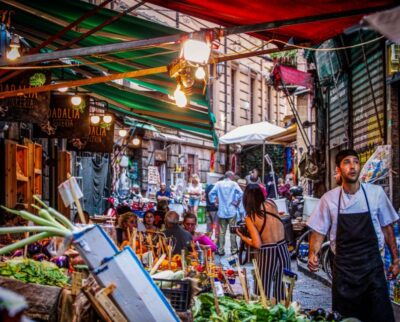
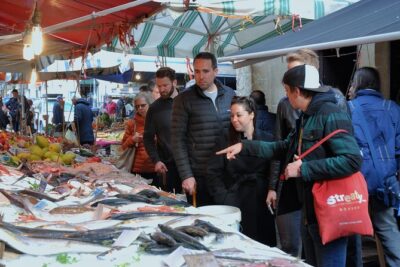
Palermo Original Street Food Walking Tour by Streaty
Read our review →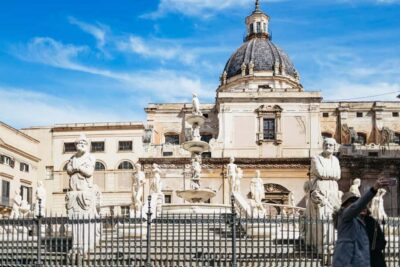
Palermo No Mafia walking tour: discover the Anti-mafia culture in Sicily
Read our review →
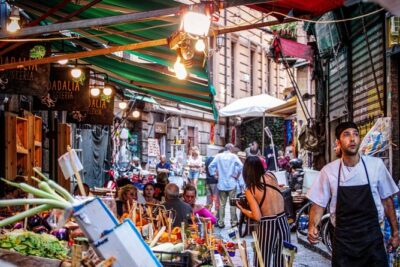
Street Food Walking Tour with Local Guide & Tasting
Read our review →Browse the lists this tour appears in