
Reviewed in full · COOKING CLASSES IN CATANIA
Cooking Class Arancini in Catania
Cooking arancini in a real Catania kitchen lab is one of the most hands-on ways to understand Sicilian food. I especially like how you learn the full build process, from properly cooked rice to crunchy breading. I also like that you finish by tasting several arancini and Sicilian almond paste versions. One possible drawback to plan for: the take-home booklet has received mixed feedback, with at least one guest saying the rice instructions and quantities were unclear.
You’ll spend about 3 hours with a professional chef, in a small group of up to 6 people. The class is taught in English and Italian, and you’ll also get wine, water, and coffee with the tasting. If you’re bringing very young kids, note it isn’t suitable for babies under 1 and children under 4.
Quick hits (what makes this class worth your time)
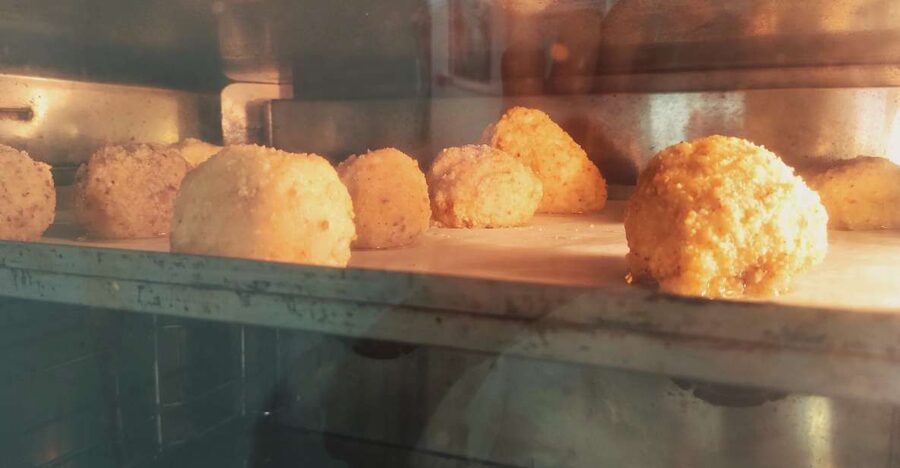
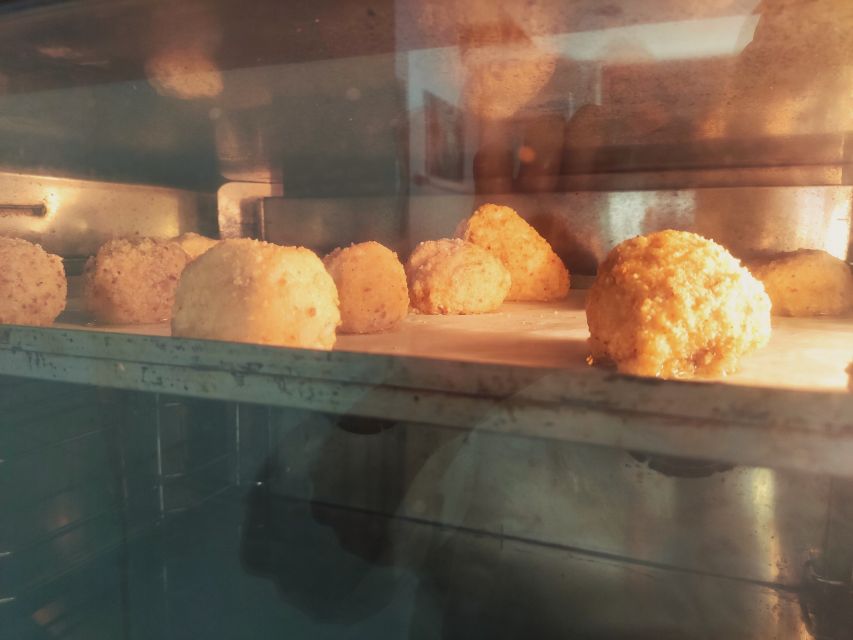
- Chef-led, real-lab practice where you shape, fill, and bread arancini step by step
- Two Sicilian icons: arancini plus almond paste (not just one recipe)
- Vegetarian fillings possible, so you can build something that matches your taste
- Hands-on tasting at the end, often with Sicilian-type wine, water, and coffee
- A recipe booklet to take home, which you can use right away, even if you still may want to take your own notes
Cooking arancini in Catania, not in theory
This kind of experience works because it turns a famous street food into something you can actually reproduce. In Sicily, arancini are everywhere, but the magic is in the method: rice texture, the filling balance, and the crisp coating. In this class, you learn those mechanics instead of just watching someone else do it.
What you’ll make is also unusually complete. Many classes focus only on arancini. Here you also learn Sicilian almond paste, which is a big deal in the island’s pastry world. That second skill makes the lesson feel more like a whole-food education than a single-dish workshop.
The best part for most people is the pace. You’re not rushed, but you are active. You cook the rice base, build stuffed rice shapes, and learn the crunchy breading. Then you shift to almond paste. By the end, you’re not just eating food, you’re holding techniques you can repeat.
More Cooking Classes in Catania
- Catania: Pistachio Ravioli, Pasta Home Cooking Class w/ Wine
★ 4.7 · 204 reviews - Cooking lesson in Catania with lunch or dinner
★ 5.0 · 154 reviews - Catania: Market Tour and Cooking Class with Chef Riccardo
★ 5.0 · 40 reviews
Step-by-step: your 3-hour workflow for classic arancini
The class flows like a practical production line, but with teaching built in. You start with the rice, because everything else depends on it.
1) Getting the rice right for arancini
You’ll learn how the rice that forms the arancino should be cooked. One important point here is texture and consistency. If the rice is too loose, the arancini won’t hold shape. If it’s too firm or dry, the center can end up odd once you cut or bite.
One guest later reported being told the rice was based on cheese, butter, and saffron. Even if that detail is your final takeaway, it highlights the idea: the rice mix isn’t random. It has flavor and structure built in, so you end up with a filling-friendly base.
2) Preparing different fillings, including vegetarian options
Once your rice is ready, you make different types of fillings. The class includes the option for vegetarian fillings, which is great if you don’t want to build around meat flavors only.
This matters because the arancino is a system, not a single recipe. The filling type changes how you portion and shape the stuffed center. You learn how to stuff the rice so the filling is inside but not leaking out.
A different sort of day out around Catania:
- Catania: Mount Etna Morning or Sunset Day Trip with Tasting
★ 4.8 · 4,028 reviews - Catania: Sunset Jeep Tour of Mount Etna and Lava Flow Caves
★ 4.8 · 2,113 reviews - Mount Etna: Trek to 3000m with cable car and jeep
★ 4.7 · 1,978 reviews - Sicily: Etna and Alcantara Gorges Full-Day Tour with Lunch
★ 4.8 · 1,766 reviews
3) Shaping the stuffed rice balls
The building part is where most people feel the real “I can do this” moment. You’ll learn how to form the arancini so they keep their shape through breading and cooking. You get the feel for thickness around the center, which helps the breading stay attached.
4) Learning the crunchy breading
Then comes the coating. You’ll be taught how to make the typical crunchy breading. The technique is usually about coverage and adhesion, not just dumping crumbs. If the coating is uneven, you lose crispness. If it’s packed wrong, it can turn heavy.
You also get to see how the coating interacts with the stuffed shape. It’s one of those “aha” skills that never clicks from a recipe page alone.
Making arancini more personal when the group is small
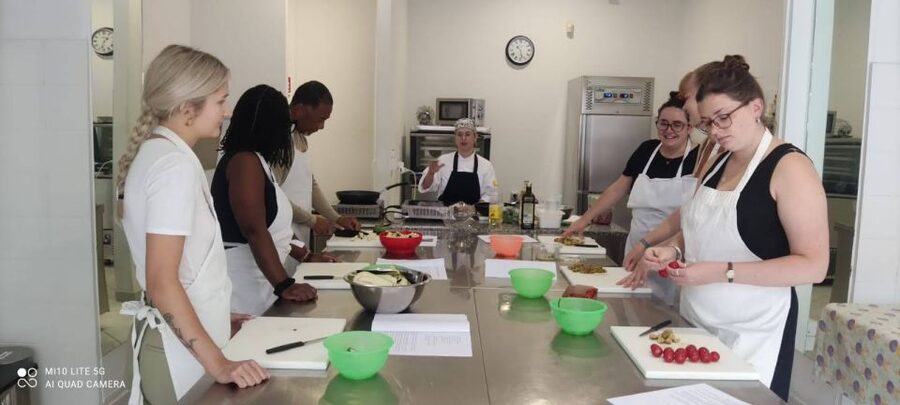
This is a small-group class, limited to 6 participants. That limit is not a minor detail. It changes how you can learn.
When the group is larger, instruction often turns into general guidance. With a smaller class, you’re more likely to get direct feedback on how you’re shaping, stuffing, or coating your arancini. One review mentioned the class had only two people, which made it feel especially personal.
You’ll also be working in a lab setting, so you get used to the rhythm of a cooking station. That’s useful even if you’re a beginner. You don’t need special culinary training, but you do benefit from paying attention while the chef demonstrates.
A recurring theme in the reviews is that the chefs are warm and clear. One instructor name that came up is Agata, and people noted her English was great and that she taught with both skill and good humor. Another review described the chef as charming and fun, which matters more than it sounds. Learning breading and shaping can get frustrating if the room’s tense. Here, the vibe is generally friendly.
Almond paste: why the second lesson changes the whole value
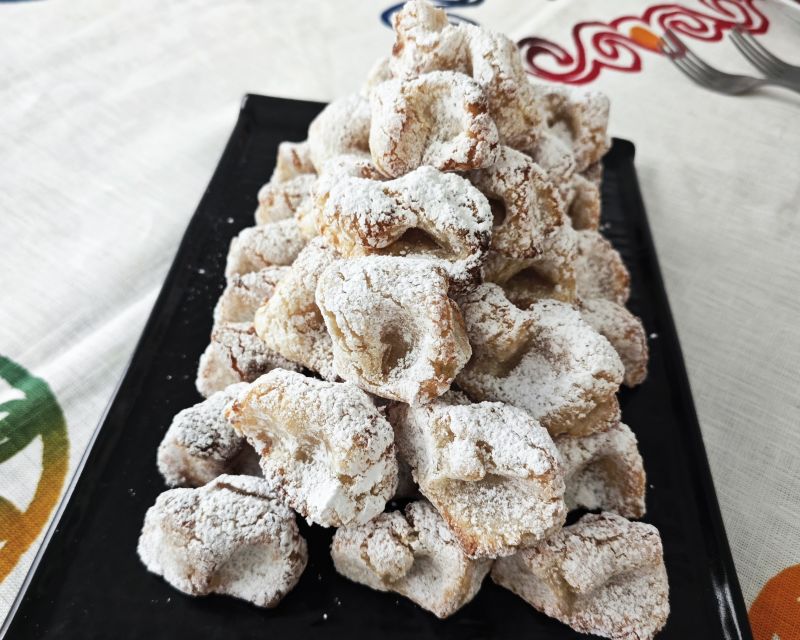
After you’ve worked through arancini, you shift to Sicilian almond paste. This part is valuable because it connects Sicily’s savory side to its sweet pastry tradition.
You learn how to make the almond paste, and the day doesn’t end when the mixing stops. You also get a tasting of the various types of almond paste at the end. That tasting component helps you understand what “good” looks and tastes like, so you can adjust at home next time.
In one review, the almond portion was described like almond cookies, which hints at the wider use of almond paste in Sicilian sweets. Even if you’re not making a full pastry afterward, the paste itself is the core technique.
If you love food that tastes intensely of almonds, this will feel like the payoff. If you’re more of a savory person, it’s still a useful skill because almond paste is a foundation ingredient, not just a one-off dessert.
What you actually eat at the end, with wine and coffee
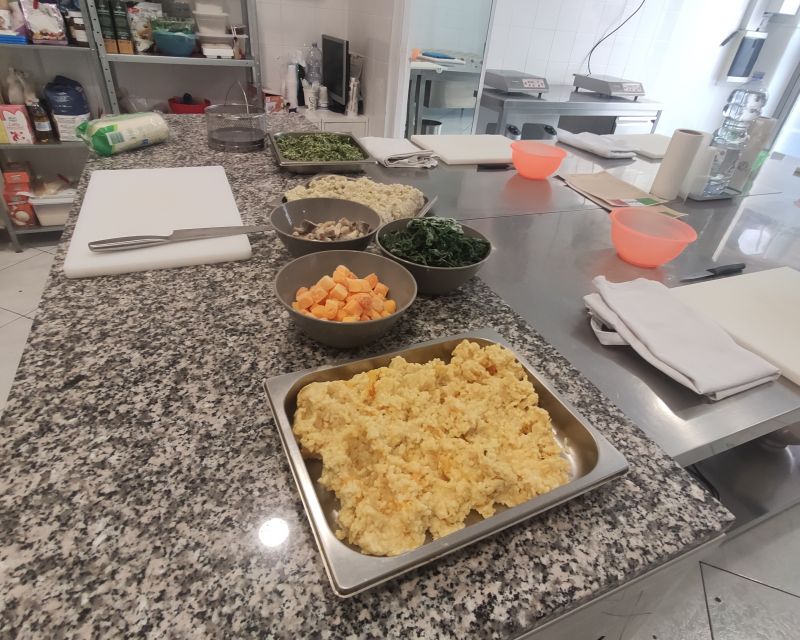
At the end of the lesson, you’ll have a tasting of the various types of arancini and almond paste you prepared. You’re also offered Sicilian-type wine, plus water and coffee.
That matters because your brain needs a comparison point. Once you’ve built arancini, you can taste the differences between versions. You can also calibrate your expectations about crispness, salt balance, and how the filling and rice cooperate.
One review specifically said they received wine with dinner, and another noted that they could share what they prepared with a couple who had a different setup for their dinner. That tells me the class atmosphere is sociable, not just a solo cooking exercise.
Also, one guest mentioned getting leftovers to take home. That’s not guaranteed in every kitchen setup, but it’s a nice bonus if your portion sizes are generous.
The recipe booklet at home: useful, but take notes anyway
You’ll get a booklet with the recipes so you can make the dishes for family and friends. That’s a big part of the value, because cooking classes lose usefulness when you leave with nothing you can repeat.
Still, here’s the honest caution. One review criticized the booklet quality and completeness, saying some pages looked like they were copied, and the rice instructions and quantities were missing or unclear. Another guest didn’t raise that issue, so your experience may be fine. But if you’re the type who needs exact steps and measurements, plan to write your own notes during the rice stage.
My practical advice: take a quick phone photo of the rice texture you’re aiming for and jot down any key ratios the chef mentions. Even a few words like “saffron scent, creamy not wet” can help later. Then you can use the booklet as a guide instead of your only source.
Who this Sicilian class fits best, and who might not love it
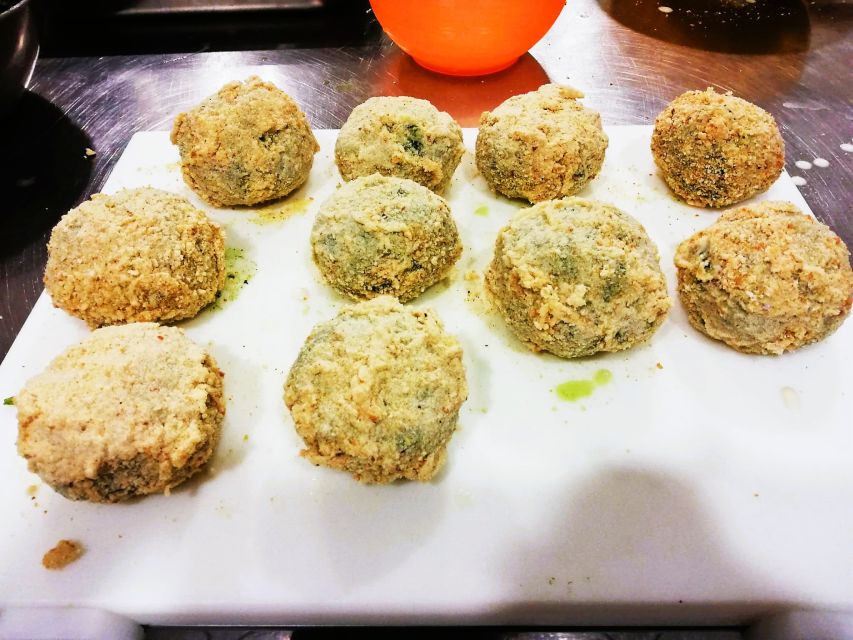
This class is a good match if you want real technique and you like cooking with your hands. If you’ve never made arancini, you’ll still be able to follow along because the method is taught in stages.
It’s also a good choice if you want an experience that feels authentically Sicilian without needing fancy equipment. Most of what you’re learning is process-based: cooking rice correctly, building a filling center, and mastering crunchy breading.
On the other hand, it may not be ideal if you need a fully documented, quantity-heavy recipe to replicate perfectly. At least one guest found the booklet lacking in rice directions and measurements. If you’re baking-focused and you expect precise weights, bring your notebook and ask clarifying questions while you’re in the kitchen.
Age-wise, it isn’t suitable for babies under 1 and it excludes children under 2, under 3, and under 4. So plan on it being an adult activity or for older kids who can handle a kitchen setting.
Price and value: what you’re paying for here
You’re not just paying for food. You’re paying for time with a professional chef, use of the kitchen lab, and structured teaching of two dishes that represent Sicily.
You get:
- instruction in building arancini from rice to breading
- instruction in Sicilian almond paste
- an end-of-class tasting with wine, water, and coffee
- a take-home booklet with recipes
- a small-group setting that usually means more attention
Even without a specific price listed here, this is the kind of class that can feel like good value when you treat it as a skills investment. You’re likely to make arancini again at home, and the almond paste skill gives you an extra reason to use what you learned.
Also, if you’re traveling in Sicily during hot weather, cooking classes can be refreshing because you’re active and social. One review mentioned it was fun on a hot Sicily day, which makes sense. You’re not just walking around sweating, you’re focused on one task at a time.
Meeting point in Catania: finding the kitchen lab
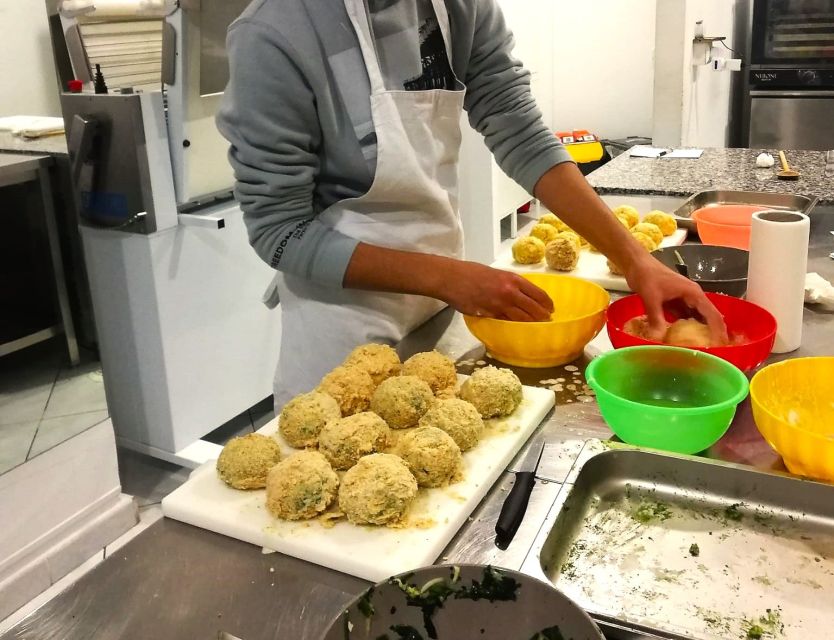
You meet at the Laboratorio di cucina, with coordinates 37.51484298706055, 15.102240562438965. Because it’s a working lab, arrive a few minutes early and look for the activity location sign or staff greeting you.
If you’re navigating on foot, the coordinate helps when streets get confusing. If you’re using a taxi or rideshare, share the coordinate with the driver so you land at the right door.
Should you book this arancini and almond paste class in Catania?
Book it if you want:
- a hands-on Catania cooking class that teaches the method, not just the story
- a small-group experience where you can get feedback
- two Sicilian specialties in one go: arancini and almond paste
- a tasting that includes wine, coffee, and water
Consider skipping or at least going in with expectations if:
- you depend on exact recipe quantities and detailed rice instructions
- you’re traveling with very young children (it’s not suitable under age guidelines listed)
If you want to leave Sicily with something more than photos, this is a strong pick. You’ll eat well during the class, and you’ll likely take home a skill you can repeat, even if you also take a few notes just in case the booklet needs help with the rice step.
Just reviewed in Catania
- Piano Provenzana: Guided Mt. Etna Snowshoeing Trek★ 5.0 · 3 reviews
- Mount Etna: Central Crater Guided Hike for Advanced Hikers★ 4.8 · 106 reviews
- Nicolosi: Mt. Etna Guided Quad Tour Adventure★ 4.2 · 6 reviews
- Nicolosi: Excursion Etna Craters at 3000 mt.★ 4.2 · 3 reviews
- Mount Etna Tour to 1900m from Taormina★ 4.9 · 11 reviews
- Mount Etna: Winery Tour and Tasting★ 4.8 · 92 reviews
- Mount Etna: Sunrise Excursion with an expert Local Guide★ 5.0 · 8 reviews
- Mount Etna & Taormina Multi-language Tour from Palermo★ 4.3 · 8 reviews
Cooking Classes in Catania, compared.
Pistachio Ravioli, Pasta Home Cooking Class w/ Wine
Read our review →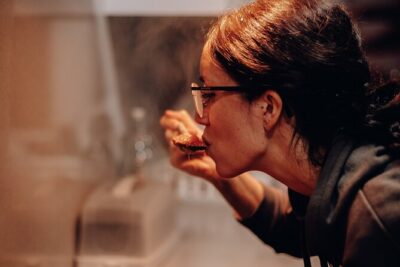
Cooking lesson in Catania with lunch or dinner
Read our review →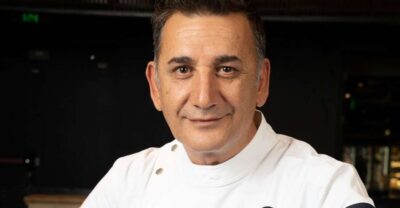
Market Tour and Cooking Class with Chef Riccardo
Read our review →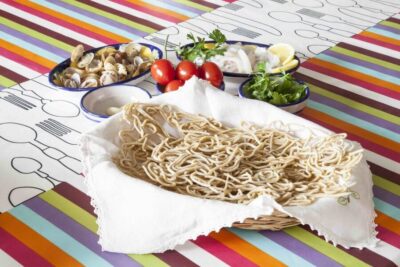
Pasta & Tiramisu Cooking Class at a Local’s Home
Read our review →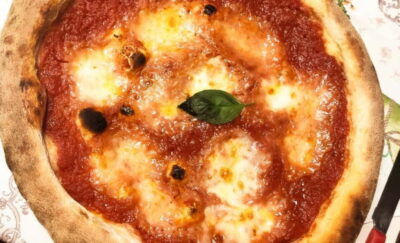
Cooking class, visit to the Catania market and light lunch
Read our review →Browse the lists this tour appears in