
Reviewed in full · ANTI-MAFIA TOURS
Corleone: Guided Tour of the C.I.D.M.A – Anti-Mafia Movement
CIDMA in Corleone is interesting because it turns the anti-mafia story into something physical you can read, see, and understand, not just a slogan on a wall. You’re in Sicily, but the focus is the long fight against the Mafia, using real documents and images. I like how CIDMA makes the past feel close, and how Corleone sets the tone right away.
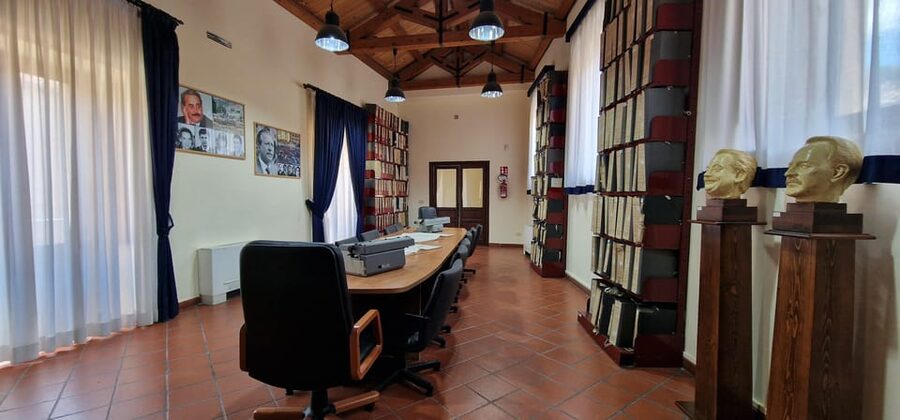
Two things I really like about the experience are the visit to the maxiprocesso folders room and the powerful photo archive featuring Letizia Battaglia and her daughter Shobha Battaglia. The guides connect what you see to what it meant for people living under Mafia pressure, not just the headlines.
One thing to consider: in a short 1-hour format, you’ll need to stay engaged, and some content is shown in its original language depending on the material and guide. If you prefer lots of extra background, be ready to ask questions or accept that this is a focused tour.
Key things you should know before you go
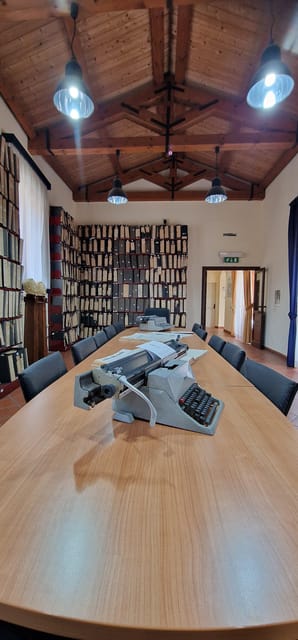
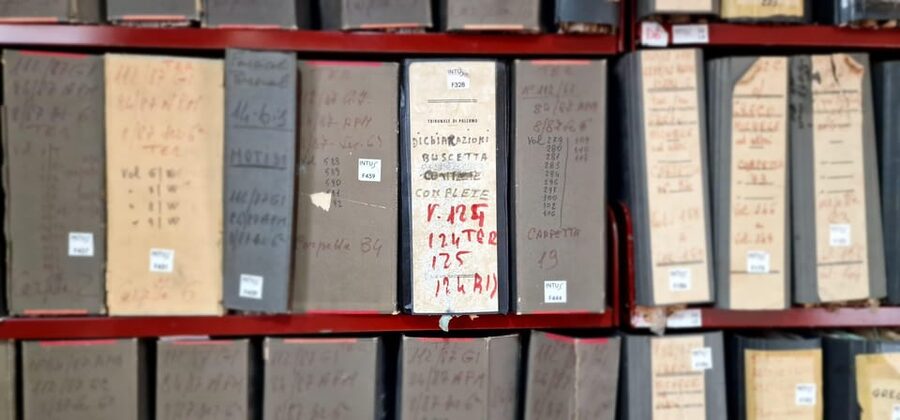
- Maxiprocesso folders room: You’ll see the trial documents stored in the famous faldoni, thousands of authentic records tied to the turning point in justice.
- Unpublished materials and testimonies: The center mixes documents, photos, and personal accounts into one guided narrative.
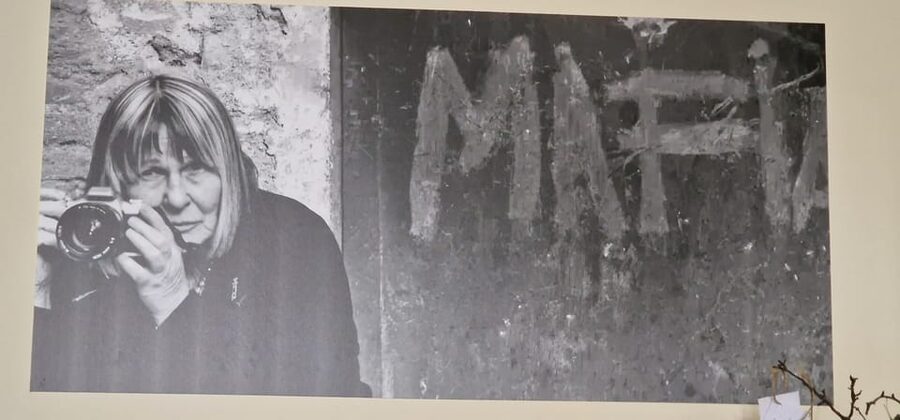
- Letizia and Shobha Battaglia photos: Photojournalism is used as evidence of daily life under Mafia influence and the strength of resistance.
- Real-world framing, not movie framing: The tour helps correct the Godfather-style image many people carry into Sicily.
- Guided and language options: Live guides are available in Italian, English, and Spanish, with some content in the original language.
- Short but structured: At 1 hour, it’s built for an efficient visit that fits into a day exploring Corleone.
CIDMA in Corleone: why this anti-mafia center feels different
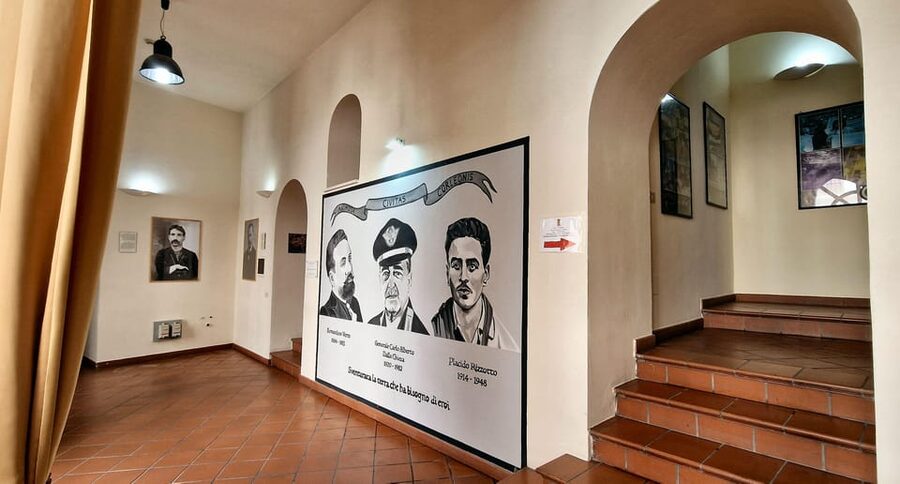
CIDMA, the International Center for Documentation on the Mafia and the Anti-Mafia Movement, is built around the idea that collective memory should be accessible and concrete. In Corleone, one of Sicily’s most emblematic cities, that matters. You’re not only learning about the Mafia in the abstract, you’re seeing the documentation and images used to fight illegality.
What I find refreshing is the way the center treats the anti-mafia struggle as an ongoing story, past and present side by side. The experience isn’t trying to scare you, it’s trying to show you. And because the tour is guided, you’re not left to interpret everything on your own.
Also, the tone is practical. This is not a museum designed for long wandering. It’s a guided visit that moves you toward specific areas of the collection, especially the trial files and the Battaglia photos.
More anti-mafia history walks in Palermo:
- Palermo: NO Mafia Walking Tour
★ 4.8 · 2,431 reviews - Palermo No Mafia walking tour: discover the Anti-mafia culture in Sicily
★ 5.0 · 1,011 reviews - Palermo: Anti-Mafia Heroes Evening Walking Tour
★ 4.6 · 172 reviews
The 1-hour guided flow: what you’ll do step by step
Your visit is short by design, lasting about 1 hour. That’s a benefit if you’re balancing multiple stops in Corleone, but it also means the guide has to keep things moving. The upside is that you get a clear path through the center without it turning into a marathon.
Here’s the basic rhythm you can expect:
First, you enter the center with your guide and get the framework for what you’re about to see. The guide explains how the CIDMA collection works, and how unpublished documents, photos, and testimonies come together to tell the fight against the Mafia. This start matters because it tells you what to pay attention to as you walk through.
Then you shift to the core feature: the documents connected to the Palermo Maxi Trial. The tour takes you toward the folders room, where the collection becomes tangible. Seeing these records in person is the point. This is where the story stops being general and turns into specifics.
After that, the tour adds the human face through photography. You’ll spend time on images by Letizia Battaglia and her daughter Shobha Battaglia. The goal is to connect the visuals to the larger picture, so you understand what those images represent in the anti-mafia narrative.
By the end, you should walk out with a clearer understanding of how people challenged illegality and what that challenge looked like on the ground. It’s a compact way to turn what can feel like a confusing topic into something coherent.
The Palermo maxi-trial folders room and the maxiprocesso turning point
One of the strongest parts of the experience is the room devoted to the maxiprocesso, described as the largest trial against the Mafia ever held in Italy. You’ll specifically encounter the folders, called faldoni, which store thousands of authentic documents. This is the kind of detail that makes the history feel real, because you’re looking at records, not just summaries.
What I like about this stop is that it changes your perspective from drama to evidence. It’s easy for people to think of the Mafia through film tropes, big speeches, and stereotypes. A good guided presentation keeps things grounded. The experience can correct the Godfather movie image in a way that feels educational, not preachy.
A practical tip: when you see document-based exhibits, slow down for a minute and look for what the guide points out. Even if you can’t read everything in the moment, you’ll start to recognize the logic behind what you’re being shown. That’s what makes the trial files more than an impressive collection.
Also, the folders room is described as a fundamental turning point in the fight for justice. The guide helps you understand why. When you hear the story tied to the documents, it becomes clear that the files represent courage as much as they represent legal action.
Battaglia photos: why Letizia and Shobha make the story land
Another highlight is the photo section featuring Letizia Battaglia and her daughter Shobha Battaglia. This is where the tour shifts from legal history to everyday reality. The photos capture the drama of life in Sicily under the shadow of the Mafia, and they also show the faces of people shaped by that pressure.
The strongest learning outcome here is not the photography itself, but what the images help you understand. With a guide explaining the connections, you see how the photographs fit into the wider anti-mafia movement. That turns a visual gallery into a story you can follow.
I also appreciate the generational angle. Having both Letizia and Shobha Battaglia involved brings a sense of continuity. The tour isn’t only about a single era, it’s about how the anti-mafia fight and its documentation have meaning beyond one moment in time.
If you prefer tours where every photo is explained thoroughly, keep in mind that this is still a 1-hour visit. One review noted wanting a bit more explanation about the photos and extra history. So if that’s your style, come with curiosity and be ready to ask the guide for clarifications while you’re there.
Other Palermo options side by side
- Palermo: Hop-on Hop-off Bus Tour 24-hour Ticket
★ 3.9 · 2,410 reviews - Palermo Original Street Food Walking Tour by Streaty
★ 5.0 · 2,105 reviews - Segesta, Erice and Salt Pans Full-Day Excursion from Palermo
★ 4.2 · 1,791 reviews - Palermo: Teatro Massimo Opera House Guided Tour
★ 4.5 · 1,573 reviews
Getting the most from your guide in Italian, English, or Spanish
You’ll have a live guide, and tours are available in Italian, English, and Spanish. That matters because CIDMA is a documentation center, and meaning comes from interpretation. A good guide helps you connect the folders, photos, and testimonies into a single narrative.
From the way guides are described, the best sessions aim to be thorough without overwhelming you with facts. That balance is important in a topic like this. You want enough detail to understand what you’re seeing, but not so much that you tune out or lose the thread.
There’s also a language reality to accept: some content is shown in its original language. If you’re touring in a language you know well, you’ll still want to watch how the guide translates the key points. And if you struggle with Italian, English, or Spanish is still likely to help, but you may encounter some original-language text on display.
Practical move: if you’re on an emotional topic like this, don’t rush the first minutes. Let the guide frame the story, then everything else clicks faster.
Price and value: is $11 worth 1 hour at CIDMA?
At around $11 per person, this is one of those deals that makes you wonder why more people don’t schedule it automatically. You’re paying for entrance plus a live guide, and you’re getting access to specific, high-impact parts of the collection, especially the trial folders and the Battaglia photos.
You also get value from time efficiency. One hour is enough to give you a meaningful introduction to CIDMA’s message, without eating your whole day. In a place like Corleone, that matters because you might want to pair this with other stops.
The only value trade-off is depth. This is not a multi-hour session. If you want a long, heavily detailed lecture on every element, you may wish for more time. Still, for many people, the structure is the point. You leave with a clear overview and a strong set of images and documents in your head.
If you’re visiting on a day packed with sights, I’d treat CIDMA as a high-value anchor stop. It adds emotional and historical context in a way other attractions usually cannot.
Where it is in Corleone and how to plan your arrival
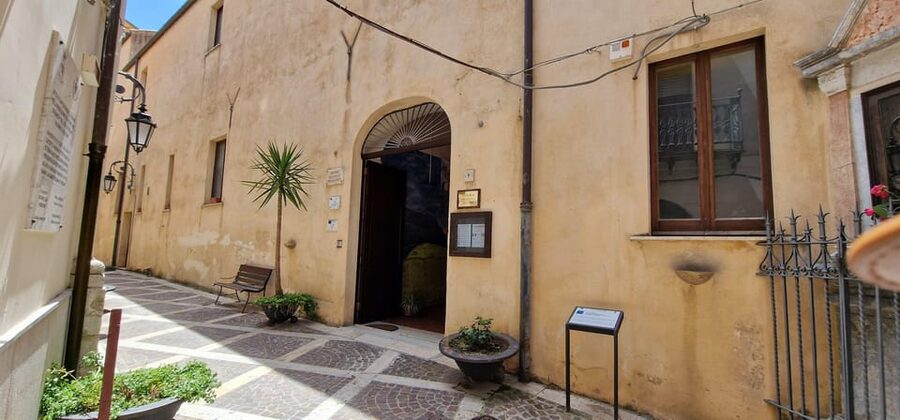
The meeting point is at the Center near Piazza Giuseppe Garibaldi, at 7 G. Valenti Street, Corleone. That’s helpful because Piazza Giuseppe Garibaldi is a recognizable landmark, and it keeps you from wandering through side streets while you try to find your timing.
Plan to arrive a few minutes early so you’re settled before the tour begins. Since the duration is 1 hour and starting times depend on availability, being late can cut into the experience you paid for.
Good idea for your day: schedule CIDMA when you can give it full attention. It’s not a stop to multitask. The center asks you to think about the anti-mafia movement and what it cost people.
Who should book this CIDMA tour, and who might prefer something else
This tour is a good fit if you care about history and culture, but also if you want to understand how history shows up in real evidence. The focus on documentation, testimonies, and photojournalism makes it more grounded than a general overview.
It’s also a good choice if you’re coming with movie-influenced assumptions. The experience is described as disabusing people of the Mafia image shaped by the Godfather films. That correction can be a huge part of why you should go.
You might think twice if you need a lot of background and extra context on your first visit. The short length and the compact route mean you may want additional sources before or after. And if you’re sensitive to heavy topics, take care of your own pace, because the subject matter is serious.
For wheelchair access, the center is described as wheelchair accessible, which is a big practical plus for planning.
Should you book the Corleone CIDMA guided tour?
I’d book it if you want a short, focused way to understand the anti-mafia struggle through real documents and photography. The maxiprocesso folders room and the Battaglia photo archive are not just “interesting exhibits,” they are the tour’s backbone, turning the story into evidence you can actually see.
If you’re the kind of traveler who likes guided context more than self-guided browsing, this works well, especially with live guides in Italian, English, and Spanish. At about $11 with entrance included, it’s also a smart value compared to many paid museum experiences.
If you crave lots of extra history and deep explanations for every photo, you may wish you had more time. Still, you can make it better by going with questions and staying present during the 1-hour route.
FAQ
Where is the meeting point for the CIDMA guided tour in Corleone?
The center is located near Piazza Giuseppe Garibaldi, at 7 G. Valenti Street, Corleone.
How long is the guided tour?
The tour duration is 1 hour. Starting times depend on availability.
What languages are available for the live guide?
Guided tours are available in Italian, English, and Spanish.
Is the attraction wheelchair accessible?
Yes, the tour is wheelchair accessible.
What is included in the ticket price?
The entrance to the center with a guide included is included.
Is free cancellation available, and is there a pay later option?
There is free cancellation up to 24 hours in advance for a full refund, and you can reserve now and pay later.
Just reviewed in Palermo
- a PRIVATE ride of Favorita Park and Mondello★ 5.0 · 5 reviews
- Relax in Mondello and Sanctuary in Monte Pellegrino★ 4.4 · 70 reviews
- Palermo to Siracusa: stop al Valley of Temples & Roman Villa★ 5.0 · 5 reviews
- Private tour: Segesta, Salt Pans & Erice★ 3.8 · 4 reviews
- Private Monreale Cathedral and Cloister, Ceramic Lab tour★ 5.0 · 5 reviews
- PHOTOSHOOT IN PALERMO★ 5.0 · 15 reviews
- Private Photographer Shooting + Sightseeing & Tasting Tour★ 4.8 · 4 reviews
- Palermo: Vintage Fiat 500 Sightseeing Tour★ 5.0 · 132 reviews
Anti-Mafia Tours, compared.
Palermo No Mafia walking tour: discover the Anti-mafia culture in Sicily
Read our review →
Anti-Mafia Heroes (Cool Hours) Morning Walking Tour
Read our review →Browse the lists this tour appears in