
Reviewed in full · MOUNT ETNA TOURS
Etna: Craters of the 2002 Eruption Trekking Experience
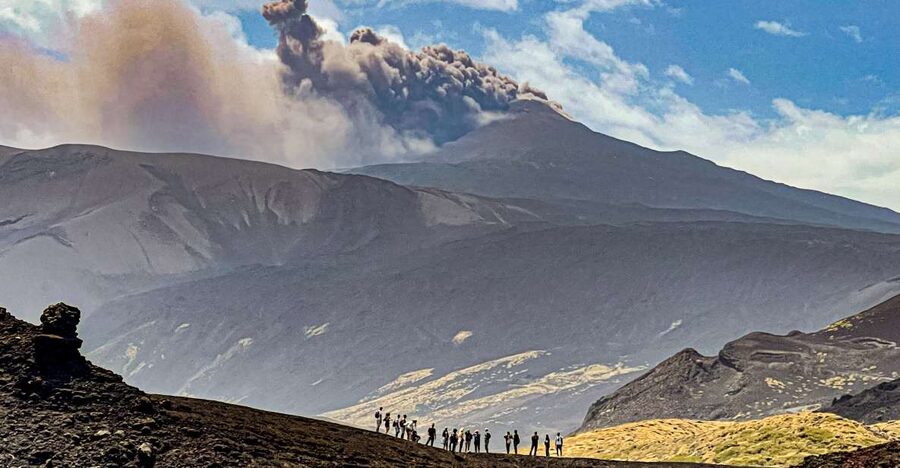
This trek on the north side of Mount Etna is interesting because you walk right through the visible aftermath of the 2002 eruption, from forest to craters. You’ll see what a flank eruption can carve into the earth, including fractures and the crater theater left behind. It’s geology you can walk on, not just read about.
What I like most is the mix of up-close volcanic features with a guide who can explain them in plain language. I also love that the route tends to feel calmer and more intimate than the biggest Etna crowds. One thing to consider is that you’re walking near crater edges, so if you’re prone to dizziness or you fear heights, this may not feel comfortable.
Key Highlights You’ll Notice Fast
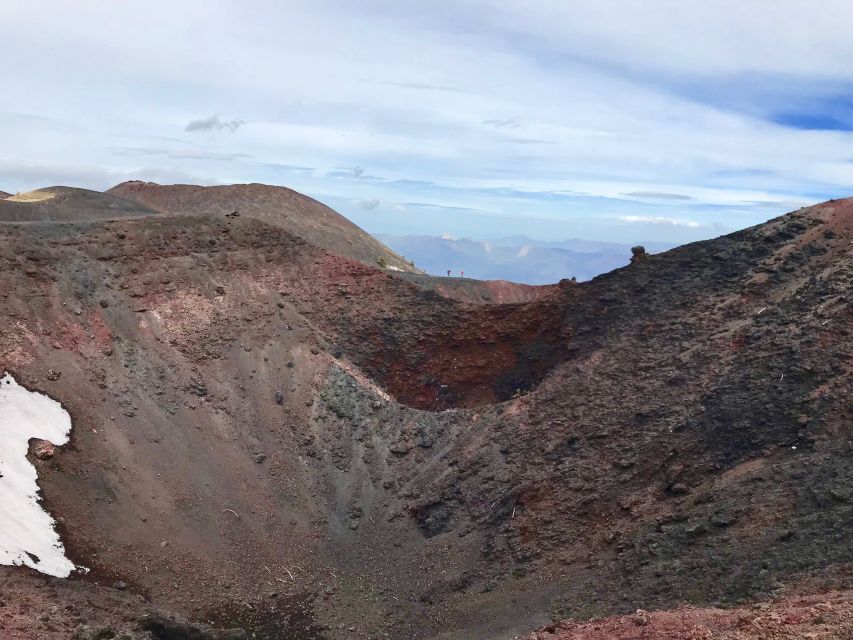
- The 2002 eruption proof on the ground, including the crater features tied to Piano Provenzana
- Lava streams, eruptive fractures, and cinder cone features you can study step by step
- Epic views over the eruptive theater and out toward the Calabrian Coast
- Hornitos (small oven-style volcanic vents) and other north-side eruption morphologies
- A guided route away from big groups, built around science and safe pacing
Why Etna’s North Side and the 2002 Craters Matter
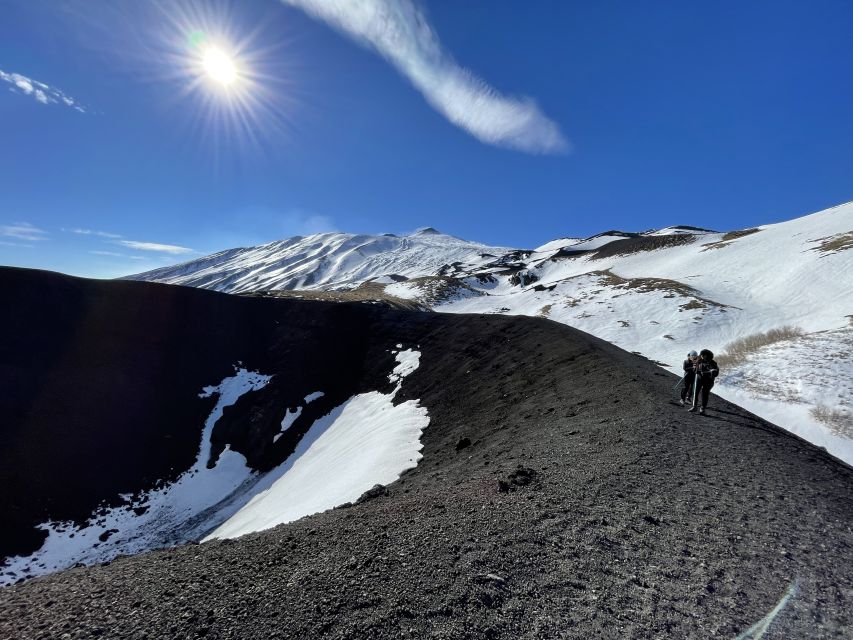
Etna is active in a way that’s hard to explain until you’re standing on the ground it changed. This trek focuses on the products of the 2002 eruption, especially the damage around Piano Provenzana and what the volcano built afterward. You’ll be moving through a real sequence of volcanic leftovers, not a single neat viewpoint.
What’s especially good about the north side is variety. You go from forest walking to rougher volcanic terrain, then up toward crater areas. The tour is designed so you can connect the landscape changes to how Etna erupts along its flanks.
The big payoff for me is perspective. When you see lava streams and eruptive fractures in person, you understand why the volcano can reshape nearby communities and terrain over time. You get to feel how violent processes can still leave features that look almost deliberate.
More ways up Etna from Mount Etna:
- Catania: Mount Etna Morning or Sunset Day Trip with Tasting
★ 4.8 · 4,028 reviews - Mount Etna: Guided Volcano Summit Hiking Tour with Cable Car
★ 4.7 · 3,784 reviews - Catania: Sunset Jeep Tour of Mount Etna and Lava Flow Caves
★ 4.8 · 2,113 reviews
Meeting at Chiosco Bar Mareneve, Not the Other Etna Bar
Logistics matter on Etna, because you’re starting from a specific parking area and following a guide to the trail. Your meeting point is at Chiosco Bar Mareneve, not Chiosco Bar Etna Nord, which is in the lower parking lot. Look for the chairlift used by skiers in winter, then find the second house among the four in the parking area.
It ends back at the same meeting point, so you won’t need to plan a separate pickup. This is a good setup if you’re staying nearby in the Linguaglossa area or planning a half-day around Etna.
One small but important detail: there’s a 3 euro parking ticket, paid after the excursion. If you’re budgeting tightly, it helps to know that extra cost is coming.
The 3-Hour Trek Route, From Piano Provenzana Up to the Summit Craters
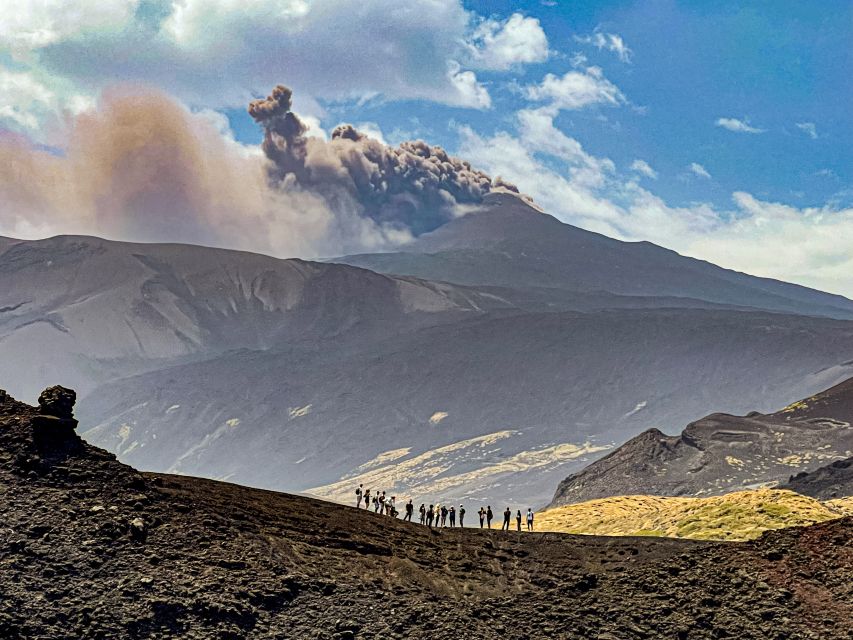
The heart of the experience is a guided trek that starts along a dirt road. You’ll begin from the route area connected to Piano Provenzana, then move toward the summit craters. Along the way, the guide stops to explain what you’re looking at, so you’re not just walking and hoping you guessed the geology right.
The trek also includes a sense of progression. Early on you’re orienting yourself, then you reach volcanic features that are easier to “read” once you’ve learned the basic terms. Near the top, you’re dealing with crater edges and a view that puts Etna in a bigger context.
Although the listed duration is 3 hours, the real walking time depends on pace and conditions. The guides can also vary the route or interrupt the hike if environmental, climatic, or volcanic conditions change. On Etna, flexibility isn’t a bonus, it’s part of the deal.
Forest to Lava Streams, With a Stop at the Hotel dell Betulle Ruins
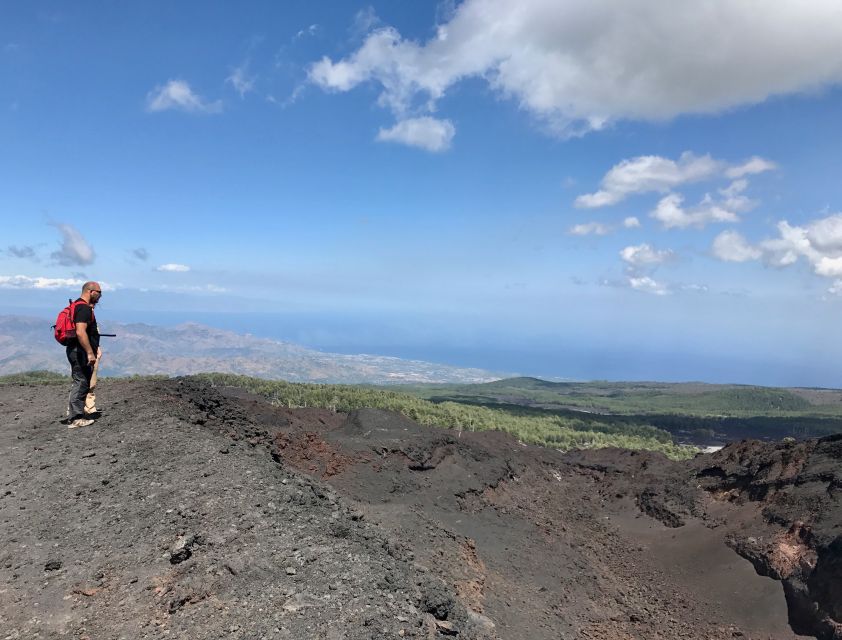
One of the most memorable parts is the switch from greenery to the hard evidence of eruption. You’ll walk through forest sections, then see lava streams and signs of eruptive activity as you move along the route. It’s one of those sequences where your brain keeps adjusting to what you’re standing on.
A key stop is at the ruins of the Hotel dell Betulle. This is described as the only visible structure left from the 2002 lava flow. It gives the walk a human scale, because you’re not only tracking rock and heat, you’re seeing what survived, what didn’t, and how the eruption erased an established site.
If you like photos, this is a strong segment for images. You’re looking at rock features and also at a recognizable “before-and-after” anchor point. The guide will point out the volcanic morphologies along the way, which makes the stops more than just scenic pauses.
More walks and climbs near Mount Etna:
- Mount Etna: Trek to 3000m with cable car and jeep
★ 4.7 · 1,978 reviews - Etna Volcano: South Side Guided Summit Hike
★ 4.7 · 1,545 reviews - Catania: Mount Etna Trekking Trip off the Tourist Path
★ 4.9 · 1,351 reviews - From Taormina: Etna Tour with Hiking, Cave Visit, & Tastings
★ 4.7 · 518 reviews
Eruptive Fractures, North-Side Morphologies, and Why Hornitos Get Special Attention
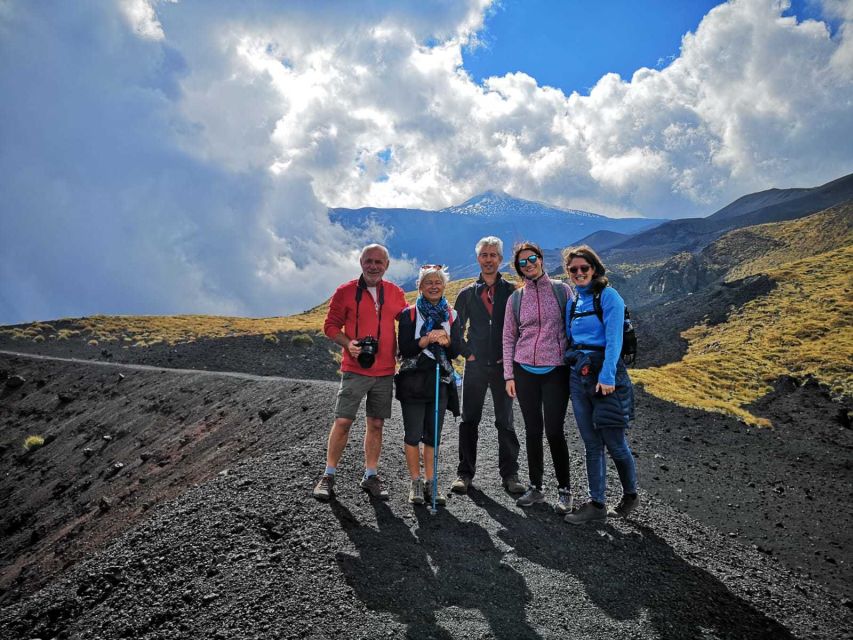
As you continue, the route is built around studying volcanic forms left by eruptions over time on Etna’s north side. You’ll focus especially on flank eruptions, because that’s where the evidence is said to be strongest in this area.
The tour highlights several volcanic morphologies, including eruptive fractures. These fractures matter because they show how magma and gas moved through the volcano in a way that created paths and weaknesses in the rock. When you can see them clearly, the eruption starts to make sense as a process instead of a one-time event.
Then you’ll encounter Hornitos, a term explained as small ovens. These structures are linked to cinder cone activity, and you’ll go up along the cinder cones as the hike continues. Even if you’re not a geology person, the hornitos are usually the kind of feature you can recognize after your guide labels them.
One more useful context: the tour notes that the last flank eruption in this area threatened the city of Linguaglossa. That’s not just trivia. It ties the walk to why this particular part of Etna’s north side has been studied and monitored.
The Summit Crater Edge View, Then the Return Down the Sandy Channel
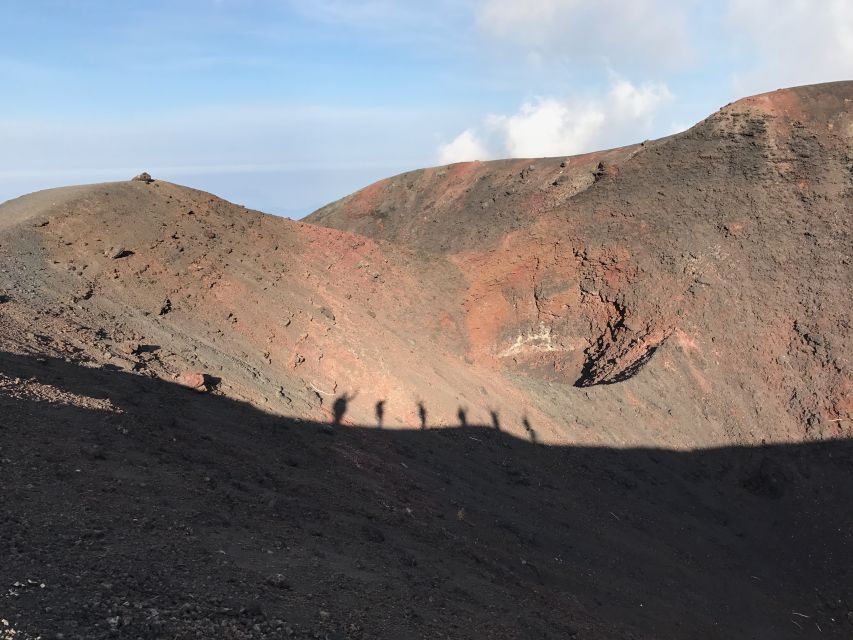
At the top, you look over the edge of the craters. This is where the tour’s “eruptive theater” view comes into play, including sightlines toward the Calabrian Coast. It’s the kind of view that makes you understand why people describe Etna as dramatic, even when it’s not erupting right then.
You should know that the route includes ascent and walking along crater edges. That can cause dizziness for some people, especially if you’re sensitive to heights. If you’re the type who gets lightheaded on balconies or viewpoints, take that warning seriously.
After the summit segment, you head back down inside a sandy channel. The return is part of the storytelling of the route, because it shows how you can come down from crater areas through softer material. You’ll finish back at the meeting point, still with the guide’s explanations fresh in your mind.
What $41 Really Covers, and the Extras That Can Add Up
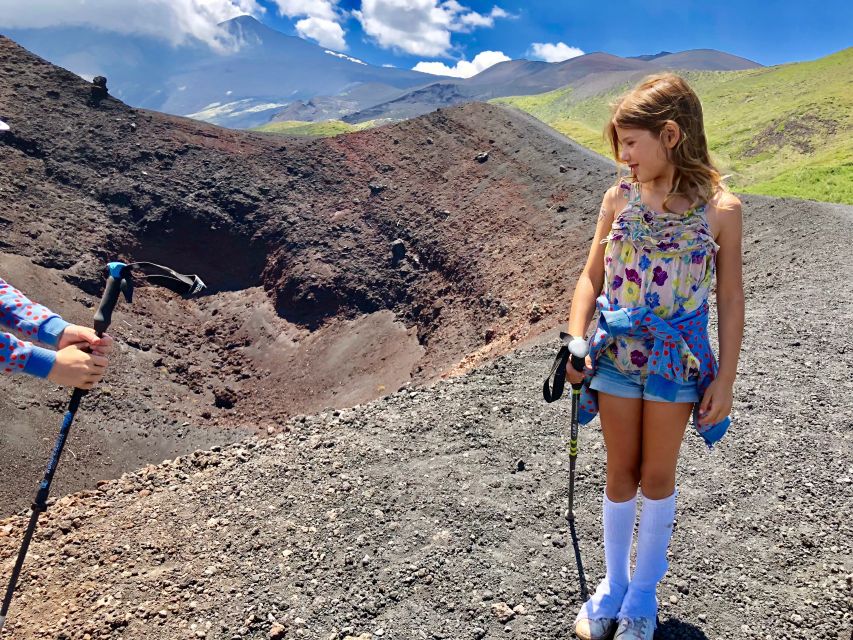
At $41.00 per person, you’re paying for a short guided experience with two core inclusions: an official volcano guide and insurance in case of accidents. For a 3-hour activity focused on a major natural site, that’s usually solid value.
But it’s not an “all-in” hiking kit. You do not get transport from your accommodation, and several trail items are not included. Trekking sticks are not included, and you’ll also want to budget for water and snacks, because those are not provided.
Also plan for footwear costs. Trekking shoes can be rented on site at authorized rentals for €5 per pair. The rules are clear that without adequate shoes, you are not covered by insurance. So don’t treat shoe rental like an optional upgrade.
Other small costs can show up depending on season and your needs. Parking is €3 for the whole day, paid after the excursion. In winter months (December, January, February, March), snowshoes can be rented on site for €12 per person. Windbreaker, gloves, and hats are also not included, and those matter most in winter, spring, and autumn.
Gear and Safety: The Volcano Soil Is Not Cuddly
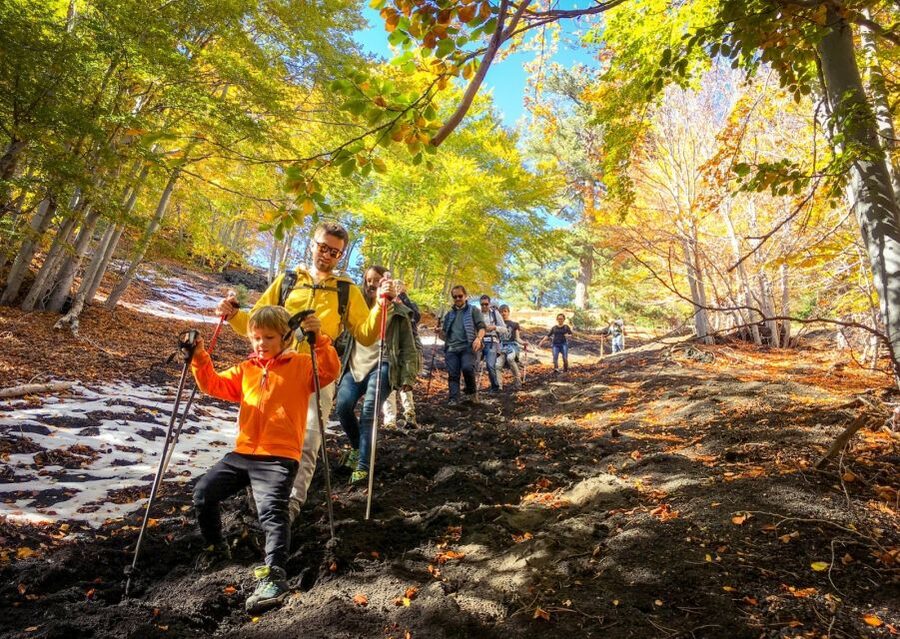
This trek is reserved for hikers with medium training. That means you should be comfortable with uphill walking and uneven ground, not just casual strolls. The tour also warns that volcanic soil can often be inconsistent and unstable, so footing matters.
The guide-led pace is part of the safety. Still, you should walk deliberately, especially in areas near crater edges. If you’re carrying a heavy backpack, you might feel more tired than you expect, since the terrain isn’t uniform.
Bring the basics listed for the hike:
- windbreaker
- sunglasses and sunscreen
- water plus snacks
- hiking shoes and comfortable clothes
- a daypack and a jacket
Avoid items that can increase risk or slow you down. High-heeled shoes, sandals, flip flops, slippers, skirts, baby strollers, and large bags are not allowed.
If you’re worried about the “what if” moment, focus on the shoe rule. Without adequate shoes you are not covered by insurance, which is a practical reason to rent or wear the right footwear.
Who This Trek Fits Best (And Who Should Skip It)
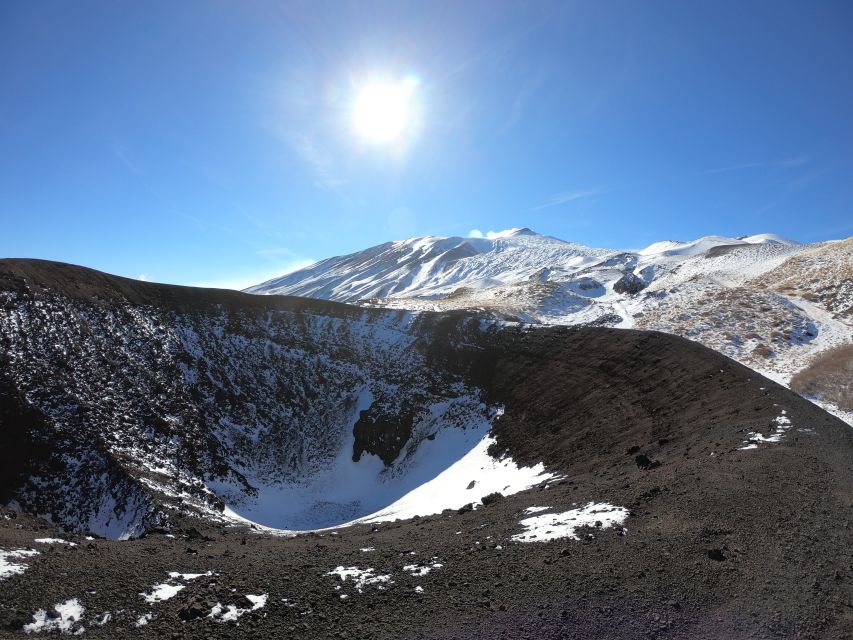
This is a good match if you want an educational, guided hike and you can handle a moderate physical effort. The route includes ascent, crater-edge walking, and time spent studying volcanic features, so you should be okay with sustained walking for about three hours.
It’s not recommended if you do not participate in regular physical activity. And it’s not suitable for several categories listed clearly:
- children under 6
- pregnant women
- people with back problems
- mobility impairments
- heart problems
- people afraid of heights
- people with vertigo
- people with respiratory issues
- people with epilepsy
If you’re unsure where you fit, think about how you handle uneven ground and heights. Even a short crater-edge segment can be enough to trigger dizziness for susceptible people.
Guides Make the Science Stick, Especially Daniele, Vincenzo, Davide, and Niko
The biggest strength of this experience is how the guide turns volcanic features into something you can actually understand. Multiple guides are praised for being fun, informative, and well prepared. People name guides like Daniele, Davide, Vincenzo, and Niko, and the common theme is clarity with a sense of humor.
A few specific examples from the guides’ approach show up again and again. Daniele and Vincenzo are noted for being knowledgeable and for combining science with jokes. Other comments highlight that guides felt well equipped and that people felt safe with their lead.
Language is also part of the value here. The tour offers live guidance in Italian, French, and English, so you’re not stuck with hand gestures while someone points at a fracture and hopes for the best.
One practical bonus: if you forget something like a jacket, guides have been reported as helpful with spare gear. That kind of flexibility can save your hike from becoming a cold, uncomfortable slog.
Should You Book This Etna Craters Trek?
I think you should book this if you want a structured, guided way to see the 2002 eruption legacy on Etna’s north side, with strong views over the eruptive theater and toward the Calabrian Coast. It’s also a smart choice if you prefer fewer crowds and you like stopping often to learn what you’re looking at.
You should skip it if crater edges would stress you out, if you have conditions listed as not recommended, or if you know you struggle with uneven terrain and dizziness. Also, don’t treat shoes as optional. The insurance coverage depends on having adequate footwear, and the volcanic ground can be unpredictable.
If you’re a medium-fit hiker who enjoys learning while walking, this is one of those Etna experiences that feels both dramatic and grounded. You leave with a mental map of how Etna’s eruptions can reshape an area, and you’ve seen the evidence with your own eyes.
FAQ
How long is the Etna craters trekking experience?
The trek lasts 3 hours.
Where do I meet my tour group?
Meet at Chiosco Bar Mareneve, not Chiosco Bar Etna Nord. It is in the parking area near the chairlift used by skiers in winter, and it is the second house of four present in the lot.
What is included in the price?
The price includes an official volcano guide and insurance in case of accidents.
What should I bring for the hike?
Bring a windbreaker, sunglasses, snacks, hiking shoes, sunscreen, water, a jacket, comfortable clothes, weather-appropriate clothing, and a daypack.
Are trekking sticks included?
No, trekking sticks are not included.
How much is parking?
Parking costs 3 euros for the whole day and is paid after the excursion.
Can I rent shoes on site?
Yes. Trekking shoes can be rented on the spot at authorized rentals for 5 euros per pair.
Is the tour available for kids?
It is not suitable for children under 6 years old.
Who should avoid this trekking tour?
It is not recommended for pregnant women, people with back problems, mobility impairments, heart problems, vertigo, respiratory issues, epilepsy, or anyone afraid of heights. It is also reserved for hikers with medium training.
Just reviewed in Mount Etna
- Piano Provenzana: Guided Mt. Etna Snowshoeing Trek★ 5.0 · 3 reviews
- Palermo/Cefalù: Mount Etna and Taormina Day Trip★ 4.5 · 12 reviews
- Old Sicily and Etna wine tasting tour from Taormina★ 4.3 · 22 reviews
- Mount Etna: Central Crater Guided Hike for Advanced Hikers★ 4.8 · 106 reviews
- Etna Southern Slope Guided Easy Trek★ 4.8 · 36 reviews
- Nicolosi: Mt. Etna Guided Quad Tour Adventure★ 4.2 · 6 reviews
- Nicolosi: Excursion Etna Craters at 3000 mt.★ 4.2 · 3 reviews
- Mount Etna Tour to 1900m from Taormina★ 4.9 · 11 reviews
Mount Etna Tours, compared.
Mount Etna Morning or Sunset Day Trip with Tasting
Read our review →
Mount Etna: Guided Volcano Summit Hiking Tour with Cable Car
Read our review →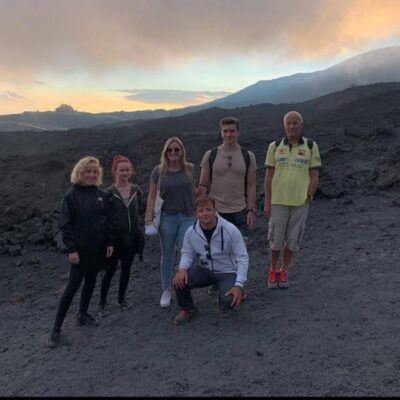
Sunset Jeep Tour of Mount Etna and Lava Flow Caves
Read our review →
Mount Etna: Trek to 3000m with cable car and jeep
Read our review →
Etna and Alcantara Gorges Full-Day Tour with Lunch
Read our review →
Mount Etna: Roundtrip Cable Car and 4×4 Bus Ticket
Read our review →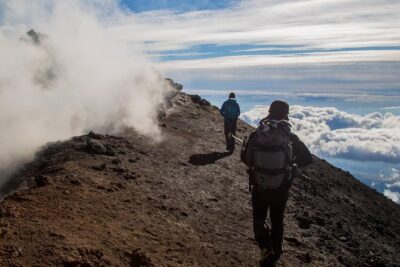
Mount Etna Trekking Trip off the Tourist Path
Read our review →Browse the lists this tour appears in