
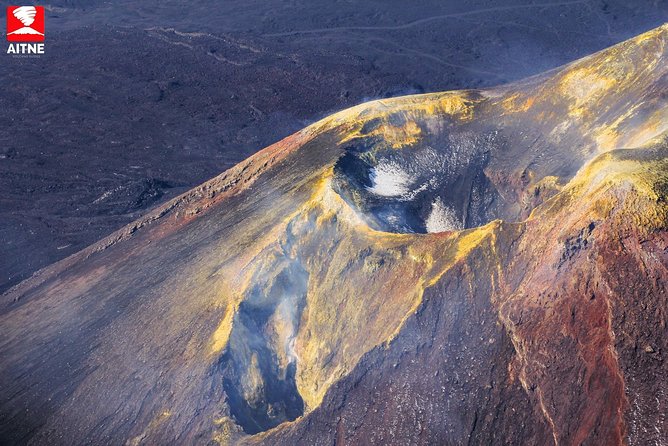
Reviewed in full · ETNA SUMMIT & CABLE CAR TOURS
Etna Summit Craters
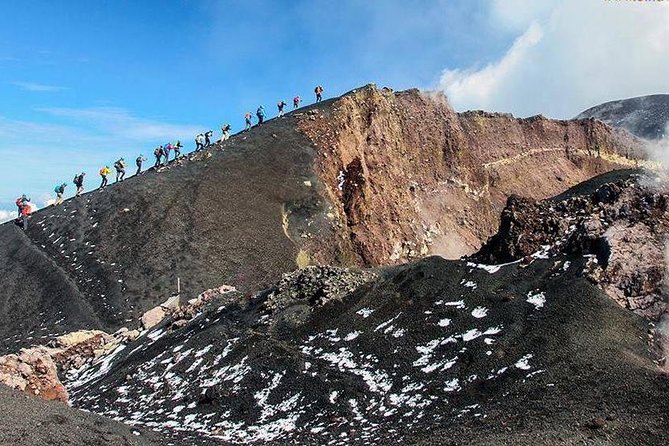
Etna Summit Craters is interesting because it pairs a quick cable car ride with a real trek across active-looking terrain on Etna Volcano, then finishes with big views over Valle del Bove. It is not a “stand and stare” day. You move, you walk, and you get close to what makes Etna so dramatic.
I love how the hike takes you across actual lava routes, including a lava flow cave tied to the 2003 eruption. I also love the payoff at altitude, when you get wide, show-your-map Valle del Bove panoramas explained by your volcanological guide, like Tony, who keeps the science clear and fun.
One possible drawback is that the cable car ticket is not included in the tour price, so your total cost will be higher once you add it in. Also, this is exposed volcanic ground, so you need solid shoes, good health, and the willingness to hike on sandy or rocky terrain.
Key highlights at a glance
- Summit craters access from Rifugio Sapienza, with a morning start at 9:00 am
- Cable car up to 2500 m, so the hike begins higher and feels more dramatic
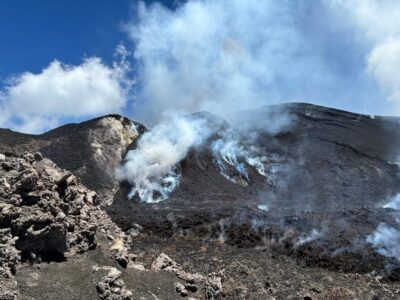
- Lava flows, lava caves, and old eruptive centers, including a cave linked to the 2003 eruption
- Hot points spotting, with explanations from volcanological guides
- Valle del Bove viewpoints that make the effort feel worth it
Why the Etna summit craters hike feels different
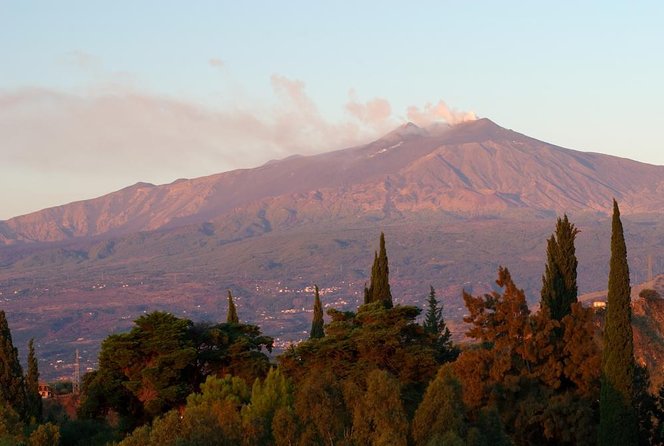
On Etna, “seeing the volcano” can mean everything from a roadside viewpoint to a full-day walk on the mountain itself. This hike is built for the closer option. You start at Rifugio Sapienza on the southern slope, then use the cable car to reach higher ground before you begin trekking.
That structure matters. If you start low and walk up for hours, the day becomes about logistics and stamina. Here, you spend more time where the geology is doing the talking, from lava textures underfoot to the wider volcanic basin called Valle del Bove.
What makes the experience stand out is the combination of hiking and guided interpretation. You are not just walking through dramatic scenery. You are learning how to read what you are seeing, from lava flows to extinguished eruptive centers and the “hot point” areas your guide helps you understand.
More Mount Etna Tours in Catania
- Mount Etna: Trek to 3000m with cable car and jeep
★ 4.7 · 1,978 reviews - Mount Etna: Roundtrip Cable Car and 4×4 Bus Ticket
★ 4.3 · 1,602 reviews - Etna excursion to 3000 mt. with cable-car and jeep 4×4
★ 4.6 · 550 reviews
Rifugio Sapienza at 9:00 am, and why the meeting point sets the tone
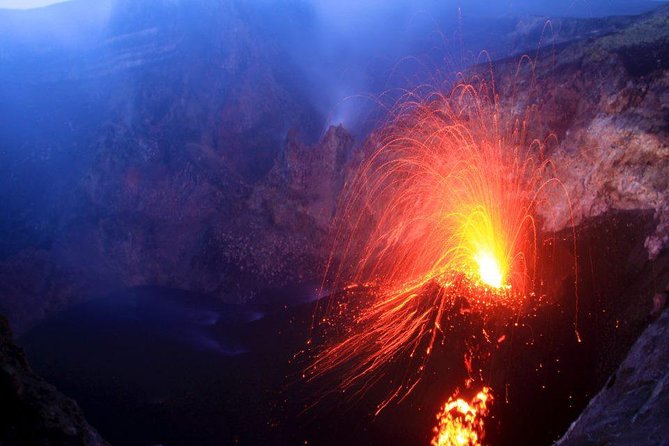
The day begins at the square of Rifugio Sapienza, right in front of the refuge entrance, on Etna’s southern slope in Nicolosi Nord. The meeting time is 9:00 am, and a guide’s contact is sent to you via WhatsApp with the exact meeting place.
Starting at Sapienza is practical for two reasons. First, you do not burn time crossing the mountain just to begin. Second, you begin at about 1900 m altitude, which helps you settle in before the cable car takes you higher.
You will also meet your volcanological guide there, waiting with the group. From the tone of the experience, guides are a big deal on this hike, and it shows in how Tony and other guides are described as experienced and passionate, turning the day into more than just photos.
Cable car to 2500 m, then the trek over lava flows and the 2003 cave
Once everyone is together, you walk directly to the entrance of the Etna Cable Car, which takes you from about 1900 m to 2500 m. This is where the trekking part starts, and it is a smart way to compress the most intense portion of Etna into a half-day.
The hike itself is about 5 to 6 hours total, and it is paced around walking time plus stops for interpretation and safety. You will cross lava flows that you can literally step over, which makes Etna feel immediate, not distant.
One of the most memorable moments is the mention of a lava flow cave linked to the 2003 eruption. It is the kind of stop that changes how you think about a volcano. Instead of only picturing eruptions as fire and smoke, you start seeing how lava moves, cools, and leaves behind tunnels and cavities.
Along the way, you also pass old eruptive centers that are now extinguished. That contrast helps you understand the volcano as a system that evolves, not a single event frozen in time.
Hot points and extinct vents, with a guide who teaches you how to look
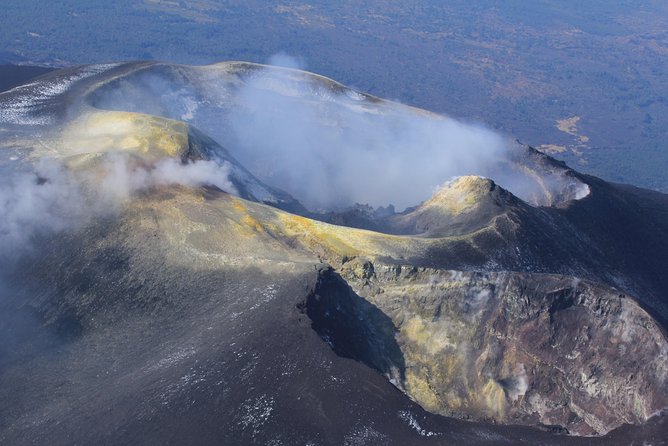
A key part of this hike is spotting the so-called hot points. The trail is not just about reaching the summit area, it is about seeing where heat and volcanic activity used to be, and learning what features to pay attention to.
This is where having a volcanological guide really changes the experience. Without guidance, volcanic terrain can feel like “cool rock stuff.” With guidance, you start noticing patterns, textures, and terrain changes that connect to real volcanic activity.
You also get explanations that make the route feel coherent. Even when you are crossing areas that look chaotic from a distance, your guide helps you place what you are seeing into the broader story of Etna’s eruptions and how lava fields build.
Expect your guide to keep the pace and safety in mind. The tour can also be modified or even interrupted if weather or environmental conditions change and group safety could be compromised. On a volcano, that flexibility is not a downside, it is part of traveling responsibly.
More summit and cable-car trips on Etna:
- Mount Etna: Summit Tour by Jeep and Cable Car
★ 4.5 · 32 reviews - Mount Etna: Central Crater Tour with cable car and jeep
★ 4.6 · 18 reviews - Etna Summit Craters
★ 4.8 · 15 reviews - Catania, Etna trekking with guide and cable car at 3000 meters + transfer available
★ 4.9 · 14 reviews
Valle del Bove viewpoints: the payoff at altitude
The hike ends at about 2500 m, and the big visual payoff comes as you work your way through the summit crater area and surrounding terrain. The highlight is the panorama of Valle del Bove, one of the most impressive volcanic sights you can see during this type of route.
What I like about this kind of view is how it makes Etna feel both massive and readable. From the summit area, the valley looks like a giant volcanic bowl, and it gives you a sense of scale you simply cannot get from lower viewpoints.
For photography, arrive ready for changing light. At altitude, skies can shift quickly, and shadows can cut across lava fields in minutes. If you care about photos, plan to slow down at your guide’s stop points rather than trying to “shoot while walking.”
And if you are new to volcano travel, the Valle del Bove view is also a mental anchor. After you see the valley, the rest of the day’s stops suddenly connect, from lava flows to the structural clues your guide points out.
Getting comfortable on volcanic ground: shoes, layers, and gear rules
This hike is not a casual stroll. It is suitable for hikers with no difficulty walking on sandy or rocky terrain, and it is exposed in places. That is why the guide asks for specific gear, and it is why you should take the packing list seriously.
Here is what you should bring:
- Comfortable closed-toe hiking shoes with good grip
- Warm clothing and long pants (layers matter, since you are at higher altitude)
- Snacks and water
- Sunscreen (the sun at altitude can be sneaky)
- Trekking gear you already use comfortably for hikes
Equipment is not provided for you. Jackets, poles, kway, sunglasses, and sunscreen are not included, so plan to bring what you normally need. If you have hiking poles and they help your knees, bring them.
Also note what is not allowed: alcohol and drugs, and open-toed shoes or bare feet. Simple rules, but they protect both you and the group.
If you have health concerns, tell the guide. The hike is not suitable for people with respiratory issues, altitude sickness, or high blood pressure, and it is not suitable for pregnant women or children under 5 years. If you have heart problems or other medical conditions, it is wise to warn your guide ahead of time.
Price and value: what you pay for, and what you still need to budget
The tour price listed is $67.97 per person, and it includes a volcanological guide plus a helmet. That matters because helmet use is safety-forward and the guide role is what turns “cool rocks” into real understanding of what you are seeing.
The biggest extra cost is the Etna Cable Car ticket, which is 50 euros for adults and 30 euros for children up to 10 years old. Because the cable car is a key part of how this route starts and ends, you should budget for it early instead of waiting until the day of.
Food and water are also not included, so snacks and hydration are on you. Think of this as a day hike with interpretive stops, not a guided picnic.
Is it good value? For most people, yes, if you want more than a viewpoint. You are paying for guided access to summit-area terrain, safety-focused gear (helmet), and a structured route that uses the cable car to make the day doable. If you are already an experienced hiker who knows the mountain well, you might spend less on a DIY plan. But if you want the volcanic “why” behind what you see, the guide is the real value.
Who should book this Etna hike, and who should pass
This is best for hikers who can handle exposed volcanic ground and do not mind walking on sandy or rocky surfaces. You also need a body that can handle altitude, since you start around 1900 m and move up to 2500 m.
You should especially like it if you want:
- A day where you learn while you walk, not just stop for photos
- Stops tied to real volcanic features, like lava flows and a cave associated with the 2003 eruption
- Big, memorable views over Valle del Bove
You should pass if any of these apply: pregnancy, children under 5, mobility impairments, respiratory issues, altitude sickness concerns, or high blood pressure. And if you have any medical condition that could affect exertion, it is smart to talk to the guide in advance.
Also keep expectations realistic. This is not an easy hike. It is active walking plus interpretive stops, and the safety rules around terrain and weather mean the guide might adjust the route if conditions require it.
Should you book Etna Summit Craters?
Book it if you want a guided, close-up Etna experience that goes beyond viewpoints. The lava flows, the 2003-related lava cave, and the hot point spotting with a volcanological guide are exactly the kind of things that turn a volcano trip into a story you can explain later.
Skip it if you are looking for a fully comfortable, low-effort outing, or if health conditions make altitude and exposed terrain unsafe for you. Also, factor in the cable car ticket cost so you do not get surprised by the total bill.
If your goal is to walk the mountain, learn how to read it, and finish with a powerful view over Valle del Bove, this hike is a strong choice.
FAQ
Where does the Etna Summit Craters hike start?
The meeting point is the square of Rifugio Sapienza, in front of the entrance of the refuge. You meet at 9:00 am, and the guide’s contact is sent to you via WhatsApp with the exact meeting place.
How long is the hike?
The activity is listed as about 6 hours. The hiking route itself lasts roughly 5 to 6 hours, and you return by cable car to the starting altitude.
What is included in the ticket price?
The ticket includes a volcanological guide and a helmet. Food, water, and many common hike items are not included.
Is the cable car ticket included?
No. The Etna Cable Car ticket is not included. Adults pay 50 euros, and children up to 10 years old pay 30 euros.
What should I bring for this hike?
Bring comfortable closed-toe shoes, warm outdoor clothing, long pants, sunscreen, snacks, and water. The tour also suggests trekking gear and being ready for sandy or rocky terrain and exposed conditions.
Who is this hike not suitable for?
It is not suitable for children under 5, pregnant women, people with mobility impairments, those with respiratory issues, people who are concerned about altitude sickness, or those with high blood pressure. The guide can also modify or interrupt the outing if conditions affect safety.
More Ways Up Etna from Nicolosi
- From Catania: Etna tour by Panoramic Bus
★ 4.2 · 197 reviews - From Nicolosi: Mount Etna Quad Volcano Tour
★ 4.7 · 64 reviews - Nicolosi: Mt. Etna Guided Quad Tour Adventure
★ 4.2 · 6 reviews - Etna Central Crater Trekking Tour with cable car & jeep
★ 5.0 · 4 reviews
Just reviewed in Nicolosi
- Nicolosi: Mt. Etna Guided Quad Tour Adventure★ 4.2 · 6 reviews
- Nicolosi: Excursion Etna Craters at 3000 mt.★ 4.2 · 3 reviews
- Monti Rossi Adventure Park Entry Ticket Full★ 5.0 · 3 reviews
- Monti Rossi Adventure Park Entry Ticket★ 5.0 · 4 reviews
- From Nicolosi: Mount Etna Quad Volcano Tour★ 4.7 · 64 reviews
- Etna Central Crater Trekking Tour with cable car & jeep★ 5.0 · 4 reviews
- Catania: Mount Etna 3000m Tour with Hotel Pickup★ 5.0 · 3 reviews
- Etna Summit Craters★ 4.8 · 15 reviews
Etna Summit & Cable Car Tours, compared.
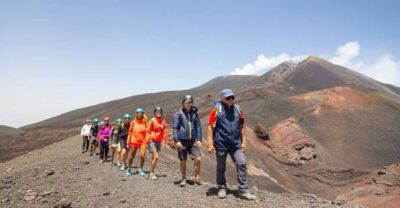
Mount Etna: Guided Volcano Summit Hiking Tour with Cable Car
Read our review →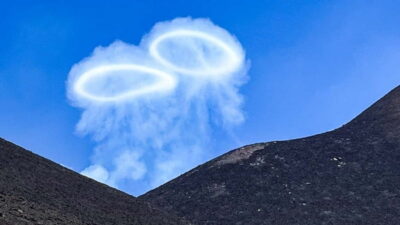
Mount Etna: Trek to 3000m with cable car and jeep
Read our review →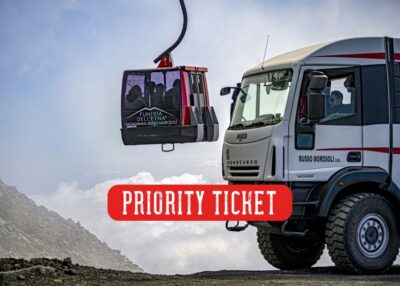
Mount Etna: Roundtrip Cable Car and 4×4 Bus Ticket
Read our review →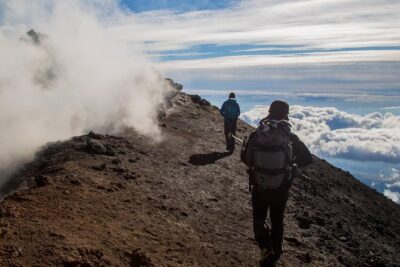
Etna excursion to 3000 mt. with cable-car and jeep 4×4
Read our review →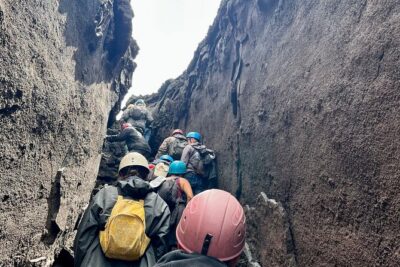
Etna excursion 3000 meters with 4×4 cable car and Trekking
Read our review →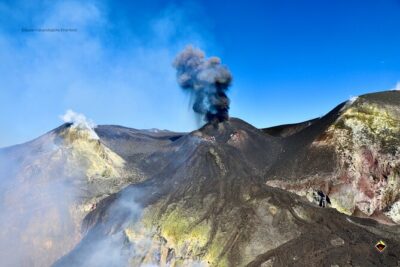
Etna – Trekking to the summit craters (only guide service) experienced hikers
Read our review →Browse the lists this tour appears in