Reviewed in full · PRIVATE
Modica private tour: the chocolate town in Sicily
Modica feels like two towns stacked on top of each other, and this private walk is built around that idea. You’ll move from Modica Alta to Modica Bassa, see major Baroque churches, and taste the local chocolate that made this place famous.
I love how the route is designed for both architecture and atmosphere. You get the Cathedral of San Giorgio up high, then you drop into the tighter streets and viewpoints that make Modica look almost staged in late-day light.
One possible drawback: you will be walking and climbing stairs. With a dramatic staircase tied to San Giorgio (254 steps), comfortable shoes matter, and you should expect a slower pace if you get winded.
Key highlights
- San Giorgio and its 254-step staircase with gardens, statues, and key interior relics
- Panoramic views from the alleys where the lower town can look like a nativity scene
- Castle of the Counts remains on a rock, with a clock tower connected to older watchtower foundations
- San Pietro Cathedral in Modica Bassa with the staircase lined by statues of the twelve apostles
- Modica chocolate tastings and guidance on what to order for that classic local style
Modica Alta Meets Modica Bassa: The Real Point of This Walk
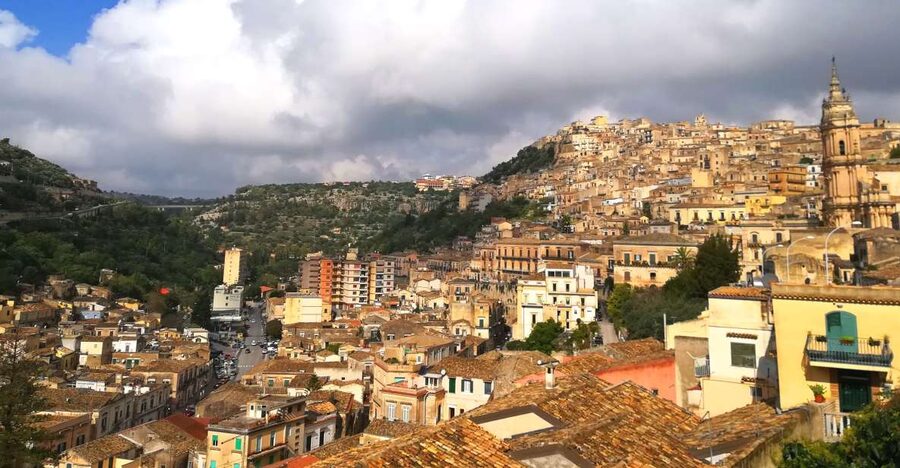
Modica is a UNESCO World Heritage Site, but what you actually feel on your feet is the layout. The city is split into an upper side and a lower side, and this tour walks you through that change in elevation, street width, and light.
Up top in Modica Alta, streets tend to feel narrower and more vertical. Down below in Modica Bassa, the streets open into a more street-market rhythm, with shops and food stops closer together. That two-part shift is why the tour makes sense even if you only have a short window. You’re not bouncing around randomly. You’re moving through the way Modica is meant to be experienced.
And because you’re with a licensed guide, you’ll catch what your eyes might otherwise slide past. Baroque details can look like decoration until someone points out what to look for, where to stand for views, and why a staircase or facade matters to Modica’s identity.
Other Modica options side by side
- Palermo: Private Custom Walking Tour with Local Guide
★ 4.7 · 661 reviews - Private 6-Hour Tour of Three Etna Wineries with food&wine tasting
★ 5.0 · 417 reviews - Private Tour explore Vulcano Island by Kayak & Coasteering
★ 5.0 · 338 reviews
Cathedral of San Giorgio: 254 Steps, Hanging Gardens, and an Amber Facade
Your tour starts where the energy is already building: at the stairway of the Cathedral of Saint George, on Corso S. Giorgio street. From there, you’ll connect directly to one of Modica’s most iconic scenes, the cathedral and its staircase of 254 steps.
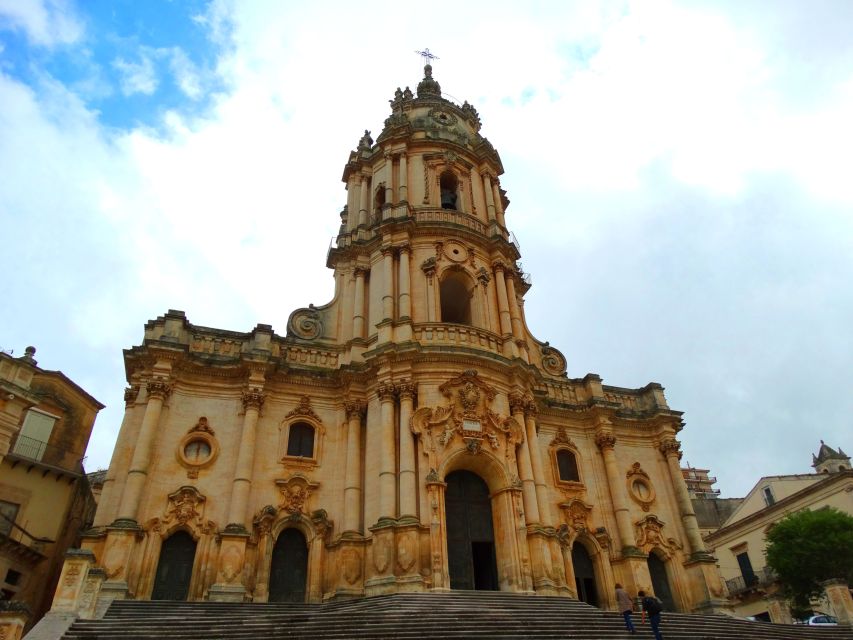
The Cathedral of San Giorgio is a major symbol of Sicilian Baroque style and of Modica itself. The staircase is more than a way up. It’s part of the theater. Hanging gardens are referenced with bougainvillea and jasmine, and that matters because it explains how the Baroque look is not just inside. It’s staged on the way to the entrance.
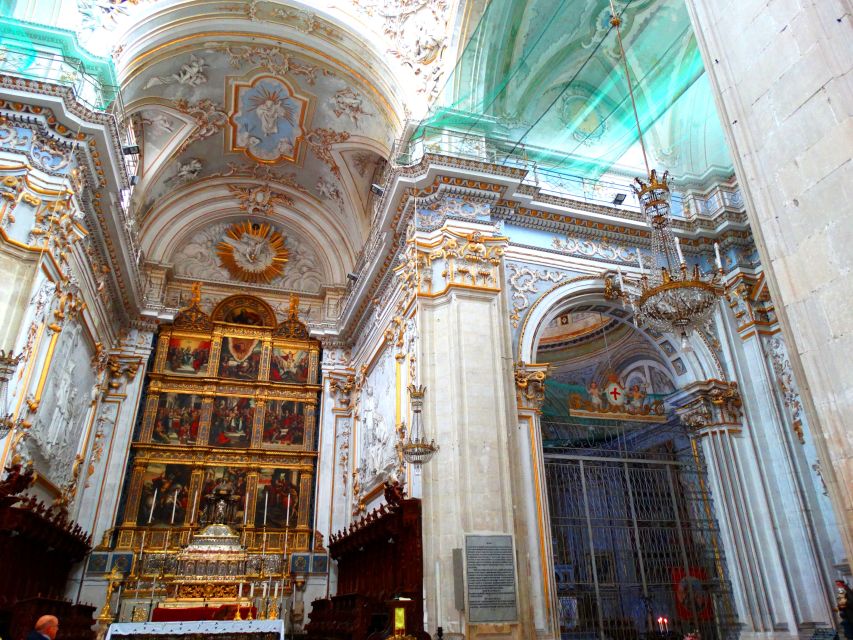
Inside and around the cathedral, you’ll hear about specific relics and objects tied to San Giorgio, including a Holy Ark, the relics of San Giorgio, and a sundial. These details give you a clearer picture of how the cathedral functions as a cultural anchor, not just a photo stop.
One timing note you may want to keep in your head: the facade is described as taking on an amber color at sunset. You might not always catch that exact light, depending on your start time, but it’s a useful reminder. If you can, try to plan your tour toward the later part of the day when that warm color effect is more likely.
Practical tip: start slow on the climb, then speed up once you’re warmed. The first minutes set the tone for the whole tour.
Alleyways and the View Trick: Why Lower Modica Looks Like a Nativity Scene
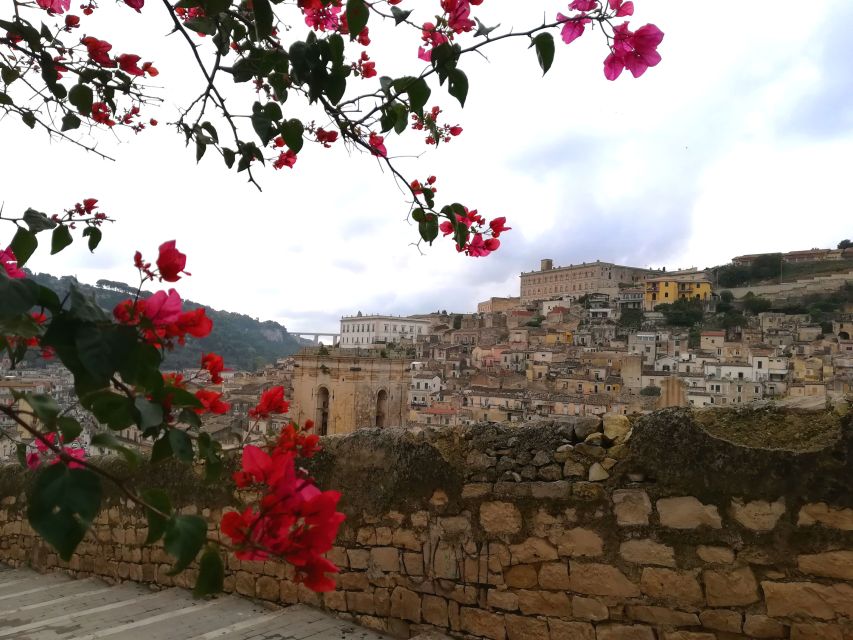
After the cathedral, you move through Modica Alta on small streets and stairways. This is where the guided part becomes genuinely useful. Many of these passages feel similar until you’re told to look for the perspective line, where the view opens, and how the lower town aligns.
You’ll be guided to the kind of panoramic scenes that are described as looking like a nativity scene, reflecting ancient island history. That might sound like a poetic flourish, but on-site it’s about geometry and placement. From certain angles, the clustered rooftops and church shapes can read like a layered miniature.
This section also helps you understand Modica’s urban design. You begin to see why Baroque style fits so well here. It’s not only about bold surfaces. It’s about the way staircases, corners, and viewpoints build drama as you walk.
If you like street-level travel more than museum travel, this part is the payoff. It’s not one big attraction. It’s a chain of small moments that add up.
Castle of the Counts Remains: A Medieval Rock Seat with a Clock Tower
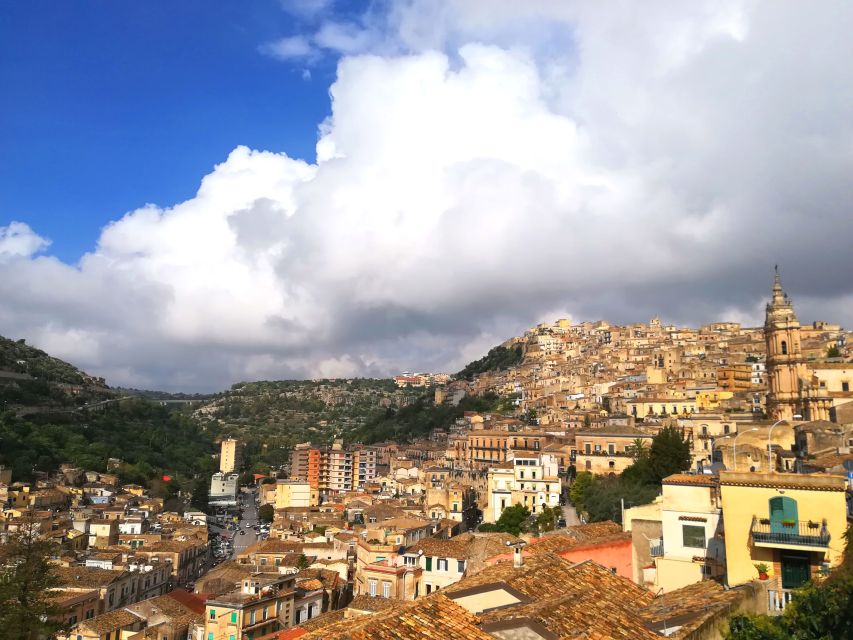
Next, you’ll observe remains of the Castle of the Counts perched on a rock. The location alone tells you it used to be a strong vantage point, with a defensive position over the town.
What you’ll notice with your guide’s help is the clock tower, built on the remains of an older watchtower foundation. That detail connects medieval defense with later civic life. It also explains why Modica’s skyline feels layered and historical, even when you’re just looking at stone fragments in a walkway.
This stop is a good breather too. After stairs and viewpoints, you get a chance to slow down, look outward, and understand the city’s timeline in one glance.
Modica Bassa and Salvatore Quasimodo’s Birthplace Museum
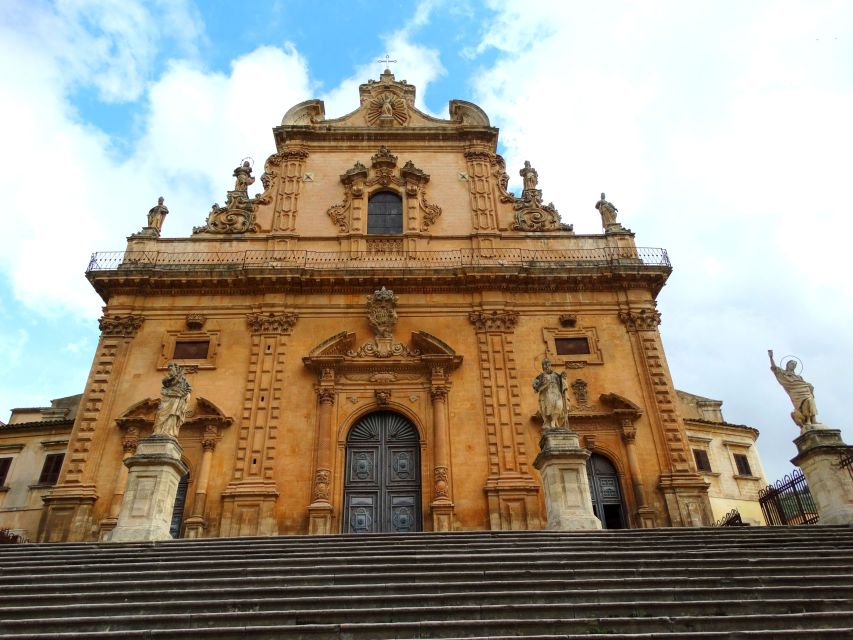
Once you transition into Modica Bassa, the streets change tone. Things feel more grounded, more everyday. You’ll also get a literary connection that keeps the tour from becoming only architecture and food.
The route includes the birthplace of Salvatore Quasimodo, a Sicilian writer who won a Nobel Prize. That childhood site has been transformed into a museum, so the idea here is not just trivia. It’s a reminder that Modica’s culture extends beyond churches and chocolate workshops.
This is also where you might start noticing the cadence of Corso Umberto I, the main street where shops and local life are close together. Even if you’re only there for the tour, you get enough context to understand what you’re walking through after the official time ends.
If you’re the type who likes culture that feels lived-in rather than staged, this museum stop works well as a bridge.
Cathedral of San Pietro: Twelve Apostles, Polychrome Marble, and Frescoes
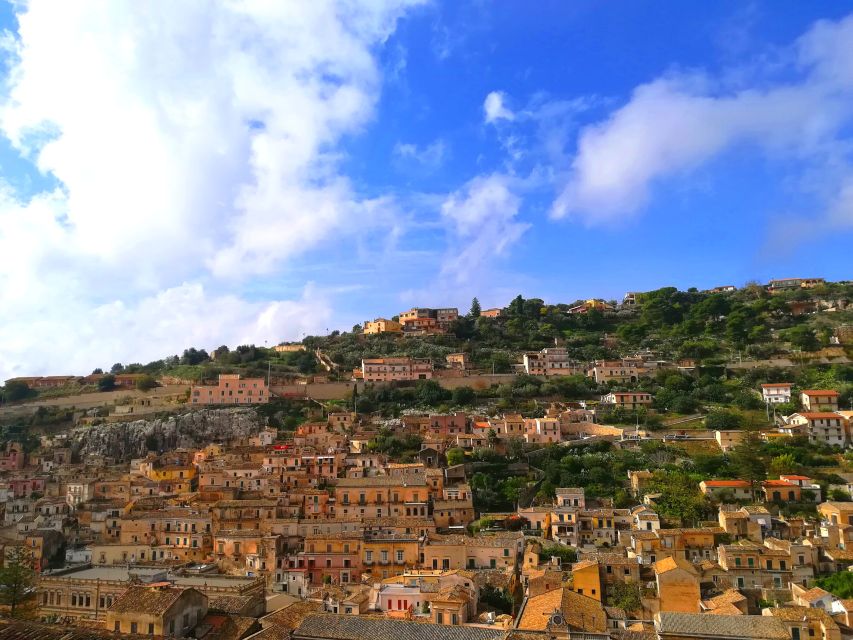
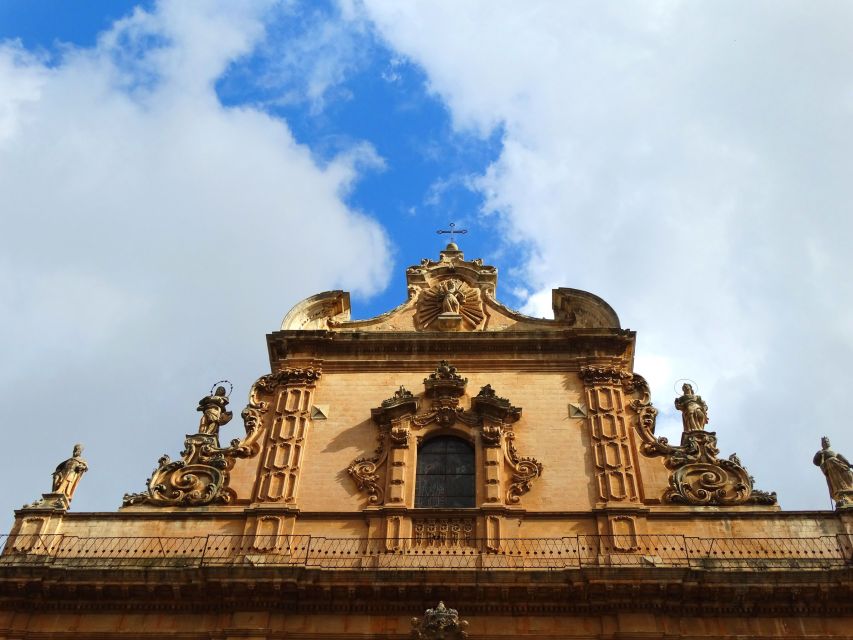
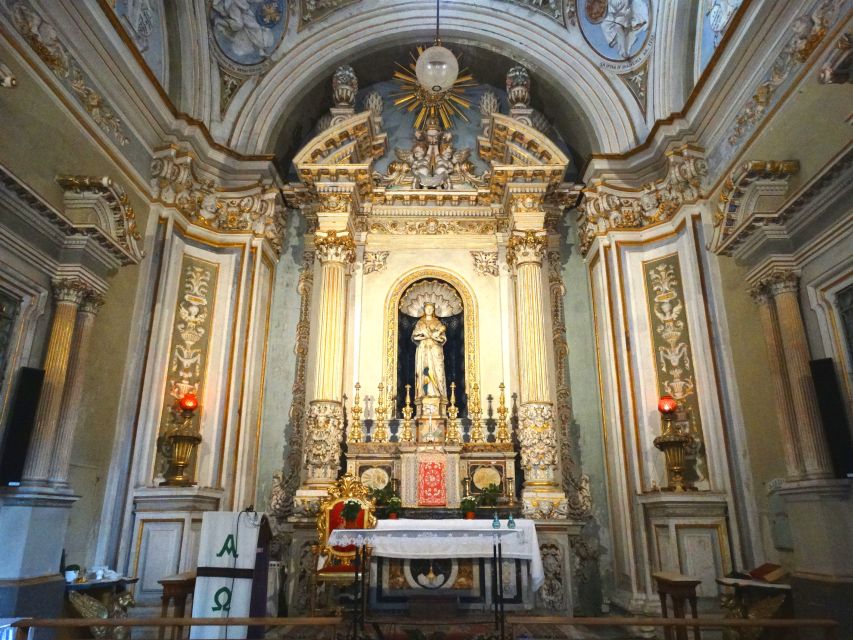
In Modica Bassa, you’ll visit the Cathedral of San Pietro, another late Baroque monument. The approach is part of the story. There’s a staircase accompanied by statues of the twelve apostles, and that makes the entry feel like a guided procession.
The interior details are where this cathedral really earns its reputation. You’ll see aisles decorated in white and polychrome marble, plus frescoes connected to both the Old and New Testament. Even without being a religious-history expert, the visual structure makes sense. You’re moving through a designed space meant to teach through art and symbolism.
The tour doesn’t treat the cathedral as a single stop you rush through. It’s described as something you’ll explore, with time to be impressed by the materials and artwork. That matters because Baroque interiors can be overwhelming if you just walk in without direction. A guide helps you pick out what to notice first.
Practical tip: bring your eyes in stages. Look at the staircase statues first, then the marble colors, then the fresco themes. It’s easier on your brain, and you remember more afterward.
Chocolate and Typical Modica Flavors: How the Taste Fits the City
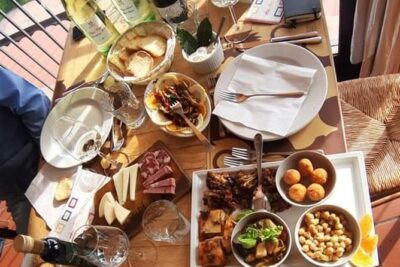
Modica is famous for chocolate, and this tour puts tasting into the middle of the experience, not at the end as an afterthought. You’ll savour locally produced Modica chocolate, the kind that this town became known for around the world.
The most helpful part is that your guide frames chocolate as part of Modica identity, not just a sugary souvenir. Chocolate here is tied to local production and tradition, and that makes your taste feel like it belongs with the architecture you just saw.
You’ll also have the chance to try typical Sicilian food ideas mentioned for the area, such as ravioli alla ricotta and cannoli alla ricotta, and you may see variations of local chocolates as well. One practical note: food and drinks are listed as not included. So plan on paying for anything you want to eat or sip during tasting time. Think of it as guided suggestions plus time to sample, not an all-inclusive meal.
If you enjoy eating on your own terms, this structure works. You choose what fits your appetite after you’ve heard what to look for. And if your guide is like Guilia, you’ll likely get a solid lunch recommendation after the tour, which can save you time finding something that matches your preferences.
Private Group, Licensed Guide, and a 2-Hour Reality Check
This is a private group tour with a licensed tour guide, and the guide is available in Italian and English. That matters because two languages can mean better explanations and smoother pacing, especially when you want context instead of a fast history lecture.
The duration is 2 hours, with starting times varying based on availability. Two hours is short enough to keep energy up, but long enough to connect Modica’s upper and lower sides without turning it into a sprint.
Because transfer is not included, you’ll want to plan how you’ll reach the meeting point in Modica Alta near the Cathedral of Saint George, then how you’ll get on your next plan afterward. The tour ends back at the meeting point, so you won’t be left figuring out transportation mid-route.
Also, private does not mean silent. You’re walking in close quarters with your guide. That’s a good thing. You can ask questions as they pop up, like why a specific relic matters, or what detail to watch for in the marble and frescoes.
Price and Value: What You Pay, What You Get, Who It Fits
The price is $344.39 per group, for groups up to 25, with the tour lasting about 2 hours. So the key value question is not only what you pay, it’s how you split the cost.
For a small group, a per-group price can feel steep. But you’re paying for two things that are hard to DIY well in a place like Modica: a licensed guide and a route that links the major Baroque sights plus the chocolate component. Without that, you can still wander, but you’ll likely miss the “why” behind many architectural details, and you may not get pointed toward the best viewpoints.
For a family or a group of friends, the math improves fast, since the price is per group. You also get the advantage of hearing the same explanations while walking together, which tends to make photo stops better and less chaotic.
This tour tends to make the most sense if you want a guided plan that covers the main icons without losing an entire day. If you’re the type who likes to move with purpose, 2 hours is a good fit.
Who Should Book This Modica Private Tour (and Who Should Rethink It)
You should book this tour if you care about Baroque churches, you want to understand why Modica is UNESCO-listed, and you want a practical chocolate tasting woven into the walk. The route makes sense for people who enjoy cities on foot and like learning small, specific details instead of just admiring big facades.
You should rethink it if stairs will be a problem. The tour includes a cathedral staircase famously tied to 254 steps, plus multiple stairways across Modica Alta. If you need lots of breaks or avoid steep climbs, ask about pacing options before you go.
Language is also a factor. If you prefer Italian explanations or English explanations, this tour supports both, and that helps you get full value from the interior details and story behind each site.
Should You Book It?
Yes, if your goal is a focused walk through Modica’s two faces, with the most important Baroque stops and time to taste the local chocolate. The best part is that the tour doesn’t treat food and architecture as separate worlds. It connects them, so you leave with a clearer sense of what makes Modica itself.
Book it especially if you like being guided. If you tend to get lost in interesting but confusing side streets, a licensed guide helps you find the viewpoints, understand the cathedrals, and make the taste stops feel intentional.
If you want a slow, no-stairs day, then you may want a different plan. Otherwise, grab your comfortable shoes, set realistic expectations for stairs, and enjoy Modica the way it wants to be seen, from up high and down low.
FAQ
How long is the Modica private tour?
It lasts about 2 hours.
Where do we meet the tour guide?
Meet your guide on the stairway of the Cathedral of Saint George, on Corso S. Giorgio street.
What cathedrals will we see?
You’ll visit the Cathedral of San Giorgio and the Cathedral of San Pietro.
Is the tour in English or Italian?
The guide is available in Italian and English, and the tour is multilingual.
Is chocolate included?
The experience includes tasting Modica’s famous locally produced chocolate.
Is food included during the tour?
Food and drink are not included. The tour focuses on tasting chocolate and discussing typical local foods, but you will likely pay for any meals or drinks separately.
Is transportation included?
No. Transfer is not included, so you’ll need to get yourself to the meeting point.
What’s the tour price and group size?
The price is $344.39 per group, for groups up to 25.
Where does the tour end?
It ends back at the same meeting point.
Just reviewed in Modica
- Distilleria Alma- Rum Distilery Guided Tour & Tasting★ 5.0 · 11 reviews
- Chocolatier for a day: raw bean to bar chocolate in Modica★ 5.0 · 33 reviews
- 8-hour tour of the Baroque cities Noto-Modica-Ragusa-Ortigia★ 4.9 · 18 reviews
Private, compared.
Private 6-Hour Tour of Three Etna Wineries with food&wine tasting
Read our review →
Private Tour explore Vulcano Island by Kayak & Coasteering
Read our review →
Godfather vs Mafia Tour & Pasta Lunch (Small Group or Private)
Read our review →
Private/Guided Godfather with appetizer and Pasta
Read our review →
Etna Countryside Food & Wine Lovers Tour (Small Group or Private)
Read our review →