
Reviewed in full · HIKING TOURS IN CATANIA
Mount Etna: Central Crater Guided Hike for Advanced Hikers
Mount Etna’s Central Crater guided hike is interesting because you get up close to active summit craters and then walk through raw volcanic terrain, including gas emissions and fumaroles, at about 3,300 meters. I like that the hike is led by a licensed volcanological guide who explains what you’re seeing at altitude. I also love the way the day mixes “science talk” with real time on the crater edge, where Etna looks and smells like Etna. The big drawback to plan for is the long descent, about 1,500 meters down, which can be tough on knees or joints, especially if you have any joint issues.
If you want to do Etna without the usual crowds, this route starts from the north side and focuses on a side that still feels wild. It runs as a small group, capped at 10, and you’ll be moving through slag, ash, and sandy channels rather than strolling on paved paths.
This is not a casual walk. The route is for trained, experienced hikers, and the crater-edge walking can trigger vertigo. If you fear heights or have breathing, heart, or other medical issues, skip it.
Key points worth knowing before you go
- Real summit altitude for trained hikers, with a high point around 3,315 m
- Licensed volcanology guide focused on what the gases and fumaroles are doing
- 4×4 to 2,825 m, then a 5 km uphill push over volcanic slag and bombs
- Steep, long downhill (about 1,500 m negative altitude), not knee-friendly
- Lunchtime near the observatory, followed by a descent through sandy channels
- Small group size (10 max), multiple languages (English, Italian, French)
Mount Etna’s Central Crater hike: who this fits (and who should skip it)
This is a serious Etna hike for people who are used to mountain days. You start at about 1,800 m, ride up by 4×4 to 2,825 m, and then do uphill walking to the edge of the Central Crater near 3,315 m. Total trekking time is typically 5 to 6 hours, with a round-trip distance around 12 km, depending on route conditions.
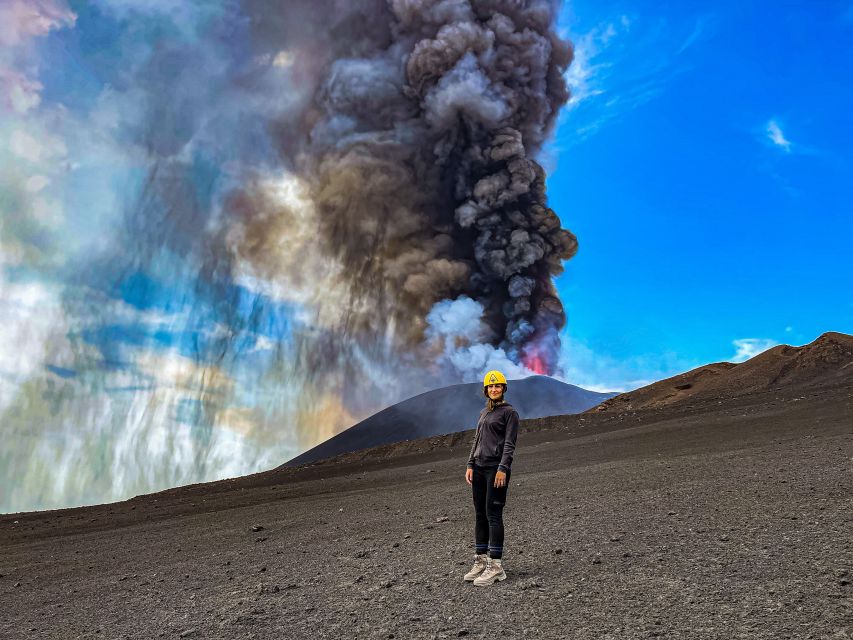
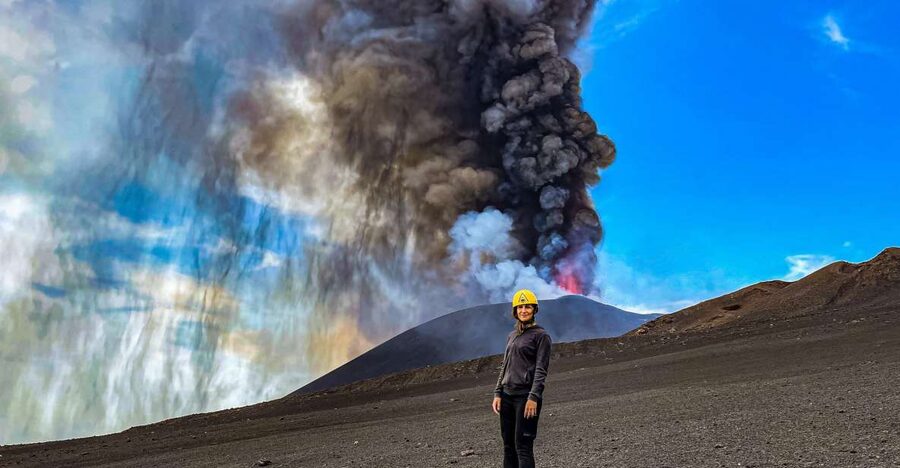
You’ll get the Etna feeling that most photos miss. At the top, your view includes active summit craters, and your guide’s explanations are tied to what the volcano is doing in real time, including gas emissions and fumaroles. In the colder or windier moments at the summit, the whole experience turns even more intense, because Etna does not wait politely for perfect weather.
If you’re the kind of traveler who wants a low-effort “check the box,” this isn’t it. The route includes crater-edge walking that can cause vertigo. It’s also explicitly not suitable for people afraid of heights or who have vertigo, heart problems, respiratory issues, epilepsy, back problems, or mobility impairments. Pregnant women should also skip this specific outing.
More Hiking Tours in Catania
- Mount Etna: Trek to 3000m with cable car and jeep
★ 4.7 · 1,978 reviews - Catania: Etna Nature Tour with Hiking, Cave Visit, & Tasting
★ 4.7 · 502 reviews - Etna Volcano: South Side Guided Summit Hike
★ 5.0 · 311 reviews
The 4×4 ride up the north side: why the logistics matter
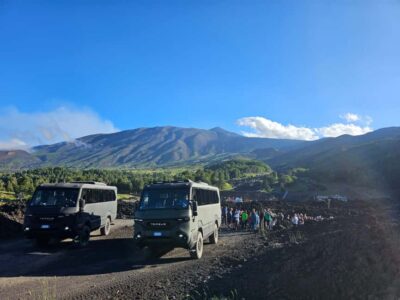
You meet at Chiosco Bar Mareneve di Ferraro Giuseppa, near the winter chairlift. The key detail is you’re not meeting at Chiosco Bar Etna Nord, you’re meeting at the second house of the four buildings in that parking lot. That sounds small, but it prevents the “we’re at the wrong place” stress, which is the last thing you want on a volcano day.
From there, you drive by 4×4 (or similar SUV style vehicles) along a panoramic road on the north side that’s about 8 km long, climbing to 2,825 m. Expect this to set your rhythm. You’ll go from parking-lot altitude to near-summit start altitude fast, and your body immediately feels the thinner air.
In practice, there can be some waiting for the vehicles. One review noted waiting in line for 4×4 buses both up and down, but not long enough to ruin the day. I’d still plan to show up early and keep your hands warm, because that first cold wind at high altitude can hit you even if you dressed for “summer Etna.”
The 5 km uphill walk: slag, volcanic bombs, and steady breathing
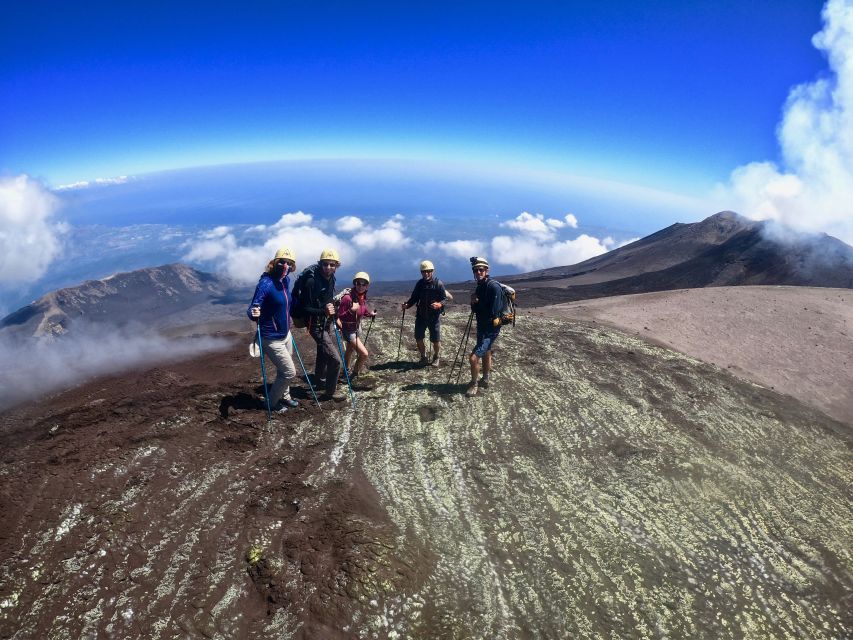
Once you reach roughly 2,825 m, the real work starts. You begin a 5 km uphill walk on a path surrounded by volcanic slag and large volcanic bombs. This isn’t a gentle trail. The terrain forces you to place your feet with care, and the ground can feel loose and uneven.
The uphill altitude difference to the crater edge is about 490 meters, ending near 3,315 m. That’s not the highest elevation gain you’ll ever do, but it’s at altitude, and it’s over harsh ground. Your breathing will get your attention first, even if your legs feel okay.
This is where your guide makes or breaks the day. In multiple accounts, guides like Edo and Vincenzo were praised for professional pacing and for keeping the group together. One guide even adjusted pace so an older participant could keep up. If you have limited stamina, this kind of pacing matters more than you’d think.
Also plan for vertigo. The route includes walking along the crater edges, and that can be mentally challenging even when your legs are strong.
At the Central Crater edge: gases, fumaroles, and the science you can see
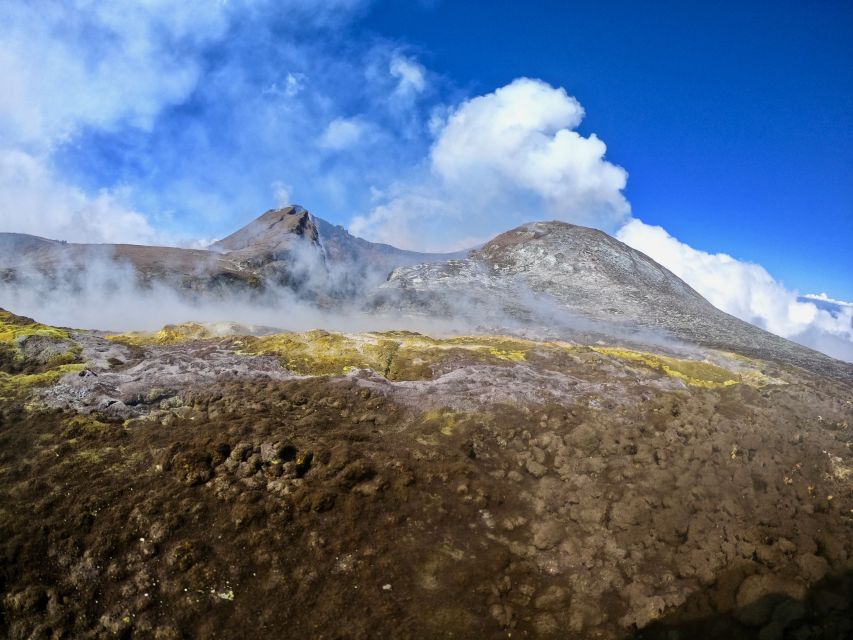
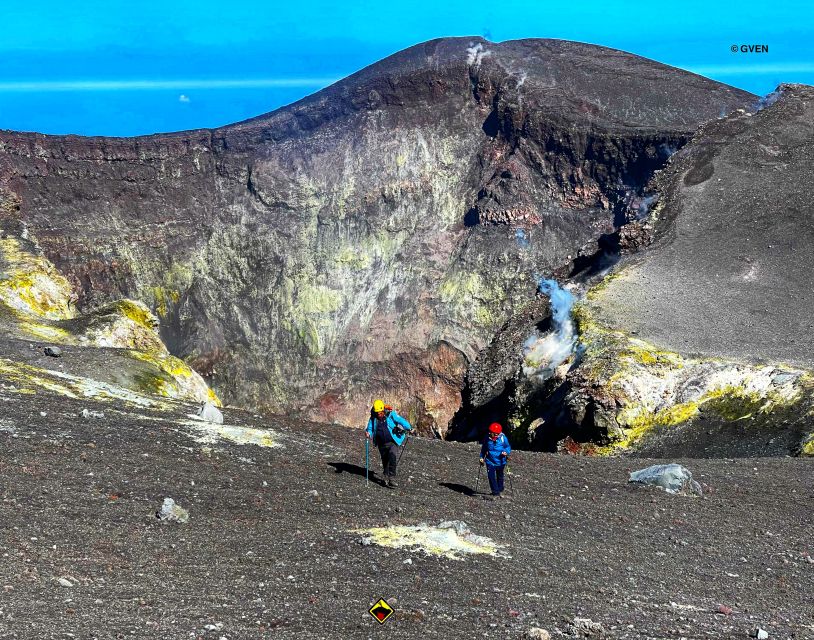
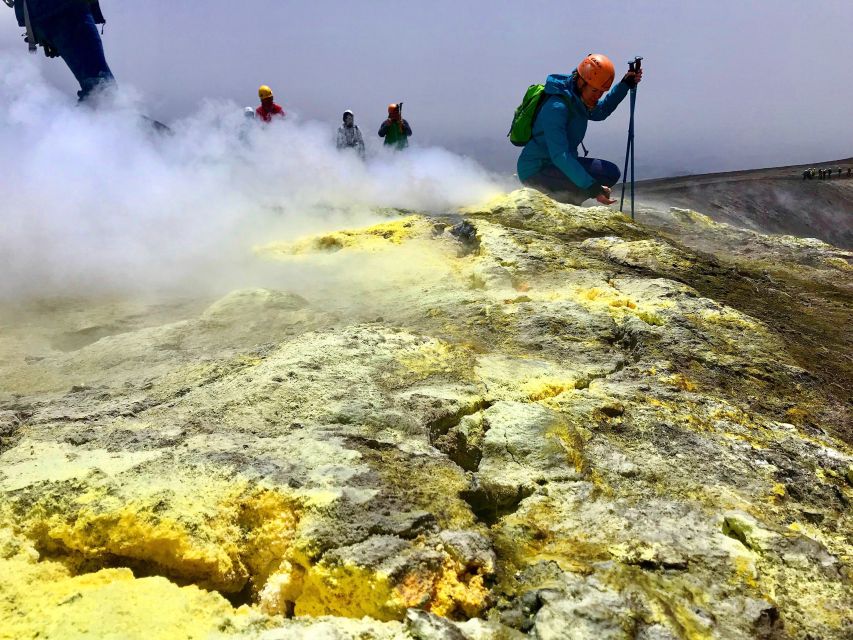
The moment you reach the Crater Centrale dell’Etna, you stop for photos and a guided look at active processes. The focus isn’t just “look at volcano stuff.” Your guide is giving explanations about how Etna has evolved, and how the ongoing activity shows up as gases and fumaroles.
At the summit edge, you’ll see:
- Gas emissions
- Low- and high-temperature fumaroles
- Brilliant colors of sublimates, which are those mineral residues left behind when volcanic gases interact with the environment
This is also the part of the trip that depends on the day. If volcanic gas levels are low enough and the weather cooperates, you may get a rooftop view of Sicily. If conditions are cloudy or too hazy, don’t treat it as failure. Etna’s activity can still be the main show, and your guide will likely keep the science grounded in what’s actually happening right then.
One important reality check: the volcano can be active while you’re up there. One account described higher-level explosions occurring during the summit time, and the group was taken down quickly and safely. That’s a reminder to take safety instructions seriously, especially around crater areas.
More Mount Etna Tours in Catania
- Catania: Mount Etna Morning or Sunset Day Trip with Tasting
★ 4.8 · 4,028 reviews - Catania: Sunset Jeep Tour of Mount Etna and Lava Flow Caves
★ 4.8 · 2,113 reviews - Sicily: Etna and Alcantara Gorges Full-Day Tour with Lunch
★ 4.8 · 1,766 reviews - Mount Etna: Roundtrip Cable Car and 4×4 Bus Ticket
★ 4.3 · 1,602 reviews
Lunch near the volcanological observatory: fueling without slowing the day too much
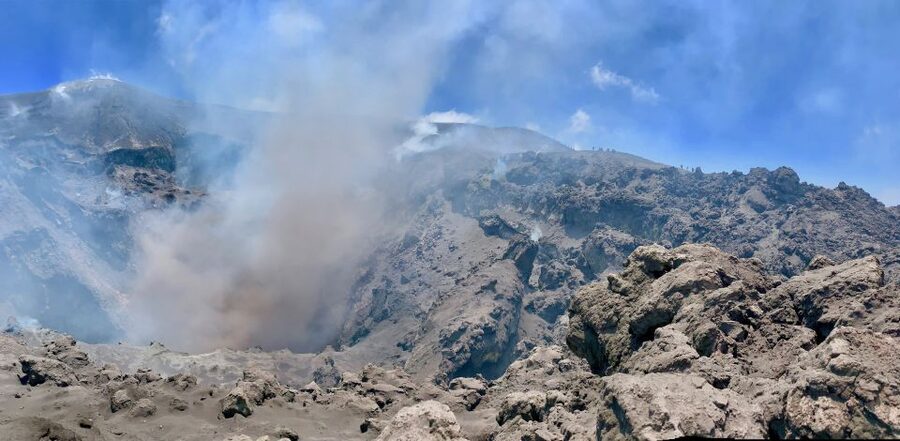
After admiring the summit, you start downhill along slag and volcanic ash toward the base of the Volcanological Observatory. There’s a lunch stop here. Lunch isn’t included, so you’ll want a packed meal and snacks you can handle on uneven ground.
This is a good moment to think about energy management. The climb is demanding, but the descent is where your body can get stressed fast. Eating something light and practical keeps you moving without feeling weighed down.
The other advantage of this observatory-area pause is mental. You’ve hit the high point, you’ve seen the active crater processes, and now you transition into a different kind of walking. That mental shift matters, because a long descent can wear you down more than the numbers suggest.
The steep downhill test: knees, joints, and the option to reduce walking
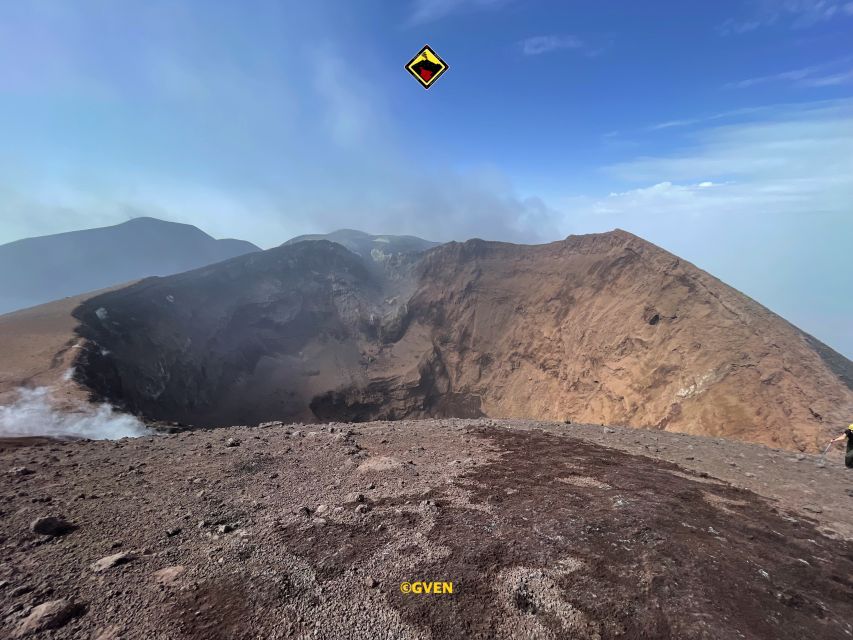
Here’s the part you cannot ignore: the descent includes a 1,500 m drop from about 3,300 m down to 1,800 m. The info also states this is strongly not recommended if you suffer from joint problems, especially knee problems.
If you have any doubt about your knees, plan smarter. The day includes vehicle options: there’s an off-road vehicle descent from around 2,800 m to 1,800 m that you can add for €20 per person, paid on the spot. There’s also mention that the descent vehicle is optional for people who want transportation back down, so tell your guide what you need.
Even if you stay on foot, make your descent technique your priority:
- Take shorter steps on loose slag and ash
- Keep your weight controlled
- Use trekking poles if you have them (they’re included)
And remember, downhill fatigue can show up after your legs feel “fine.” That’s why I treat this outing as an advanced hike with a hard landing, not a balanced cardio workout.
Down the north-east channels toward Piano Provenzana
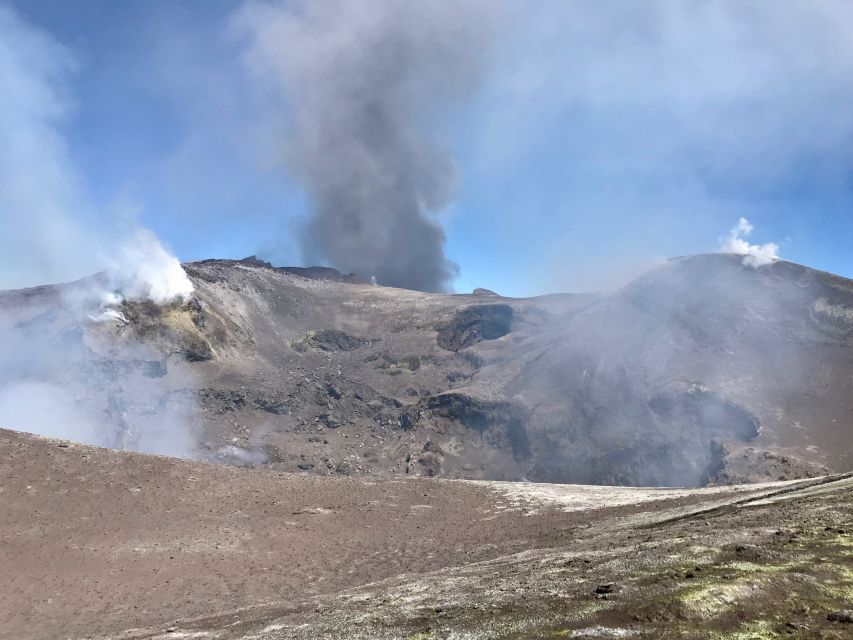
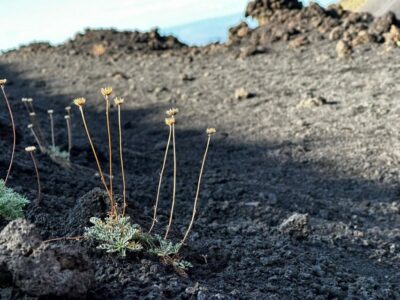
After lunch, you continue downhill inside large sandy channels on the volcano’s northeast side. This part is fascinating because it’s not just barren rock. You’ll move through channels where you can spot endemic plants and seasonal streams, depending on conditions.
Then you connect to a downhill path toward Piano Provenzana, which is the endpoint. This section can feel like a different hike compared with the crater-edge terrain. The ground shifts, the walking rhythm changes, and you finish with a calmer sense of motion.
The overall idea is that your day tells a story: from crater systems at the top, to observatory-area science at mid-level, to a more “lived-in” channel area where plants can hang on in a volcanic world. Even if the main goal is the summit, that variation helps keep the day from feeling like one long grind.
Price and value: what $130.28 includes, and what costs extra
The listed price is $130.28 per person, and that number matters less than what you get for it.
Included:
- Volcanological guide and guided hike
- Trekking poles
- Protective helmets
- Trekking shoes and extra socks
- Warm jackets
- Backpacks
That gear list is a big value point. Good hiking shoes and warm layers are not optional at Etna, and the summit wind can be brutal. Having helmets, warm jackets, and footwear handled for you removes a lot of pre-trip stress if you’re traveling light.
Not included (and you should budget for it):
- 1-way off-road transport to the hiking start location for €50 per person, paid on the spot
- Off-road descent option from about 2,800 m to 1,800 m for €20 per person, paid on the spot
- Parking ticket for €3 (paid on the spot)
- Lunch
- Water
So is it good value? For the right hiker, yes. You’re paying for a licensed volcanology guide, small-group access, and summit-edge walking support. You’re also paying for safety gear and cold-weather gear that you’d otherwise have to buy. But if you’re planning to add both the 1-way vehicle and the optional descent vehicle, your total day cost rises quickly. Do the math before you go so you can decide whether the off-road descent is worth it for your knees.
What to bring (and what’s banned) for a safe, comfortable summit day
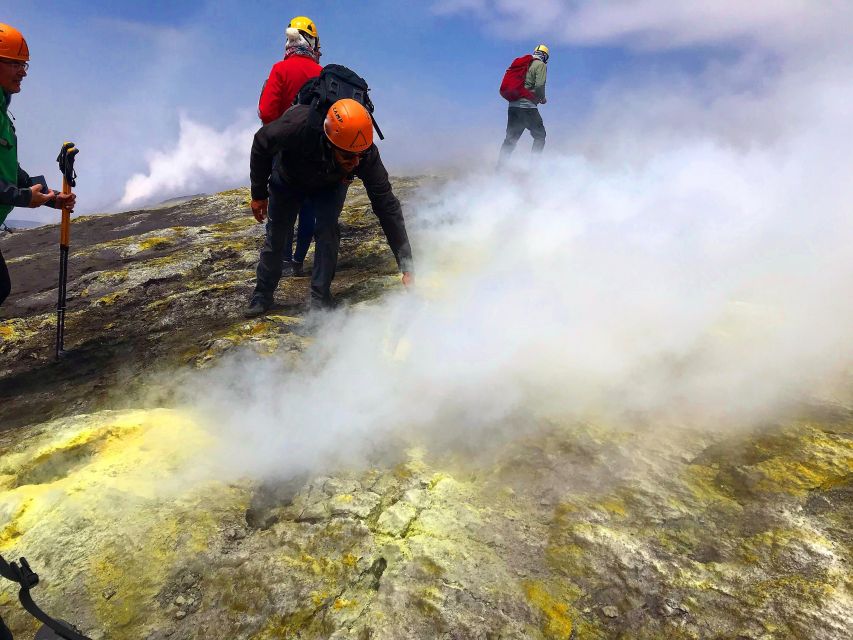
Wear and pack like you’re going to a windy, cold worksite at altitude. The essentials listed for the hike are:
- Windbreaker, rain gear, long pants
- Sunglasses, hat, gloves
- Weather-appropriate clothing and layers
- Packed lunch and snacks
- Water
- Hiking shoes (even though shoes are provided, it can help to have a fit you trust, if allowed by your plan)
- Extra socks if you’re bringing your own
For rules, follow them. Not allowed items include:
- High-heeled shoes, sandals, or flip flops
- Baby strollers
- Luggage or large bags
- Short skirts or sleeveless shirts
- Slippers
- Umbrellas
The “no umbrellas” rule is practical. Wind plus uneven volcanic ground makes umbrellas useless and potentially unsafe. Same logic for sandals.
Also note the mental side: this route can cause vertigo because you’re walking along crater edges. If you know you’re prone to it, you’ll feel it more than you expect.
Guides and pacing: what makes the Central Crater hike feel top-notch
This hike’s reputation is tied to the guide experience. In accounts with names like Edo, Vincenzo, and Daniele, the common thread is professional, calm leadership and real interest in volcanology. You’re not just touring. You’re being taught what Etna is doing, and why it matters.
A few guide behaviors show up again and again:
- They keep groups together so no one gets separated on complex ground
- They adjust pace for the group, not against it
- They explain crater formation and how fast volcanic conditions can change
- They manage safety quickly when volcanic activity spikes
That last point is key. If the volcano becomes more active while you’re on the summit area, your guide’s job is to read the situation and move the group safely. That’s why helmets are included, and why you should listen closely to instructions during summit stops.
With a group size capped at 10, you’re not lost in a crowd. You’re more likely to have time for your guide’s answers, and that makes the science part land better, not just as facts but as meaning.
Should you book this Mount Etna Central Crater guided hike?
Book it if:
- You’re an experienced hiker who handles altitude and uneven ground
- You want a licensed volcanology experience at the summit edge
- You’re okay with a tough day, especially the long descent
- You like learning based on what you can actually see on the volcano in front of you
Skip it if:
- Your knees or joints are an issue, because the descent is about 1,500 m down
- You have vertigo, fear of heights, breathing problems, heart problems, or other listed medical conditions
- You’re not used to mountain walking, because the route is for trained hikers
My practical call: if you’re fit, prepared for cold and wind, and you take the descent seriously (and consider the optional vehicle descent if needed), this is one of the more memorable ways to experience Etna. You’ll leave with the sense that you didn’t just visit a volcano. You followed what it was doing, close up, with real guidance.
FAQ
How long is the Mount Etna Central Crater hike?
The trekking duration is about 5 hours, and the route can take 5 to 6 hours total depending on conditions and pacing.
What is the meeting point for the tour?
You meet at Chiosco Bar Mareneve di Ferraro Giuseppa, near the winter chairlift. It is the second house of the four buildings in that parking lot.
What is the maximum altitude reached during the hike?
The highest point is about 3,315 meters.
How far do you hike uphill and downhill?
Round-trip distance is around 12 km, with about 5 km uphill and 7 km downhill. The uphill and downhill altitude differences can vary by route and conditions.
Is the hike suitable for beginners?
No. It is for trained hikers, and it is not suitable for people without experience.
What gear is included in the price?
Included items are trekking poles, protective helmets, trekking shoes and extra socks, warm jackets, and backpacks.
Is lunch included?
No. Lunch is not included, so you should bring a packed lunch.
Do I need to pay for transportation separately?
Yes. The price includes only the guide service. You pay on the spot for off-road transport to the hiking start location (50€ per person), and an optional descent vehicle (20€ per person).
Is water included?
No. Water is not included.
What languages are the guides available in?
The live guide is available in English, Italian, and French.
More Walks and Climbs near Catania
- Mount Etna: North Upper Craters Guided Tour by 4×4 with Trek
★ 4.6 · 243 reviews - Catania: Sunset Trekking on Mount Etna with Wine Tasting
★ 5.0 · 66 reviews - Catania: Etna Morning or Sunset Trek with Lava Tunnel & Gear
★ 5.0 · 27 reviews - Mount Etna: Hike to the top 3400mt from the North Side
★ 4.6 · 17 reviews
More Ways Up Etna from Catania
- Catania: Etna Sunset Tour with Pickup and Drop-off
★ 4.8 · 1,348 reviews - Mt. Etna and Taormina village full day tour from Catania
★ 5.0 · 1,155 reviews - From Catania: Mount Etna Sunset Tour with Tasting and Cave
★ 4.7 · 1,119 reviews - Catania: Etna Morning Excursion with Tasting and Pickup
★ 4.8 · 820 reviews
Just reviewed in Catania
- Piano Provenzana: Guided Mt. Etna Snowshoeing Trek★ 5.0 · 3 reviews
- Nicolosi: Mt. Etna Guided Quad Tour Adventure★ 4.2 · 6 reviews
- Nicolosi: Excursion Etna Craters at 3000 mt.★ 4.2 · 3 reviews
- Mount Etna Tour to 1900m from Taormina★ 4.9 · 11 reviews
- Mount Etna: Winery Tour and Tasting★ 4.8 · 92 reviews
- Mount Etna: Sunrise Excursion with an expert Local Guide★ 5.0 · 8 reviews
- Mount Etna & Taormina Multi-language Tour from Palermo★ 4.3 · 8 reviews
- Mount Etna: trek with vintage car, tasting sicilian produtcs★ 5.0 · 5 reviews
Hiking Tours in Catania, compared.
Mount Etna: Trek to 3000m with cable car and jeep
Read our review →
Etna Nature Tour with Hiking, Cave Visit, & Tasting
Read our review →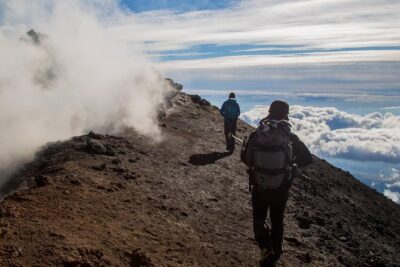
Mount Etna: North Upper Craters Guided Tour by 4×4 with Trek
Read our review →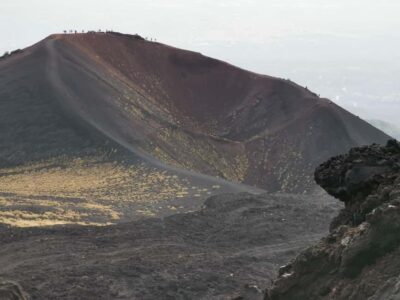
Etna Morning or Sunset Trek with Lava Tunnel & Gear
Read our review →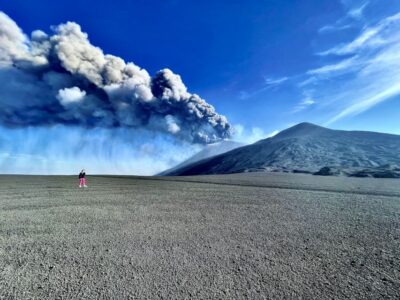
Special trekking on the most authentic and wild side of Etna
Read our review →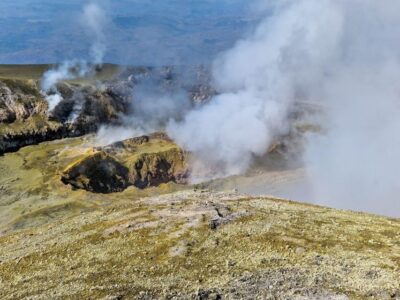
Mount Etna: Hike to the top 3400mt from the North Side
Read our review →Browse the lists this tour appears in