
Reviewed in full · PALERMO TOURS
Palermo Tour: Magnificent Mixture Of Architectural Styles
Palermo works because it keeps changing its face, often block by block. This architectural styles walking tour lets you read the city in motion, from major landmarks to smaller streets with clear Arabic influence. I like how it pairs big sights like Teatro Massimo with everyday Palermo streets, not just a stop-and-snap itinerary. One possible drawback: it is a 2 hour walk, so you will be moving through busy areas.
The guide quality matters here, and good names come up for real warmth and serious know-how. Roberta and Marilou are specifically praised for being attentive, flexible, and giving context that goes beyond the usual brochure talk, including quieter corners you might not find on your own. If you want the royal tombs inside the cathedral, note that royal tombs tickets are not included, so plan for that extra step.
Key Things You Will Notice on This Palermo Tour
- Teatro Massimo is the headline, and you will understand why it is such a big deal in Italy and Europe
- You walk Via Ruggero VII and Principe di Belmonte, the kind of streets locals actually use
- The route includes an Arabic origins neighborhood, where architecture and street shape tell part of Palermo’s story
- You hit two major markets, Capo Market and the Vucciria open market, for a real sense of daily life
- You end back at Piazza Ruggiero Settimo, making this easy to plug into your other plans
From Politeama Square to the Cathedral, How the Route Tells a Story
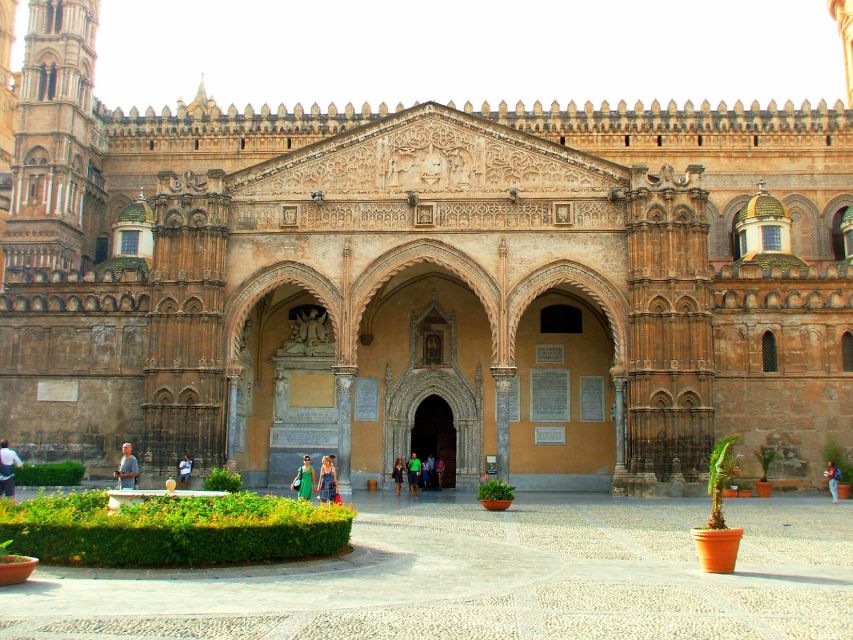
A walking tour is only as good as its flow, and this one makes sense. You start in an area where Palermo feels organized and central, then gradually slip into the more layered maze of historic lanes and markets. By the time you reach the cathedral, you have already seen the city in different “moods,” so the stop has weight.
I especially like that the tour does not treat Palermo like one giant museum. It treats it like a living city with a long, complicated past. You get the big monuments, then you get the squares and alleys where people actually move through the day.
Also, it is built for a private group. That means the guide can slow down if you want photos, or move faster if you are strong on walking pace. With a small group, you typically get more direct answers instead of standing at the back waiting for a head nod.
Other Palermo options side by side
- Palermo: NO Mafia Walking Tour
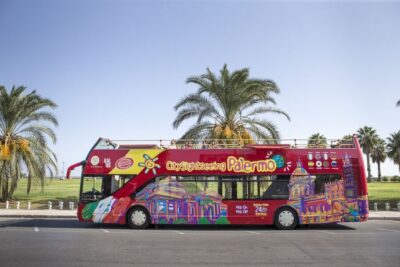
★ 4.8 · 2,431 reviews - Palermo: Hop-on Hop-off Bus Tour 24-hour Ticket
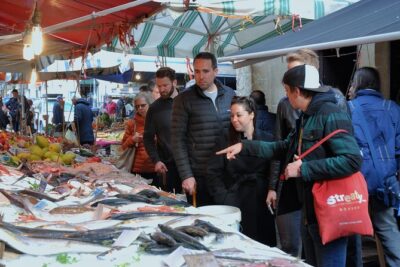
★ 3.9 · 2,410 reviews - Palermo Original Street Food Walking Tour by Streaty
★ 5.0 · 2,105 reviews
Piazza Ruggiero Settimo and Politeama Theater, Your Easy Starting Anchor
The tour begins at Piazza Ruggiero Settimo, in front of the Politeama Theater, next to the statue. I like this meeting point because it is a clear landmark. You are also in the right part of the city to start walking into the historic center without feeling like you are trapped in transfers or long taxi rides.
From a value standpoint, this matters. There is no included transportation or pickup. Starting from a central square keeps your day simple. It also helps you stay flexible, since you can connect the tour with lunch, a museum ticket, or a night out without re-planning logistics.
Once you start moving, you will quickly get the rhythm of the route. Think straightening out your bearings early, then letting Palermo get more complicated as you go.
Via Ruggero VII, the Living Room of Palermo, and the Shops That Make It Real
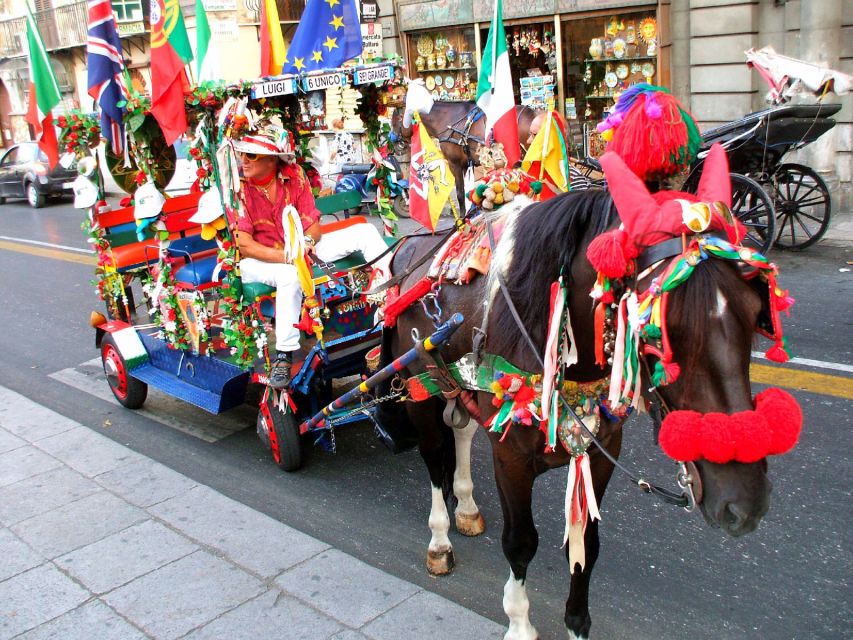
One of the route highlights is the walk along Via Ruggero VII, which the tour calls the living room of Palermo. That phrase is not just marketing. It signals that this is a street where daily life shows up, not just architecture behind glass.
Then you continue on to Via Principe di Belmonte, including historic shops along the way. This is a smart choice for a walking tour. Streets like these let you understand how Palermo functions as a city, not just as a list of attractions.
What you should do while walking here: look at storefront continuity and street edges. Even without going inside every shop, the street pattern tells you how people historically concentrated commerce and social life in walkable spaces. If you enjoy that kind of observation, this section will feel like a mini lesson.
Teatro Massimo, Italy’s Largest Lyric Theater, and Why It Matters
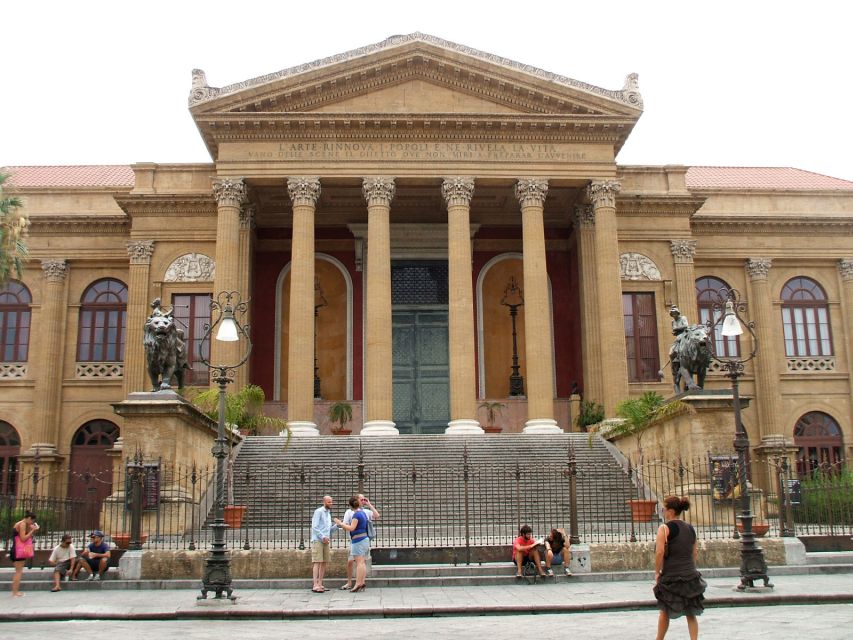
Eventually you reach Teatro Massimo, described as the largest lyric theater in Italy and the third largest in Europe. Even if you are not a hardcore opera person, this stop is still worth it. Big theaters are cultural magnets, and the building itself becomes a statement about money, ambition, and identity.
I like that the tour treats Teatro Massimo as more than a photo backdrop. A good guide should connect the theater to the city around it, and this tour is specifically framed as a “magnificent mixture of architectural styles.” That makes the theater more than a standalone object.
Practical note: because the tour keeps moving, you will not have a long sit-down visit here. If you want deeper time inside the building, you can plan that separately. On this tour, the main win is context, orientation, and seeing how Teatro Massimo sits inside the city’s walkable core.
A different sort of day out around Palermo:
- Segesta, Erice and Salt Pans Full-Day Excursion from Palermo
★ 4.2 · 1,791 reviews - Palermo: Teatro Massimo Opera House Guided Tour
★ 4.5 · 1,573 reviews - From Palermo: Monreale and Cefalù Half-Day Trip
★ 4.2 · 1,354 reviews - Palermo: Street Food and History Walking Tour
★ 4.9 · 1,294 reviews
Into the Arabic Origins Neighborhood, Where Details and Street Shape Speak
After Teatro Massimo, you head through the alleys and streets of the Arabic origins neighborhood. This is where the phrase architecture with Arabic influences becomes real on foot.
You do not need to be an architectural expert to benefit. The value is in learning where to look. Pay attention to transitions between open squares and narrow lanes. Those shifts often hint at older urban patterns shaped by different communities and eras.
Also, moving on foot matters here. You can notice how buildings press close, how street corners funnel movement, and how the street texture changes. In a car, you would miss all of that.
This is the kind of segment where a flexible guide can adjust the pace depending on your questions. One reason Roberta and Marilou get praised is how they bring the city to life with more than just dates and names.
Capo Market, Palermo’s Most Famous Market, and How to Enjoy It Without Getting Overwhelmed
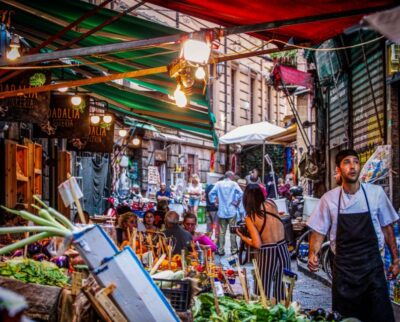
Then you reach the Capo Market, described as the most famous market in Palermo. Markets like this are sensory on purpose. You will see crowd flow, stall life, and that particular mix of everyday shoppers and quick stops.
Here is how I suggest you handle it. Do not try to “do everything.” Instead, use the guide. Ask what to notice visually, which stalls have long local presence, and how this market fits into the neighborhood. If you want to snack, you can, but tastings are not included in the tour, so treat it as optional.
A possible drawback is crowding. Markets can get dense, especially if you come during busy hours. If you prefer quiet, you might find the pace a bit intense. The upside is that you get authenticity fast. You are not just seeing a facade, you are watching how Palermo sells, buys, and chats.
Toward the Cathedral of Palermo, Frederick II’s Remains Give the Stop Real Weight
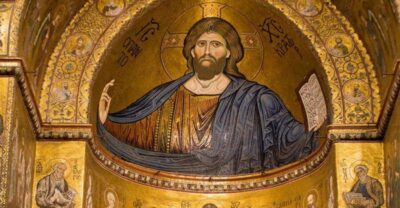
From the market area, the walking continues toward the Cathedral of Palermo. The key detail here is that the cathedral area is where the remains of Frederick II of Swabia and his family are kept.
This is the part of the tour that shifts from street-level observation to something heavier. Markets tell you how Palermo lived. A cathedral linked to Frederick II tells you how Palermo wanted to be remembered. It is a different kind of power: religious, political, and symbolic all at once.
Important for planning: the tour notes that ticket royal tombs are not included. So if the tombs are a must for you, factor in time for a separate ticket or the appropriate entry process. The guide can help you understand what you are looking at, but you will need that extra piece for full tomb access.
If you care about architecture, watch how the cathedral space changes the way you stand and walk. Big religious buildings pull your body into a slower pace, and that helps you absorb details you would otherwise speed past.
Vucciria Open Market and Piazza San Domenico, Finishing With Local Energy
After the cathedral, the route moves to Vucciria, described as the historic open market of Palermo. It is a great pairing with Capo Market. You compare styles: different crowd patterns, different stall vibes, and often different product mixes.
Then the tour heads toward Piazza San Domenico Square, before returning back toward the start point. I like having a square as the landing spot. When you finish, you can regroup, grab a drink, or head onward without feeling like you need to hunt for the next landmark.
The end result is a loop that feels complete. You start at a recognizable theater square, you walk into markets, you reach a major religious site, and you come back into public open space. That pattern is useful when you are planning the rest of your day.
Private Group Value and the Real Meaning of the $344.39 Price
The price is listed as $344.39 per group up to 25, for a 2 hour walking tour. That sounds like a lot until you do the simple math that matters: it is a group price. The value improves as more people share it.
This is a tour where you should think in terms of cost per person and cost per attention. A licensed guide is included, and the private group format is built for interaction. If you are a couple, the per person cost will be higher. If you are a small group of friends or a family cluster, it tends to feel like a fair deal for a guided walk through multiple major sites.
Also, the tour avoids extra charges from transportation. Since transportation or pickup is not included, you are not paying for a van that might not even be needed for a central walking route. You pay for a guide and a planned route, and you supply your own legs.
What is not included is also important for budgeting:
- royal tomb tickets
- tastings and meals
- transportation or pickup
So if you want to eat your way through the markets, you will pay that separately. If you want the royal tombs, you will plan that ticket separately.
Languages, Guide Style, and What to Expect From a Licensed Guide
The tour includes a licensed guide and runs in Spanish, English, French, German, and Italian. That coverage is genuinely useful in Palermo, where many visitors mix languages in a group.
The guide style is part of the reason the rating lands around 4.2. The strongest praises focus on how flexible and caring the guides are, and how the talk stays grounded in local and world context. Roberta and Marilou are named as standout hosts, including for adding quieter stops and making the walk feel like a journey rather than a script.
One more practical point: because it is private, your guide can respond to what you care about. If you love architecture, you can ask about styles and the meaning of “Arabic influences.” If you care about daily life, lean into questions about the markets and street layout.
Who This Palermo Walking Tour Suits Best
This fits best if you want a guided walk that mixes major sights and everyday streets without turning the day into a list of disconnected checkboxes.
It is a good match for:
- First-time visitors who want a clear historic center route in 2 hours
- People who like seeing how markets fit next to monuments
- Anyone curious about how different eras show up in street life and building styles
- Small groups who value a guide that answers questions and adjusts pace
If you hate crowds or you struggle with steady walking, you might find the market portions challenging. But if you can handle busy streets for a short window, the payoff is big.
Should You Book This Palermo Tour?
I would book it if you want a structured walk that still feels human. The combo of Teatro Massimo, the Arabic origins neighborhood, Capo Market, the Cathedral with Frederick II’s remains, and Vucciria covers a lot of Palermo in one go.
I would think twice if you already plan to spend extra time inside the cathedral’s tomb areas, because the royal tomb tickets are not included and you will need separate planning. I would also consider your walking comfort, since this is a tight 2 hour route with market stops.
If your goal is a guided “read” of Palermo, not just a photo haul, this tour has the right mix, and the guide quality is a big reason people come away happy.
Just reviewed in Palermo
- Relax in Mondello and Sanctuary in Monte Pellegrino★ 4.4 · 70 reviews
- a PRIVATE ride of Favorita Park and Mondello★ 5.0 · 5 reviews
- Palermo to Siracusa: stop al Valley of Temples & Roman Villa★ 5.0 · 5 reviews
- Private tour: Segesta, Salt Pans & Erice★ 3.8 · 4 reviews
- Private Monreale Cathedral and Cloister, Ceramic Lab tour★ 5.0 · 5 reviews
- PHOTOSHOOT IN PALERMO★ 5.0 · 15 reviews
- Private Photographer Shooting + Sightseeing & Tasting Tour★ 4.8 · 4 reviews
- Palermo: Vintage Fiat 500 Sightseeing Tour★ 5.0 · 132 reviews
Palermo Tours, compared.
Palermo Original Street Food Walking Tour by Streaty
Read our review →
Segesta, Erice and Salt Pans Full-Day Excursion from Palermo
Read our review →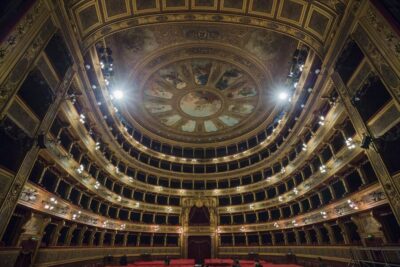
Agrigento and the Valley of the Temples Day Tour
Read our review →Browse the lists this tour appears in