
Reviewed in full · COOKING CLASSES
Ragusa: Private Cooking Class at a Local’s Home
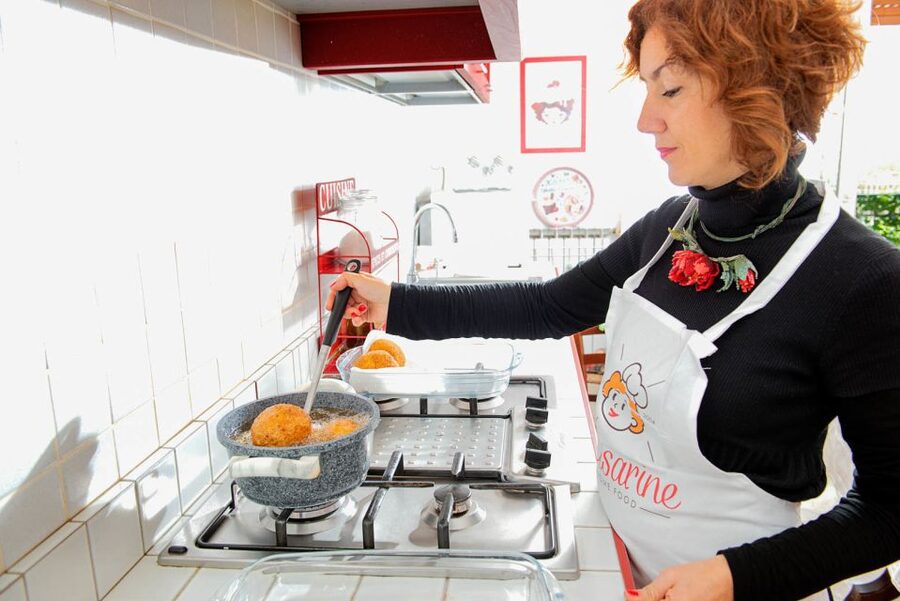
Ragusa is one of those Sicilian places where food tells the story. This private cooking class gives you hands-on time in a real home, then ends with the meal you made. I love the private, local-home setting (not a crowded classroom) and the fact that you taste everything with local wine. The one thing to consider is practical, the meeting address is shared after booking, so you will want to plan for a straightforward arrival and a little extra patience finding a residential location.
You will cook alongside an English-Italian instructor and a certified home cook, and the focus stays on three authentic dishes from the region: a starter, pasta, and dessert. The vibe in the feedback is consistently warm, with hosts named Salvina and Angelo welcoming people like family, even when traveling with kids. If you want a food experience that feels personal and repeatable, this is a strong pick.
Key Highlights You Should Know Before You Go
- Private cooking in a local family’s home in Ragusa, with an address shared after booking for privacy
- Three-course cooking lesson (starter, pasta, dessert), with all ingredients and utensils provided
- You taste the full meal you made, plus water, local wines, and coffee
- Hosts Salvina and Angelo are praised for warmth, clear teaching, and genuine pride in heritage
- Dietary needs can be accommodated if you request vegetarian, vegan, or gluten-free
Why Cooking in Ragusa, in Someone’s Home, Works So Well
Sicily can be loud with sights and easy to miss the quiet stuff. A home cooking class in Ragusa is a different kind of souvenir. You leave with techniques, instincts, and flavor combos you can actually recreate later, not just photos of food.
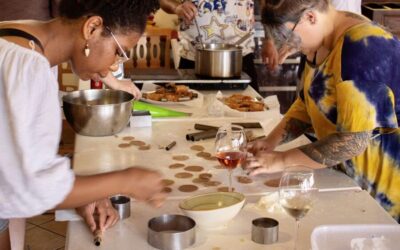
What makes this class especially interesting is the structure. It is not a quick demo, and it is not a restaurant meal where you mostly watch. You get a workstation, ingredients, and utensils. Then you help make three dishes across starter, pasta, and dessert, followed by tasting everything you cooked. That flow matters because it teaches you how one course connects to the next, from timing and seasoning to how Italians think about finishing a meal.
You also get the human part. The best moments in the reviews revolve around hosts Salvina and Angelo treating people like family. That tends to happen when the class is genuinely hosted in a home, not staged for tourism. If you like conversations while you cook, you will probably enjoy that here.
One practical note: because the class takes place at a private residence, the address is shared after booking. That privacy is a plus, but it does mean you should keep your plans flexible enough to find the right street and arrive on time.
More cooking classes in Ragusa:
- Ragusa Countryside Home Cooking Class & Meal
★ 4.8 · 6 reviews - Palermo: Pizza and Gelato Cooking Class with Dinner and Wine
★ 4.9 · 951 reviews - Seaview Cooking Class & Taormina local flavors with Chef Mimmo
★ 5.0 · 665 reviews
Meet Your Hosts and Instructor: Salvina, Angelo, and the Teaching Style
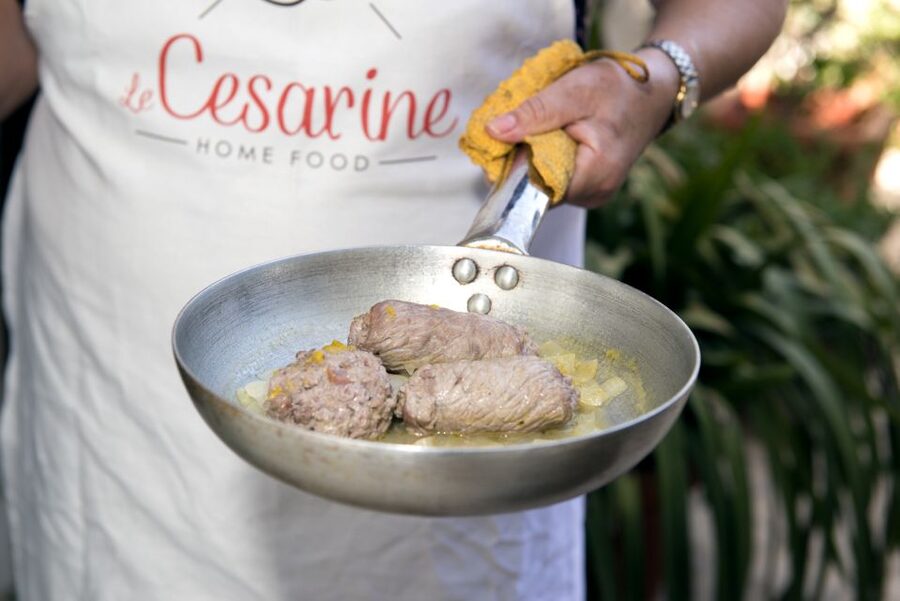
This experience is offered by Cesarine, which is known for home-hosted cooking in Italy, taught by local cooks. Here, the instructor is listed as speaking English and Italian, and the cook is described as a certified home cook. In plain terms, you are getting both the recipe and the context, like why certain ingredients show up again and again.
In the feedback, Salvina and Angelo come up repeatedly. People describe a welcoming, heartwarming atmosphere, and the hosts are praised for love and passion for family heritage that comes through in the food. Another common thread is that the class can feel emotional for visitors who are tracing family roots. One person noted that they made dishes that their mother used to make, which is exactly the kind of “food memory” this format can unlock.
The teaching tone seems to be part guidance, part collaboration. You are not just handed steps. You are working at a workstation and testing your skills. That is good news if you get nervous in kitchens. A home cook tends to explain with practical logic, like what to look for when something is simmering down or when a dough is ready.
If you travel with kids, there is also encouragement from the way the experience is described. One family said their child still talked about Salvina and Angelo afterwards. That does not mean it is a kids’ cooking camp, but it suggests the vibe is patient and welcoming.
The Three-Course Plan: Starter, Pasta, Dessert (and What You Learn)
The heart of the class is a three-recipe arc:
- A delicious starter
- Pasta
- Dessert
Even though the exact recipes can vary, the promise stays the same: you learn three authentic local recipes and you taste what you make. That course-by-course structure is more useful than a single dish workshop because it trains you to think like a Sicilian home cook.
Starter: How Sicily Builds Flavor Early
Your starter is where you learn the “base logic” of the menu. You will be working with ingredients and utensils set up for you, so the learning focus is on technique and seasoning rather than scavenger-hunt logistics. Watch for how your cook explains timing, textures, and taste adjustments. In most Italian classes, the starter is about setting the rhythm for the meal.
Why this matters for you: if you only learn pasta, it can be tempting to treat sauce as the main event. A starter teaches the wider idea, how the meal opens, and how flavors are balanced before the heavier course.
Other Ragusa options side by side
- 3-hour walking tour Discovering Ragusa Baroque
★ 5.0 · 51 reviews - Ragusa: Dining Experience at a Local’s Home
★ 4.9 · 12 reviews - Olive Oil Tasting & Historic Olive Mill Tour in Ragusa area
★ 5.0 · 9 reviews
Pasta: The Technique Course You Actually Remember
The pasta portion is likely the one you came for, but this is not just rolling and boiling. You get hands-on experience making pasta and learning the secrets behind famous regional dishes. Even without a detailed dish name here, the value is that you are learning the process in a real kitchen setup, where the cook can correct things based on what your dish looks like.
Why this matters for you: the difference between average pasta and great pasta is rarely a mystery ingredient. It is usually temperature control, dough consistency, and knowing when something is ready by sight and smell. A home cook’s tips land fast because you apply them immediately.
Dessert: Ending Like a Sicilian Family Meal
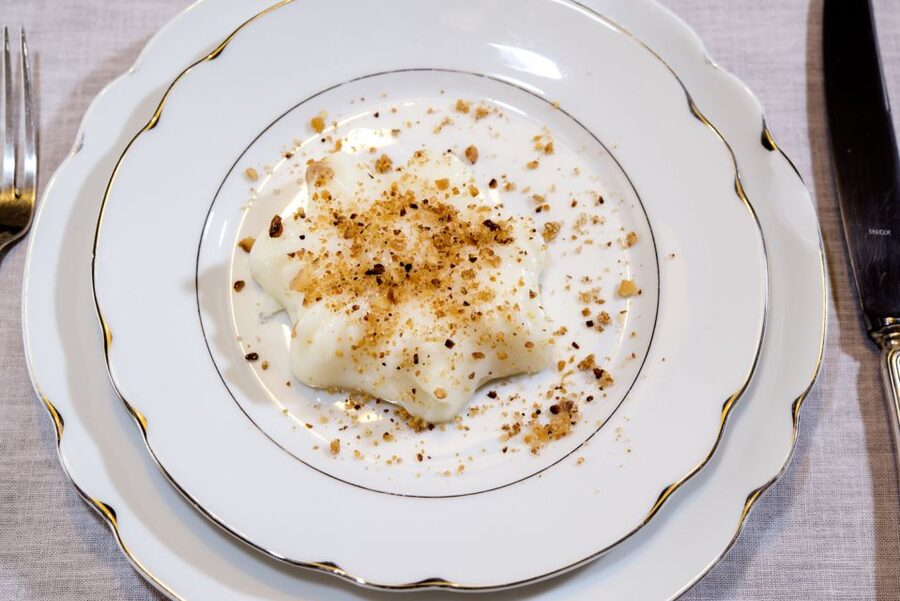
Dessert in this kind of class is not a token sweet. It is part of completing the meal, and the lesson flow ends with you eating what you cooked. That gives dessert a practical role in your memory. You learn how Italians think about finishing, the way sweetness balances the earlier courses.
Why this matters for you: dessert is often where cooking classes become vague. Here, since you taste everything, you get instant feedback on your results, and that helps you refine what you make next time at home.
Your Kitchen Setup: Workstation Tools, Ingredients, and Wine Pairing
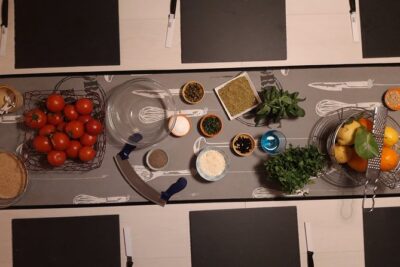
You do not show up to hunt for cookware. The class provides a workstation equipped with utensils and all the ingredients. That is a big quality-of-life detail, because it keeps the time focused on learning.
In a traditional home setting, you also learn small, practical things that do not make it into cookbook instructions. For example, you might notice how the cook handles sequencing, like keeping a pot going while prepping the next step, or how they adjust seasoning at the end instead of early. Those are the habits that make a meal feel effortless when you try it later.
Once the end result is ready, the tasting part is where the experience “clicks.” You sit down and taste everything you prepared, and it comes with:
- Water
- Local wines
- Coffee
That beverage mix is not random. Wine is part of the Italian table culture, and coffee is the classic closing note. You get a full meal arc, not just sample bites.
One more thing I like: since you make the food and then taste it, you get a direct sense of how the recipe is supposed to land. If something is off, the cook can often explain why in simple terms, based on what you experienced during prep.
What Makes This Class Feel Authentic, Not Tourist-Led
Plenty of cooking classes say local. This one is closer to home-cooked reality because it happens in a private residence and is taught by a certified home cook. The reviews back this up with consistent praise for the hosts treating people like family and creating a heartwarming atmosphere.
Here is what “authentic” looks like in practice for you:
- You cook in a normal home kitchen environment, which usually means less performance and more real conversation.
- The recipes are framed as family knowledge, drawn from family cookbooks and heritage habits, not just culinary trends.
- The tasting is a shared meal moment, which is the best place to ask questions and get small fixes.
If your goal is to understand Sicilian cooking as a living thing, not as a museum display, this format tends to deliver. It also works well if you like meeting locals as people, not just hosts who check boxes.
Ragusa and Sicily Flavor Logic: How to Get More Out of the Lessons
You will likely be focused on getting through the courses, but you can get even more value from the session with a couple of habits.
Ask for the What and the Why
When the cook explains a step, I’d encourage you to ask:
- What should this stage look or taste like?
- What is the common mistake people make here?
- What would you adjust if you are cooking at home with different pans or timing?
The class language includes English and Italian, so you can ask in whichever language feels easier. Even basic questions can help you convert the experience into something you can repeat.
Taste with Intent, Not Just Hunger
Since you will taste everything you made, take a moment before you eat and check:
- Salt level and balance
- Texture (too soft, too firm, too watery)
- Aroma changes from start to finish
That is how you learn quickly. When you later cook at home, you will remember what the finished dish should feel like.
Bring Home “Skills,” Not Souvenirs
The payoff is stated clearly in the experience concept: instead of packing souvenirs, you take home Italian cooking skills. That is not marketing fluff if you pay attention. If you can replicate the course flow and basic technique, you can rebuild the meal again and again.
Price and Value: Is $164.26 per Person Worth It?
At $164.26 per person for a 3-hour private class, the price can look high compared to group cooking tours. But private home experiences usually cost more because you are paying for:
- Dedicated host time
- A private setup in a residence
- A hands-on lesson that results in a full meal for you
The value question is really about what you get. Here you get three courses (starter, pasta, dessert), plus wine, coffee, and water, and a lesson taught by a certified home cook. Also, it is a private group, which tends to mean you spend more time actually cooking and less time waiting or observing.
So, who gets the best value? People who:
- Prefer personal attention
- Want to cook and then eat the results
- Care about learning in a real local setting
- Are okay paying for an experience that ends as a meal, not a demonstration
If you mainly want a cheap photo-friendly activity, then it may not fit. But if you want a memorable skill-building evening in Ragusa, the price becomes easier to justify.
Who This Ragusa Cooking Class Suits Best
This class is a great match if you want an authentic taste of Sicily with real teaching and real table time. It also seems friendly for families, given the positive comments about kids and the warm reception described in the feedback.
Consider it especially if:
- You love Italian home cooking and want technique, not just recipes on paper
- You are traveling with a small group and want privacy
- You have dietary needs like vegetarian, vegan, or gluten-free and want them accommodated upon request
- You want something meaningful for family-root visits, where the experience can connect you back to older memories
It may be less ideal if you want a tour that includes lots of walking around town, major landmarks, or a strict schedule packed with sights. This is about one place, one kitchen, and a full meal experience.
Tips for Booking and Showing Up Smoothly
Because the class starts at 10 AM or 5 PM in typical cases and can be flexible based on travel requirements, you should pick the time that best fits your energy level. Also, because you get the full address after booking for privacy reasons, plan to:
- arrive with a little buffer
- keep your phone ready for directions
- be ready to follow host instructions closely once you have the address
Since it is a 3-hour experience, I recommend eating lightly beforehand unless you love cooking hungry. You are going to taste what you make, so you will want room for the whole meal.
And since the lesson includes beverages, pace yourself. Wine is part of the experience, but coffee closes the evening, so staying comfortable helps you enjoy all steps.
Should You Book This Private Ragusa Cooking Class?
I think you should book if you want a meal that also teaches you. If your idea of a great day in Sicily includes cooking at a local home, learning three regional dishes, and then tasting them with wine and coffee, this is a strong fit.
Skip it if you prefer large group tours, lots of sightseeing, or you want a class that focuses on only one dish. This is structured around a three-course experience, so your time is designed to be about making and eating together.
For most people, the decision comes down to one question: do you want to leave Ragusa with skills and memories tied to food? If yes, this private class with Salvina and Angelo, through Cesarine, is exactly the kind of experience that sticks.
FAQ
How long is the Ragusa private cooking class?
It lasts 3 hours.
What will I cook during the lesson?
You will make three local dishes, including a starter, pasta, and dessert.
Are beverages included?
Yes. The class includes water, wines, and coffee.
Where does the class take place?
It is held in a local family’s home. For privacy, you receive the full address after booking.
Can dietary requirements be accommodated?
Yes. Vegetarian, vegan, and gluten-free dietary requirements can be catered to upon request.
What language is the instructor?
The instructor speaks English and Italian.
Just reviewed in Ragusa
- Ragusa Ibla: Walking Tour with Local Guide★ 4.4 · 8 reviews
- Ragusa Countryside Home Cooking Class & Meal★ 4.8 · 6 reviews
- Radici: IImmerse yourself in the heady scents of our garden★ 4.7 · 7 reviews
- 3-hour walking tour Discovering Ragusa Baroque★ 5.0 · 51 reviews
- Olive Oil Tasting & Historic Olive Mill Tour in Ragusa area★ 5.0 · 9 reviews
- Ragusa: Dining Experience at a Local’s Home★ 4.9 · 12 reviews
Cooking Classes, compared.
Pizza and Gelato Cooking Class with Dinner and Wine
Read our review →
Seaview Cooking Class & Taormina local flavors with Chef Mimmo
Read our review →
COOKING CLASS in Taormina at Chef Massimo HOUSE!!
Read our review →
Cannolo Cooking Class with Completion Certificate
Read our review →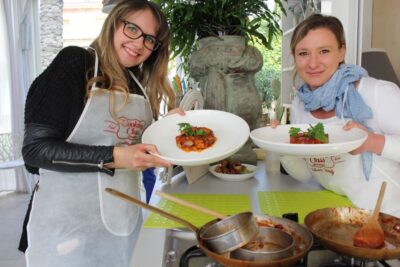
Browse the lists this tour appears in