
Reviewed in full · PALERMO TOURS
Tour Cappella Palatina e palazzo Reale: patrimonio Unesco
Palermo’s Royal Palace and Cappella Palatina sit at the intersection of power, art, and religion, all in one UNESCO stop. The scale is impressive, but the real hook is the inside story: 2,700 years of rulers and ideas, plus mosaics that look like they were made for sunlight.
I love how this tour helps you read the Palace. You get the context first, then the visuals make sense, from Byzantine mosaics to the Islamic muqarnas ceiling. I also like that the day includes the Royal Palace’s major chapters, from Roger of Hauteville to Frederick II, so the building feels like an ongoing drama, not a static museum.
One consideration: entrance tickets are not included, and the tour is Italian-only. If you do not read Italian or you hate waiting for timed entry, you’ll want to plan that part carefully.
Key things you’ll notice
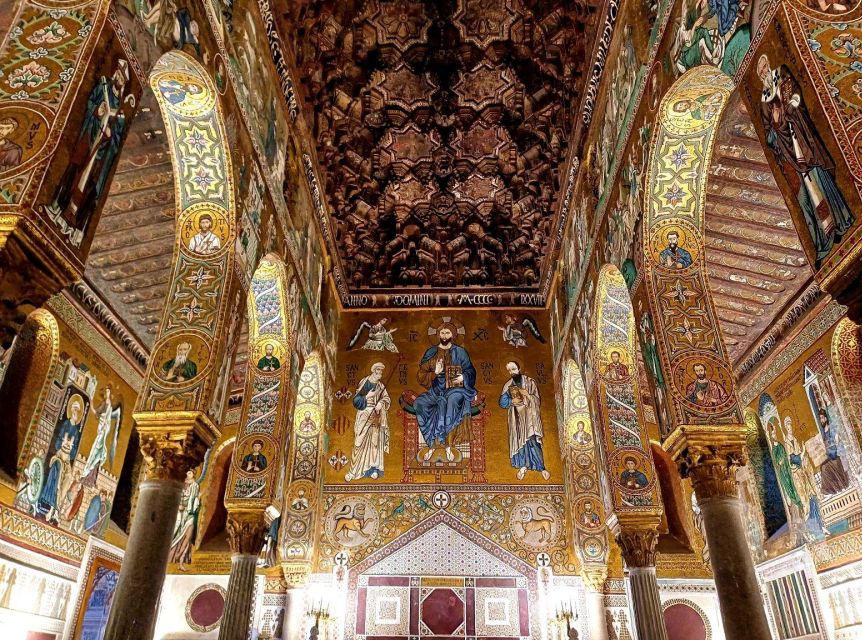
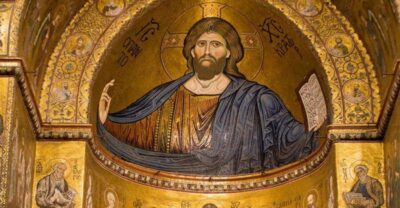
- Golden mosaics in the Cappella Palatina that combine multiple artistic traditions
- Roger of Hauteville’s 1140 vision, explained so you know what you’re looking at
- Frederick II’s Palace chapter, including the Sicilian Poetic School
- A Chinese-style queen chamber, adding a surprising twist to the Royal Palace
- Italian-only guiding with standout guides like Fabrizio and Claudio
- Strict dress rules, no shorts, no short skirts, no sleeveless shirts
Why Palermo’s Royal Palace and Cappella Palatina are a UNESCO must
If you care about how Mediterranean history actually looks on the ground, Palermo delivers. The Royal Palace of Palermo, also called Palazzo dei Normanni, is one of the oldest royal residences in Europe. It is the kind of place where you can literally walk through layers of who ruled, how they thought, and what they wanted to project.
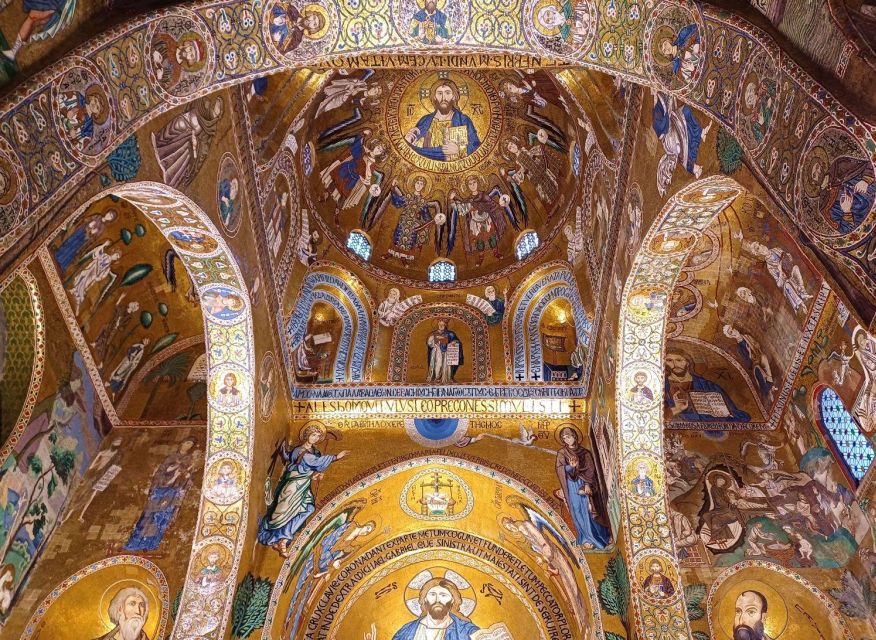
The Cappella Palatina is the star move. Guy de Maupassant famously called it the most beautiful church in the world, and that claim is not just marketing. This chapel was built in 1140 by Roger of Hauteville as a symbol of ambition and power, and the artwork is designed to make you slow down.
What I like most is that the day does not treat the mosaics as decorations. You learn the “why,” then you see the “wow” in the same hour. That is the difference between passing through and actually understanding.
Other Palermo options side by side
- Palermo: NO Mafia Walking Tour
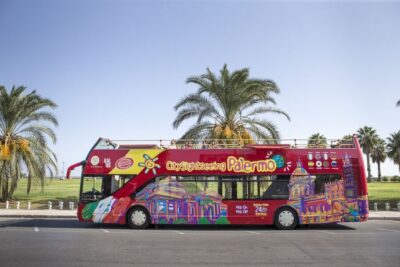
★ 4.8 · 2,431 reviews - Palermo: Hop-on Hop-off Bus Tour 24-hour Ticket
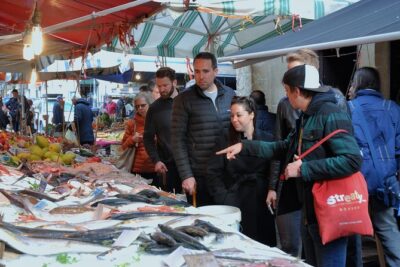
★ 3.9 · 2,410 reviews - Palermo Original Street Food Walking Tour by Streaty
★ 5.0 · 2,105 reviews
Planning your day: tickets, dress code, and Italian-only guidance
Before you go, get the two practical items straight.
First, the guided portion includes the guide, but entrance tickets are not included. You will need to buy them separately at the Royal Palace ticket office or online from the official site. This matters because the Palace and Cappella require entry tickets, so skipping this step can stall your whole visit.
Second, the tour runs only in Italian. The guide service is in Italian, so this is the right fit if you are comfortable following a history lesson at normal speaking speed. If your Italian is basic, you might still enjoy the visuals, but you will miss a lot of the story.
One more thing that sounds minor until you’re standing there: the site has a dress code. Shorts, short skirts, and sleeveless shirts are not allowed. I always tell people to pack a light layer just in case you arrive warmer than you expected and need to adjust fast.
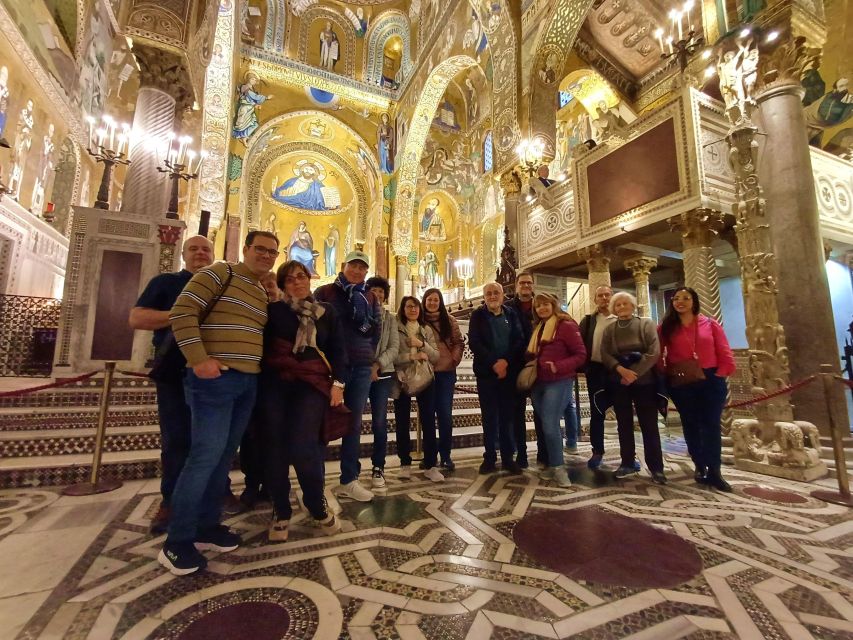
Meeting point is simple: in front of the ticket office kiosk, about 100 meters from the entrance to the Palace. Plan to arrive a few minutes early so you can get sorted before entry windows.
Royal Palace of Palermo: walking through 2,700 years of rulership
The Royal Palace experience starts with a building that refuses to be one thing. It began as a fortified castle, then when the city was founded it was heavily renovated and expanded by the Norman kings. After that, it became the main residence and the seat of the court, treasury, and even royal factories.
In a single visit, you get a sense of how Palermo became a crossroads. The Palace was not only a home for kings. It was also where administration happened, where power was performed, and where official life met cultural ambition.
The guide’s job here is to help you “read” what you see. Once you understand that this was the seat of kings of Sicily, and later a site for major political and religious shifts, you look at rooms differently. Instead of asking what is pretty, you start asking what changed and why.
This is also a smart way to avoid the common problem with big palaces. Without context, you can end up rushing from one room to another. With the story framed for you, the visit becomes more focused, even if you move at the same pace.
Frederick II and the Palace chapters that explain Sicily’s reputation
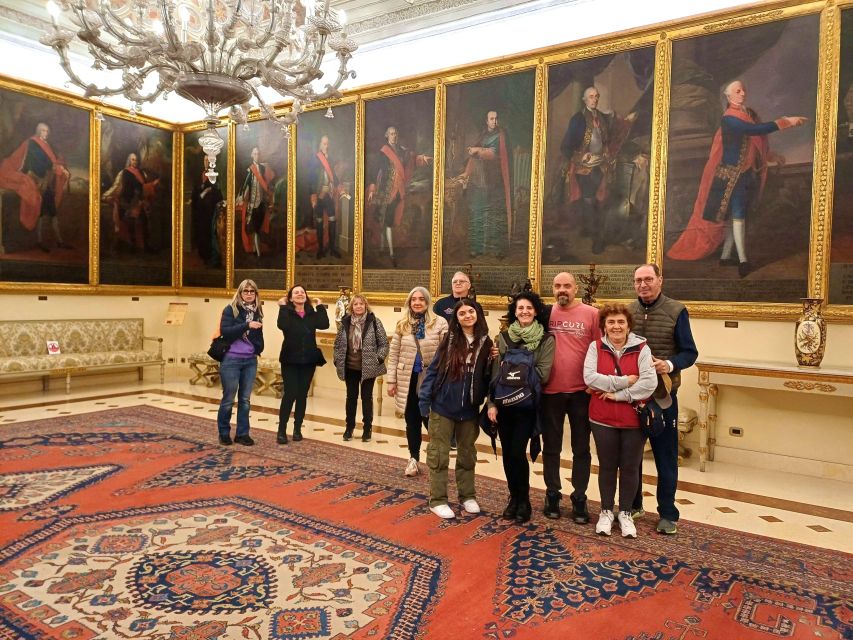
Frederick II is one of the key names tied to this Palace, and this tour makes that association feel concrete. Under Frederick II, the Palace hosted the Sicilian Poetic School. That matters because it links political authority with culture. You are not just seeing walls, you are seeing a stage where ideas were formed and circulated.
The Palace also has a darker chapter. For a short period, it was the Court of the Inquisition. The fact that this royal residence could later be used for such a tribunal adds weight to the place. Sicily was never isolated. It was shaped by decisions made here, and those decisions connected to larger currents across Europe.
Later, the Palace became the seat of the Viceroy and the Sicilian Parliament. That shift is one of the reasons I like this stop for first-time visitors. You see how the same walls can serve different systems, depending on who held power and what they needed.
When a guide points out these changes, the experience becomes less about memorizing dates and more about understanding patterns. The pattern is that rulers used the Palace as a tool. They adapted it, promoted legitimacy through it, and used it to manage society.
A different sort of day out around Palermo:
- Segesta, Erice and Salt Pans Full-Day Excursion from Palermo
★ 4.2 · 1,791 reviews - Palermo: Teatro Massimo Opera House Guided Tour
★ 4.5 · 1,573 reviews - From Palermo: Monreale and Cefalù Half-Day Trip
★ 4.2 · 1,354 reviews - Palermo: Street Food and History Walking Tour
★ 4.9 · 1,294 reviews
Cappella Palatina: Byzantine mosaics, Islamic muqarnas, and Romanesque floor work
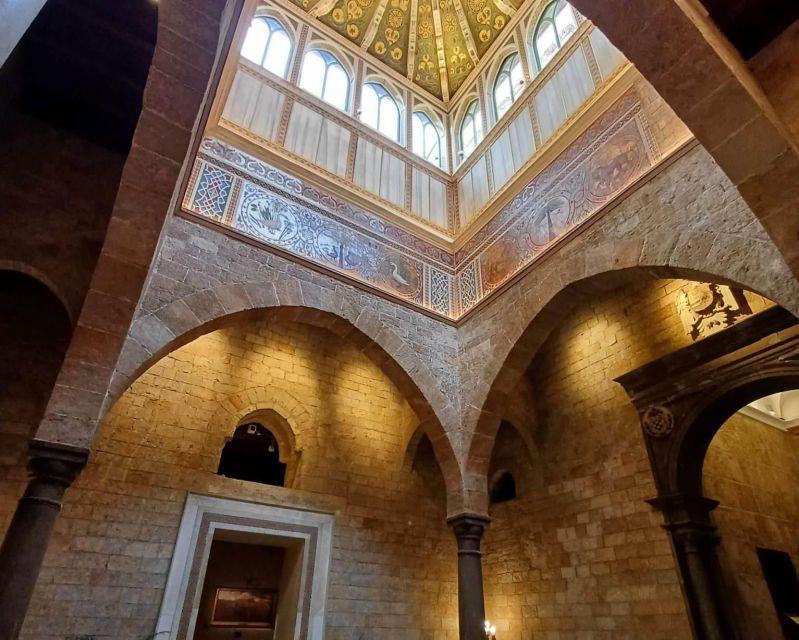
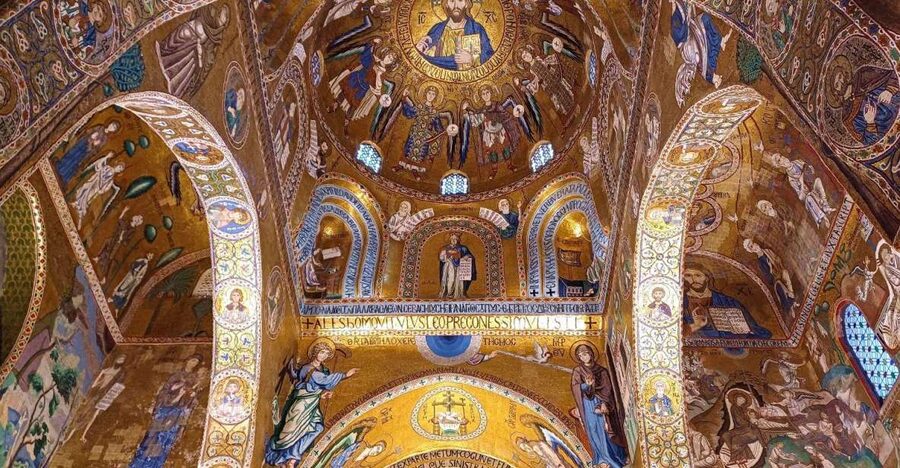
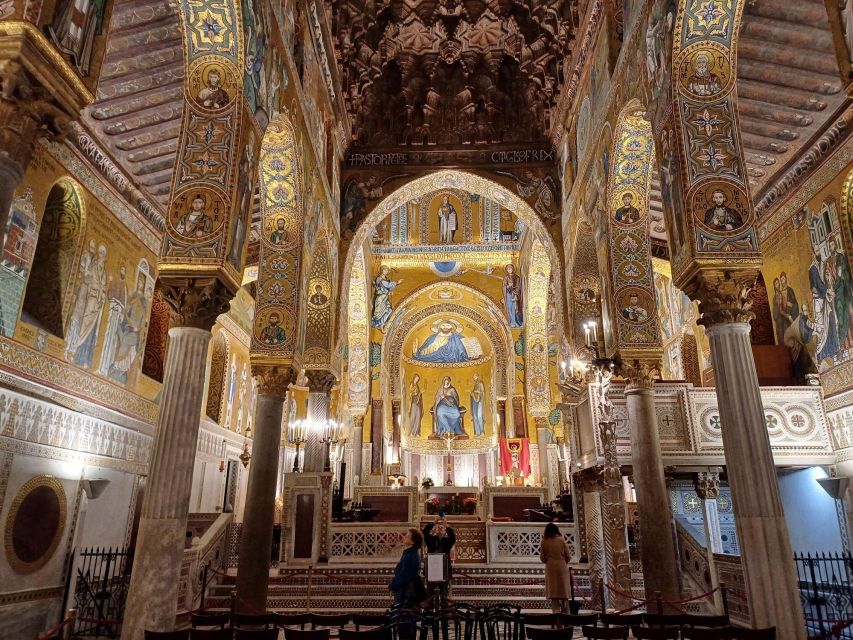
The Cappella Palatina is where the tour earns its reputation. It was built in 1140, and it is known for the way different artistic traditions were brought together in one space.
Inside, you will admire Byzantine mosaics on the walls. These mosaics are not random color. They are part of a visual narrative system, and a good guide helps you see the structure instead of just admiring the gold.
Then comes the ceiling, with Islamic muqarnas. Muqarnas ceilings can look almost like stone stalactites, and here they add a geometric, sculptural feeling that contrasts with the mosaic surfaces. Seeing both styles in the same room is part of why people call the chapel extraordinary.
Finally, look down at the marble floor with inlays of the Romanesque tradition. It is easy to miss if you keep your eyes up the whole time. Slow down. The floor is where you feel the craftsmanship and the blend of influences in materials, not just in decoration.
This is also where the “most beautiful church” comparison makes more sense. It is not one feature. It is the harmony of features. A chapel like this is designed to work as a whole.
The Chinese-style queen chamber: a surprising room you should not rush
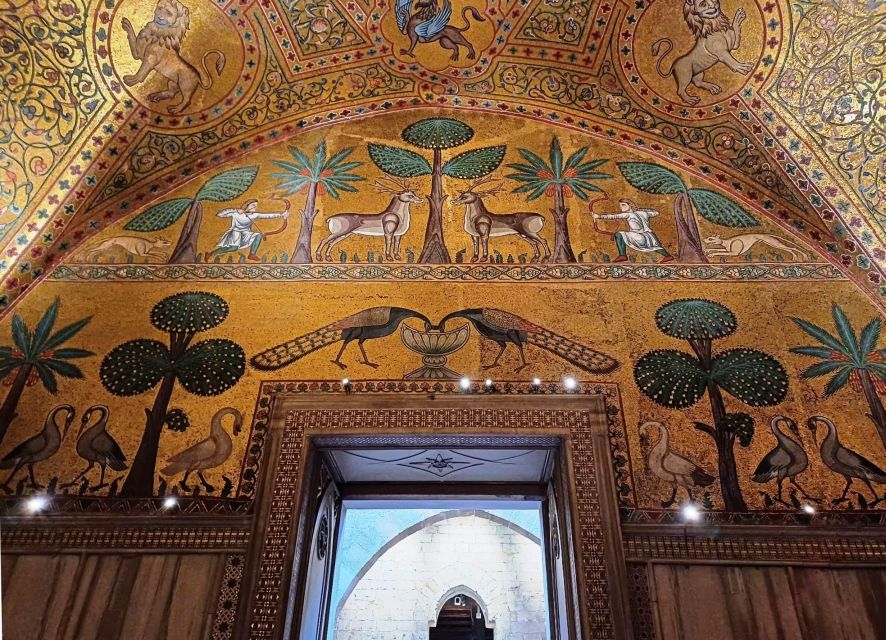
One of the highlights listed for this tour is the Chinese style queen chamber. That detail alone is enough to get your attention, because it signals that the Royal Palace was not stuck in one aesthetic world.
In practice, this chamber gives your visit a mid-day reset. After the chapel’s intense visual system, the chamber can feel more intimate and surprising. It’s the kind of room where you should take an extra minute just to look for how the design language is different from what you just saw.
Even if you do not know what to call each decorative element, your guide can help you place it in the story of court life. And that matters. Royal spaces were designed to communicate status and identity, and this chamber helps show how broad the Palace imagination could be.
How the tour works on your feet: pacing, standing, and the seat reality
This is a walking tour experience, and the review data includes an important note you should take seriously. There can be limited opportunities to sit. If standing for a long time is hard for you, plan accordingly.
That does not mean the tour is unsafe or impossible. It means you should treat it like a real sightseeing day, not a fully seated lecture. Wear comfortable shoes you trust for stone floors and museum-like interiors.
In terms of language, again, it is Italian-only. That affects pacing too. A guide who is explaining details can slow you down in the right places, but it also means you should keep your expectations realistic. You will not be speed-running a checklist. You’ll be following a narrative.
Price and value: why $14 is only the start of the math
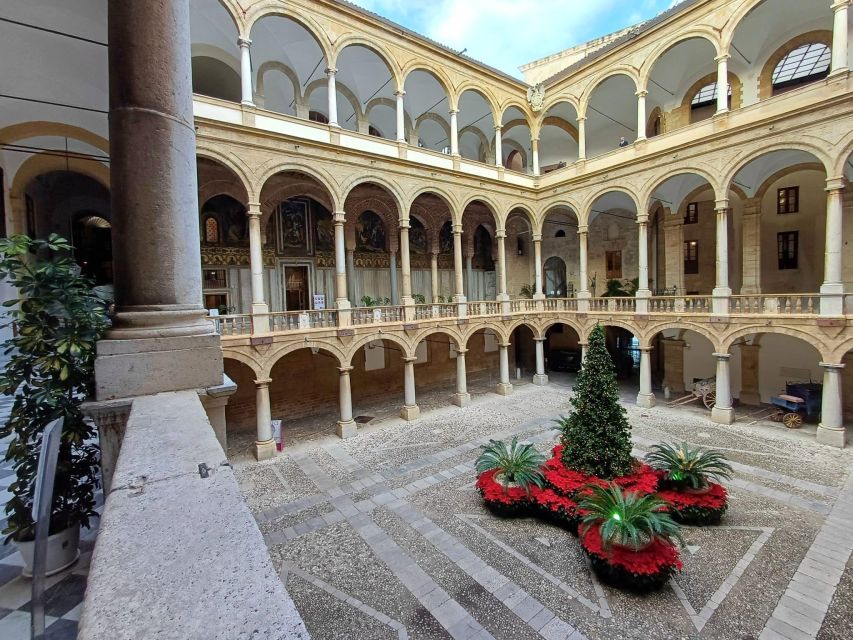
At $14 per person, the guided portion is good value for what you get: a professional guide and a structured visit to two UNESCO-linked sites. For many travelers, the main question is whether you can do it on your own for less.
Here is the honest answer. You probably can. But you will be paying with time and guesswork. The value of this tour is that you get the historical thread and the art context together. When the guide explains the Palace story and then helps you interpret the chapel artwork, the experience becomes easier to remember.
You still need to add the entrance tickets separately for the Palace and Palatine Chapel. The tour does not hide that cost, and you should treat tickets as part of the “total day budget.”
If you already love reading on your phone and you are comfortable navigating timed entries, you might skip a guided tour. If you want a guided story and you prefer not to spend your trip trying to connect dots, this is a solid deal.
What kind of traveler should book this?
Book it if you want:
- a history-driven visit to Palazzo dei Normanni
- help understanding why the chapel looks the way it does, including Byzantine, Islamic, and Romanesque elements
- a tour led in Italian, with guides who have been praised for being engaging
This tour is best for people who enjoy structured sightseeing. If you like wandering silently and figuring everything out alone, you might find the Italian-only commentary limiting.
Also consider your comfort level with standing. The tour may have limited seating, so plan your body accordingly.
One more thing: this is a place with a strict dress code. If you show up in summer clothes that do not meet the rules, entry could be delayed.
Should you book this Cappella Palatina and Palazzo Reale tour?
I would book it if your top priority is understanding what you’re seeing in the Cappella Palatina and not just taking photos. The blend of art styles makes the chapel visually famous, and the Palace story makes it meaningful.
I would think twice if you need a non-Italian guide or if you strongly prefer fully seated sightseeing. Also, if you dislike managing timed entry tickets, you must budget time to buy the Palace and Cappella entrance tickets separately.
If you can handle those two points, this is a high-value way to experience one of Sicily’s most important UNESCO stops, with a guided explanation that turns the mosaics from pretty to understandable.
FAQ
Is the tour guide service included in the price?
Yes. The tour includes a tourist guide service with a professional guide. The language is only Italian.
Are entrance tickets included for the Royal Palace and Palatine Chapel?
No. Entrance tickets are not included, and you must buy them separately at the ticket office or online.
How long is the experience?
It is listed as valid for 1 day, with availability depending on the starting time.
What is the meeting point?
Meet in front of the ticket office kiosk, about 100 meters from the entrance to the Palace.
What language is the tour?
The tour takes place only in Italian.
What dress code is required?
Shorts, short skirts, and sleeveless shirts are not allowed.
Is the tour wheelchair accessible?
The information provided includes wheelchair accessibility, but it also lists not suitable for wheelchair users. I recommend checking before you go to confirm what will work for your mobility needs.
How much does the tour cost?
The price is listed as $14 per person.
What is the cancellation policy?
Free cancellation is available up to 24 hours in advance for a full refund.
Is there an option to pay later?
Yes, you can reserve now and pay later, with pay nothing today.
Just reviewed in Palermo
- Relax in Mondello and Sanctuary in Monte Pellegrino★ 4.4 · 70 reviews
- a PRIVATE ride of Favorita Park and Mondello★ 5.0 · 5 reviews
- Palermo to Siracusa: stop al Valley of Temples & Roman Villa★ 5.0 · 5 reviews
- Private tour: Segesta, Salt Pans & Erice★ 3.8 · 4 reviews
- Private Monreale Cathedral and Cloister, Ceramic Lab tour★ 5.0 · 5 reviews
- PHOTOSHOOT IN PALERMO★ 5.0 · 15 reviews
- Private Photographer Shooting + Sightseeing & Tasting Tour★ 4.8 · 4 reviews
- Palermo: Vintage Fiat 500 Sightseeing Tour★ 5.0 · 132 reviews
Palermo Tours, compared.
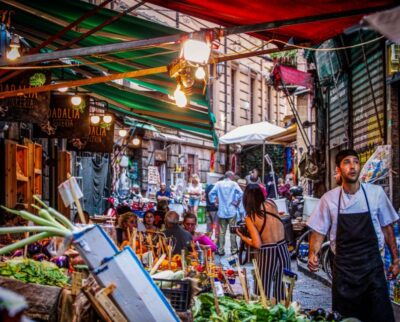
Palermo Original Street Food Walking Tour by Streaty
Read our review →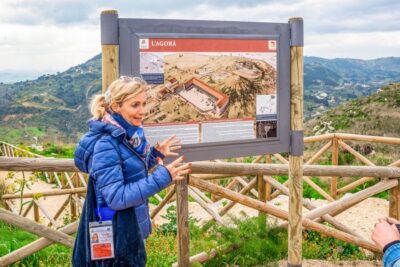
Segesta, Erice and Salt Pans Full-Day Excursion from Palermo
Read our review →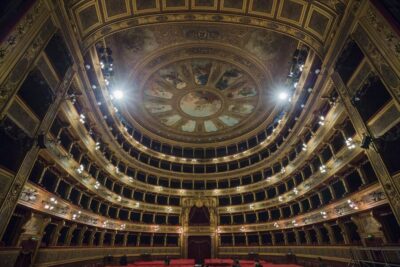
Agrigento and the Valley of the Temples Day Tour
Read our review →Browse the lists this tour appears in