
Reviewed in full · WALKING TOURS
Ragusa Ibla: Walking Tour with Local Guide
Ragusa Ibla works because it gives you Baroque drama on a human scale. You’ll walk the tight historic lanes, stop for the big architectural moments, and end at the Cathedral of San Giorgio in the highest, showiest square. Two things I really like: the Portal of San Giorgio in Gothic-Catalan style (yes, it survived the earthquake), and the quiet reset you get at the Ibleo Garden before you dive back into churches and palaces. The only real drawback is simple, this is a walking tour, and it includes uneven streets and some stairs, so wear grippy shoes.
If you want a guided route that explains what you’re seeing instead of just pointing at it, this private tour fits. I like that the guide is licensed and local, and guides such as Federica show up in feedback for a reason: they can translate the details into something you actually remember, like why certain features matter and where to look next. Price is per group up to 15, so it can be a smart value when you’re traveling with others.
Key highlights to look for on this walk
- Portal of San Giorgio: Gothic-Catalan stonework and the St. George and dragon scene
- Ibleo Garden: the oldest garden in Ragusa, with fountains and views over the Irminio Valley
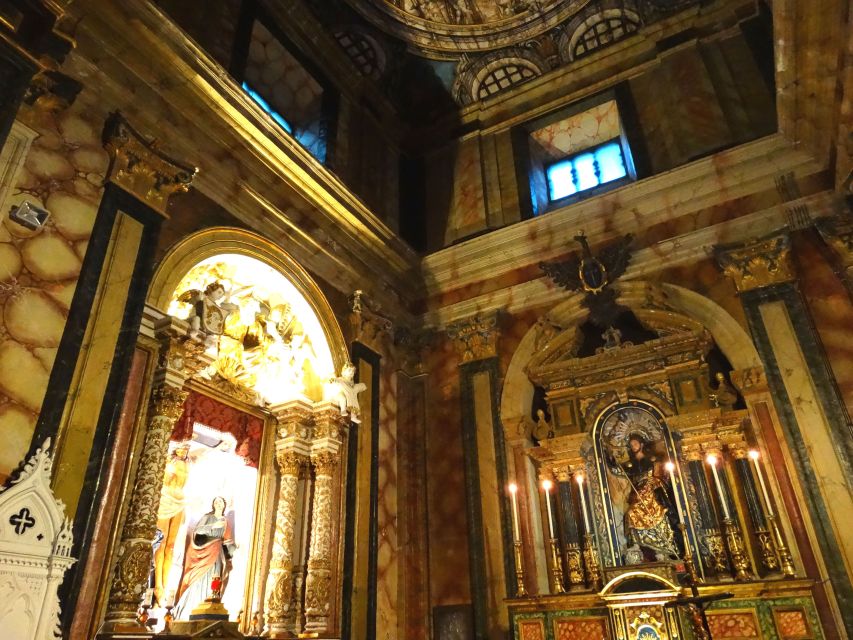
- Church of San Giacomo: an interior built over an ancient temple, with columns, statues, and paintings
- Conversation Circle (Caffè dei Cavalieri): a neoclassical noble meeting point, recognizable from the outside
- Church of S. Giuseppe: Baroque facade plus an interior floor of colored majolica
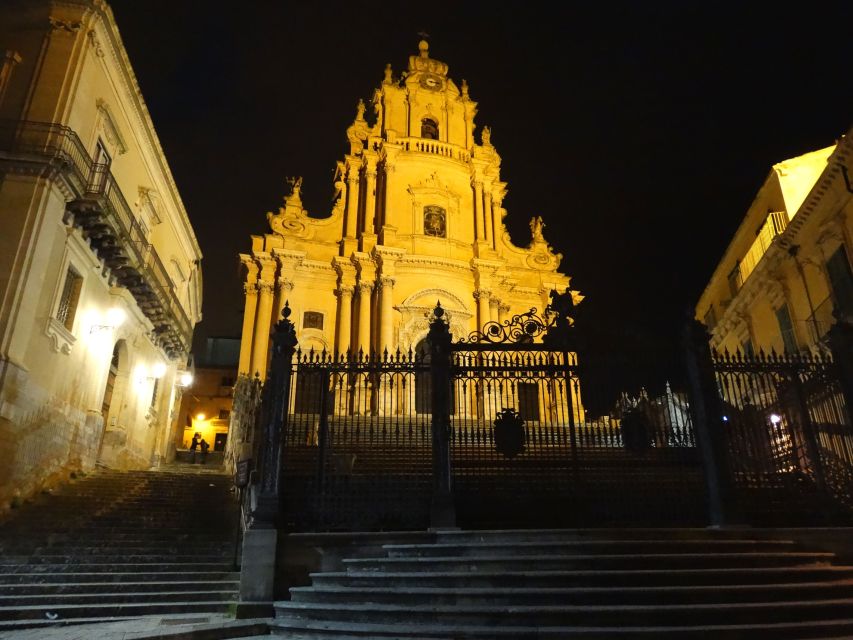
- Cathedral of San Giorgio: the dramatic staircase and the inside with paintings, pipe organ, and St. George statue
Ragusa Ibla’s Baroque lanes, with the key stories attached
Ragusa Ibla feels like it was designed for slow wandering, but it can also feel confusing if you arrive on your own. That’s where a local guide pays off fast. In about two hours, you cover the sights that define this part of Sicily, plus the “why” behind them.
You’re walking through the historic center in the style known for late Baroque, with religious buildings and palaces that make this town a real visual puzzle box. The good news is that the route is focused. Instead of cramming in a dozen random stops, you get the major landmarks and the small details that connect them.
This is also a private group. That matters because you can ask questions as you go, and you’re not stuck listening to a guide talk over a crowd that never slows down.
More walking tours in Ragusa:
- 3-hour walking tour Discovering Ragusa Baroque
★ 5.0 · 51 reviews - Palermo: NO Mafia Walking Tour
★ 4.8 · 2,431 reviews - Palermo Original Street Food Walking Tour by Streaty
★ 5.0 · 2,105 reviews
Meeting at the Portal of San Giorgio: the earthquake survivor
Your tour starts at the Portal of San Giorgio at Via dei Normanni street, in front of the restaurant Risìu. Look for the guide’s license badge. It’s a small thing, but it keeps the meeting point from turning into a scavenger hunt.
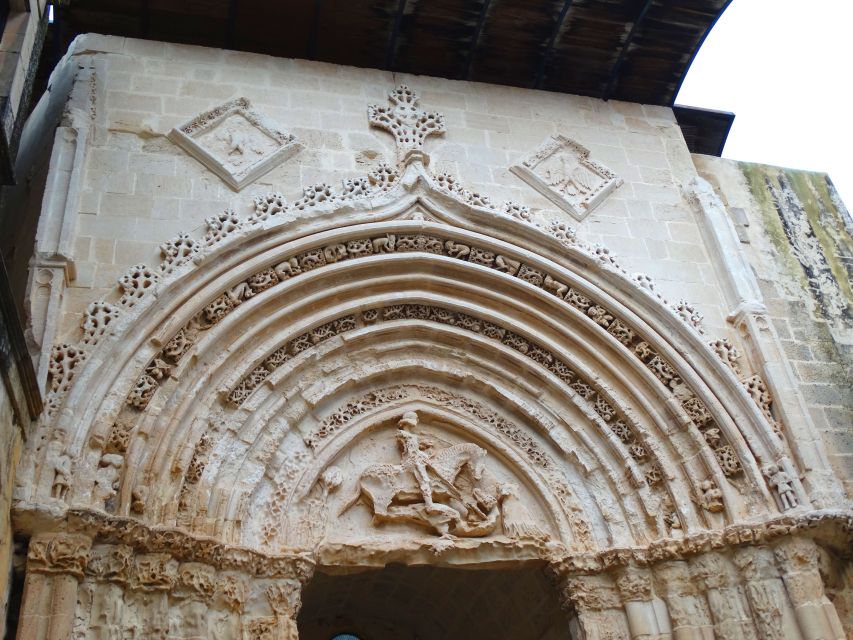
The portal is the first big wow. It’s made with light pink stones and built in a Gothic-Catalan style, which already makes it distinct in Sicily. In the center, you’ll see the fight between St. George and the dragon. That alone is reason enough to pause, zoom in with your eyes, and take a breath.
The other reason it matters is historical. The portal is the only architectural element that survived the earthquake that destroyed the town, including the ancient Cathedral of San Giorgio. Later, the cathedral was rebuilt in another part of Ibla, which is why your end stop feels like a “full story” instead of just a final church.
Practical tip: stand back for a moment and take it all in, then step closer for the stone details. The portal rewards both distances.
Ibleo Garden: where the tour slows down on purpose
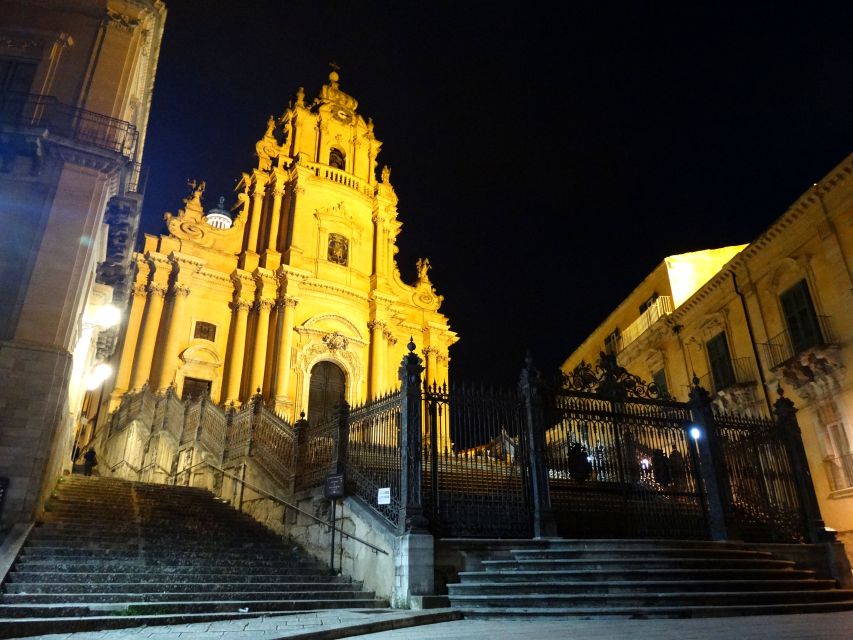
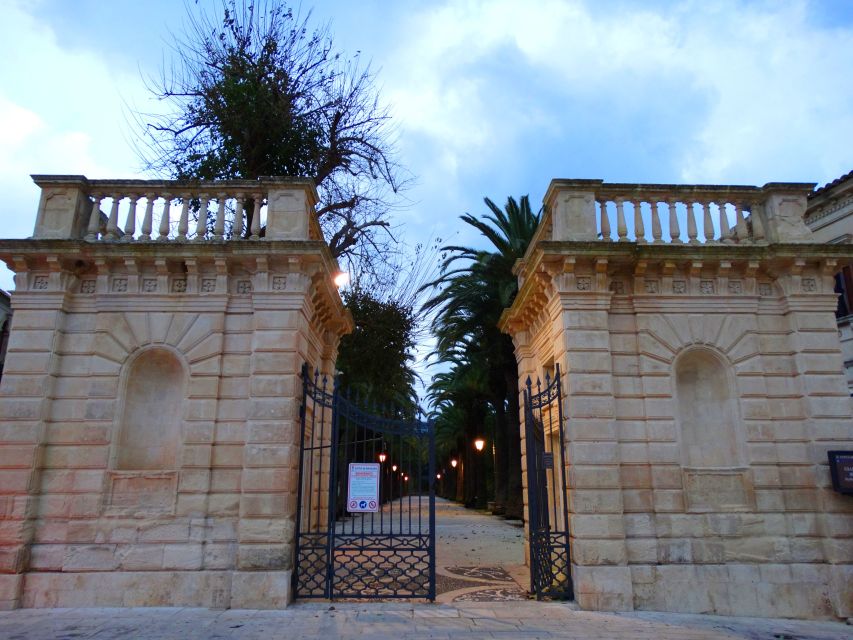
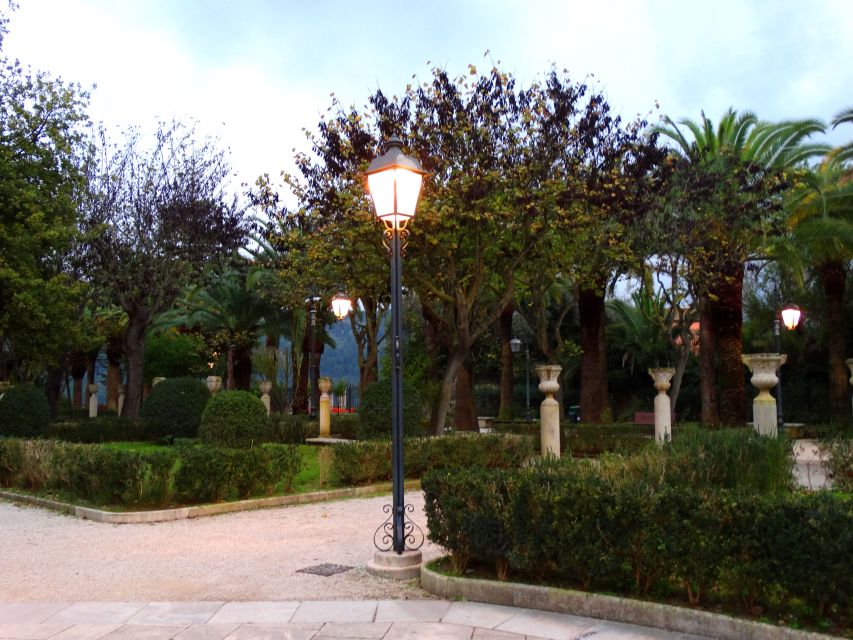
A few steps from the portal, you enter the Ibleo Garden, the oldest garden in Ragusa. It dates to the nineteenth century and sits above the Irminio Valley with views toward the Iblei Mountains. That “height” aspect is part of what makes it feel like a secret pocket, even though it’s right in the town.
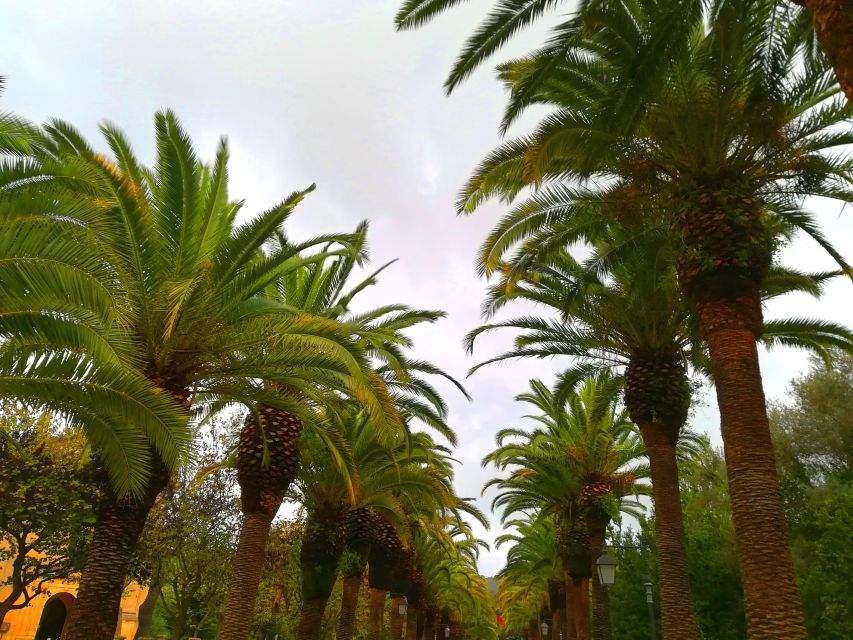
The entrance is lined with an avenue of 50 palm trees, plus an elegant balcony bordering the garden. Once you’re inside, you get that needed shift from stone spectacle to shade, trees, and small water moments.
The garden includes fountains, including one shaped like Sicily, along with a monument to the fallen of the Great War. It also includes churches within the grounds, which quietly ties this stop back to the religious theme of the rest of the tour.
Why this pause is valuable: walking tours often rush. Here you get a calm reset, which makes the next stop feel more intense and meaningful, not just tiring.
Church of San Giacomo: an interior that explains itself
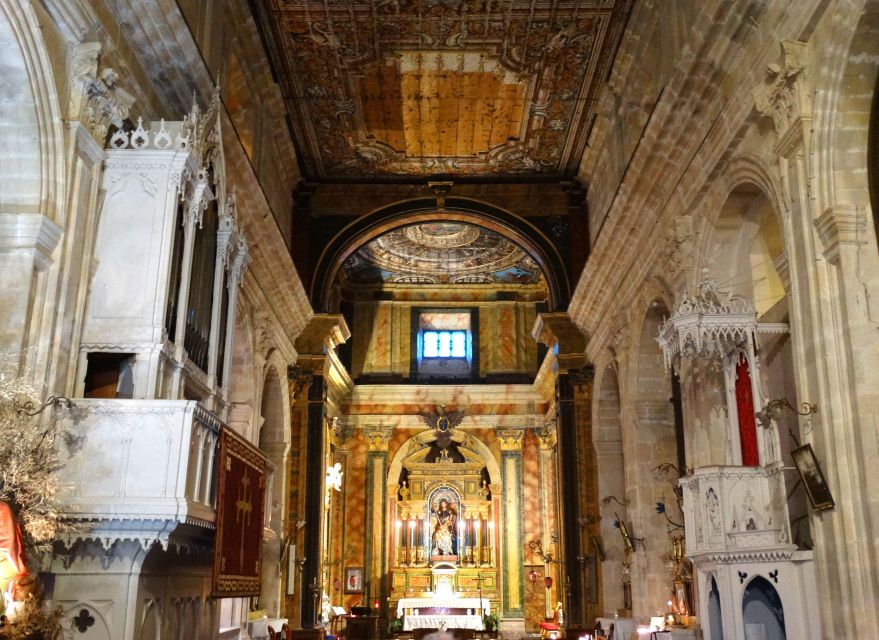
Next you’ll head to the Church of San Giacomo. The big idea is that it stands on an ancient temple, so the building feels layered from the ground up.
From the outside, you might expect a typical church. Inside, it’s a different story. You’ll notice:
- a wooden ceiling
- Corinthian columns
- statues
- precious paintings
This is the kind of stop where a guide helps you look correctly. Without context, you might treat it like “pretty church.” With context, you start noticing how the design choices amplify emotion and status. In Baroque Sicily, that’s the point.
Practical tip: take a few steps before you lock your eyes on the ceiling. Often the best view comes from one spot that you only find after you move.
Other Ragusa options side by side
- Ragusa: Private Cooking Class at a Local’s Home
★ 4.9 · 13 reviews - Ragusa: Dining Experience at a Local’s Home
★ 4.9 · 12 reviews - Olive Oil Tasting & Historic Olive Mill Tour in Ragusa area
★ 5.0 · 9 reviews
Through historic palaces and artisan shops in the real rhythm of Ibla
After the garden and church, the walk becomes more street-level. You’ll move through the historic center among elegant Baroque-style buildings, focusing on features that define the look.
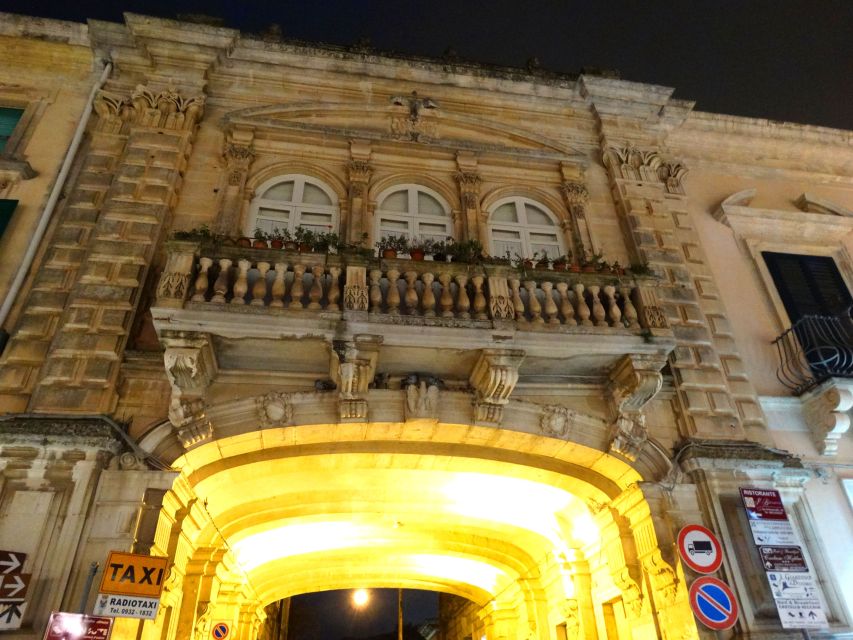
One detail worth paying attention to is the balconies supported by typical Baroque masks. These aren’t random decorations. They’re part of the way architecture communicates power, personality, and theatricality.
You’ll also pass Sicilian ceramics shops and artisan spots where the famous Sicilian carts are still made. That’s useful context for your trip, because it connects what you see here to what still exists today, not just the past on museum walls.
The timing also matters. You’re not racing from stop to stop. The route gives you enough minutes in each location to absorb what’s in front of you, then walk it off when you need to reset.
Conversation Circle, also called Caffè dei Cavalieri
One of the more interesting “non-church” moments is the Conversation Circle, known as Caffè dei Cavalieri. You see it from the outside, and it’s identified as a neoclassical building wanted in the nineteenth century by nobles of Ragusa as an exclusive meeting point.
The exterior clues you in quickly: there are precious frescoes, chandeliers visible on the ceiling, and mirrors that create that nineteenth-century feel of polished display and private status.
Even though you are not going inside during this stop, I like having it on the route because it explains the social engine behind the architecture. Churches show devotion, but meeting places show how communities ran on relationships, power, and conversation.
Church of S. Giuseppe: matching cathedral vibes, plus colored majolica
As you walk toward the cathedral area, you’ll visit the Church of S. Giuseppe. The facade is similar to the cathedral, also in Baroque style, which helps you understand the visual language of Ragusa Ibla.
Inside, you’ll get a standout detail: the floor of colored majolica. That’s the kind of thing that feels both decorative and practical, because it turns the floor into an artwork you have to slow down for.
This stop is also a good example of why guided walking works. A guide helps you know where to look first, so you don’t waste time hunting for the best feature.
The main event: Cathedral of San Giorgio and its imposing staircase
Your tour ends at the symbolic monument of Ragusa, the Cathedral of San Giorgio, preceded by an imposing staircase. This is the moment the town saves for the finale.
You visit the cathedral inside, and you’ll be able to admire:
- paintings by eighteenth-century Sicilian masters
- a large pipe organ
- a statue of St. George on horseback, including his reliquary
And yes, you’ll recognize the theme from the starting portal. You’re basically tracing the St. George story through stone and art, from the Gothic-Catalan entrance piece to the cathedral’s interior centerpiece.
The staircase is not just for drama. It also sets the mental geography of Ibla. You feel like you’ve reached the top of the town’s visual hierarchy, and that makes the Baroque contrast hit harder when you look back down at the lanes behind you.
Practical tip: if you’re sensitive to stairs, plan for a slower pace here. The cathedral area is a payoff, not a sprint.
Duration, group size, and what you should plan around
This is a two-hour walking tour. You’ll cover the historic center stops mentioned, then return to the meeting point at the end. Starting times vary, so you’ll want to check availability when you book.
It’s priced at $389.70 per group up to 15. That pricing structure can be good value if you’re a small group, family, or two couples traveling together. If you’re traveling solo, the cost might feel steep relative to your budget, especially since food and drink are not included.
Also consider that the tour is private. That’s not just a luxury detail. It usually means the pace and stops can feel more natural. You can ask questions, and the guide can react if you want more time looking at a facade or less time inside a shop window.
Finally, no food or drink is included. So plan a snack before or after. Ragusa Ibla is best when you give yourself time to sit down afterward and actually digest what you saw.
What this tour is best for, and who should skip it
I’d book this if you want:
- a fast, organized way to see the key sights of Ragusa Ibla
- architectural and art context, not just sightseeing
- a guided walk that still feels local and practical
I’d think twice if you want:
- a long, panoramic tour that climbs beyond Ibla
- a food-focused experience, because this route is about churches, palaces, gardens, and cathedrals
- something you can do in very limited mobility, since you’ll be walking through historic streets and reaching the cathedral staircase
One small caution from experience with these kinds of short walking tours: if you also want views from higher ground in Ragusa Superiore, you might need separate time. This walk keeps you centered on Ibla and its landmark cluster.
Value check: is $389.70 per group worth it?
Here’s how I judge the value. You’re paying for a licensed tour guide plus a route that hits the major landmarks that define the area: the portal, the oldest garden, a church with layered construction, a social landmark, and the cathedral with inside details.
If you split the group cost, the price can become reasonable fast. And because food is not included, the tour fee is doing one job: guide-led interpretation of the built environment. You aren’t paying for lunch you may or may not eat.
If you’re traveling solo or as a couple with a tight budget, the decision comes down to how much you care about learning the symbolism behind what you’re seeing. If you’re the type who enjoys details like Gothic-Catalan style, Baroque masks, or why St. George appears in multiple places, this guide-led format is a strong match.
Should you book this Ragusa Ibla walking tour?
I’d recommend booking if your goal is to understand Ragusa Ibla in a short visit, and you want a guide who can connect the dots between the earthquake-surviving portal, the calm garden reset, and the cathedral finale. The stops are specific and meaningful, and the walk is structured without feeling mechanical.
Book it especially if you’re coming with one or two friends and can use the group pricing. You’ll get the benefits of a private pace, plus the payoff of ending inside the Cathedral of San Giorgio.
If you prefer self-guided wandering with no scheduled route, you might feel limited by the two-hour structure. But if you want a plan that makes the town easier to read, this one is a solid choice.
FAQ
Where does the tour start?
The tour starts at the Portal of San Giorgio on Via dei Normanni street, in front of the restaurant Risìu, where you meet the licensed guide.
How long is the Ragusa Ibla walking tour?
The tour lasts 2 hours.
What is the price and group size?
It costs $389.70 per group, for groups up to 15 people.
What is included in the price?
A licensed tour guide is included.
Is food or drink included?
No. Food and drink are not included.
What languages is the guide available in?
The live guide is available in Italian, English, French, and Spanish.
Where does the tour end?
The tour ends back at the meeting point at the Portal of San Giorgio.
Just reviewed in Ragusa
- Ragusa Countryside Home Cooking Class & Meal★ 4.8 · 6 reviews
- Radici: IImmerse yourself in the heady scents of our garden★ 4.7 · 7 reviews
- Ragusa: Private Cooking Class at a Local’s Home★ 4.9 · 13 reviews
- Ragusa: Dining Experience at a Local’s Home★ 4.9 · 12 reviews
- 3-hour walking tour Discovering Ragusa Baroque★ 5.0 · 51 reviews
- Olive Oil Tasting & Historic Olive Mill Tour in Ragusa area★ 5.0 · 9 reviews
Walking Tours, compared.
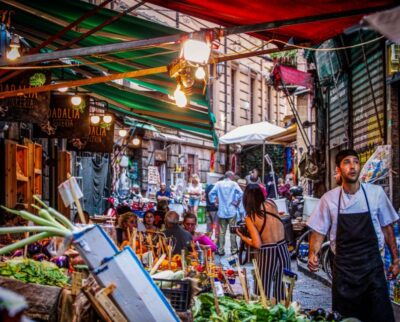
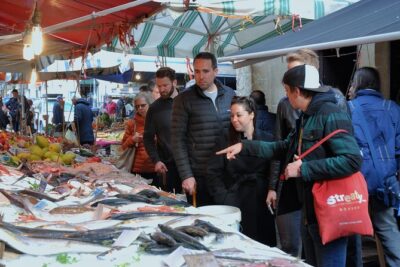
Palermo Original Street Food Walking Tour by Streaty
Read our review →
Palermo No Mafia walking tour: discover the Anti-mafia culture in Sicily
Read our review →
Street Food Walking Tour with Local Guide & Tasting
Read our review →Browse the lists this tour appears in