
Reviewed in full · WALKING TOURS IN SYRACUSE
Syracuse: Ortigia and Neapolis Guided Walking Tour
Syracuse is one of those places where you can feel time stacking on itself fast. In just 3 hours, you move between Neapolis and Ortigia, and the city’s Greek, Roman, and later layers show up in stones you can point to.
I love how the tour focuses on the big sites you actually want, like the Temple of Athena area and the Cathedral of Syracuse, then ties them together with stories about how belief and power changed over the centuries. I also like the small-group feel and the headset, so you can hear the guide clearly even when you are surrounded by other noises on the street.
One consideration: entrance fees are not included, so you should budget extra for monument admissions on top of the tour price. Also, it is a walking tour, so wear shoes you trust.
Key highlights you will feel on this tour
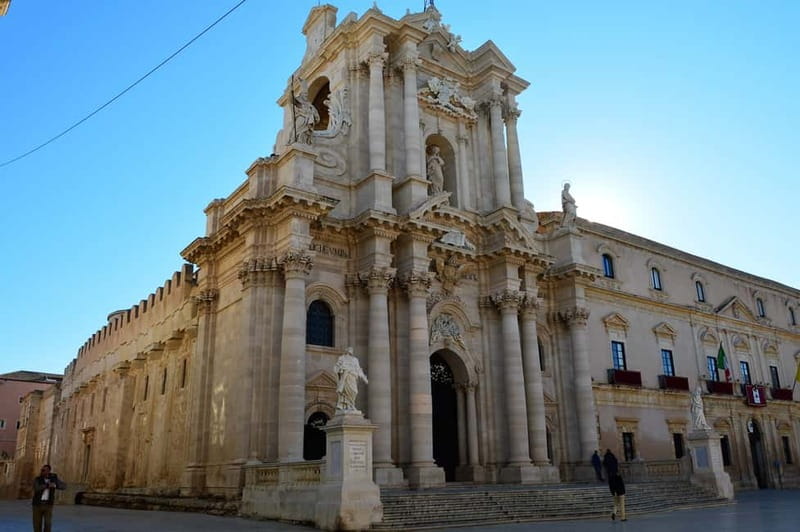
- Temple of Athena and the Cathedral of Syracuse: pagan foundations inside Christian architecture, explained in plain terms
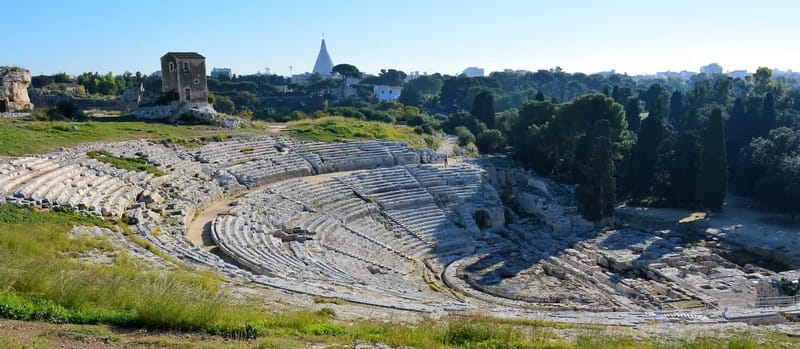
- Neapolis theaters: the Greek Theater and Roman Amphitheater, plus views that make the effort worth it
- Paradise Latomia and the Ear of Dionysos: a unique stop that turns sightseeing into a story
- Ortigia’s labyrinth streets: guided walking where you get your bearings fast
- Small-group + headset: better conversations, less straining your neck to hear
- Great guide energy: names like Marcelo, Anna, Laura, Giuseppe, and Rosanna come up for a reason
Syracuse in 3 hours, Greek temples and Roman echoes in one loop
This tour is built for short attention spans and big curiosity. You are not just taking photos of old ruins. You are connecting them, with a guide who shows how Syracuse grew into a major Mediterranean power, then got reshaped by the Romans and later waves of rulers. You end up understanding why certain buildings look the way they do, and why the city still feels Greek even when the centuries have stacked up.
What makes the experience work is the order. You start in the Neapolis area, where the ancient theater world is front and center. Then you shift toward Ortigia, where you walk among streets that feel like they were made for drifting, not rushing. In other words, you get both the monumental and the lived-in parts of Syracuse.
I also like that the tour is described as early Greek history through architecture and religious practices. That means you are not left with random facts. You see how temples and rituals shaped public life, and you can trace those themes as the city changes.
More Walking Tours in Syracuse
- Syracuse: Street Food Walking Tour in Ortigia with Tastings
★ 4.9 · 293 reviews - Syracuse: Ortigia Private Walking Tour
★ 4.8 · 181 reviews - Syracuse: Ortigia Classic Walking Tour
★ 4.7 · 167 reviews
Where you meet and why the start matters
You meet at the Biglietteria Parco Archeologico Neapolis, Via Luigi Bernabò Brea, 96100 Siracusa. The guide meets you at the ticket office with a sign for the local partner, so you are not wandering around trying to find a group.
There are two possible start options noted for Stop 1: the Neapolis ticket office (Biglietteria Parco Archeologico Neapolis) or the Tempio di Apollo area. This matters because you want to be on the right side of the city before the walk begins. If you are arriving from elsewhere in Syracuse, check which starting point your departure time uses, so you do not lose energy to logistics.
The good news: the tour includes a headset to help you hear the guide better. That is a small detail that makes a real difference when you are standing in outdoor spots where sound bounces around.
Duration is about 3 hours, with starting times depending on availability. Plan for a half-day vibe, not a quick hit, because the guide takes time for stops, photos, and explanations.
Stop 2: Temple of Athena, then the Cathedral of Syracuse in the same breath
Your first key site stop is the Temple of Athena. There is a photo stop, then a guided visit and explanation for about 30 minutes.
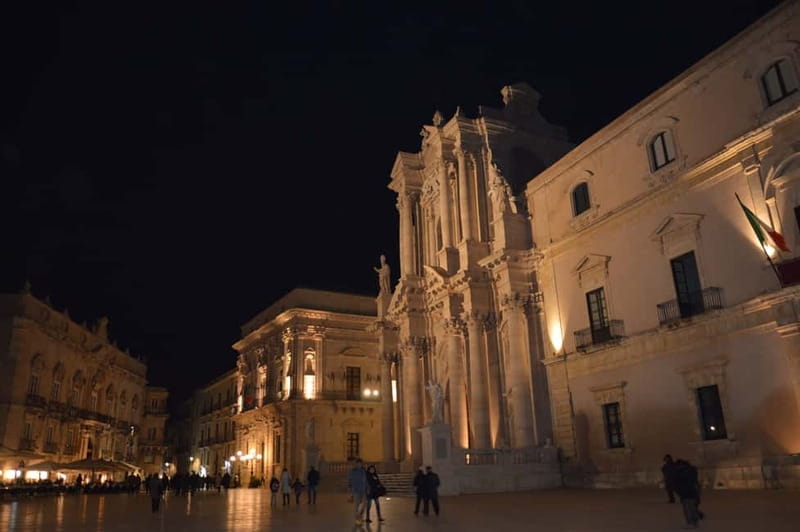
Here is what makes it memorable: the Cathedral of Syracuse incorporates the pagan Temple of Athena. So you are not seeing a single period at a time. You are seeing one belief system literally layered over another. The guide also points out different architectural styles, so you learn how the cathedral became what it is, not just what it looks like.
This is the kind of stop where you get more out of looking than you think you will. When someone explains what you are seeing, details start to snap into focus, like the reason certain features exist and why the building feels both ancient and unmistakably present.
Also, this part of the tour tends to be the payoff for people who like “why this exists” answers. If your travel style is more context than scavenger hunt, you will probably enjoy the way the guide links religion, power, and architecture.
Stop 3: Neapolis archaeological park, theaters, Latomia, and the Ear of Dionysos
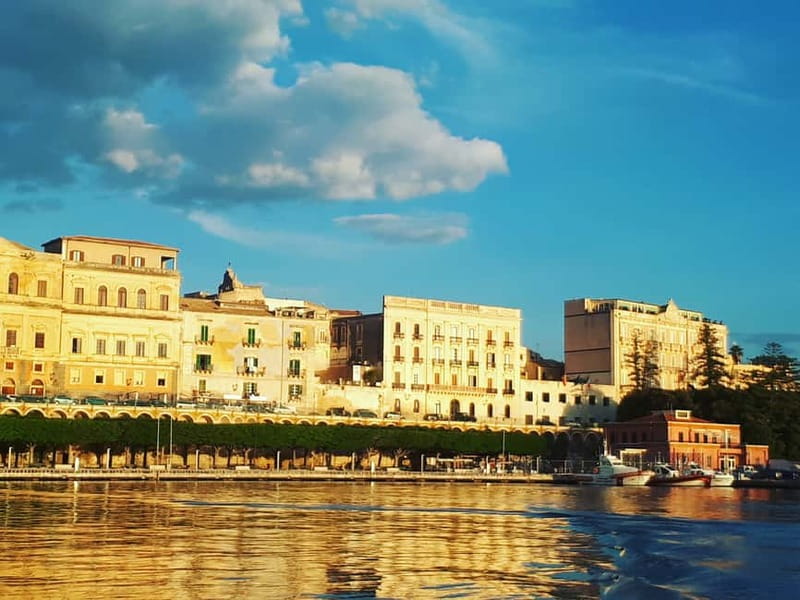
After the cathedral-area focus, the tour continues into the Neapolis archaeological park territory. This is where Syracuse looks like Syracuse, meaning big stone statements and impressive scale.
You will visit the archeological park and see its two ancient theaters: the Greek Theater and the Roman Amphitheater. Both are worth your attention, but for different reasons. The Greek Theater gives you the sense of how the city staged public life, while the Roman Amphitheater shows the later adaptation of the space. Put them together and you see continuity and change at the same time.
One of the highlights described is the views from the Greek Theater. That spot gives you a real sense of placement, with the Ionian Sea visible from above. Even if you have seen plenty of viewpoints in Italy, this one works because it is tied to the theater’s original purpose: gathering, spectacle, and the feeling of being watched back.
The tour also includes Paradise Latomia and the Ear of Dionysos. These are the kinds of stops that often feel like a footnote in other itineraries, but here they are treated as important. The Latomia area gives you a dramatic setting, and the Ear of Dionysos brings in the legend side, which can be great if you enjoy the storytelling dimension of ancient sites.
If you are the type who asks lots of questions, this is the area where your questions usually land well. Several guides associated with this tour are praised for answering everything and keeping the energy going, even when plans meet weather.
A different sort of day out around Syracuse:
- Syracuse: Boat Tour with Captain Mirko, Snorkeling & Caves
★ 4.7 · 746 reviews - Siracusa: Ortigia Boat Tour with Marine Grotto
★ 4.7 · 617 reviews - Siracusa: Ortigia & Sea Caves Speedboat Tour with Swim Stop
★ 4.9 · 499 reviews - Syracuse: Neapolis Archaeological Park Small Group Tour
★ 4.7 · 350 reviews
Ortigia’s ancient streets, Cathedral vibes, and getting your bearings fast
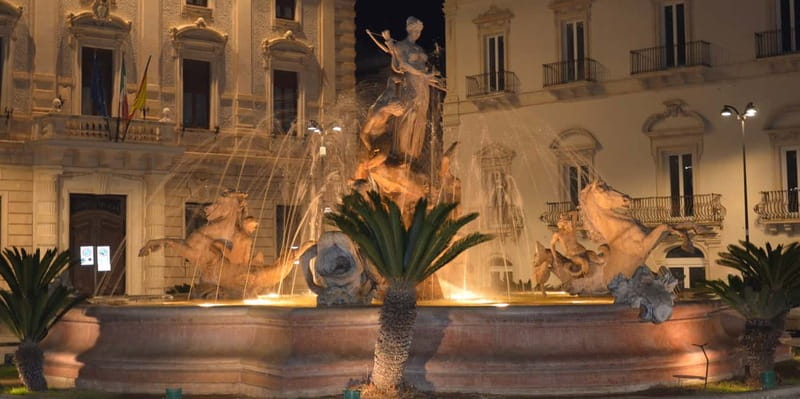
Ortigia is the lime-white island feel of Syracuse. It looks gorgeous in photos, but the real value is how it fits into the historical story you are building on the walk.
This part of the experience is described as a guided walk through the labyrinth of ancient streets. That phrase matters. Ortigia is not a grid city. It is a place where you can wander pleasantly, but you can also end up circling the same corners without realizing it. With a guide, you learn which streets connect the dots, so the island starts to make sense instead of just looking pretty.
You also get the Cathedral of Syracuse area again as part of how the tour ties pagan Temple of Athena to Christian architecture. So rather than treating Ortigia as a separate sightseeing mission, the guide uses the streets to reinforce what you learned in Neapolis and the cathedral complex.
Another detail that makes this portion work is that the guide tends to build time for pictures and questions. Several tours note smooth pacing with time to linger, which is how you avoid the usual “walk faster, stop for a second, move on” rhythm.
If you are traveling with teens or kids, this stop can be a win. There is specific mention that the tour accommodates children of all ages and that the guide involves both parents and children, which usually means the story gets adjusted to the group.
Price and logistics, what you pay and what you must plan for
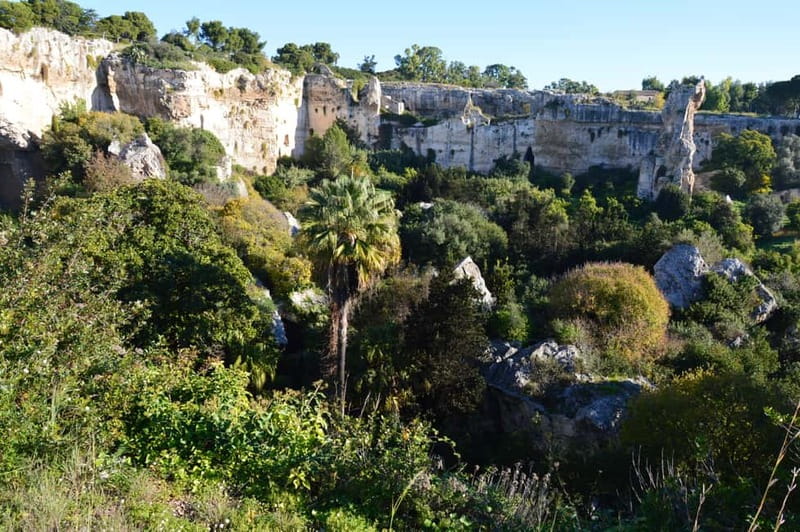
The tour price is $317.20 per group, for up to 5 people, for about 3 hours. That pricing structure is why the value can be either excellent or just okay, depending on your group size.
If you book as two people, you are paying closer to a “private tour per person” rate. If you book as a group of four or five, the cost drops dramatically on a per-person basis, especially since the guide is doing a full walk and covering the Neapolis sites plus Ortigia.
Now the part you should not overlook: entrance fees to monuments are not included. The tour includes the guide and a headset, plus it skips the ticket line, but you still need to pay admissions for the archaeological park and any other sites with fees. One review mentions the archaeological park admission price as 13 euros per person, but even without that exact number, your best move is to assume there will be an extra ticket cost.
Food and drinks are also not included, so plan a water stop on your own. Because you will be walking outside, bring a bottle and a hat, especially if your visit is in warmer months.
Logistically, there is no pick-up or drop-off. You are meeting at the ticket office and ending back at the meeting point. That is straightforward, but it means you should already know how you will reach Siracusa on your own.
Comfort, pace, and who this tour fits best

This is a walking tour, so comfortable shoes matter. The tour guidance specifically tells you to wear comfortable shoes and bring a hat and water. That is practical advice for Neapolis walking and for Ortigia streets, which can feel uneven underfoot.
Wheelchair accessibility is listed, which is great to see. If you use a mobility aid, it is still worth noting that older historic areas can involve uneven surfaces, but at least the operator states the tour can accommodate wheelchair users.
Pace is one of the things people seem to like. Multiple guide comments point to an energetic, interactive style and a smooth pace that still leaves room for questions and lingering. That matters because this itinerary could become overwhelming if the guide raced you through sites. Instead, the tour is set up to keep you engaged while still giving you time to look.
This tour tends to suit:
- Couples and small groups who want a guided “see the important stuff” route without feeling rushed
- Travelers who like story-driven explanations about how religions and powers changed architecture
- Families with kids who benefit from a guide who can involve children in the conversation
If you are the type who hates crowds, the small-group format and private-group approach helps. If you are the type who only wants to stand quietly and observe, you may appreciate the headset and the chance to ask questions, but you should know the tour is guided and discussion-focused.
Guides and what you can expect from the storytelling
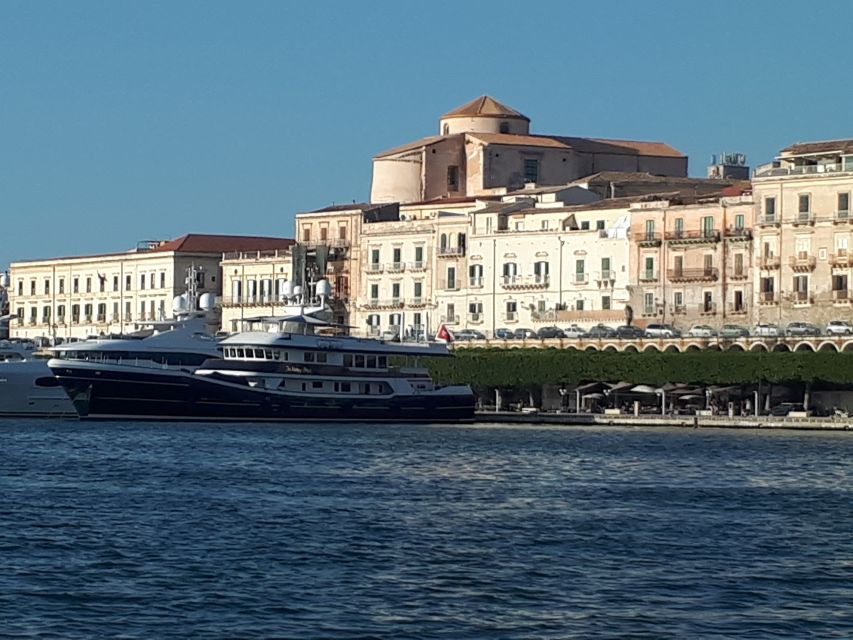
The guides for this tour are often praised for turning Syracuse into a live place, not a museum. Names that come up include Marcelo, Anna, Laura, Giuseppe, and Rosanna, and the common theme is that they connect the sites to broader history.
Marcelo is mentioned for linking Greek origins and years of dominance to wars and occupations under Romans, Arabs, and Spaniards. That is useful because it gives you the bigger picture while you are standing in front of stone that looks timeless.
Anna is praised for being passionate and personable, with strong delivery about local history, architecture, and art history. That blend matters here because you are not only seeing ruins. You are seeing how styles and belief systems overlap.
Laura is mentioned as friendly and super informed, with a focus on questions. Giuseppe gets repeated mentions for energy, making sites come alive, and handling unexpected weather without killing the mood.
Rosanna is noted for being well informed and congenial, with emphasis on the continuing Greek identity of the city. That theme helps explain why Syracuse still feels tied to Greek roots, even after centuries of change.
So yes, guides vary by personality, but the overall pattern is clear: expect history explained in a way that helps you connect what you see.
Should you book the Syracuse Ortigia and Neapolis walking tour?
Book it if you want a guided route that hits the major ancient anchors in Syracuse, with strong storytelling and time to ask questions. You will especially like it if you care about how architecture reflects religion and politics, not just what a site is called.
I would think twice only if you are trying to do the absolute cheapest possible version of Syracuse. The tour price is solid for a small group, but monument admissions are not included, so your total day cost will be higher once tickets are added. Also, if your ideal pace is minimal walking and maximum free wandering, you might want to keep more unscheduled time in Ortigia.
My practical advice: bring your admission budget, wear your most reliable shoes, and show up ready to listen. In a city where centuries overlap, having a guide helps you read Syracuse instead of just viewing it. That is the real value here.
FAQ
How long is the Syracuse Ortigia and Neapolis guided walking tour?
The tour lasts about 3 hours.
Where do we meet the guide?
You meet at the Biglietteria Parco Archeologico Neapolis on Via Luigi Bernabò Brea, 96100 Siracusa. The guide meets you at the ticket office with a sign for the local partner.
Are entrance fees included?
No. Entrance fees to monuments are not included in the tour price.
What is included in the tour price?
The tour includes a licensed guide and a headset to help you hear the guide better.
Is this a private tour?
Yes, it is a private group tour.
What languages are available?
The live guide is available in English, French, Italian, Russian, Spanish, and German.
Is the tour wheelchair accessible?
Yes, it is listed as wheelchair accessible.
Is skip-the-line entry provided?
Yes, skip the ticket line is included.
Should I bring food or drinks?
Food and drinks are not included, so you should plan accordingly and bring water. The guidance also suggests bringing a bottle of water and a hat.
Can I cancel for a refund?
Yes. Free cancellation is available up to 24 hours in advance for a full refund.
Just reviewed in Syracuse
- Tour in barca privata da Avola a Marzamemi con snorkeling★ 5.0 · 4 reviews
- Syracuse:Boat tour Ortigia,Pillirina and seacaves★ 4.7 · 38 reviews
- Island of Ortigia: Sunset Boat Tour with Aperitif★ 2.6 · 4 reviews
- Ortigia guided night tour, Syracuse★ 4.8 · 4 reviews
- Sortino: Olive Oil tasting with Sicilian Products and Wine★ 5.0 · 5 reviews
- Museo delle Illusioni – Siracusa –★ 4.3 · 22 reviews
- Tour in barca da Avola a Marzamemi/Portopalo di CapoPassero★ 4.8 · 6 reviews
- Tour in barca da Avola a Marzamemi/Portopalo di CapoPassero★ 4.7 · 10 reviews
Walking Tours in Syracuse, compared.

Street Food Walking Tour in Ortigia with Tastings
Read our review →
Syracuse Private Walking Tour with Traditional Lunch and Wine
Read our review →Browse the lists this tour appears in