
Reviewed in full · HIKING TOURS IN CATANIA
Etna Volcano: South Side Guided Summit Hike
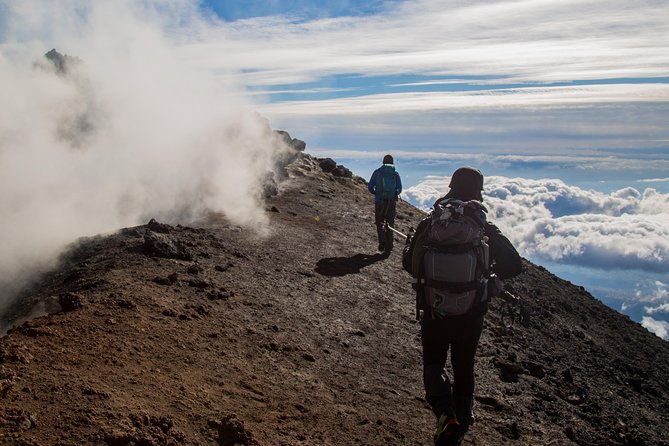
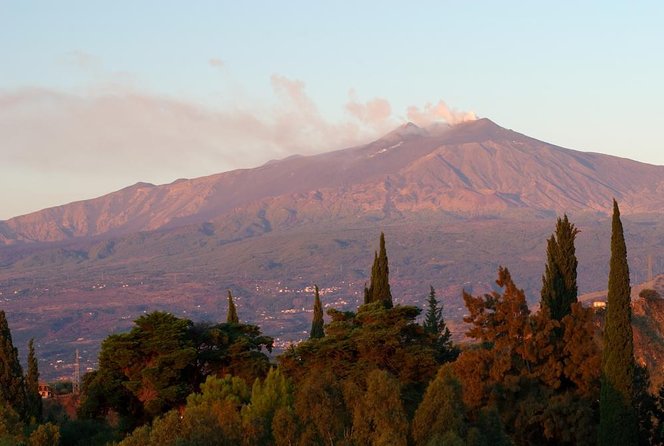
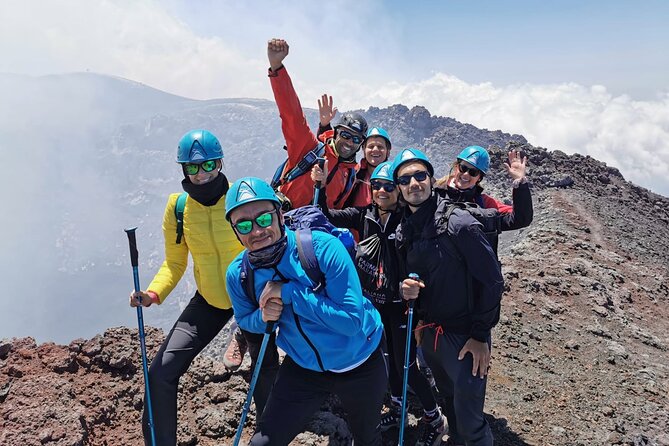
Mount Etna is one of Europe’s great living volcanoes, and this South-side guided hike is the hands-on version. You start with the classic Sapienza approach, then walk across lava terrain to see the summit craters from close range, with a real volcanologist guide. I especially like how the guide ties what you’re seeing to how Etna works today, not just facts on a poster.
Two things I really love: the chance to stand along the rim area around the summit craters (Central, plus viewpoints toward the Northeast and Southeast craters), and the steady rhythm of stops for explanations and photo breaks as you climb. One possible drawback to plan for is that because it’s an active volcano, access to certain summit areas can be limited on the day if gas or conditions feel unsafe.
This is not a casual stroll. You’ll be moving at high altitude, on uneven ground that can get slippery on the way down, and you need a medium-high fitness level. The good news is the company keeps the group size small, with a max of 20 people, and they provide key safety gear so you can focus on the hike.
Key Highlights Worth Planning For
- Volcanologist-led route to summit craters, with real safety talk about active conditions
- Helmets, trekking boots, and poles provided, so you’re not scrambling at the last minute
- Cable car plus 4×4 support to get you up around 2,800 to 2,900 meters
- Central crater rim views and sightlines toward Northeast and Southeast craters
- Descent route includes Barbagallo craters and a lava-flow channel
South-Side Etna: Why This Hike Feels More Real
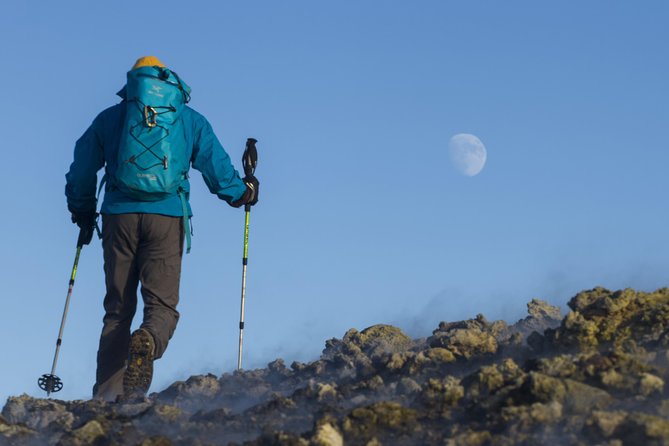
On Etna, you quickly learn that two tours can both say summit, but they don’t deliver the same experience. This one leans into the walking. Instead of staying mostly in transit or making short stops, you put your feet on the volcanic ground for hours. That matters because Etna is not just a view. It’s textures underfoot, smells in the air, and changing light as wind and weather roll in high on the mountain.
The route is also built around what the volcano is showing right now. You may see gas emissions and the colors in the ground that come from elements like sulfur. You may also spot volcanic bombs and other deposits depending on recent activity and what’s visible from safe positions. Even when conditions shift, the guide still keeps the story moving with craters and lava features from earlier eruptions.
I also like the way the guides make the group feel organized. In practice, it helps on a hike where uneven terrain and altitude can slow people down. You’re not wandering. You’re moving as a team, with pauses that actually help you keep up.
More Hiking Tours in Catania
- Mount Etna: Trek to 3000m with cable car and jeep
★ 4.7 · 1,978 reviews - Catania: Etna Nature Tour with Hiking, Cave Visit, & Tasting
★ 4.7 · 502 reviews - Mount Etna: North Upper Craters Guided Tour by 4×4 with Trek
★ 4.6 · 243 reviews
Getting to 2,900 Meters: The Morning Logistics That Affect Your Comfort
The morning starts at Piazzale Rifugio Sapienza on Etna South, with meeting at the Ashàra Etna & Stromboli Guides point (95030 Nicolosi CT, Italy). Start time is 8:00 am, and the tour duration is about 6 hours.
The big comfort factor is the climb altitude. You’ll use a cable car and a 4×4 bus to reach around 2,800 meters before you begin walking. That saves your legs for the crater portion. But it also means you’re going into wind and cold quickly, so clothing matters as much as fitness.
Here’s the one extra cost you must plan for: the cable car and 4×4 tickets are not included. The local cost is €65 per person, paid on-site. Bottled water and snacks are also not included, and a wind jacket is not listed as included in the essentials. Even if you’re given windbreakers as part of the hike kit, I still treat this as an active-weather day. Pack for temperature swings, not just sunshine.
Practical packing tips you’ll feel smart about on Etna:
- Wear sturdy hiking shoes with grip. The descent can be slippery.
- Bring long pants and tall socks. Loose gravel and sand can make lower-leg exposure annoying.
- Add a warm layer you can adjust. Wind can change the temperature fast.
- Gloves help. On windy days, your hands will notice.
- If you run cold, bring a hat. One review noted conditions down to minus 10 degrees with snow up top, which is rare but a reminder that Etna is not a warm-weather-only hike.
Also, note that one guide (Antonio) and others (like Max, Marco, and Angelo in different groups) consistently emphasized readiness and safety. That’s useful because when you’re surrounded by volcanic features, it’s easy to focus only on the visuals and forget how quickly conditions can turn.
Stop 1: Crateri Sommitali Route, Where You Walk on a Different Planet
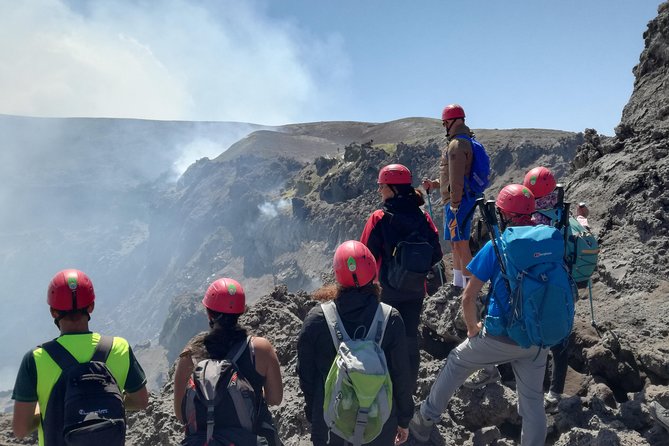
Your main walking phase heads toward the Etna Summit Craters after you arrive high by cable car and 4×4. From there, you’ll walk for about two hours through lava flows and lunar-looking terrain. The ground can be deep sand or gravel, and the surface can shift underfoot. Take it slow and let the guide set the pace.
At the summit zone, the tour centers on three key crater areas, described in plain terms as what you can see and how the volcano is behaving:
- Central Crater: you walk along the rim area, with dramatic drop-offs and a direct look at active volcanic scenery from a safe route.
- Northeast Crater: you face it from a vertiginous viewing angle, where depth and distance play tricks.
- Southeast Crater: you’ll see it off to the side, known for more recent and impressive eruptions.
This is where the volcanologist element really earns its keep. You’re not just watching steam or rock. You’re learning what you’re looking at, such as gas emissions and volcanic deposits. You may also see materials like volcanic bombs, plus sparkling colors from sublimation of elements, especially sulfur. That description matters because it gives you a reason to care about small visual cues. The bright specks and unusual colors are not random. They’re part of the current chemical story.
One reality check: because this is an active volcano, access can be adjusted. In at least one case, summit access was not possible due to unsafe conditions with too much vapor and gas coming from the main crater. The good part is that the guide didn’t leave people standing around. You still get a lot of crater and lava features from the route, and the geology lesson continues.
If your dream day includes standing right at the rim, show up mentally flexible. When the mountain says no, the best guides pivot quickly and safely.
Stop 2: Valle del Bove, Big Open Space With Volcanic Scale
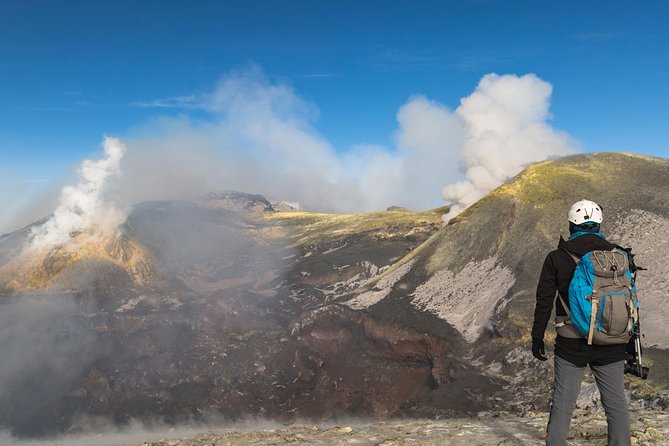
After the summit-crater core, the hike shifts to Valle del Bove. This is the kind of area that makes Etna feel enormous. You get a sense of the volcano’s scale and structure, not just its highest point.
What you’ll notice most here is the change in atmosphere and viewpoint. The terrain opens up, and wind often becomes a bigger factor. It can be harder to hear if you’re stuck in the middle of a larger group, so move with the flow and aim to get close enough to your guide for the geology explanations.
This stop is also where photo breaks feel worth it. The “bird’s-eye views” aren’t just postcard photos. They help you understand how different crater areas relate to one another across the mountain. When you’re back on flat ground later, those angles can help you remember what you saw and how it all fits.
More Mount Etna Tours in Catania
- Catania: Mount Etna Morning or Sunset Day Trip with Tasting
★ 4.8 · 4,028 reviews - Catania: Sunset Jeep Tour of Mount Etna and Lava Flow Caves
★ 4.8 · 2,113 reviews - Sicily: Etna and Alcantara Gorges Full-Day Tour with Lunch
★ 4.8 · 1,766 reviews - Mount Etna: Roundtrip Cable Car and 4×4 Bus Ticket
★ 4.3 · 1,602 reviews
Stop 3: Mount Etna Descent, Barbagallo Craters and a Lava-Flow Channel
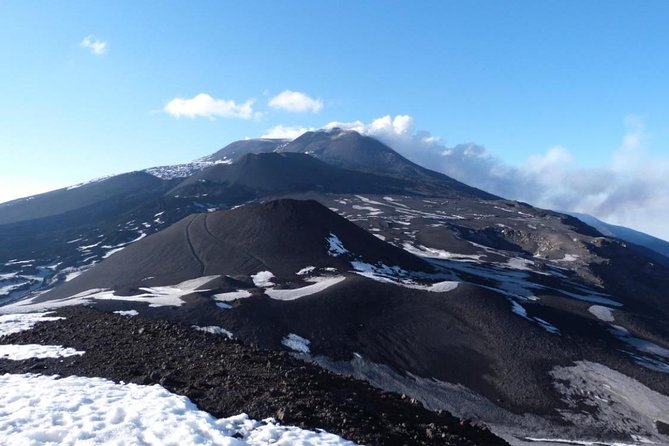
The descent is often the part people underestimate, even when the climb feels manageable. The soil and volcanic grit can be slippery, and your feet take a pounding after hours of uneven ground. The upside is that this phase keeps the variety up.
You’ll visit Barbagallo craters and cross a lava flow channel as you head back down. These features are great for two reasons. First, they show you that Etna’s story is not only about one eruption at one date. Second, they give your guide opportunities to explain how lava moves, where it settles, and what deposits can tell you after the heat is gone.
You also get to watch how the environment changes as you drop in altitude. Gas emissions and textures can look different mile by mile. That shift helps you connect the geology lesson to real terrain, instead of treating it like a lecture.
Once you’re back to about 2,500 meters, the Etna cable car takes you to the starting area again. The tour ends back where you met.
Safety, Helmets, and How the Best Guides Keep You Looking Up
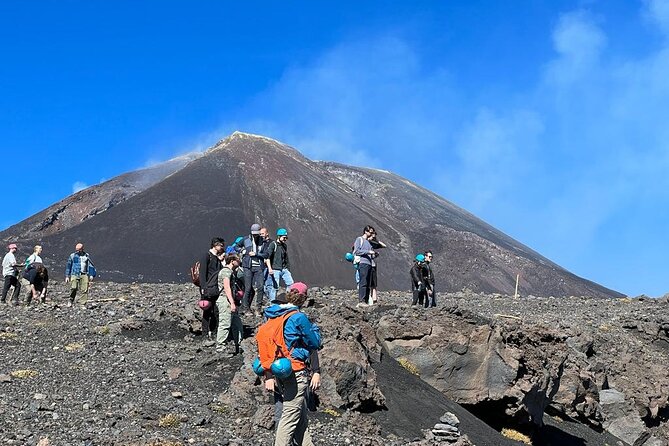
This hike is designed around safety on an active volcano, and you’ll see that in small details. You get a helmet, trekking boots, trekking poles, and support gear like windbreakers and gloves as part of the experience. That package is important because it reduces the friction of preparation. You arrive ready instead of trying to guess whether your shoes or gloves will survive volcanic grit and cold.
But the real safety factor is the way the guide manages the group and the route. In multiple accounts, guides like Antonio and Max emphasized professionalism and alertness to Etna’s changing conditions. You’ll likely hear practical reminders, like moving slowly on uneven ground and staying aware near crater edges. If you’re nervous about heights, the caring leadership is real. One hiker mentioned a guide was attentive and made them feel safe finishing the crater path.
The other safety note is logistical, not just physical. You’re starting at 8:00 am, then operating on active-volcano constraints. So if weather is poor, the day can change. Even when everything runs as planned, the itinerary can vary if conditions require it.
Gear and Fitness: What Medium-High Really Means on Lava
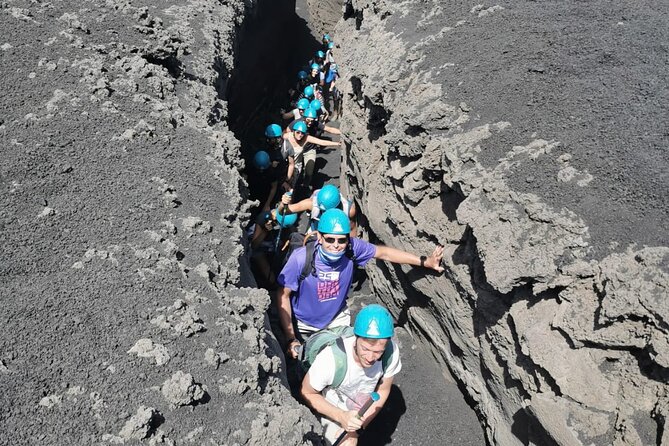
The tour asks for moderate physical fitness, but then it adds that the level is medium-high. That means you should not treat this as a beginner hike, even though the guidance includes breaks. You’ll cover around 10 km on foot for some groups, much of it on uneven ground, and you’ll likely feel it in your legs.
Where people get hit hardest:
- The uphill part can be strenuous due to altitude and steepness.
- The downhill part can be more dangerous because the surface can be slippery.
- Wind can make cold feel sharper than you expect.
Good hiking shoes are non-negotiable. Trekking poles can be a game-changer on loose surfaces. One review strongly recommended poles, and I agree. They help you keep balance when the ground gives a little.
And yes, clothing matters. A handy tip from one account was to wear dark colors, because bright clothing can stand out in the sun and it can get dusty fast on volcanic sand. You will also want layers that cover your neck and ears. A scarf or neck sock helped one hiker stay comfortable when conditions were windy.
Price and Value: What You Pay, What You Get, What Costs Extra
The listed price is $78.64 per person, and it’s booked pretty far in advance on average. That tells you demand is real, especially in good conditions.
What’s included in that price:
- Helmet
- Trekking boots
- Insurance and volcanological guides
- Trekking sticks
What costs extra:
- Cable car and 4×4 jeep tickets: €65 per person, paid locally
- Bottled water and snacks
- Wind jacket is not listed as included in the basics
So your budget is not just the $78.64. Plan closer to about the combined total once you add €65. Still, I think it can be good value because you’re paying for certified, volcanologist-level guidance on a high-stakes environment, plus the equipment to do the hike safely.
If you already own great boots and poles, you might wonder why included gear matters. Here’s the catch: on active volcano terrain, the wrong gear can ruin the day. Being handed the right basics at the start removes guesswork. It also helps you travel lighter from Catania and avoids last-minute shopping on the clock.
What It’s Like as a Group: Small, International, and Sometimes Windy
Group size is capped at 20 travelers, which is the right size for a guided hike on Etna. Large enough for atmosphere, small enough for the guide to manage safety and keep you together.
One small practical downside can happen with any crater hike: if the group spreads out, it becomes harder to hear explanations, especially in windy areas. The fix is simple. Keep within the guide’s orbit, and don’t drift too far to the sides just for photos. Take the picture, then get back in the listening zone.
Also, expect the hike to feel social in a good way. Multiple accounts highlighted meeting other people from around the world. That’s a bonus on a hike where you’re sharing discomfort, wind, and awe in the same handful of hours.
Who Should Book This Etna South Summit Hike (and Who Might Skip It)
This tour makes the most sense for you if:
- You want a real volcanology-guided experience, not just a bus ride to viewpoints.
- You are comfortable hiking on uneven, sometimes slippery volcanic terrain.
- You can handle high altitude and variable weather.
- You like learning while moving, with time for breaks and crater-focused photos.
You might rethink it if:
- You’re looking for an easy walk with minimal effort.
- You have medical concerns related to altitude or exertion, or you don’t feel steady on uneven ground.
- Heights make you freeze. If you’re scared, it doesn’t automatically mean you can’t do it, but you should be honest with yourself about how you react near crater rims. Strong, caring guides can help, but the environment is still steep.
Should You Book This Tour?
If you want Etna to feel real, book it. The combination of volcanologist guidance, crater-rim walking, and lava features on the descent is a strong use of your time in Sicily. The price can feel like a bargain once you factor in the included safety gear and expert guidance, and the extra €65 for transport is a normal part of getting to the high trailhead.
Just book with the right mindset: you’re visiting an active volcano. Sometimes summit access changes. When that happens, the best guides still deliver crater geology, lava terrain, and a day that feels like more than a view.
If you prepare for wind, cold, and the uneven ground, this is one of those tours where you come back with photos and a new mental map of how Etna builds itself.
FAQ
How long is the Etna Volcano South Side Guided Summit Hike?
It lasts about 6 hours.
Where do we meet, and what time does the tour start?
You meet at Piazzale Rifugio Sapienza (Etna South) at 8:00 am. The tour ends back at the meeting point.
What is included in the tour price?
The tour includes a helmet, trekking boots, insurance, volcanological guides, and trekking sticks.
What extra costs are not included?
Cable car and 4×4 jeep tickets are not included and cost €65 per person, paid locally. Bottled water and snacks are also not included, and a wind jacket is not listed as included.
How physically demanding is the hike?
It is described as medium-high. You should have moderate physical fitness and be in good condition for uneven terrain and steep walking.
Will you always reach the summit craters?
The volcano is active, so the itinerary may vary if needed for safety.
What group size should I expect?
The tour has a maximum of 20 travelers.
More Ways Up Etna from Catania
- Catania: Etna Sunset Tour with Pickup and Drop-off
★ 4.8 · 1,348 reviews - Mt. Etna and Taormina village full day tour from Catania
★ 5.0 · 1,155 reviews - From Catania: Mount Etna Sunset Tour with Tasting and Cave
★ 4.7 · 1,119 reviews - Catania: Etna Morning Excursion with Tasting and Pickup
★ 4.8 · 820 reviews
More Summit and Cable-Car Trips on Etna
- Etna excursion to 3000 mt. with cable-car and jeep 4×4
★ 4.6 · 550 reviews - Mount Etna: Return Funivia dell’Etna Cable Car Ticket
★ 4.0 · 240 reviews - Mount Etna: Summit Tour by Jeep and Cable Car
★ 4.5 · 32 reviews - Etna North 2900mt Sunset: Summit area & Craters of 2002
★ 4.9 · 21 reviews
Just reviewed in Catania
- Piano Provenzana: Guided Mt. Etna Snowshoeing Trek★ 5.0 · 3 reviews
- Mount Etna: Central Crater Guided Hike for Advanced Hikers★ 4.8 · 106 reviews
- Nicolosi: Mt. Etna Guided Quad Tour Adventure★ 4.2 · 6 reviews
- Nicolosi: Excursion Etna Craters at 3000 mt.★ 4.2 · 3 reviews
- Mount Etna Tour to 1900m from Taormina★ 4.9 · 11 reviews
- Mount Etna: Winery Tour and Tasting★ 4.8 · 92 reviews
- Mount Etna: trek with vintage car, tasting sicilian produtcs★ 5.0 · 5 reviews
- Mount Etna: Sunrise Excursion with an expert Local Guide★ 5.0 · 8 reviews
Hiking Tours in Catania, compared.
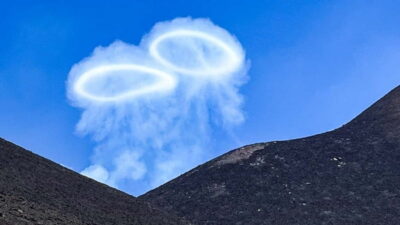
Mount Etna: Trek to 3000m with cable car and jeep
Read our review →
Etna Nature Tour with Hiking, Cave Visit, & Tasting
Read our review →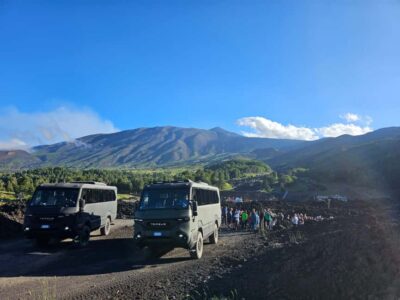
Mount Etna: North Upper Craters Guided Tour by 4×4 with Trek
Read our review →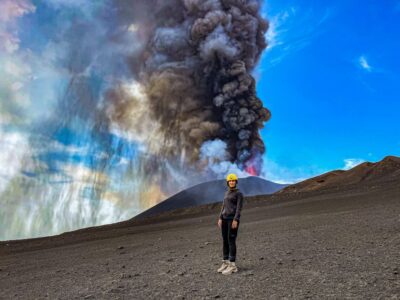
Mount Etna: Central Crater Guided Hike for Advanced Hikers
Read our review →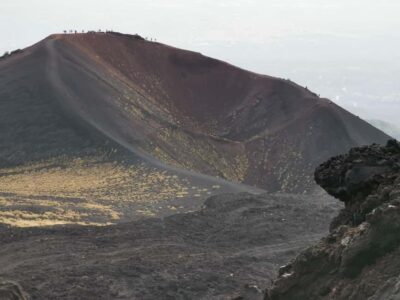
Etna Morning or Sunset Trek with Lava Tunnel & Gear
Read our review →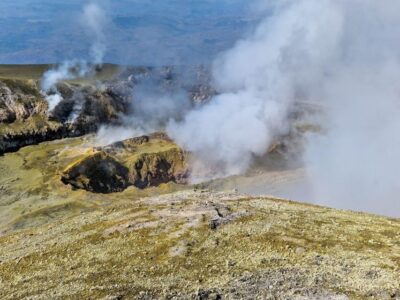
Mount Etna: Hike to the top 3400mt from the North Side
Read our review →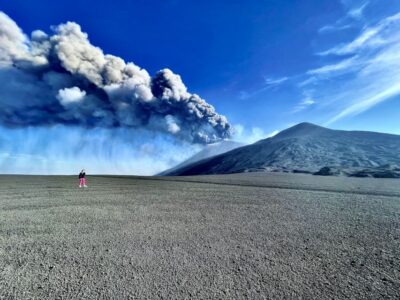
Special trekking on the most authentic and wild side of Etna
Read our review →Browse the lists this tour appears in