

Reviewed in full · TRAPANI SALT PANS TOURS
SALT TOUR-all inclusive: salt tour: Trapani, Paceco, Nubia
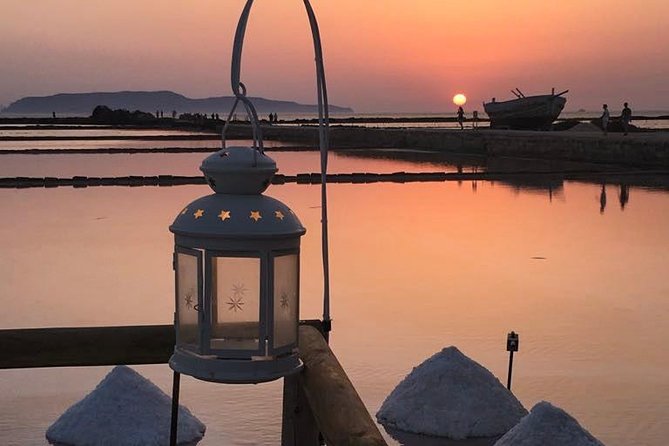
Salt in Sicily is not just a food thing. It is a whole craft, played out across the Saline di Trapani and Paceco nature reserve, where sea water turns into edible crystals you can actually taste. You’ll start at the port area and end back where you began, with a guide who explains how the system worked and why it mattered.
I really like two things about this tour. First, the small-group size (it caps at 16, with limited spots to keep things intimate) makes it feel more like a guided walk with time for questions. Second, you get real tastings, including salt crystal samples and a delicate salt-flower style finish, plus flavored options like orange, lemon, rosemary, and oregano.
The one possible drawback is that the experience depends on conditions. It needs good weather, and if you have dinner reservations, leave a buffer in case timing runs a bit late at sunset.
Key highlights to know before you go
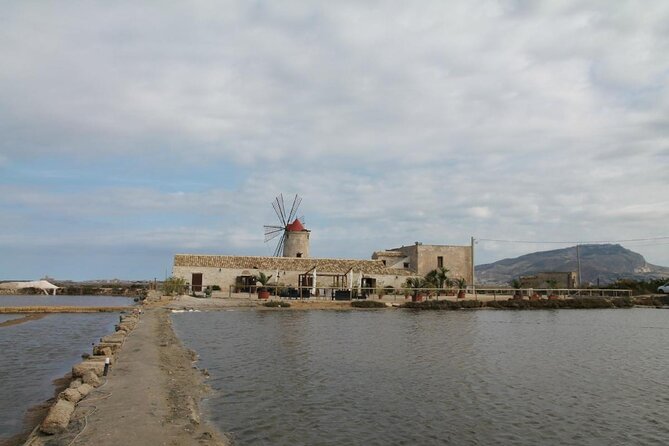
- Small-group feel in the salt pans (limited spots to keep it personal, max 16 overall)
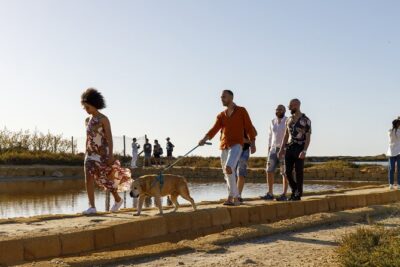
- Three different salt areas with an on-foot path through working ponds
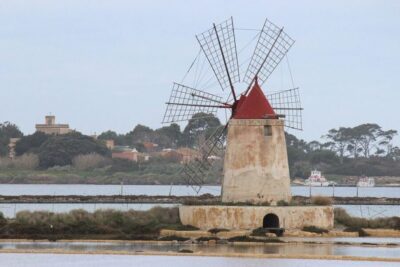
- Stop at a historic mill that’s now a museum, tied to centuries of salt production
- Tastings that go past table salt, including aromatic salt flower and flavored varieties
- Wildlife spotting in Salina Chiusicella, with chances to see flamingos, herons, egrets, and more
- Guided in English from Trapani, with mobile ticket convenience
Salt Pans, Not Souvenirs: What Makes This Tour Worth Your Time
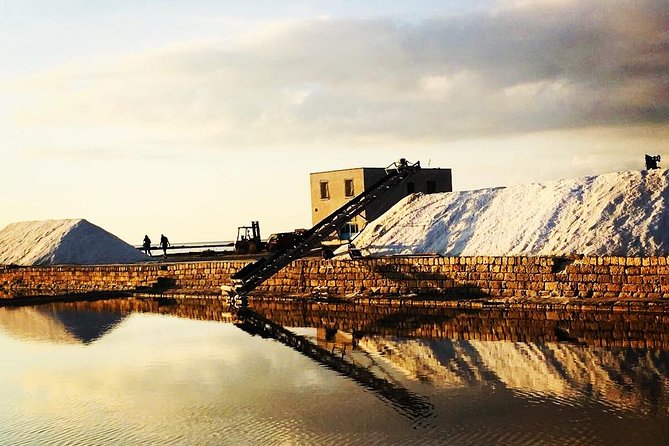
This tour works because it treats salt like a craft, not a stop-and-photo. You’re guided through active salt-making zones in Trapani and Paceco, and the pace is built for learning while you walk on real salt-producer paths.
You also get the kind of explanation that makes food make sense. When the guide connects the method to the flavor, salt stops being a generic ingredient and becomes something with character. If you’re the type who cooks or eats slowly, this is a fun way to build a “salt palate” fast.
More salt pan tours on the west coast:
- Trapani: Salt Pans Sunset Tour and Flamingo Way
★ 4.4 · 252 reviews - Guided tour of the salt pans of Trapani and the Salt Museum
★ 5.0 · 188 reviews - Segesta, Erice and Salt Pans Full-Day Excursion from Palermo
★ 4.2 · 1,791 reviews
Where You Meet and How the Tour Moves Around Trapani
You meet at the Vigili Del Fuoco Distaccamento Portuale Trapani, Via Ammiraglio Staiti 101. The port-fire-station setting sounds unexpected, but it’s a practical pickup point and the tour starts right there.
From the meeting point, you ride in an air-conditioned vehicle. The minivans are described as sanitized in line with covid-19 regulations, and the tour is offered in English. It’s also near public transportation, so you can plan without needing everything to be a private taxi.
The timing is tight but not rushed. The full experience runs about 2 hours 30 minutes, with short transitions between salt pans and a longer stretch at the museum and tastings.
Stop 1 at the Port: Maria Stella and the First Mill Details
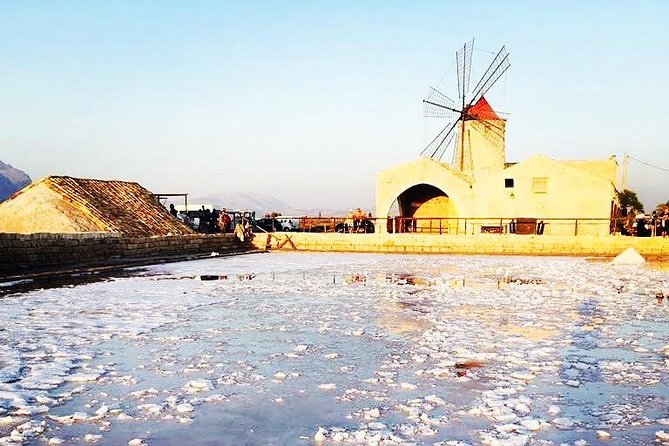
Your first salt-pan stop is the Maria Stella area, reached about 10 minutes after you leave. Here you’ll see the first mill built in Trapani, dated to the end of the fifteenth century.
This is a small stop by time, but it sets the tone. You get the historical frame early, so when you later walk inside older salt-tank areas, it’s easier to picture the full workflow and how long these salt systems have shaped the region.
One smart thing: pay attention to the way the guide links materials, structures, and labor. The small details are part of what makes this feel more grounded than typical “nature tour” talk.
Salina Chiusicella: Watching the Salt Tanks Work and Spotting Wildlife

Next you head to Salina Calcara, also described as Salina Chiusicella. This part is about the process, not just the view. You’ll hear how salt tanks are arranged in orders, and how sea water is transformed into salt.
You also have a good chance of wildlife sightings. The tour description points out birds like flamingos, herons, and egrets, and even notes the presence of other local characters that make salt areas feel like a living ecosystem.
This is one of the best sections for photos, but also one of the easiest to enjoy without turning it into a camera mission. Give the guide a moment, then look around with fresh eyes. The salt pans can look simple until someone explains what’s happening in each shallow section.
A different sort of day out around Sicily:
- Etna Morning Trip
★ 4.5 · 1,241 reviews - Syracuse: Boat Trip of Ortigia Island and Sea Caves
★ 4.7 · 937 reviews - Tour of the island of Ortigia and exploration of sea caves with baths.
★ 5.0 · 668 reviews - Pub Crawl Palermo
★ 5.0 · 595 reviews
Saline Culcasi and the 600-Year-Old Museum Mill

The highlight stop for many people is the final salt pan area, Culcasi. It’s special because you go beyond outdoor pans. You enter an ancient mill that’s over 600 years old, now operating as a museum.
Inside, you learn what tools were used, how collection worked, and how the whole operation was organized, including hierarchies and salt’s role in local life. This is where the tour shifts from “how it looks now” to “how it functioned for generations.”
Then comes the tasting, which is arguably why a lot of people book. You’ll taste different types of salt crystals, and you’ll get to try the salt-flower style product. That salt flower can be natural and also flavored with combinations like orange, lemon, rosemary, and oregano. If you cook, this is the fun part, because it helps you imagine how you’d use each type.
You’ll also learn the difference between old processes and modern ones. The museum framing helps you understand that salt making was not just local tradition, it was a practical industry with deep roots.
The Saltman Path Walk: What You Gain by Walking Inside
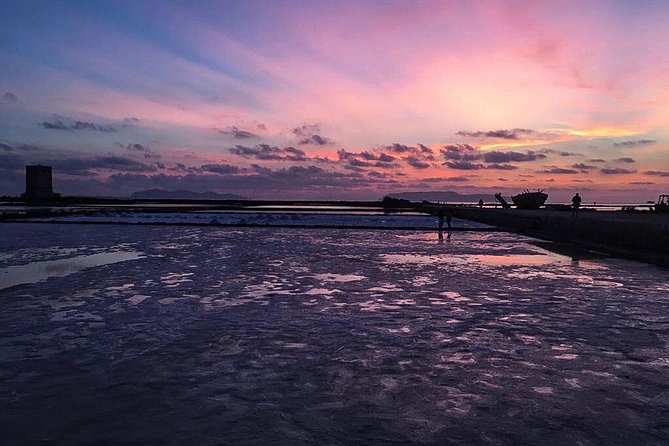
After the museum and tastings, you do what the tour calls the path of the salt worker. It’s a walk inside the salt tanks, so you’re not just looking at them from a distance.
This matters more than you might think. When you walk where workers walked, the scale clicks. You start to understand why certain areas are shallow, why timing matters, and how labor would have moved through the system.
It’s also when the tour becomes most memorable. Even if the details are technical, the physical setting keeps it real. You’re measuring your own steps against the spaces that were built for harvesting.
Guide Alessio: The Reason This Feels Personal
A big theme in the experience is the guide, and the name that shows up again and again is Alessio. His style is built around passion and stories that connect salt production to daily life and food.
I like that he doesn’t only recite facts. In the tour environment, he’s able to turn “why” into something you can feel, including what makes Trapani integrale salt stand out and why the health angle comes up in the local conversation.
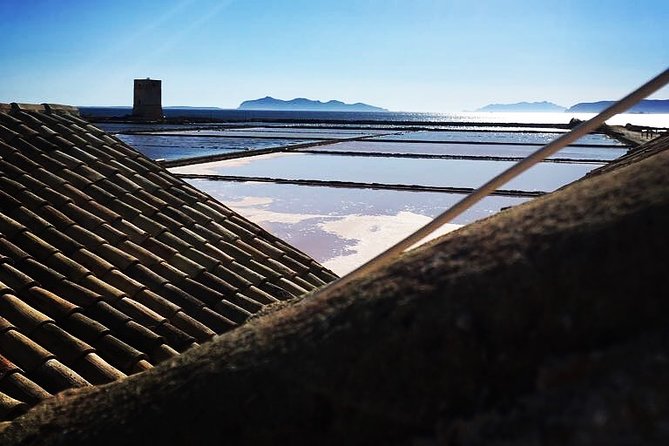
He also shares practical trivia that sounds odd until it lands. For example, he explains number patterns connected to how things were divided and measured, and even mentions the craft detail of roof tiles shaped in a way that reflects the local artisan tradition. It’s the kind of specificity that makes you trust the guide’s command of the subject.
People also appreciate that the timing can shift to handle real-world issues. One review notes he adjusted the tour time for traffic. That flexibility is a small detail, but it helps the experience stay smooth.
Price and Value: Is $60.46 Worth It for 2.5 Hours?
At $60.46 per person, this is not a “cheap and cheerful” activity. But the included items do a lot of heavy lifting for the price.
You’re getting:
- Air-conditioned transport
- A guide
- Admission tied to the salt museum experience
- Three salt pans
- A guided path walk inside the tanks
- Tastings of salt crystals plus flavored salt-flower style product
- All fees and taxes
For a short, 2.5-hour outing, combining transport, museum entry, and tastings is usually where value is made or broken. Here, it’s built into the package, so you’re not scrambling to line up tickets on your own.
The small-group setup also matters. With a cap at 16, and limited places intended for intimacy, you’re less likely to feel like you’re being herded. If you ask questions, that format helps.
When It Works Best for You (And When to Rethink)
This tour fits best if you like food culture and hands-on learning. If you’re the type who enjoys asking why something tastes a certain way, the tastings plus the museum details will click.
It also works for couples and families. The walking route is part of the experience, and the guided structure gives you a clear thread from history to salt chemistry to flavors.
Rethink it if you have zero tolerance for weather changes. The experience requires good weather, so you should keep your schedule flexible. Also, if you’re very timing-sensitive with dinner, plan a buffer, since there can be extra moments at the end in some cases.
Should You Book the SALT TOUR: Trapani, Paceco, Nubia?
I’d book this if you want a memorable, local experience that connects craft, nature, and taste in a short window. The combination of three salt areas, an over-600-year-old museum mill visit, and the guided tastings makes this more than a basic outing.
Skip it only if you’re looking for a purely scenic walk with no museum time and no food tasting. If you come expecting salt flats photos only, you might feel the structure is more educational than you planned.
If you want to leave Trapani with a better sense of why salt matters, and you like the idea of tasting the product instead of just seeing it, this is a strong choice.
FAQ
How long is the salt tour?
It lasts about 2 hours 30 minutes.
Where does the tour start and end?
You start at Vigili Del Fuoco Distaccamento Portuale Trapani, Via Ammiraglio Staiti 101, 91100 Trapani. The tour ends back at the same meeting point.
What’s included in the price?
The tour includes air-conditioned vehicle transport, all fees and taxes, tastings of salt crystals and aromatized salt flower, a ticket to the salt museum, visits to 3 salt pans, the path of the salt worker, and a guide.
Is the tour offered in English?
Yes. The tour is offered in English.
What should I know about weather?
This experience requires good weather. If it’s canceled due to poor weather, you’ll be offered a different date or a full refund.
What is the cancellation timeframe?
You can cancel up to 24 hours in advance for a full refund. If you cancel less than 24 hours before the start time, the amount paid is not refunded.
Just reviewed in Sicily
- Pillirina, Ortigia, Sea caves: Boat Tour and Snorkeling★ 4.4 · 7 reviews
- Etna Southern Slope Guided Easy Trek★ 4.8 · 36 reviews
- Lampedusa: Dolphin watching with aperitif at sunset★ 3.2 · 9 reviews
- Hot spring and Temple★ 5.0 · 3 reviews
- From Trapani: Egadi Islands Day Tour by Boat★ 4.7 · 23 reviews
- From Taormina or Messina Port: Body Rafting + Lunch★ 4.7 · 3 reviews
- Enoteca dell’Etna: Iemu Spizzicannu Tasting★ 5.0 · 9 reviews
- Capo d’Orlando: Mini-cruises to Vulcano, Panarea, Stromboli★ 2.2 · 6 reviews
Trapani Salt Pans Tours, compared.
Segesta, Erice and Salt Pans Full-Day Excursion from Palermo
Read our review →
Guided tour of the Trapani Salt Pans and Salt Museum
Read our review →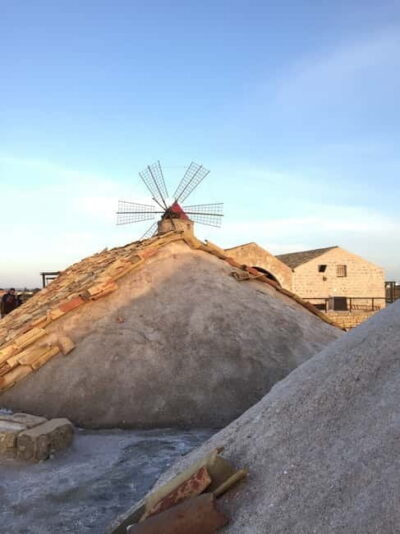

Guided tour of the salt pans of Trapani and the Salt Museum
Read our review →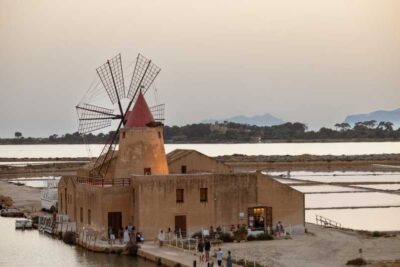
Browse the lists this tour appears in