
Reviewed in full · SYRACUSE TOURS
Archaeological Syracuse: Neapolis Park private tour
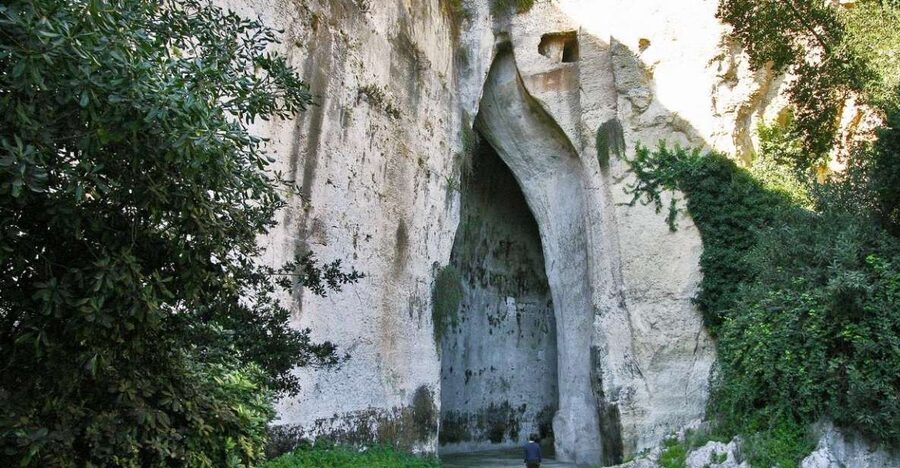
Neapolis Archaeological Park in Syracuse feels special because it mixes big-seat views with underground surprises in one walk. I love how the Ear of Dionysius delivers those famous echoes you can experience right there. I also like the private guide setup, because you can steer the day toward what you care about. One thing to watch: the park entrance fee is not always included, depending on the option you book.
In practice, this tour can run smoothly because the guide service behind it, Hermes Sicily, is known for being friendly and answering questions well, including guides named Eva and Ava. You get a focused route in about 105 minutes, starting and ending at Largo Anfiteatro.
Key highlights to look forward to
- Ear of Dionysius echoes that make this limestone grotto memorable in a hands-on way
- Latomie del Paradiso quarry visit with surreal stonework and local flora in the middle of town
- Greek Theater on Temenite Hill with a carved-into-the-rock feel and strong bay views
- Saltpeter related Grotta del Salnitro and other quarry grottos tied to ancient practical life
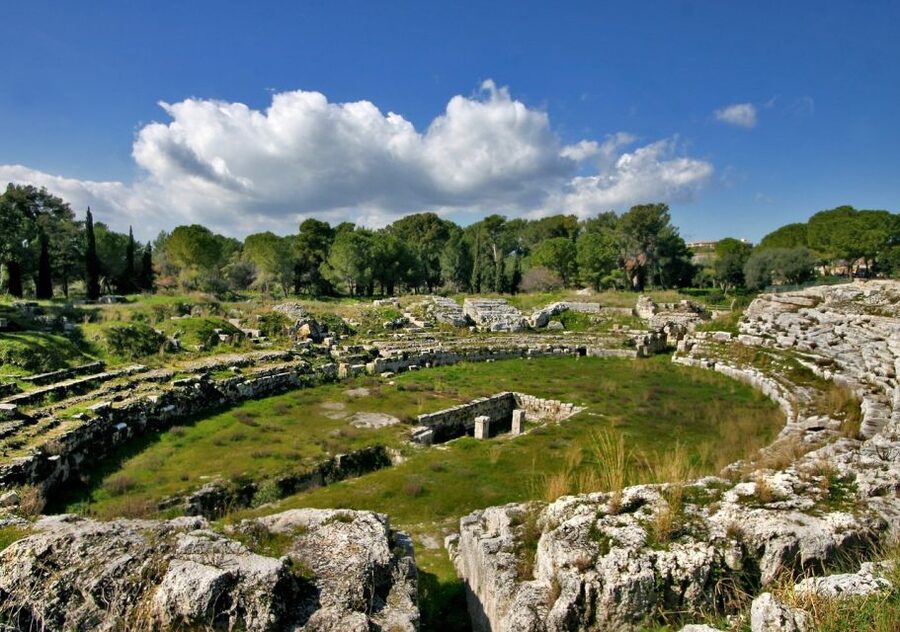
- Altar of Hieron II and the Roman Amphitheater to connect Greek Syracuse to Roman Syracuse
Neapolis in one walk: bay views and the Ear of Dionysius
If you like ancient places that feel like you are standing inside the story, this route hits the sweet spot. You start with major landmarks above ground, then you drop into quarry spaces underground, and everything stays connected to Syracuse’s Greek roots.
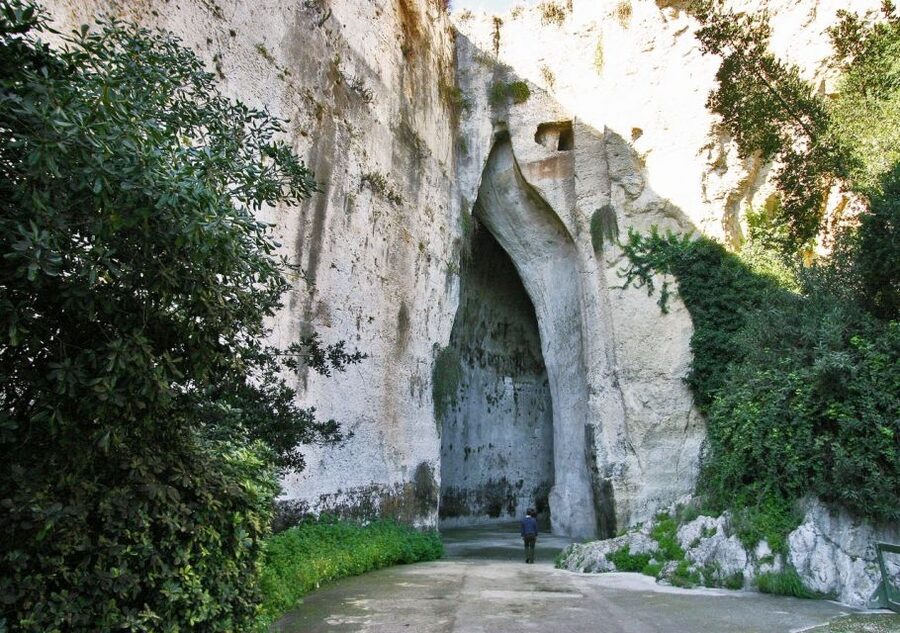
The big moment is the Ear of Dionysius, a grotto famed for its shape and its echoing sounds. You can take it in visually, but the real impact is auditory. Even if you do not consider yourself a “history person,” you will still feel the effect when the acoustics bounce back at you.
The other payoff is the panoramic stop on Temenite Hill. From there you get views toward the bay of Syracuse, and that makes it easier to imagine why these sites mattered. Ancient cities picked locations for practical reasons, and this one is all about geography.
Other Syracuse options side by side
- Syracuse: Boat Tour with Captain Mirko, Snorkeling & Caves
★ 4.7 · 746 reviews - Siracusa: Ortigia Boat Tour with Marine Grotto
★ 4.7 · 617 reviews - Siracusa: Ortigia & Sea Caves Speedboat Tour with Swim Stop
★ 4.9 · 499 reviews
Why the private guide matters more here than you’d expect
A private tour sounds like a luxury add-on, but at Neapolis it changes the whole experience. With a licensed guide, you get explanations timed to what you are actually looking at. That means you spend less time guessing and more time noticing.
I like that the service is described as tailored to your preferences and interests. That is important in a park like this, because it is easy to get lost in “look, stones, theatre, cave.” With a guide, you can ask for the angle you want, whether that is Greek theater life, quarry industry, or Roman reuse.
The human factor is also strong. Names like Eva and Ava come up in the guide information as people who are pleasant to spend time with and who answer questions thoroughly. Even better, the tour runs as a private group, so you are not stuck waiting for a large crowd to catch up.
Meeting at Largo Anfiteatro, then getting the route right
The tour begins at Largo Anfiteatro, 2. The meeting point is also described in relation to the main entrance gate of the Neapolis Archaeological Park, near a small fountain and behind the medieval church of San Nicolò ai Cordari, with your guide holding a Hermes Sicily logo.
Time-wise, you are looking at about 1.5 hours to 105 minutes total. That is long enough to walk the main highlights without turning it into a whole afternoon. It is also short enough that you can pair it with other Syracuse stops the same day.
Bring comfortable shoes. The tour is a walking route across areas of uneven terrain, and you will want stable footing, especially when you are moving between quarry spaces and outdoor monuments.
Park entrance tickets: the one detail that can change your total cost
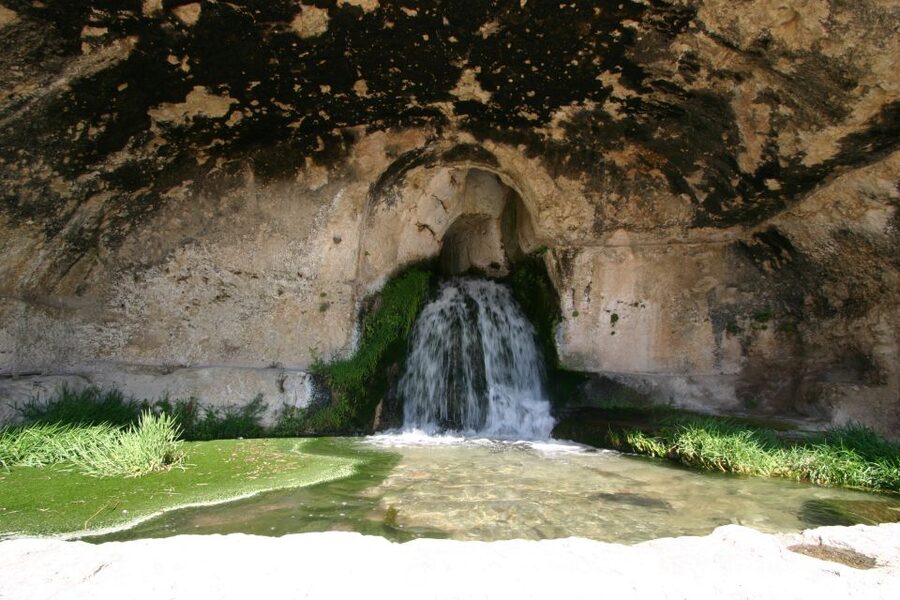
This is the main logistics wrinkle to plan for. The tour includes walking and a licensed guide, and entry tickets are included only if you select that option. If you did not, you need to purchase park admission at the entrance.
There is also a free entrance note for visitors up to 17, but free entrance is available only at the ticket office. If you are in that category, have your ID or passport ready for registration, and skip any option that suggests tickets are already covered.
From a value standpoint, the private guide time is the headline here. The entrance fee is separate in many cases, so do not let the headline price fool you when you calculate the real “all-in” cost.
A different sort of day out around Syracuse:
- Syracuse: Neapolis Archaeological Park Small Group Tour
★ 4.7 · 350 reviews - Syracuse: Pillirina, Ortigia, and Sea Caves Tour by Boat
★ 4.6 · 348 reviews - Syracuse: Ortigia Island and Sea Caves Boat Tour with Drinks
★ 4.6 · 337 reviews - Syracuse: Coast and Sea Caves Full Transparent Boat Tour
★ 4.8 · 330 reviews
Latomie del Paradiso: quarry beauty with a living feel
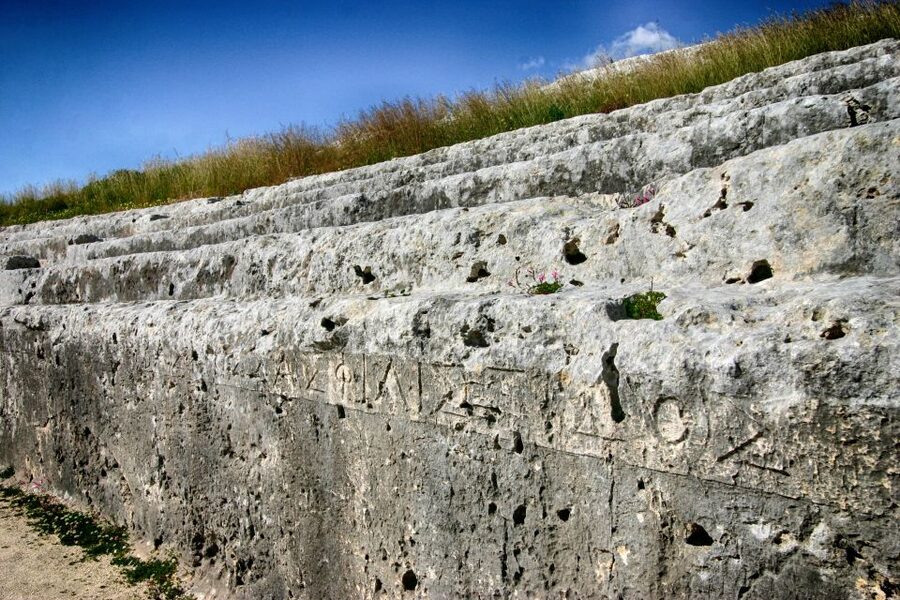
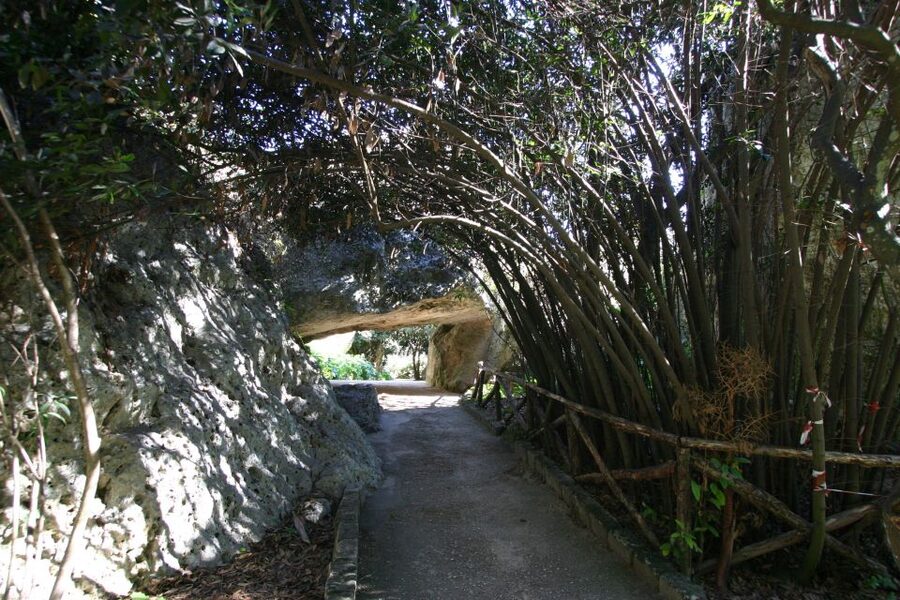
The walk first takes you to Latomie del Paradiso, the ancient stone quarry area. Think of it as an atmospheric place where you can see how human work shaped the landscape, and then how plants returned in a way that makes the whole site feel more alive.
This stop is guided for about 15 minutes. That is not a long time, but it is enough to understand what you are looking at and to get a sense of how this quarry functioned historically before you move on to the acoustics-focused sites.
What I like about this stop for you is the balance. It is not only about stone and dates. It is also about the way local flora grows in the quarry walls, giving you a surreal, almost hidden-garden feel right in the heart of Syracuse.
Grotta del Salnitro and the quarry side of daily ancient life
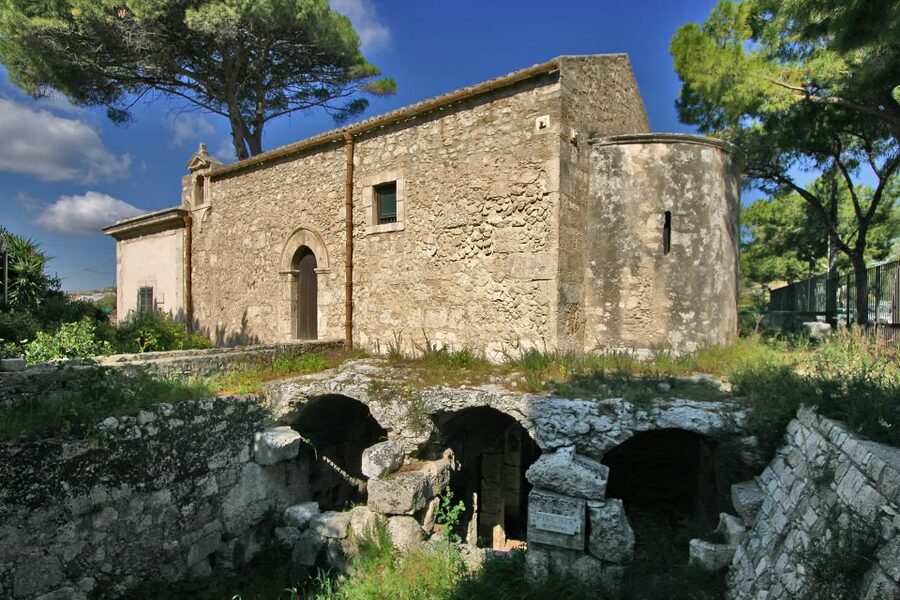
Next comes Grotta del Salnitro, guided for about 15 minutes. Even without turning it into a chemistry lesson, this is one of those stops that makes the park feel practical, not just scenic.
In the broader tour description, these quarry grottos are connected to areas where skilled artisans once crafted materials essential to ancient life. That includes mentions of saltpeter and also ropemakers, which helps you think beyond temples and theatres.
For most people, it is easy to picture ancient life as only religion and performance. This kind of stop reminds you that cities ran on supplies, craft knowledge, and resources. It is a good mental shift, and it sets you up well before the more theatrical monuments.
Entering the Ear of Dionysius: what the guide helps you hear
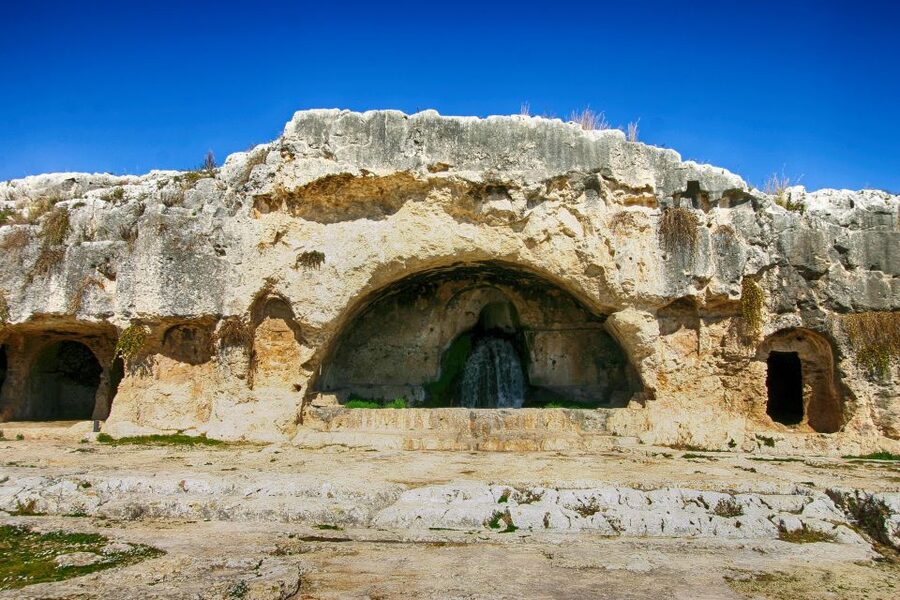
The Ear of Dionysius visit is guided for around 15 minutes. This is the “wow” stop, but it is also one of the places where a guide makes the experience smoother.
The grotto is famous because of its shape and the way it creates echoing sounds. What you can do, with a little guidance, is treat the space like an instrument. You can listen for where sound behaves differently and notice how small changes in position can affect what you hear.
If you are the type who likes to ask questions, this is a good moment to do it. A well-answered explanation can make the acoustics feel like something you understand, not just something you watch.
Greek Theater on Temenite Hill: carved rock, big views, and timing
Then you reach the Greek Theater, guided for about 20 minutes. This monument dates back to roughly the 5th to 3rd century B.C., and it is cut into the rock on Temenite Hill, which gives it that dramatic, built-into-the-landscape feel.
You also get a key view here. The hilltop setting lets you see across toward the bay of Syracuse, and that context helps the theatre stop feel more than just a structure.
One practical consideration is that this theatre is used even now for classical plays and concerts. During spring, and sometimes in summer, it can be covered for performances. That does not ruin the visit, but it can affect what you are able to see depending on the day.
If you care about photos, plan to focus on angles that work with the current setup. A guide can help you spot viewpoints that still show the shape of the theatre clearly.
Between Greek gods and Roman power: Nympheum, Hieron, and the amphitheater
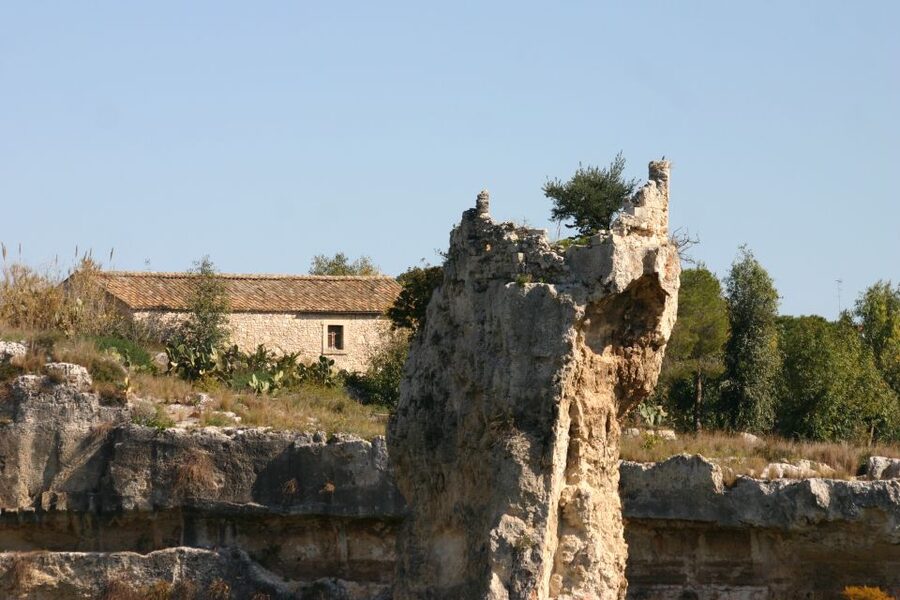
After the theatre, you move through the mid-to-late sequence of the park, where the story transitions from Greek religious and civic space into Roman monumental reuse.
One notable stop described for this route is the Nympheum, a sanctuary dedicated to water nymphs. Even if you only spend a short time in this kind of area, the idea is to take a pause. It is a quieter interlude compared with the theatre seats and the quarry grottos.
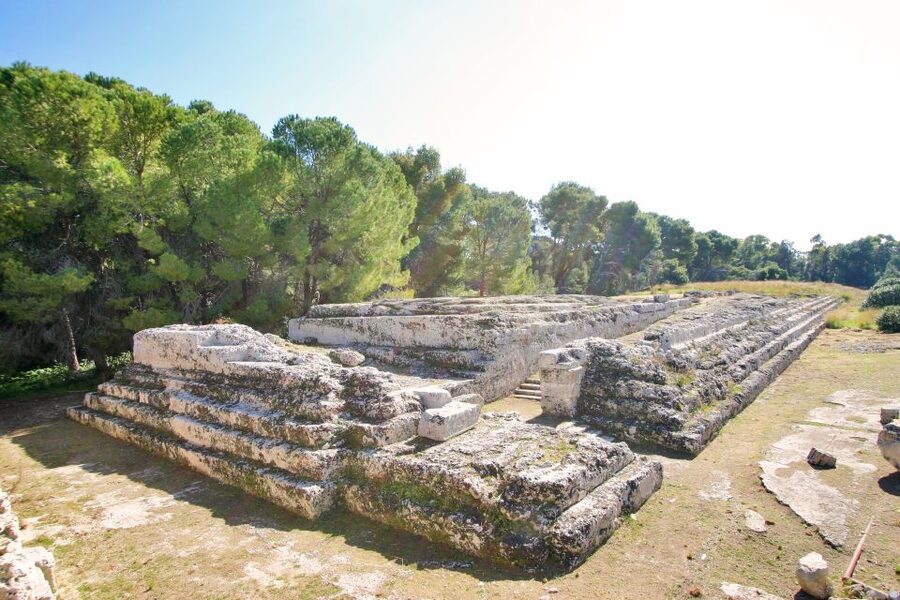
Next is the Altar of Hieron II, guided for about 15 minutes. This is where you slow down a bit and think about ceremonial and religious practice. You are not just seeing structures, you are understanding the purpose behind them.
The final big landmark is the Syracuse Roman Amphitheater, also guided for about 15 minutes. The description emphasizes the echoes, including the idea that the sounds of gladiators seem to linger in the air. Even if that is poetic, the practical takeaway is that you are ending in a space designed for audience sound and movement.
Price and value: what $215.24 buys for up to 15 people
The tour price is listed as $215.24 per group up to 15. That setup can be great value if you are traveling with family or a small group who wants one guide rather than splitting into multiple departures.
The real value question is what is included. The walking tour and licensed guide are included. Entry tickets are included only if you choose the option with tickets. If you do not, you will pay admission at the entrance.
For many people, the money makes sense because Neapolis highlights are spread out, and a private guide keeps the route efficient within the 105-minute timeframe. You are not spending extra time trying to interpret ruins by yourself or hunting down the exact stories attached to each site.
If your group is truly small, you may still find it worthwhile because you get a tailored experience rather than a fixed script. And because it is private, you can ask follow-up questions without feeling like you are slowing down a big crowd.
Accessibility and the walking reality
The tour is marked wheelchair accessible. At the same time, it is still a walking tour through archaeological terrain, which usually means uneven ground and some constraints on how people move through outdoor sites.
If mobility is a concern in your group, it is smart to be ready to move at a steady pace and to ask your guide on the day about the best way to navigate each area. This is exactly where a private group can help, because adjustments are easier.
Who this private Neapolis tour fits best
This is a strong fit if you want a concentrated hit of the most famous Neapolis stops without doing a self-guided scramble. It works especially well for people who appreciate architecture, acoustics, and the way Greek and Roman eras layered over the same terrain.
It also fits families and mixed-age groups, since the route is structured and guided from start to finish in about 105 minutes. The private nature means your group can set the pace.
If you are short on time in Syracuse, this kind of “greatest hits plus context” tour is a practical choice. You get the theatre, the quarry areas including Latomie del Paradiso and Grotta del Salnitro, the Ear of Dionysius, and the altar and amphitheater in one go.
Tips to make the most of every stop
You do not need a long checklist here, but a few small choices help a lot.
Wear comfortable shoes, because you will be walking through outdoor park areas and transitioning between different ground levels. Then, bring a curious mindset. This tour is built around guided interpretation, so the more questions you ask, the more the sites click.
When you reach the Ear of Dionysius, treat it like an experience, not a photo moment. A guide can help you focus on what to listen for, and that is where the stop becomes memorable.
At the Greek Theater, keep an eye on what is visibly changed if the theatre is covered for performances. You still get the setting and structure, but you will want to adjust where you look so you do not miss the view.
Should you book Archaeological Syracuse, Neapolis Park private tour?
I would book this if you want a focused, guided walk through Neapolis Archaeological Park that hits the big names without wasting time. The Ear of Dionysius, the Greek Theater, and the Roman Amphitheater give you a balanced arc, and the guide adds clarity so the ruins feel connected instead of separate.
Choose this tour over a self-guided route if you care about understanding purpose and design, especially in places like the quarry grottos where “why this exists” is part of the magic. And because guides named Eva and Ava are described as pleasant and highly responsive with answers, it is a good pick if you like interactive explanations.
Skip or reconsider if you know you will be visiting many sites on your own and want to keep costs ultra low, because the park entrance fee may be extra unless you select the ticket option. Also, if you are traveling at a time when the Greek Theater is covered for performances, you may want to manage expectations about what you can see from inside.
If you want your Syracuse day to feel organized, personal, and built around the most compelling Neapolis highlights, this private tour is a smart plan.
FAQ
Where does the tour start?
The tour starts at Largo Anfiteatro, 2, at the meeting point inside the Neapolis Archaeological Park area near the small fountain behind San Nicolò ai Cordari medieval church.
How long is the Archaeological Syracuse private tour?
The duration is listed as 1.5 hours, about 105 minutes. Starting times depend on availability.
Is the park entrance fee included?
Entry tickets are included only if you select the option that includes tickets. If not selected, you should purchase park admission at the entrance.
What stops are included during the walk?
The tour includes Latomie del Paradiso, Grotta del Salnitro, the Ear of Dionysius, the Greek Theater, the Altar of Hieron II, and the Roman Amphitheater.
What languages are the live guides available in?
The live tour guide is available in English, Italian, and German.
Is this tour private?
Yes, it is a private group experience.
Is the tour wheelchair accessible?
The activity is marked wheelchair accessible.
What should I bring and wear?
Bring comfortable shoes for walking during the tour.
What is the cancellation policy?
You can cancel up to 24 hours in advance for a full refund.
Just reviewed in Syracuse
- Tour in barca privata da Avola a Marzamemi con snorkeling★ 5.0 · 4 reviews
- Syracuse:Boat tour Ortigia,Pillirina and seacaves★ 4.7 · 38 reviews
- Island of Ortigia: Sunset Boat Tour with Aperitif★ 2.6 · 4 reviews
- Ortigia guided night tour, Syracuse★ 4.8 · 4 reviews
- Sortino: Olive Oil tasting with Sicilian Products and Wine★ 5.0 · 5 reviews
- Museo delle Illusioni – Siracusa –★ 4.3 · 22 reviews
- Tour in barca da Avola a Marzamemi/Portopalo di CapoPassero★ 4.8 · 6 reviews
- Tour in barca da Avola a Marzamemi/Portopalo di CapoPassero★ 4.7 · 10 reviews
Syracuse Tours, compared.
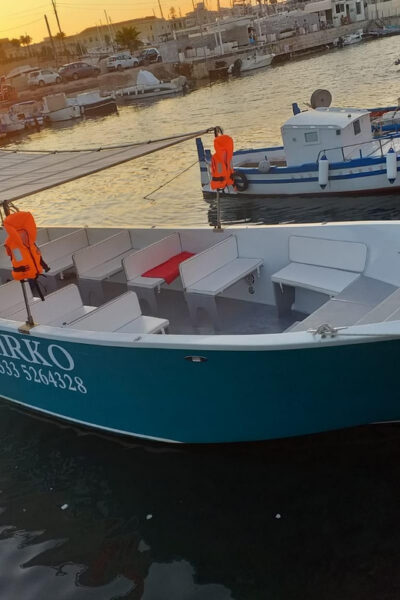
Boat Tour with Captain Mirko, Snorkeling & Caves
Read our review →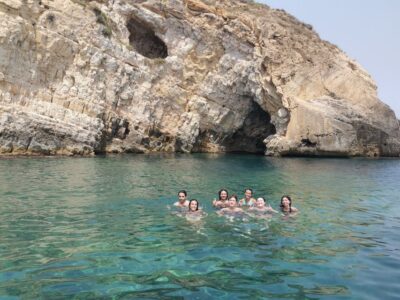
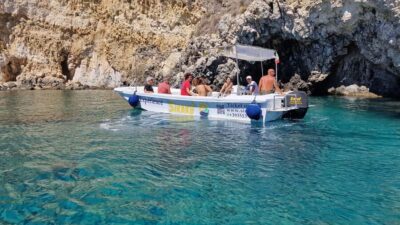
Ortigia & Sea Caves Speedboat Tour with Swim Stop
Read our review →
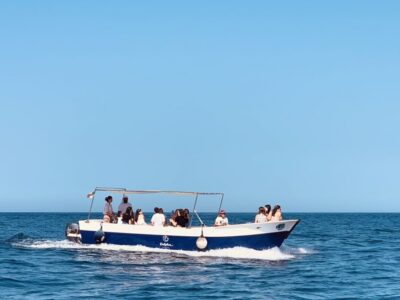
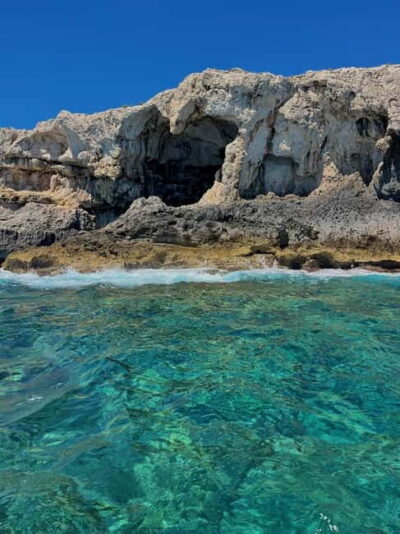
Ortigia Island and Sea Caves Boat Tour with Drinks
Read our review →

Street Food Walking Tour in Ortigia with Tastings
Read our review →Browse the lists this tour appears in