
Reviewed in full · ETNA SUMMIT & CABLE CAR TOURS
Etna, Summit Craters
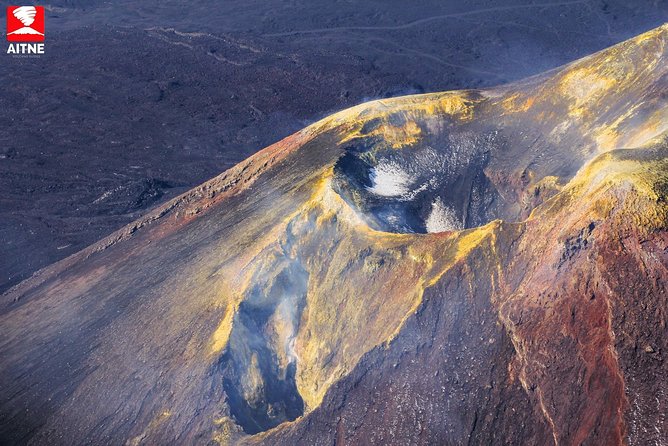
Etna, Summit Craters is interesting because it turns a famous active volcano into a practical, feet-on-the-ground hike. You ride up first, then you walk to the crater edges and stand where the terrain is still doing its thing, with stops at Bocca Nuova and the North East Crater.
I especially like that hiking boots, a warm jacket, and a helmet are provided, so you do not need to gamble on gear before you arrive. I also like the 9:00 am start, which usually means you get your Etna fix early and still have your evening for Catania, wine bars, or just a long, well-earned dinner.
One consideration: access to the highest points can change with volcanic activity and weather, so you should expect the route to adapt if conditions require it.
Key Points You Should Know Before Going
- Crater-edge viewpoints at Bocca Nuova and the Voragine area, plus a climb to the North East Crater
- Gear included: boots, jacket, helmet, and other safety equipment so you travel lighter
- Cable car and 4×4 start that brings you close fast, before the real hiking begins
- Valle del Bove descent through ash and scoria, with big, dramatic volcanic terrain
- Small group size up to 15 people, which helps on steep, windy sections
- Morning schedule leaves you time later for other Sicily plans
Why Etna’s Summit Craters Feel So Different From a Normal Hike
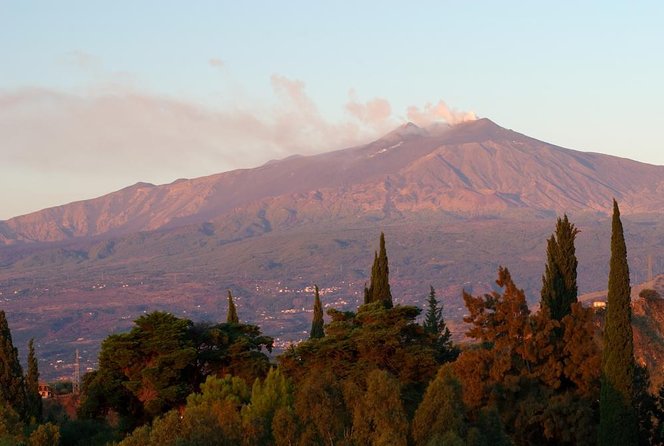
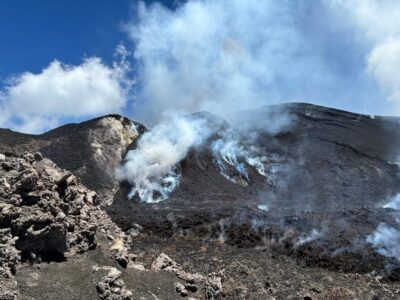
This hike is not about strolling on marked trails. You are walking on active-volcano ground, with ash and scoria underfoot, and you are gaining altitude steadily until the views start to look unreal. One moment you are climbing, the next you are staring into craters and volcanic formations that make you understand why Etna is a living thing.
What I like most is how the route has built-in “wow” moments. You do not just reach a single viewpoint and call it a day. You get crater edges, then a steeper short push to the North East Crater, then a long descent through a volcanic amphitheater.
The atmosphere can be cool, windy, and sometimes hazy because you are high up. That is not a reason to skip it, it is a reason to come prepared and listen to your guide.
More summit and cable-car trips on Etna:
- Etna excursion 3000 meters with 4×4 cable car and Trekking
★ 4.5 · 504 reviews - Etna – Trekking to the summit craters (only guide service) experienced hikers
★ 5.0 · 286 reviews - Mount Etna: Guided Volcano Summit Hiking Tour with Cable Car
★ 4.7 · 3,784 reviews
Starting at Nicolosi: Your 9:00 am Jump-Off Point
The tour meets at La Terrazza Dell’Etna Etna Sud, in Piazza Vittorio Emanuele, in Nicolosi. The start time is 9:00 am, and the activity ends back at the same meeting point. That matters because you are not stuck in the mountains all day with transport headaches.
You also have a practical advantage if you like plans that leave room for life back in town. A morning departure helps you keep your evening open, which is a big deal in Sicily, where one good sunset can turn into five plans.
The tour is offered in English, and the group stays small, with a maximum of 15 travelers. A smaller group means less bunching around narrow crater edges, and it usually makes pacing easier for the guide.
Cable Car and 4×4 First, Then the Real Climb Begins
The ascent starts fast. You go up by cable car and 4×4 minibus to around 2900 m, in the Torre del Filosofo area. After that, you begin an uphill walk of about 1.5 hours before you reach the edge of the central crater.
This “ride up first” approach is the heart of the value. You get the altitude and crater terrain without losing half the morning to long lower-elevation hikes. It also means the day focuses on the most dramatic part: the crater walk and viewpoints.
Just note what is included versus not included. Your base price covers your guide and the equipment, but it does not include the round-trip cable car and the jeep up to 2900 m. In real life, that extra cost is not an optional afterthought. Budget for it, and if you travel from out of town, have a plan to handle payment at the time you need it.
Bocca Nuova and the Central Crater Edge at 3,250 m
Your first major crater moment comes at Bocca Nuova (about 3250 m). This crater opened in 1968, and it is often the stop that people remember most because it feels immediate. You are not peeking from afar. You are at the crater edge with real scale and depth in front of you.
From Bocca Nuova, the route moves you around the Voragine, described as the heart of the Central Crater. In plain terms, this is where your eyes start scanning for patterns in volcanic formations, not just collecting pretty photos. The terrain is broken, layered, and shaped by eruptions over time.
One practical tip: when conditions are windy, crater edges can feel exposed. You will want to follow your guide’s positioning and timing. This is also where a good guide makes a difference, especially if someone in your group is slower or nervous around height and uneven ground.
If the day is clear, you may even see the Aeolian Islands to the north. That is not guaranteed, but it is a nice “bonus horizon” to watch for once you are high enough.
More ways up Etna from Sicily:
- Etna Morning Trip
★ 4.5 · 1,241 reviews - Mt. Etna nature and flavors half day Tour from Catania
★ 5.0 · 545 reviews - Mount Etna Adventurous Hiking Tour with Equipment
★ 4.5 · 439 reviews - From Catania: Mt. Etna, Wine and Alcantara Tour
★ 4.8 · 370 reviews
The North East Crater: A Short Climb With Big Consequences
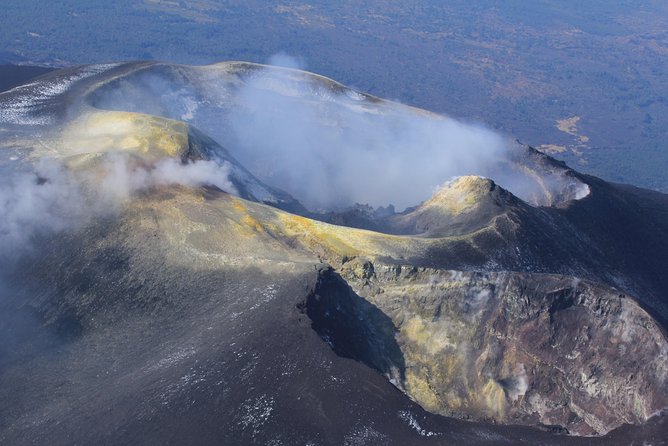
After circling Bocca Nuova, you reach another key moment: a steep but short climb to the North East Crater, formed in 1911. The summit point you aim for is listed around 3329 m.
This section is where the hike becomes more physical. Even if you are fit, the combination of steep steps, volcanic ground, and altitude can slow you down. This is also where your guide’s pacing matters. On Etna days, guides like Marco, Vincenzo, Simone, and Massimo are repeatedly credited with keeping groups moving at a safe speed and helping everyone feel comfortable on uneven terrain.
When you get to the top, you can look around with a 360-degree view. That means you are not stuck staring in one direction. You can take in the craters, the slopes, and the overall shape of the volcano, which is a very different experience than seeing a crater from a single fixed spot.
Also, because Etna is active, do not be shocked if your plan changes. Sometimes regulations stop access higher than expected. If that happens, the goal is still to get you to the permitted high points and crater views rather than forcing an unsafe or forbidden push.
Valle del Bove Descent: Ash, Scoria, and the Long Way Down
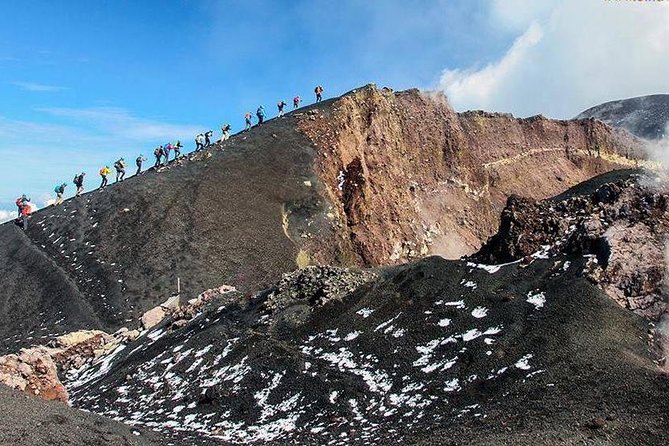
Once you finish at the summit area, you start the descent. The route goes down along a slope described as steep but manageable, made of ashes and scoria. This is not like hiking on grass or packed dirt. Scoria can feel loose, and ash can be gritty, so you need stable footing and good boots.
As you descend, you pass through Valle del Bove, a volcanic caldera described as about 8 km long and 4 km wide. Even if you are tired, this is the point where the volcano starts looking like an engineered amphitheater. The walls of the caldera frame your view and make the scale sink in.
This part also benefits from your included equipment. Boots and helmets are not just “nice to have” here. They help on uneven ground and in windy conditions.
What’s Included, What’s Not, and Why It Impacts Your Total Cost
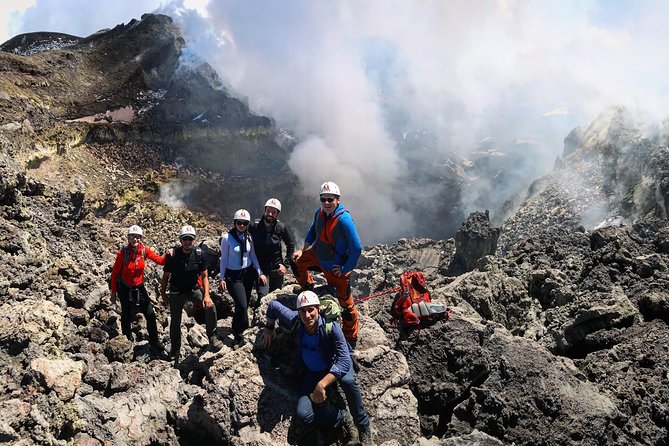
Your price is $84.69 per person and includes:
- the guide
- hiking equipment, including trekking boots, a jacket, and a helmet
What’s not included:
- the round-trip cable car
- the jeep up to 2900 m (and those costs are part of the climb plan)
So the real question is value, not the base rate. The base fare buys you a guided crater hike with gear, and for many people, that is the whole point. You are not just buying transport. You are buying someone to manage the route on active-volcano terrain, keeping you paced, safe, and oriented.
But the base price alone is not the full bill. Multiple people have paid extra for the cable car and 4×4, with costs mentioned in a rough range around 50 to 78 euros per person, depending on what you are doing that day and how the transport is priced. In other cases, people reported needing cash quickly. If you are budgeting, assume you will pay extra and plan for it ahead of time.
If you hate surprises, this is the biggest “read the fine print” moment. If you do not mind paying a bit more for a guided crater approach, it often feels worth it.
Equipment and Day Prep: Boots, Warm Layers, and Mask Advice
Because you are high up, conditions can swing. Even in good weather, you can feel cold and exposed due to altitude and wind. People have specifically recommended bringing an extra warm layer, like a hoodie or jacket, even when you already get tour gear.
Here’s what you should pack in addition to the included equipment:
- A warm layer (wind can cut fast)
- A small daypack for water and snacks
- Food you can actually finish on a long, active walk
One thing that comes up repeatedly is gas and volcanic emissions. Some visitors recommend bringing an FFP2 mask or at least a buff or mask you can put on when it gets strong. Your guide may tell you what to do in the moment, but it is smarter to show up ready.
Also, the hike is described as for people with moderate physical fitness. If you have asthma, it is not recommended. Altitude and air quality on mountaintops can be a problem.
And bring a practical mindset. This is active terrain, not a gentle stroll. You will likely sweat going up and then want your footing to stay solid on the descent.
Guide Quality: Why Names Like Marco and Nino Come Up Often
In this kind of hike, the guide is not just pointing and talking. They manage:
- pace on steep sections
- safety near crater edges
- how the group handles wind
- where you can legally walk based on current conditions
Guides like Marco, Vincenzo, Nino, Simone, Fabio, Davide, Massimo, Giuseppe, and Mario are all mentioned with praise for making the hike feel safe and doable. The common thread is group care. People highlight guides who slow down when someone needs it, and guides who explain what you are seeing, not just where to step next.
If you have never hiked at altitude before, this is exactly the kind of tour where a good guide helps you find your limit without turning the day into a stress test.
Who Should Book This Etna Summit Craters Hike
This is a great pick if you:
- want the real crater experience, not just a viewpoint from a bus
- like hiking with structure and a guide leading the way
- enjoy learning as you walk, especially about volcanic formations
- want a small-group feel with a max of 15 travelers
It is also a good fit if you like morning plans, because the schedule helps you keep your evening open.
You should think twice if you:
- have asthma
- do not feel comfortable with steep, uneven terrain at high altitude
- are traveling with very young kids, because the hike is physically demanding and the pace is designed for crater walking and safe regrouping
Should You Book This Tour or Choose Another Option?
Book it if your priority is a guided crater hike that takes you to Bocca Nuova and the North East Crater area, with gear provided and a morning start that keeps the rest of your day free.
Skip it or choose a less physical option if you are sensitive to altitude or you want something closer to an easy walking tour. This is a hike, and it can feel challenging even for people who are otherwise in shape.
My decision rule for you: if you are willing to plan for the extra cable car and 4×4 cost, bring warm layers and a mask or buff for emissions, and follow your guide’s pace on uneven volcanic ground, this is one of the most memorable ways to experience Etna up close.
FAQ
How long is the Etna Summit Craters tour?
It lasts about 5 hours (approx.).
What time does the tour start, and where does it end?
It starts at 9:00 am and ends back at the same meeting point.
What’s included in the price?
The price includes the guide and hiking equipment, including trekking boots, a jacket, and a helmet.
Are the cable car and 4×4 included in the price?
No. The round-trip cable car and the jeep up to 2900 m are excluded.
What fitness level do I need?
You should have a moderate physical fitness level.
Is the tour offered in English, and what’s the group size?
Yes, it is offered in English. The maximum group size is 15 travelers.
Just reviewed in Sicily
- Pillirina, Ortigia, Sea caves: Boat Tour and Snorkeling★ 4.4 · 7 reviews
- Etna Southern Slope Guided Easy Trek★ 4.8 · 36 reviews
- Lampedusa: Dolphin watching with aperitif at sunset★ 3.2 · 9 reviews
- Hot spring and Temple★ 5.0 · 3 reviews
- From Trapani: Egadi Islands Day Tour by Boat★ 4.7 · 23 reviews
- From Taormina or Messina Port: Body Rafting + Lunch★ 4.7 · 3 reviews
- Enoteca dell’Etna: Iemu Spizzicannu Tasting★ 5.0 · 9 reviews
- Capo d’Orlando: Mini-cruises to Vulcano, Panarea, Stromboli★ 2.2 · 6 reviews
Etna Summit & Cable Car Tours, compared.
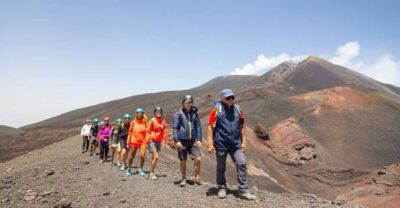
Mount Etna: Guided Volcano Summit Hiking Tour with Cable Car
Read our review →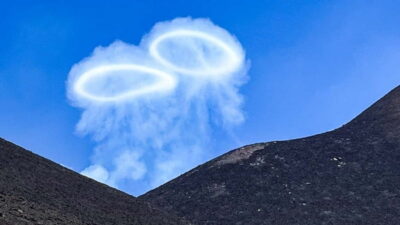
Mount Etna: Trek to 3000m with cable car and jeep
Read our review →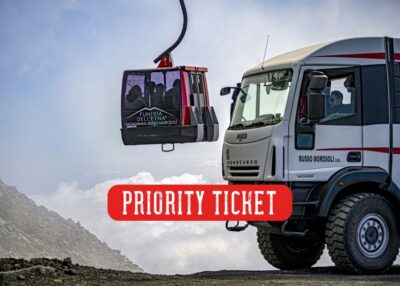
Mount Etna: Roundtrip Cable Car and 4×4 Bus Ticket
Read our review →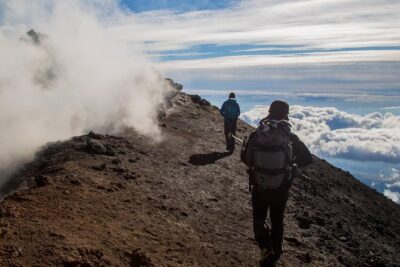
Etna excursion to 3000 mt. with cable-car and jeep 4×4
Read our review →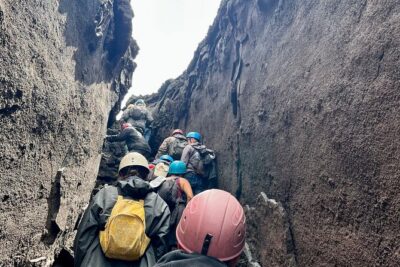
Etna excursion 3000 meters with 4×4 cable car and Trekking
Read our review →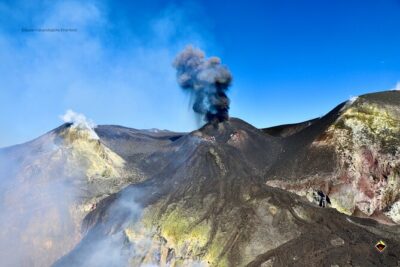
Etna – Trekking to the summit craters (only guide service) experienced hikers
Read our review →Browse the lists this tour appears in