
Reviewed in full · ETNA SUMMIT & CABLE CAR TOURS
Hike near the summit craters up to the maximum safe altitude currently foreseen
Mount Etna is one of Europe’s most active volcanoes, and this trip is built around getting you as high as the mountain currently allows. I love the push up to the maximum safe altitude of 3,000 m, and I love that you’re shown the South-East Crater from regulated, safer viewpoints rather than just staring at it from far away. The possible drawback is simple, altitude and volcanic terrain are no joke, so you need steady pacing and a head for uneven ground.
A big reason people rave about the hike is the guide quality. I’ve seen names like Filippo, a PhD geologist, plus Vincenzo, Daniele, and Podlo showing real expertise, then translating it into practical, human-scale encouragement. This is also a smaller group day, with a maximum of 15 people, so you’re not lost in the crowd.
One more thing to plan for: you start at 1,900 m and then ride up by cable car before the walking starts. That means you’ll feel the cold and thinner air fast, even if the hike is only around 5 hours total.
Key things you’ll notice on this Etna summit hike
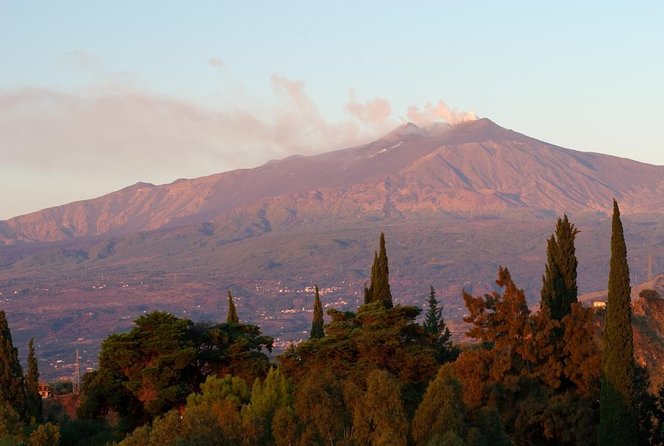
- Reach 3,000 m, the current summit limit set by local ordinances, so you get genuine summit-altitude hiking.
- Guided views of the South-East Crater from a safe distance, even when direct access is closed for heat and instability.
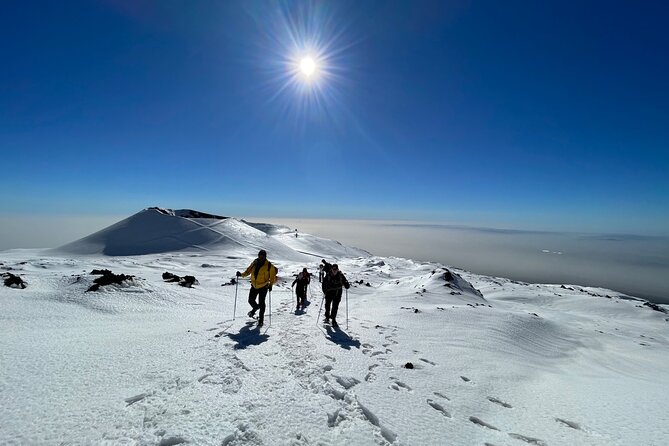
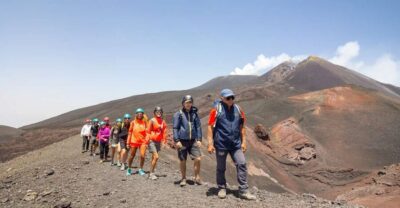
- Start with a cable car to 2,500 m, then climb about 500 m on foot over lava terrain.
- Gear is included: trekking poles, trekking shoes, helmet, warm jacket, extra socks, extra backpack, plus accident insurance.
- Expect crater-rim walking and possible dizziness, especially if you’re sensitive to heights or dizzy spells.
- Small group day with up to 15 travelers, run in English with a mobile ticket.
What you’re really doing on Etna, not just sightseeing
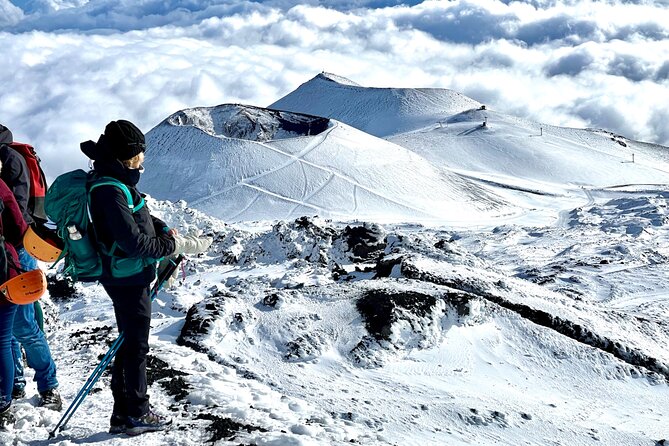
This isn’t a casual, paved-path walk. It’s a guided hike on volcanic terrain where the mountain makes its own rules. The day is structured around safety limits, and that shows up in how far you go, where you walk, and what you can actually see at the top.
The big payoff is altitude plus proximity. You’re not just looking at Etna as a background mountain. You’re climbing to the current maximum allowed altitude, staying in a zone where officials want people kept at a controlled distance from the most dangerous areas.
More summit and cable-car trips on Etna:
- Etna excursion 3000 meters with 4×4 cable car and Trekking
★ 4.5 · 504 reviews - Etna – Trekking to the summit craters (only guide service) experienced hikers
★ 5.0 · 286 reviews - Etna, Summit Craters
★ 5.0 · 272 reviews
The route: from 1,900 m to 3,000 m and back down
Your day starts at Esagonal Piazzale Funivia Etna Sud, in Nicolosi (about an 8:30 am departure). After check-in and tickets with the guide, you take the cable car up to 2,500 m. That cable ride is not just transport, it’s part of the rhythm of the day, so you can get moving before your body fully acclimates to the thin air.
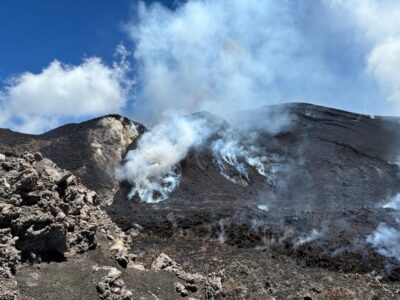
From 2,500 m, the trek begins. You gain roughly 500 m as you walk over lava fields, crater areas, lava channels, and fumaroles, up to the base of the South-East Crater at 3,000 m, which is the maximum altitude permitted by summit ordinances at the time your hike runs.
A few practical notes on the trail itself:
- The route stays above 2,500 m, which helps your views but also means you’re high for most of the day.
- Volcanic ground can be uneven and unstable. Even with trekking poles and shoes, you should expect to place your feet carefully.
- The total walking time is about 5 hours, with roughly 6.5 km covered, so it’s not long distance, it’s high-effort distance.
Then it’s back down. You walk from 3,000 m to the cable car station, then ride down to the meeting point. In other words, you do the “work” climbing, and the descent gets you more geology and viewpoints without turning into an all-day endurance event.
South-East Crater views, and why you might not walk right up to the cone
One of the most valuable parts of this hike is that it’s designed to show you the volcano’s active personality without gambling on access to unsafe ground. The South-East Crater is Etna’s most active cone, and it’s often the source of recent eruptions.
But even when you’re high enough to see it clearly, direct access to the cone can be closed by local authorities and civil protection due to extreme heat, instability, and the potential for collapses when magma sits close to the surface. The good news is you’re not left with vague silhouettes. From the walking route and the allowed zones, you can admire the crater from a safe distance.
This is also why your guide has discretion. If volcanic or environmental conditions change, the itinerary can be adjusted or suspended to keep the group safe. The mountain is dynamic, so the plan is flexible.
Difficulty and altitude: who this hike fits best
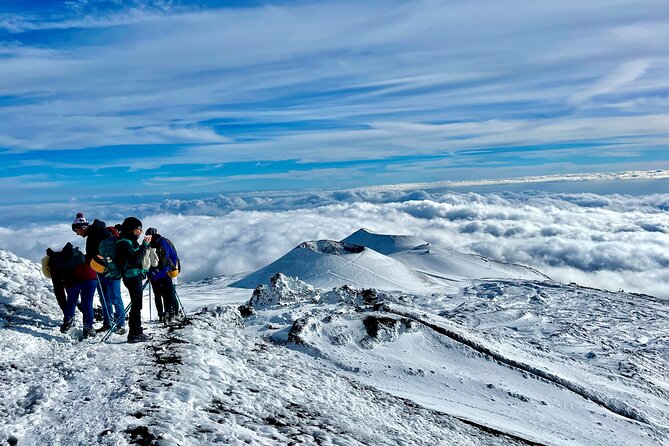
On paper, this is rated E for hikers used to high altitude. That rating matters because the experience is not only about effort. It’s also about oxygen, cold, and balance.
Here’s what you should expect to feel:
- You’ll likely breathe harder at 2,500 m and above, even if you’re a fit walker.
- Cold can surprise you at altitude, especially early in the morning.
- Crater-rim walking can trigger dizziness for sensitive individuals.
Based on the physical guidance given for this tour, I’d only book it if you do regular walking and you can handle steep, rocky, uneven terrain for several hours. It’s not recommended for people who do little physical activity.
Also take medical cautions seriously. The tour is suited to people in good health without specific conditions like cardiovascular or respiratory issues, or hypertension. If you have any of those concerns, talk to your doctor first. And if you’re good, still share health details with your guide so they can support you if you slow down.
More walks and climbs near Sicily:
- Mount Etna Adventurous Hiking Tour with Equipment
★ 4.5 · 439 reviews - Etna Southern Slope Guided Easy Trek
★ 4.8 · 36 reviews - Etna 3000 from the south with Cable Car and trekking – Morning or Afternoon
★ 5.0 · 13 reviews - Sicily: Mount Etna’s North Slope Craters Guided Hike Tour
★ 5.0 · 8 reviews
What’s included, and how it changes the value of the day
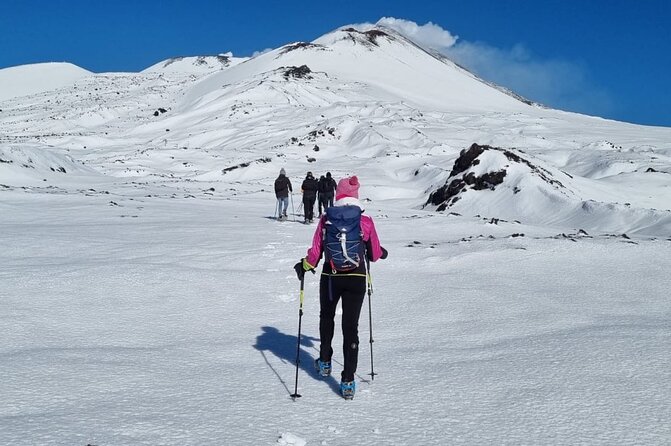
The headline price sounds reasonable for a summit-altitude guided hike, but the real value comes from what’s already taken care of.
Included in the tour price:
- Authorized vulcanological guide
- Trekking poles, trekking shoes, helmet
- Warm jacket, extra socks, extra backpack
- Accident insurance
- Entry or admission to Mount Etna
Not included, and worth budgeting:
- 52€ per person on site for the cable car tickets, round trip
- Parking ticket (if you drive)
- Snowshoe rental for €15 per person if there’s deep snow
- Transport from your accommodation
- Hat and gloves
That cable car fee is the one “extra cost” you should plan for up front. Still, once you compare it to what you’re paying for, the guide plus safety gear plus summit-altitude access makes the day feel more like a guided expedition than a basic hike.
One extra practical tip: there’s often a place near the meeting point to grab breakfast or sandwiches before you start. If you’re traveling with a flexible schedule, eat early, then keep your water and snacks simple for the climb.
Cost reality: your budget for the full experience
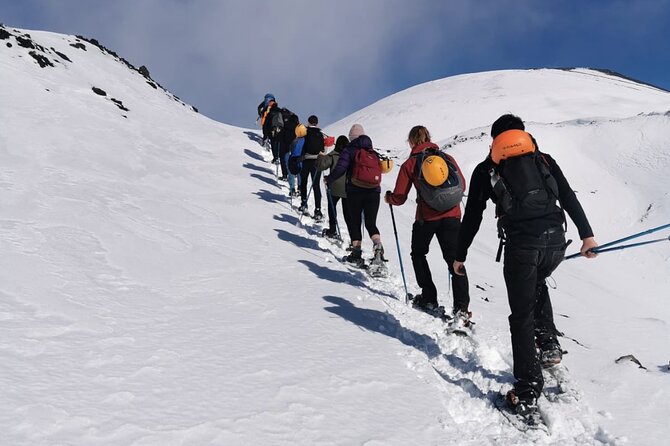
Let’s put numbers into perspective. The listed price is $66.38 per person, and then you pay 52€ on site for the round-trip cable car. That means your total day will be higher than the sticker price, but it’s not a surprise if you plan for it.
If you’re bringing your own winter gear, remember that hat and gloves are not included. Also, glasses and comfort matter more at altitude than you might expect. If you wear contact lenses, note that the tour guidance says they’re not recommended due to volcanic gases and ash irritation. If you do wear contacts, use them with sunglasses.
Guides on Etna: why the people factor matters
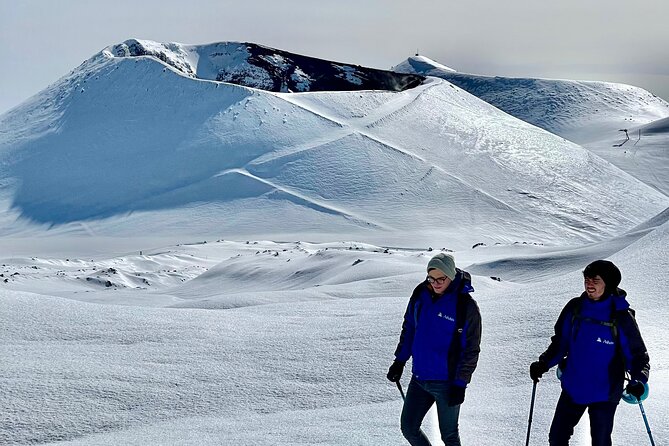
Etna can overwhelm you if all you do is look up and go, wow. The best part of a guided summit hike is that someone explains what you’re seeing while you’re still standing there feeling it in your legs.
In past groups, guides like Filippo have brought real scientific depth, including geological knowledge delivered in a way that helps you connect each lava feature to the bigger story of Etna’s activity. Other guides, including Vincenzo, Podlo, and Daniele, are praised for friendliness, professionalism, and turning the climb into a learning walk where you still feel motivated.
You also feel cared for in small ways. People describe well-timed encouragement, clear pacing, and route choices that keep the group moving. In one example, if the cable car is unavailable due to maintenance, the guide may shift the hiking plan so the day still delivers an impressive volcanic experience. That’s the kind of flexibility you want on a mountain that can change its rules day to day.
Gear and what to pack so you don’t suffer unnecessarily
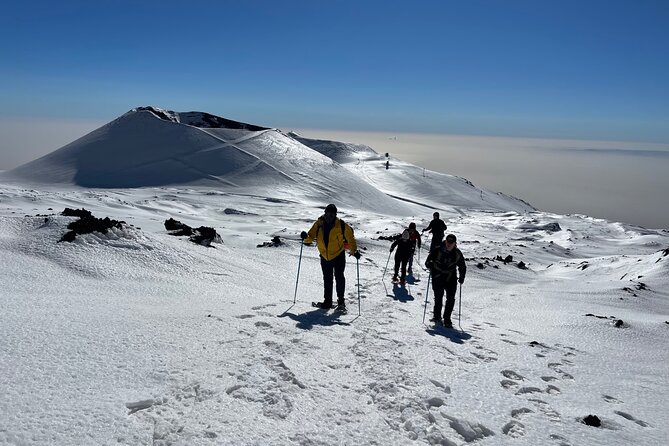
The tour includes a lot of the gear people usually try to bring or rent: shoes, trekking poles, helmet, warm jacket, extra socks, and an extra backpack. That’s a big deal if you’re traveling light or arriving straight from another Italian city.
But there are still a couple things you should not wing:
- Bring your hat and gloves, since those are not included.
- Consider bringing layers you can adjust as you warm up during the climb and cool down at higher elevation.
- If you’re prone to dizziness, plan for it. Crater-rim sections can do that.
Also, I strongly suggest using sunglasses and thinking about your eyes. Volcanic gases and ash can irritate contacts, and even without contacts, wind plus grit is part of high-altitude volcanic hiking.
Logistics that matter on summit-altitude days
This is scheduled for an 8:30 am start from the Nicolosi meeting point area near the cable car.
Two logistics points that affect how smooth your day feels:
- The hike is conducted based on what regulations allow at the time, so the route can adjust if conditions change.
- Your day depends on weather and volcanic activity. If the experience needs to be canceled for poor weather, you’ll be offered a different date or a full refund.
Finally, service animals are allowed, which is useful if you travel with a companion animal and need it to remain with you.
Who should book this Etna summit hike, and who should consider another option
Book it if:
- You want real altitude hiking, not a viewpoint-only outing.
- You like geology and want explanations while you see lava fields, channels, craters, and fumaroles.
- You can walk about 6.5 km with a 500 m climb feel, at high elevation, on uneven volcanic ground.
Consider another option if:
- You have trouble with high-altitude walking or you don’t do much physical activity.
- You have cardiovascular or respiratory issues, hypertension, or any medical concern that could worsen with altitude.
- Heights and dizziness are major triggers for you, since the route includes crater-rim walking.
This is also a good family option for kids over 7 years old, as long as they’re used to walking and can handle the pace and altitude with guidance.
Should you book this Mount Etna hike to the maximum safe altitude?
If you want the Etna experience at its most intense and still controlled, I think it’s a strong yes. The value is in three places: the summit-altitude target (up to 3,000 m), the guide who connects what you see to the volcano’s behavior, and the included safety-friendly gear.
But be honest about your body. This is not a stroll. You’re moving through volcanic terrain at elevation, and the experience will go best if you come ready for cold, thinner air, and a few careful steps.
If you’re the type who loves meaningful views, wants a structured plan that follows safety rules, and you can handle high-altitude walking, this is the kind of day you’ll remember when you’re back in the lowlands.
FAQ
What altitude do we reach on this Mount Etna hike?
You start at about 1,900 m, ride the cable car to 2,500 m, then hike up to 3,000 m, which is the maximum altitude allowed by summit regulations at the time of the excursion.
Is the cable car ticket included in the price?
No. The 52€ per person cable car ticket (round trip) is paid on site.
How hard is the hike?
It’s listed as difficulty E for hikers used to high altitude. The trek is about 6.5 km with roughly 500 m of gain, and lasts around 5 hours.
What equipment should I bring, since some gear is provided?
The tour includes trekking poles, trekking shoes, helmet, warm jacket, extra socks, and extra backpack. Hat and gloves are not included, so you should bring those. Contact lenses are not recommended due to volcanic gases and ash irritation.
Are contact lenses recommended on the hike?
No, the guidance says contact lenses are not recommended because of volcanic gases and ash. If you wear them, it’s advised to use them together with sunglasses.
What happens if weather or volcanic conditions change?
The itinerary may be adjusted at the guide’s discretion or suspended if environmental, weather, or volcanic conditions change and pose a risk. The excursion is conducted according to the limits set by current regulations.
How many people are on the tour?
There is a maximum of 15 travelers per group.
Just reviewed in Sicily
- Bikes★ 5.0 · 3 reviews
- Full Day Private Boat Tour San Vito Lo Capo – Castellammare★ 5.0 · 101 reviews
- Authentic Sicilian cooking class with Francesca★ 5.0 · 5 reviews
- Best of Godfather and Taormina Tour with Street Food Tasting★ 5.0 · 3 reviews
- Basic Tour of the Soap Museum in Sciacca★ 5.0 · 8 reviews
- Baroque Noto private walking tour★ 4.5 · 15 reviews
- Syracuse Bicycle Rental★ 5.0 · 9 reviews
- Cook, Eat & Embrace Sicily-An Authentic Cooking Experience★ 5.0 · 42 reviews
Etna Summit & Cable Car Tours, compared.
Mount Etna: Guided Volcano Summit Hiking Tour with Cable Car
Read our review →
Mount Etna: Trek to 3000m with cable car and jeep
Read our review →
Mount Etna: Roundtrip Cable Car and 4×4 Bus Ticket
Read our review →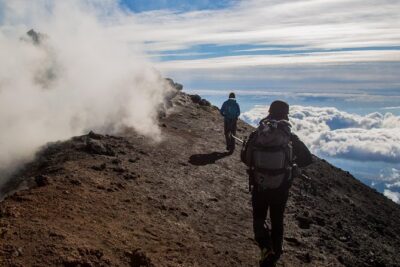
Etna excursion to 3000 mt. with cable-car and jeep 4×4
Read our review →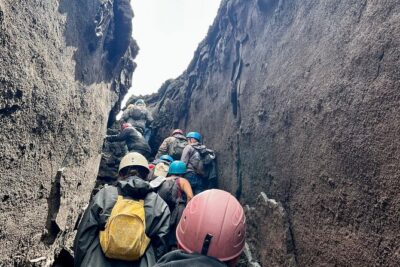
Etna excursion 3000 meters with 4×4 cable car and Trekking
Read our review →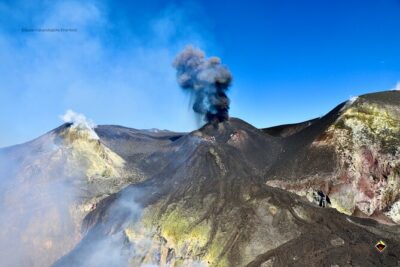
Etna – Trekking to the summit craters (only guide service) experienced hikers
Read our review →Browse the lists this tour appears in