
Reviewed in full · TRAPANI SALT PANS TOURS
Marsala: Guided tour of the Genna Salt Pans
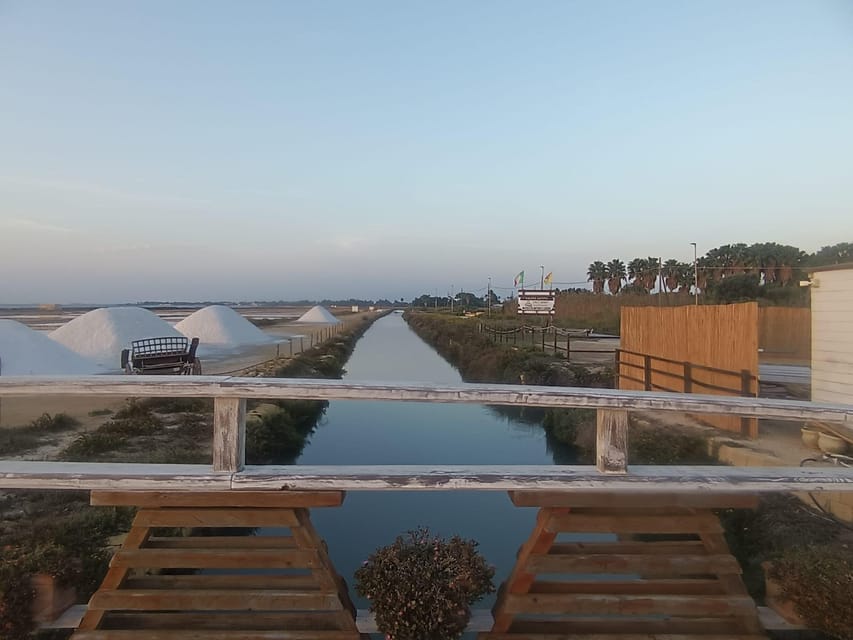
What makes the Genna Salt Pans tour in Marsala interesting is that it takes you inside a working salt site and explains how the process really works, not just the end result. I love the Stagnone Lagoon viewpoint and the way you can walk through the Spanish-built salt pans while a guide connects what you’re seeing to the science of salt.
There is one drawback to think about: a short tour plus only oral explanation can feel a bit thin if you’re hoping for visual aids like drawings or photos. One guest noted the same issue in a language-only guided explanation, so if you prefer diagrams, go in knowing you’ll mostly learn by watching and listening.
Key Things You’ll Notice on the Genna Salt Pans Tour
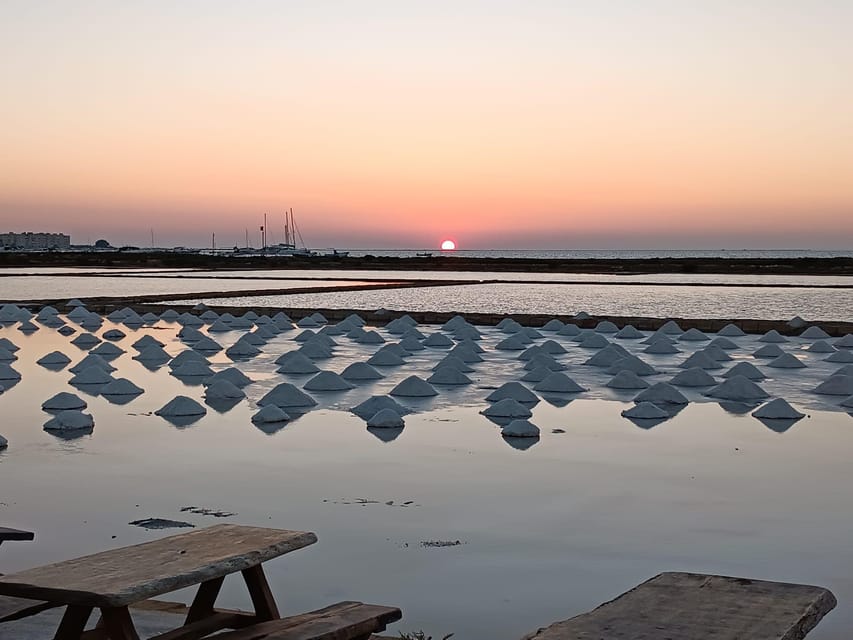
- Stagnone Lagoon views as you tour the basins, so salt-making feels tied to the coastal weather
- Spanish salt pans from the 15th century, giving the site an older, long-used feel
- A guided walkthrough of how the tanks work, right through to crystallization
- Certified organic salt in Italy, explained in the context of the production site
- A 45-minute format that’s quick, focused, and easy to fit into a day in Marsala
Why Genna Salt Pans in Marsala Feel Like a Working Time Capsule
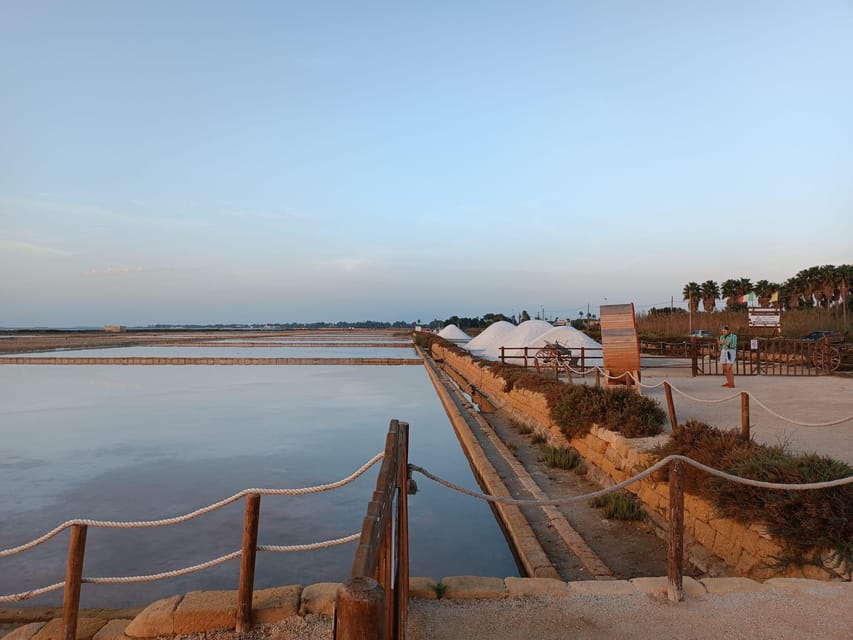
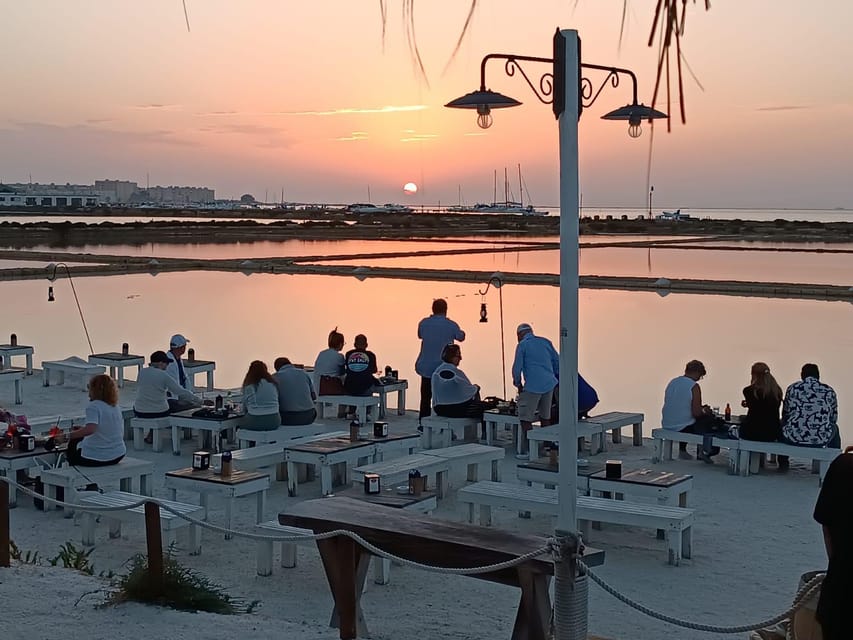
This is one of those Sicily experiences where you can see industry and nature sharing the same space. Genna Salt Pans (Saline Genna) sits right by the Stagnone Lagoon, so the air and light feel part of the production. Expect a site that smells strongly of salt and iodine, shaped by sun, wind, and evaporation.
The tour’s big appeal is the contrast between the calm walk and the clear purpose of the place. You’re not just looking at old buildings. You’re learning how water becomes salt crystals, step by step, with your guide pointing out how the system moves and concentrates brine.
I especially like that it stays practical. The guide focuses on production processes, from the working salt tanks to the moment the salt crystallizes. That makes the 45 minutes feel like a guided “how it works” lesson, not a general talk.
More salt pan tours on the west coast:
- Marsala: Guided Salt Pans Walk Tour with Windmill Visit
★ 4.7 · 162 reviews - Guided tour of the Marsala Salt Pans and salt harvesting
★ 4.7 · 60 reviews - Marsala: Pink Salt Pans Wellness
★ 4.5 · 31 reviews
Where You Start at Saline Genna (and What to Find)
Your meeting point is the SALT SHOP INSIDE THE SALT PANS. That matters because you’re not meeting at a generic ticket booth in town. You’re going straight into the salt site environment, which helps everything feel immediate and real.
You should also plan for the environment right away. Even before the main tour starts, you’ll likely feel that salty, iodine-heavy atmosphere described for this place. If you’re sensitive to strong smells, bring that in mind.
Also keep logistics simple. The tour is 45 minutes, and the key experience is the walking and explanations inside the salt pans. This is not the kind of stop where you’ll want to wander far on your own after the fact. You’ll get the most value by following the guide closely and staying with the group.
Spanish-Built Salt Pans and the Stagnone Lagoon View
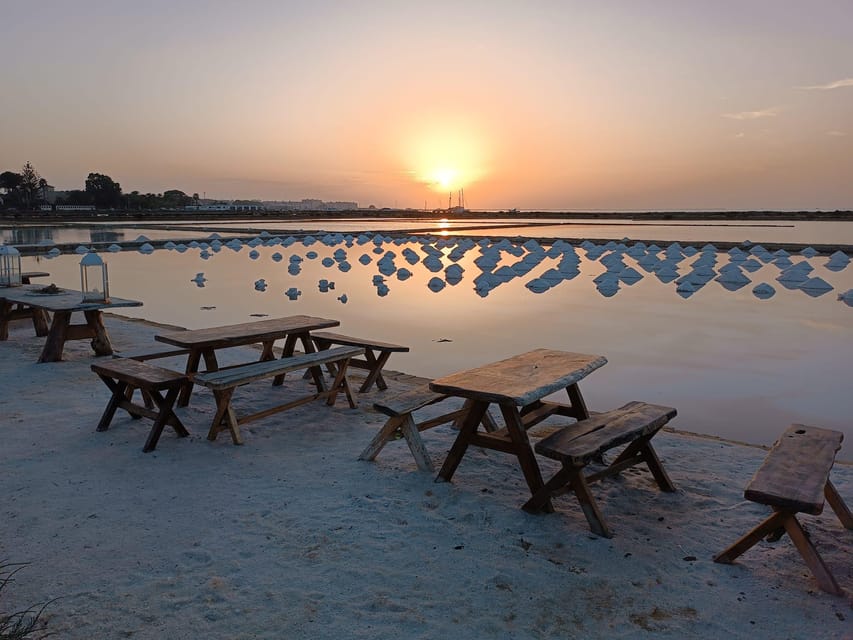
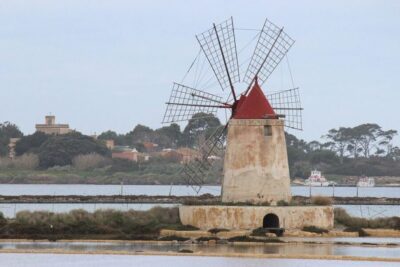
One highlight is the chance to tour salt pans built by the Spanish in the 15th century. Even if you don’t go deep into architectural history, there’s something compelling about seeing production structures that have been used and adapted over centuries.
What makes this more than just “old” is the location. The pans overlook the Stagnone Lagoon, so you get a sense of why this area became a salt-making zone in the first place. It’s not random. The lagoon, the sun, and the wind all play a role in evaporation and brine behavior.
I like that your attention naturally shifts between two things: the man-made basins and the natural coastal setting. The result is an easy, memorable sense of place. You’re not only collecting facts. You’re experiencing a working landscape where the weather affects the product.
The Production Process You’ll Be Guided Through
The tour is built around the production cycle. You’ll walk through the working salt tanks and learn how they function, then how the process continues all the way to crystallization.
Here’s the general flow you can expect the guide to explain in plain terms:
- How brine is managed in the salt tanks (the system that keeps water and salinity in play)
- How evaporation concentrates the salty water
- How crystallization happens, which is when the salt forms and becomes the harvestable product
The key is that the guide is translating the physical layout into process steps. You’ll see tanks and channels, and the guide ties those to what’s happening at each stage. Some guests loved this part because the guide explained all the phases clearly. Others wished for more visuals, like tools or simple diagrams showing how water exchange works.
So if you learn best by seeing, don’t panic. Even without a formal model, you’ll still get plenty by being observant. Look at where water seems to move, watch the surfaces, and pay attention to the guide’s pointing. In a working site like this, your eyes become part of the lesson.
Other Marsala options side by side
- Marsala: Florio Winery Tour with Local Wine Tasting
★ 4.8 · 130 reviews - Marsala: Florio Winery Tour with Food-Paired Wine Tastings
★ 4.7 · 104 reviews - Selinunte: Archeological Park Entry Ticket & App Audioguide
★ 4.4 · 66 reviews - Marsala: Winery Tour with Wine Tasting and Local Products
★ 4.4 · 32 reviews
Certified Organic Salt: What That Adds to the Visit
This is described as the first certified organic salt in Italy. That claim changes how the tour feels. Instead of only thinking about salt as a commodity, you’re being nudged toward a specific production standard.
You might not get a full certification lecture in 45 minutes, but you’ll still understand the broader idea: the site presents organic salt production as a real, current practice, not just a marketing label.
For me, this matters because it makes the tour feel connected to today. You’re standing in a long-used salt system, while the guide frames it in the language of organic certification and process control. That combination is unusual, and it helps the experience feel more relevant than purely historical sightseeing.
Practical Tips: What to Wear and How to Prepare
This tour is short, but it’s outside and it’s a salt site. The practical advice is simple, and it genuinely affects comfort.
I strongly recommend:
- Gym shoes or similar closed footwear. Salt sites can be uneven, and you’ll be walking on ground that’s not designed for flip-flops.
- A hat. Sun is part of the salt-making process here, and you’ll be exposed.
- Water. Even if the pace is relaxed, the combination of outdoor heat and salty air makes hydration a good idea.
You should also set expectations about the smell. You’ll likely notice the iodine and salt atmosphere throughout your walk. That’s not a “maybe.” It’s part of what makes the tour memorable.
Finally, keep your packing practical. The site lists restrictions like no oversize luggage and no baby strollers, plus bans on pets (assistance dogs allowed). If you’re traveling light, you’ll enjoy the tour more because you’re not managing extra gear in a tight, working area.
Languages and Communication: How to Get the Tour You Paid For
The tour is available with a live guide in Italian, English, Spanish, and French. That’s great because you can pick the language that matches your comfort level.
Still, language matters more here than on some tours because the guide is explaining the production steps, and details can get lost if the guide switches languages midstream. One guest had a bad outcome after expecting a French tour, then hearing Italian during the start.
My advice is straightforward: if you choose a specific language, double-check at the start that the guide you’re following is actually conducting in that language. It can save you a lot of frustration when the tour is only 45 minutes.
Who This Tour Is Best For (and Who Might Want Something Else)
This experience fits best if you like:
- hands-on explanations of how something works
- outdoor sites with a clear reason for being there
- short, focused tours that don’t eat half your day
You’ll likely enjoy it even more if you like practical learning. This is not a museum-style walkthrough with distant exhibits. It’s a guided walk through the working salt pans.
It might be less satisfying if you need lots of visual aids. One guest asked for video, a model, or even pictures of the tools and how water exchange works. If that’s how your brain absorbs information, you might feel the tour is mostly spoken.
It’s still worth considering, though. Even guests who found it only “interesting” seemed to accept the short format, while the top ratings highlight that the guide can be welcoming and genuinely explain the stages.
Price and Value: Is $14 for 45 Minutes Fair?
At $14 per person for a 45-minute guided tour, the value depends on what you’re expecting.
If you want a quick, guided orientation to how salt crystallizes, this price feels reasonable. You’re paying for access to a working salt site plus a live guide who explains the production process. In a place where the main “attraction” is active process, that guidance is the product.
If you’re hoping for a longer tour with multiple stops, lots of close-up demonstration, or lots of visual materials, the price might start to feel small but the time might still feel short. That’s less about cost and more about format.
A nice sign is the overall rating: 4.4 with 97 reviews. That suggests most people leave feeling they got the explanation they were looking for. The main caution is language consistency and your personal need for visual learning.
Timeline: How the 45 Minutes Typically Feels
Your tour runs for 45 minutes and starts and ends at Saline Genna. That means you’re not taking long transfers or adding extra segments. The experience is the walk and the guide’s explanation inside the salt pans.
Because it’s short, do yourself a favor:
- arrive on time at the salt shop inside the salt pans
- keep your questions simple
- pay attention when the guide points out process-related areas
If you show up distracted or late, you’ll lose time exactly where the tour is strongest, the guided explanation tied to what you’re seeing.
Restrictions to Know Before You Go
This site has clear rules. They’re not just for strictness, they help keep a working salt environment safe and manageable.
Not allowed includes:
- oversize luggage
- baby strollers
- pets (assistance dogs allowed)
- bicycles and handcarts
- alcohol and drugs
- scooters, firework, and explosive substances
- diving, costumes, party groups, and nudity
- bare feet
If you follow those, you’ll avoid awkward moments and you’ll keep the tour smooth for everyone.
Should You Book the Genna Salt Pans Tour?
Yes, I’d book it if you want a short, guided look at salt production in Marsala, with strong scenery from the Stagnone Lagoon and a real working setting. The best versions of this tour seem to have guides who explain each phase clearly and set a welcoming tone.
Before you click confirm, decide two things. First, choose a language you’re confident about, and confirm when you arrive. Second, if you learn better with diagrams or tools shown up close, keep your expectations aligned with a compact 45-minute walking tour.
If that sounds like your style, this is an efficient way to experience something very Sicilian, a landscape where weather and human craft turn water into crystals.
FAQ
Where is the meeting point for the tour?
You meet at the SALT SHOP INSIDE THE SALT PANS.
How long is the guided tour?
The tour lasts 45 minutes.
How much does the guided tour cost?
The price is $14 per person.
What languages are available?
The live tour guide is available in Italian, English, Spanish, and French.
Are pets allowed?
Pets are not allowed. Assistance dogs are allowed.
Can I cancel and get a full refund?
Yes. You can cancel up to 24 hours in advance for a full refund.
What should I wear or bring?
Bring a hat and water, and wear gym shoes.
Just reviewed in Marsala
- Marsala: Winery Tour with Wine Tasting and Local Products★ 4.4 · 32 reviews
- Marsala Wellness on the Isola Lunga Salt Pans with Aperitif★ 4.7 · 5 reviews
- Marsala: Pink Salt Pans Wellness★ 4.5 · 31 reviews
- Marsala: Wellness in the Pink Salt Pans with Dinner★ 4.7 · 21 reviews
- Marsala: Market Tour & Meal at a Local’s Home★ 5.0 · 5 reviews
- Marsala: Favignana dinghy tour with wine tasting★ 5.0 · 9 reviews
- Marsala: Kayak Tour in Stagnone di Marsala Nature Reserve★ 5.0 · 4 reviews
- Marsala Aperitif Mamma Caura Rooftop★ 4.7 · 14 reviews
Trapani Salt Pans Tours, compared.
Segesta, Erice and Salt Pans Full-Day Excursion from Palermo
Read our review →
SALT TOUR-all inclusive: salt tour: Trapani, Paceco, Nubia
Read our review →
Guided tour of the Trapani Salt Pans and Salt Museum
Read our review →

Guided tour of the salt pans of Trapani and the Salt Museum
Read our review →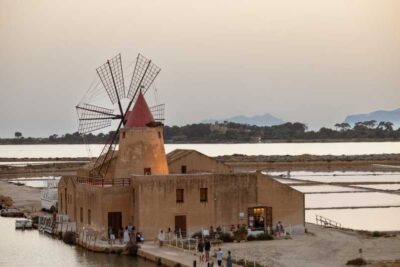
Browse the lists this tour appears in