
Reviewed in full · FARMS
Slowlife Family Farm: From Garden to Table
Food in Sicily has a habit of turning into a lesson. This one starts at the soil level, on an off-grid Slow Food family farm, and works its way up to olive oil, wine, and a meal you help make. You’ll also get that very human touch from the hosts, with Jess and Carlo guiding the day and sharing how they care for the land.
I particularly love the hands-on rhythm, moving from the vegetable garden to the table instead of just watching someone else cook. And I also like the way the day ties food to place, with an archaeological tour through the farm grounds, including sites tied to Greeks and Romans and an ancient water mill under restoration. One consideration: the farm setting is not smooth or flat, and it is not suitable for people with mobility impairments, so comfortable shoes and a realistic pace matter.
Key things I’d circle on your Sicily shortlist
- From garden harvest to Sicilian lunch using what’s growing, plus wild edible plants
- Wheat to pasta taught with real milling and a cooking class built around the process
- Archaeology inside a working farm with a licensed guide for the historic sites
- Olive oil and local wine tastings paired to the meal and the landscape
- Rare vegetable varieties, sometimes seasonal tasting including the giant onion of Giarratana
- Small group size (10 max) so you can ask questions and actually participate
Where the day starts: Siracusa meeting point and what the 4 hours feel like
You meet the guide at Via Malta, 7, 96100 Siracusa. The experience ends back at the same place, which is handy because you do not have to figure out a second pickup. If your hotel is elsewhere, an alternate meeting point may be arranged based on your accommodation.
This is a 4-hour experience, and the time feels full because it is not one activity. It is several connected pieces: a farm walk, a historical tour, a cooking lesson, and tastings. The small group format (10 participants max) also changes the pacing. You get more interaction, and the guides can slow down when you have questions about vegetables, wild plants, or the milling steps.
Do note one practical point up front: transport is not included. Plan on a taxi or arranging your own ride to Siracusa. Also, the calendar may not be up to date, so contact the local partner before booking if you want a specific start time.
Other Syracuse options side by side
- Syracuse: Boat Tour with Captain Mirko, Snorkeling & Caves
★ 4.7 · 746 reviews - Siracusa: Ortigia Boat Tour with Marine Grotto
★ 4.7 · 617 reviews - Siracusa: Ortigia & Sea Caves Speedboat Tour with Swim Stop
★ 4.9 · 499 reviews
The off-grid Slow Food farm, rare vegetables, and how you learn by walking
The biggest reason this experience works is that it treats food as a system, not a souvenir. The farm has been off-grid for 16 years and lives by slow life and Slow Food principles. That matters because the tour is not just about taste. It’s about understanding why certain crops are grown, how they are protected, and what the family is doing to keep local varieties alive.
You’ll learn gardening strategies and you’ll see rare plant varieties the farm guardians are working to preserve. The day includes time in the organic vegetable garden, and if things are in season, you may even taste what you find. One standout detail is the focus on local, endemic varieties like the giant onion of Giarratana. It can grow to over 2 kg, and traditionally it is baked directly on an open fire. Even if you only hear the story this time around, it gives you a real sense of what makes Sicilian growing traditions different.
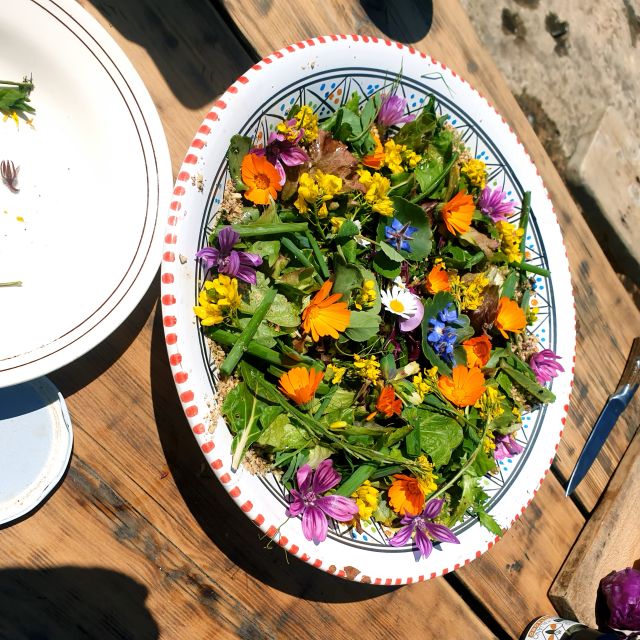
This is also where the nature guide adds real value. The farm is used to people asking, what is safe to eat, what is not, and why. You’ll get guidance for edible wild plants recognition as part of the day’s lunch plan. That can turn a normal garden stroll into something useful, especially if you love cooking and you want to understand the logic behind the choices.
The archaeological tour: Greek and Roman altars, plus an ancient water mill under restoration
Food can feel detached from history if the setting is just a backdrop. Here, the history is part of the schedule. You’ll go on an archaeological tour of the farm sites with a licensed historical guide.
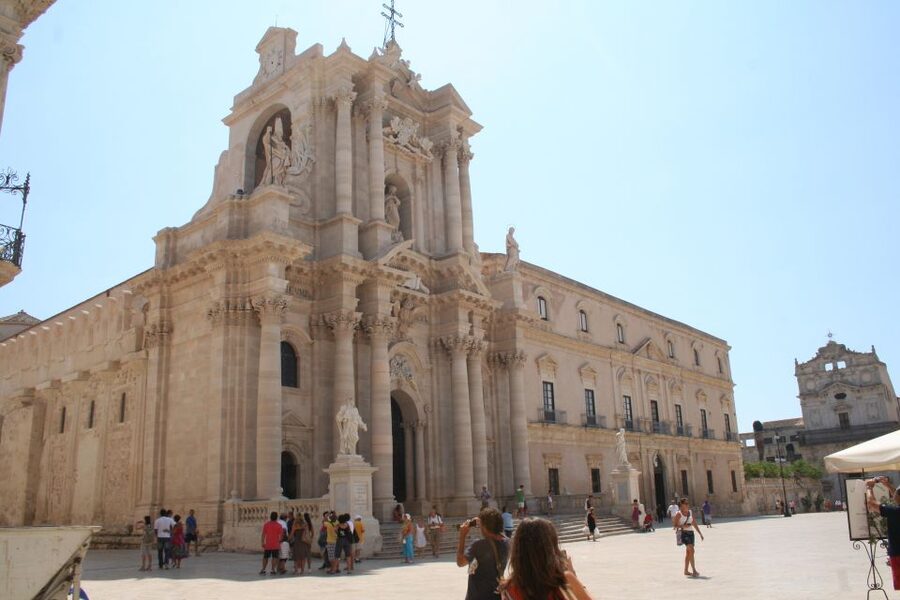
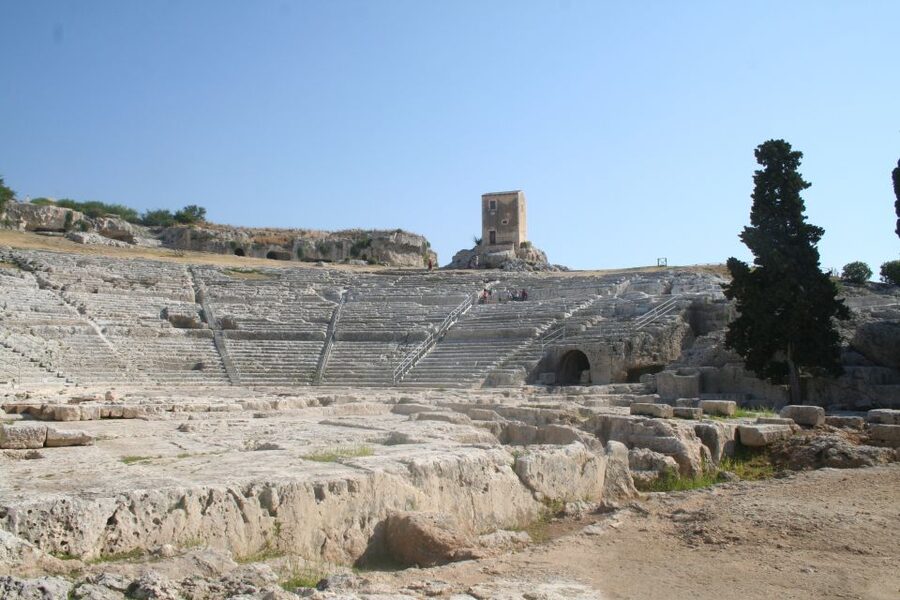
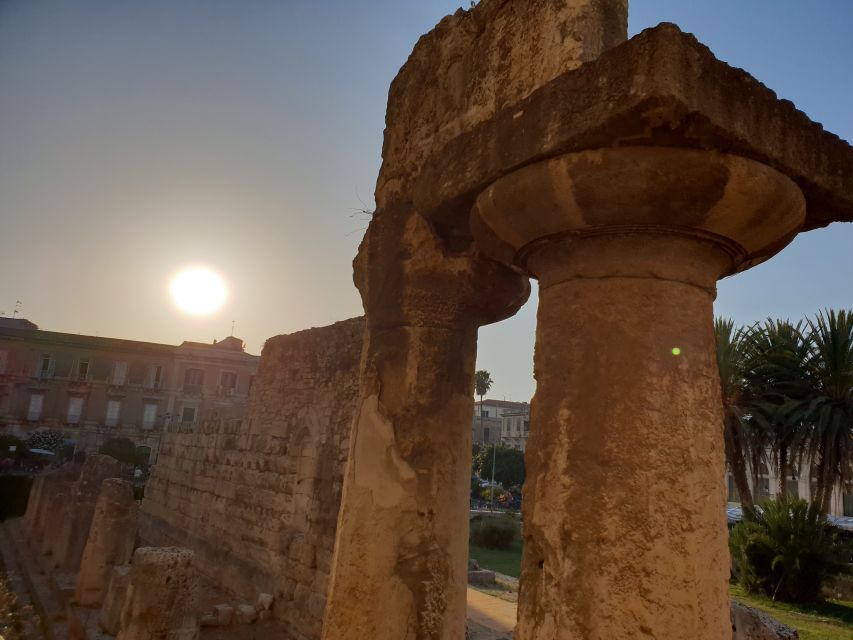
The property has been a sacred site for over 2500 years. Archaeologists found altars used by Greeks and Romans on the farm grounds. That detail alone makes the place more than a pretty farm. You’re standing in a landscape that has held human meaning for millennia, and the guides can connect that continuity to why gardens, water systems, and food traditions are so central here.
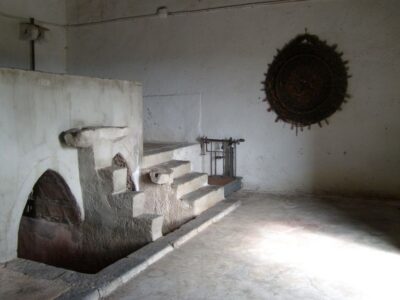
You’ll also visit an ancient water mill that is currently under restoration. Even without getting a full restoration reveal, it’s a powerful stop because it explains how people used local resources to produce food and flour. In a country where so much agriculture is shaped by water and seasonal cycles, seeing a mill on an active farm makes the wheat-to-pasta part of the day feel earned, not staged.
“From milling wheat to pasta”: the cooking class you can taste and repeat at home
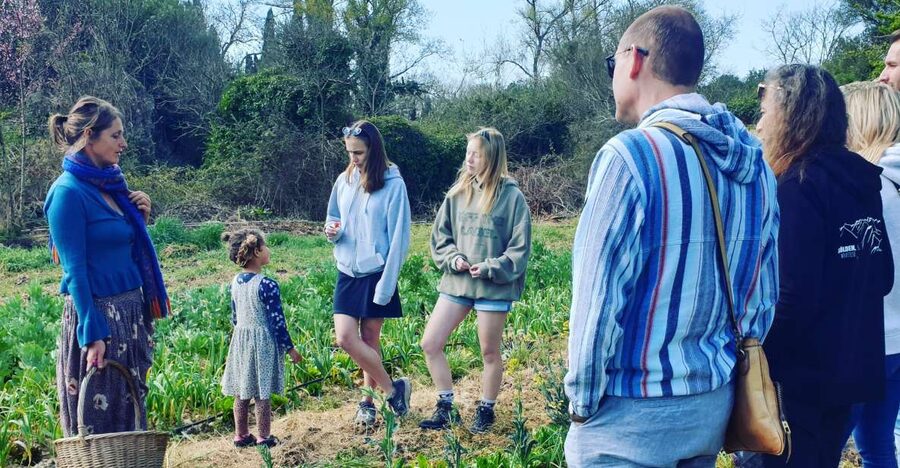
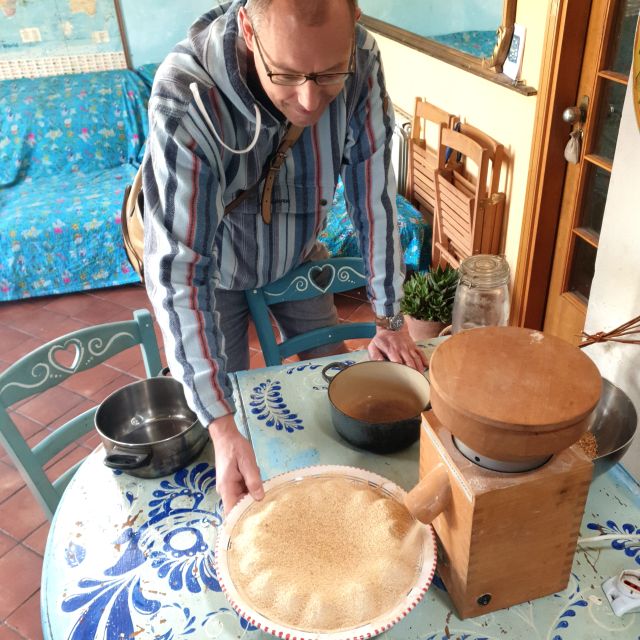
This is the cooking class you came for: From Milling wheat to pasta. What’s nice is that it’s not presented as a one-size-fits-all cooking demonstration. The experience is built around the process, from grain to final dish.
You’ll learn what milling involves, you’ll work with modern tools the farm uses, and then you’ll cook. The practical payoff is that you come away understanding how flour becomes dough, and how ingredients and texture connect. If you cook at home, you’ll likely enjoy the fact that the lesson is grounded in real steps, not just recipes and plating tricks.
The day also includes a Sicilian lunch prepared together. You’ll gather from the organic vegetable garden, and you’ll also gather wild edible plants with help from the nature guide. That means the lunch reflects both cultivation and the local foraging knowledge that has survived in Sicily.
One fun twist is how the rare crops connect back into the cooking story. The giant onion of Giarratana, for example, is traditionally baked directly on an open fire. When a farm can point to a specific variety and explain its traditional preparation, you get a better sense of why Sicilian flavors are built on local ingredients.
A different sort of day out around Syracuse:
- Syracuse: Neapolis Archaeological Park Small Group Tour
★ 4.7 · 350 reviews - Syracuse: Pillirina, Ortigia, and Sea Caves Tour by Boat
★ 4.6 · 348 reviews - Syracuse: Ortigia Island and Sea Caves Boat Tour with Drinks
★ 4.6 · 337 reviews - Syracuse: Coast and Sea Caves Full Transparent Boat Tour
★ 4.8 · 330 reviews
Olive oil and wine tasting, and how they fit the meal instead of feeling separate
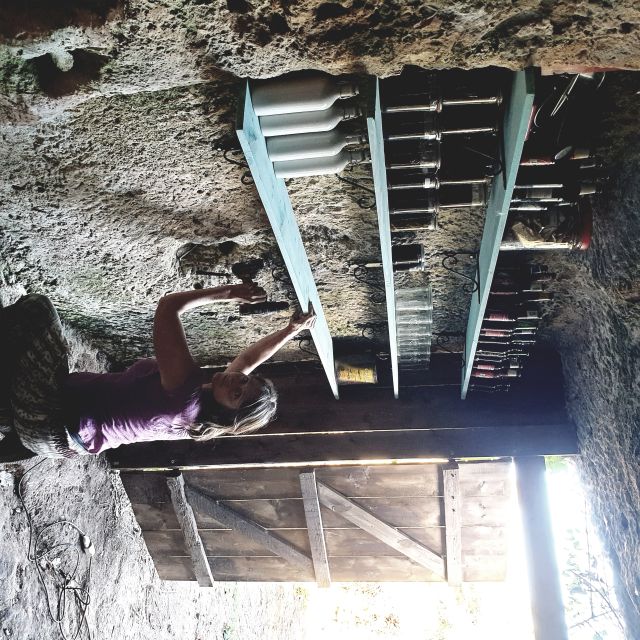
Many cooking tours toss in tastings like a bonus. Here, the tastings feel integrated, because you’re already learning the farm’s approach to ingredients.
You’ll do a local olive oil tasting and a local wine tasting. The farm also includes a visit of a historical food and wine pantry, which sets up why those products matter in a working family system. Olive oil and wine are not just something you drink. They are storage, preservation, and identity across generations in Sicily.
When you taste, try to connect flavors to what you saw: the garden plants, the wheat crop support, and the fact that the farm supports local olive oil and wine producers. That link helps you taste with context. You’re not only deciding what you like, you’re learning what each producer style might be doing for the meal you just made.
The river setting and your time for swimming in the canyon environment
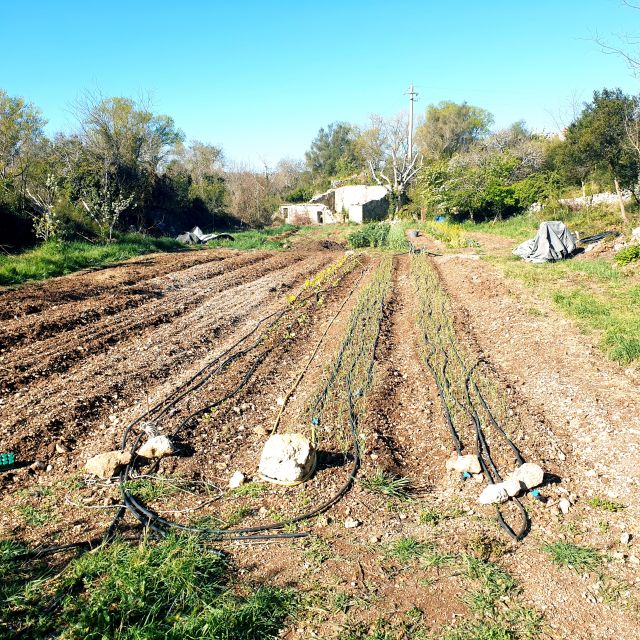
This farm sits inside one of the most famous canyon areas in Sicily, shaped by a stunning river. The river and an ancient water area on-site create a setting where the farm feels like a place you can breathe for a while, not just a classroom.
You’ll have the opportunity to swim and spend time in the water area. That means you’ll want to treat this as an active experience. Bring water, plan for heat, and wear shoes that can handle uneven ground on the farm paths. If you tend to get cold quickly in water, remember the timing is built into the day, so dress accordingly.
Also, because it’s not an accessibility-friendly outing, think about balance and footing before you commit. If you are traveling with kids or friends who get restless, the water break is usually the kind of reset that keeps energy up for the rest of the stops.
Small group energy: why 10 participants changes the quality
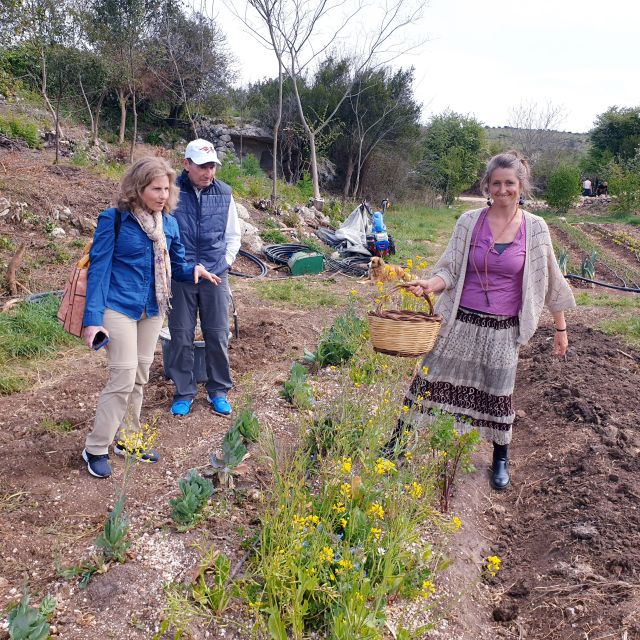
This experience is limited to 10 participants. That might sound like marketing, but it matters in practice.
With a smaller group, you can ask the nature guide questions about wild plant recognition without feeling rushed. You can also follow the milling and cooking steps more easily because there is room for interaction. It’s easier to match your pace to the day, especially if you want more time looking closely at vegetable varieties.
It also helps with the historical tour. When a licensed guide can speak to a small group, it becomes more of a conversation. You’re not just hearing facts, you’re learning how to look at the site and understand what you are seeing.
Price and value: what $164.26 per person actually buys you
At $164.26 per person for about 4 hours, this is not a bargain-bin cooking class. But it also is not only a recipe session.
You’re paying for several included pieces:
- A licensed historical guide for the archaeological tour
- A qualified nature guide for edible wild plant recognition
- Organic vegetable garden time and ingredient gathering
- A visit to the historical food and wine pantry
- Local olive oil tasting and local wine tasting
- The cooking class From Milling wheat to pasta
So the value is in the combination: history, agriculture, tasting, and cooking all in one flowing half-day. If you like your food experiences connected to real places and you care about how ingredients are grown and protected, you’ll feel the money going into the quality of instruction and the authenticity of the setting.
If you are hoping for a hands-off cooking show where you mostly watch and take photos, this may feel like too much work. This is built for participation.
What to bring, who this suits, and who should think twice
Bring comfortable shoes, a sun hat, and water. That’s not just a generic checklist. The farm tour involves walking, time outdoors, and a canyon river environment, so you’ll want gear that lets you move comfortably.
The experience is not suitable for people with mobility impairments. That’s due to the farm and historical grounds environment. You’ll also want to be comfortable with an active, outdoorsy schedule that includes time on uneven terrain.
Who it’s a great fit for:
- People who love cooking and want the process, not just the final plate
- Food nerds who care about local varieties and why they matter
- Anyone who wants a Sicily experience that blends agriculture, history, and tastings
Who might prefer a simpler option:
- If you have limited mobility or need fully flat, step-free routes
- If you want a very short, low-effort tour with minimal walking
Should you book Slowlife Family Farm: from garden to table?
I’d book this if you want an experience that treats food like culture and land like a living classroom. The strongest reasons are the focus on wheat-to-pasta milling, the way the day connects to archaeology on the farm grounds, and the fact that tastings and lunch are supported by what you actually see and gather.
Skip it if you need accessibility, or if you’d rather have a mostly seated cooking demo. This is hands-on, outdoors, and built for people who enjoy learning by doing.
FAQ
Where do I meet for the tour?
Meet at Via Malta, 7, 96100 Siracusa. An alternate meeting point may be arranged based on your accommodation.
How long is the experience?
It lasts about 4 hours. Start times can vary, so you should check availability.
Is transport included?
No. Transport is not included, so you will need a taxi or your own pickup and drop-off.
What languages are offered?
The live tour guide is available in English and Italian.
What should I bring?
Bring comfortable shoes, a sun hat, and water.
Is this tour suitable for people with mobility impairments?
No. It is not suitable for people with mobility impairments.
Just reviewed in Syracuse
- Tour of Syracuse by Ape Calessino★ 3.0 · 3 reviews
- Boat tour of the island of Ortigia and the sea caves★ 4.2 · 4 reviews
- Tour in barca da Avola a Marzamemi/Portopalo di CapoPassero★ 4.7 · 19 reviews
- ORTIGIA tour by tuk tuk – ape calessino 1 hour★ 4.9 · 22 reviews
- Tour da Avola A Portopalo con sosta e visita a Marzamemi★ 4.9 · 5 reviews
- Tecnoparco Archimede Museum Exhibition Ticket★ 4.8 · 14 reviews
- Syracuse: Sunset Aperitif Tour★ 4.4 · 4 reviews
- Syracuse: Traditional Cooking Class & Ancient Market Visit★ 4.9 · 72 reviews
Farms, compared.
Visit to the olive grove, oil tasting and lunch at the farm
Read our review →
Guided Tour of Etna with Farm Visit & Food Tasting
Read our review →
Farm to Fork in Sicily – Cooking Class in a Farm
Read our review →
Highlights Experience tour Cooking from Farm to Fork
Read our review →
Private Etna tour and pistachio lunch in a pistachio farm
Read our review →Browse the lists this tour appears in