
Reviewed in full · SYRACUSE TOURS
Syracuse: Neapolis and Greek Theater guided tour
Syracuse is one of those places where the stones feel like they still remember. This Neapolis and Greek Theater guided tour strings together the key stops in the archaeological park, so you do not just look at ruins, you understand what you are seeing. I especially like how the stops connect myth to architecture, and how you get the context that makes the caverns, theaters, and quarries feel personal. One drawback to plan for: it is a tight 2-hour circuit, so if you want long photo pauses at every corner, you will have to be selective.
Two things that really make this work. First, the tour keeps you moving through the major highlights without the guesswork. Second, you get a live guide who answers questions and sets the right pace, with guides like Giuseppe, Laura, Luca, and Fabricio showing up in past groups and being praised for their clarity. The one watch-out: hearing can vary depending on where you stand in a group, and the experience runs in Italian and English, which can affect how quickly explanations land.
Key things I’d look for before you go
- Skip-the-line entry into the Neapolis Archaeological Park so you spend time inside the ruins, not waiting.
- Latomie del Paradiso, the Ear of Dionysius, and the Greek Theater in one compact walk, with story built around each place.
- A certified local guide who ties the site to Syracuse myths and power struggles.
- Great views timed with the Greek Theater stop, letting you connect the ruins to the Grand Harbor.
- Roman Amphitheater finale, so you see how Greek Syracuse was reshaped under Rome.
Why Neapolis feels different than a typical ruin visit
If you have ever toured a single monument and felt like you only skimmed the surface, Neapolis will reset your expectations. The archaeological park is not just a collection of old blocks. It is a whole working “stage” where quarrying, worship, theater, and punishment all happened in the same neighborhood. What makes it interesting is that the site lets you read it like a map of power.
On this tour, I like that the story is built step by step. You start in the historic heart area of Syracuse, then move to the stone quarries, then to the cave myth and the big civic theater, and finally to the Roman entertainment venue. That order matters. By the time you are standing in the Greek Theater, you already understand why people would build for voice, crowd, and spectacle in the first place.
The value here is not only in what you see, but in how you understand it. Without context, the Ear of Dionysius can sound like a gimmick, and the quarries can feel like background scenery. With a guide, each stop becomes a clue.
Other Syracuse options side by side
- Syracuse: Boat Tour with Captain Mirko, Snorkeling & Caves
★ 4.7 · 746 reviews - Siracusa: Ortigia Boat Tour with Marine Grotto
★ 4.7 · 617 reviews - Siracusa: Ortigia & Sea Caves Speedboat Tour with Swim Stop
★ 4.9 · 499 reviews
Price and what you actually get for $51
At $51 per person for a 2-hour tour, the key question is whether you are paying for guidance or just paying for entry. In this case, you are getting both: the entrance ticket to the Neapolis Archaeological Park is included, and you also pay for a guided visit of the park.
You also get something practical that often justifies a small guided premium: a separate entrance to skip the line. That is not glamorous, but it is the difference between a good hour and a slightly annoyed hour.
Think about what you would do on your own. You could walk the park and take photos, but you would be solving the “what am I looking at” puzzle without any help. Here, the guide gives you the framework: why the Latomie existed, why the cave got its name, and how the Greek Theater and Roman Amphitheater fit into Syracuse’s shift from local Greek power to Roman rule.
Meeting point reality: arrive early, find your guide fast
You have two published starting options: Biglietteria Parco Archeologico Neapolis and MOMENTO Ristorante. The meeting point can vary depending on what you booked, so do not assume it will be the one closest to your hotel.
Plan to arrive 20 minutes before start. That buffer matters because you need time to locate your group, check in, and settle in before you head into the park. In a place this popular, showing up right on time can turn into a small scavenger hunt.
Once the group is together, the guide provides your park entrance ticket directly at the meeting point. That is a nice touch because it reduces the number of steps you need to handle before you even start seeing the highlights.
Neapolis Archaeological Park: the best way to start is with direction
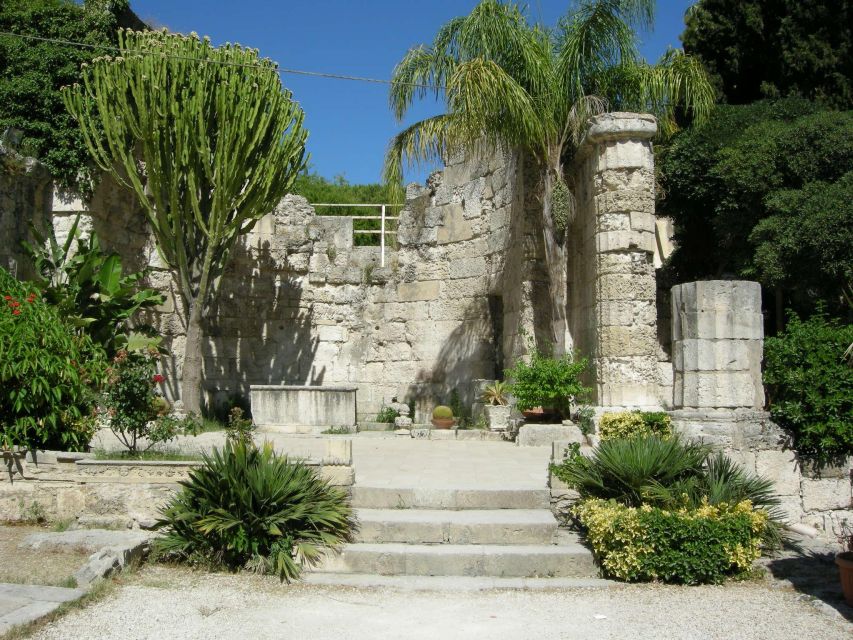
Your tour begins in the Neapolis Archaeological Park area, with time for an initial guided introduction and orientation. You should expect a short walk within the park at the beginning, around 20 minutes, while the guide sets the “why” behind what you are about to visit.
This is where a guide pays off. Neapolis is one of those sites where the ruins can look like they are all “interesting,” but not all of them are equally central to the story. A good guide points out what to notice right away: the shapes and layouts that signal theater, civic life, and religious meaning.
If you like learning by looking, this early framing is what keeps the rest of the tour from becoming a checklist. You start to see how different parts connect, and you begin to notice details you would otherwise miss.
A different sort of day out around Syracuse:
- Syracuse: Neapolis Archaeological Park Small Group Tour
★ 4.7 · 350 reviews - Syracuse: Pillirina, Ortigia, and Sea Caves Tour by Boat
★ 4.6 · 348 reviews - Syracuse: Ortigia Island and Sea Caves Boat Tour with Drinks
★ 4.6 · 337 reviews - Syracuse: Coast and Sea Caves Full Transparent Boat Tour
★ 4.8 · 330 reviews
Latomie del Paradiso: quarries with a dark, human backstory
Next you head to Latomie del Paradiso, the stone quarries turned into a kind of natural garden. This is one of those stops where you can feel the scale. The rock is not decorative. It is the result of heavy work, and that physical effort is part of the explanation.
What I like about this stop, in a practical sense, is that it adds variety. You go from open archaeological areas to a site where stone walls and darker spaces change the whole mood. The guide explains the “titanic work” of quarrying, and also the darker side of history tied to Syracuse and its tyrant era.
In other words, you are not just admiring an outdoor attraction. You are walking through the evidence of what people demanded, and what they built, to power the city.
One consideration: this is still outdoors and in a park setting. If the weather is sunny, plan for heat. Some past groups have noted it can be hot and bright, so bring water and basic sun protection if you have them.
The Ear of Dionysius: acoustics, myth, and the pleasure of a story
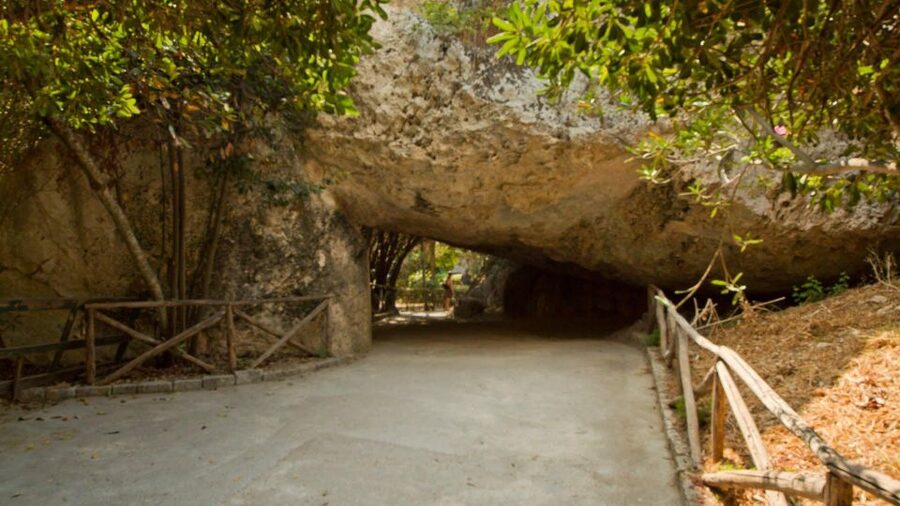
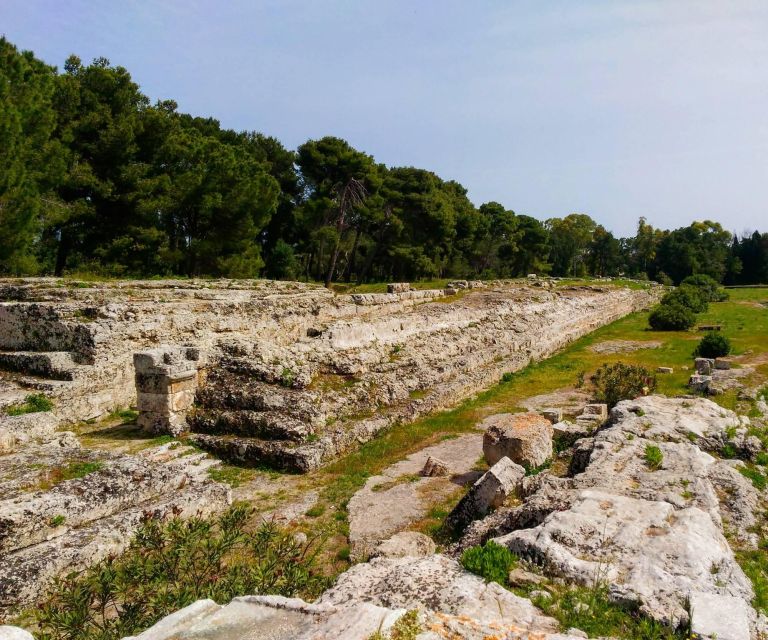
Then the tour turns to the Ear of Dionysius, a cave associated with Syracuse’s most famous tyrant, Dionysius. The highlight here is not only the cave itself. It is what the guide does with it: explains the legend and links it to the way sound works in the space.
This is where a live guide can change everything. If you just walk up and stand there, you might think, cool cave. With the story and cues, the cave becomes a “why did they build this” moment. The guided explanation adds the myth, the intrigue, and the logic behind the name.
Also, the vibe is memorable. Standing in a cave while someone connects legend to place is the kind of travel moment you keep thinking about later when you see other theaters and public spaces across Europe.
One practical note: because it is enclosed and group movement is involved, you may not get a ton of free time to wander on your own. The tour is structured to keep you with the guide and the group, so you will see what matters most.
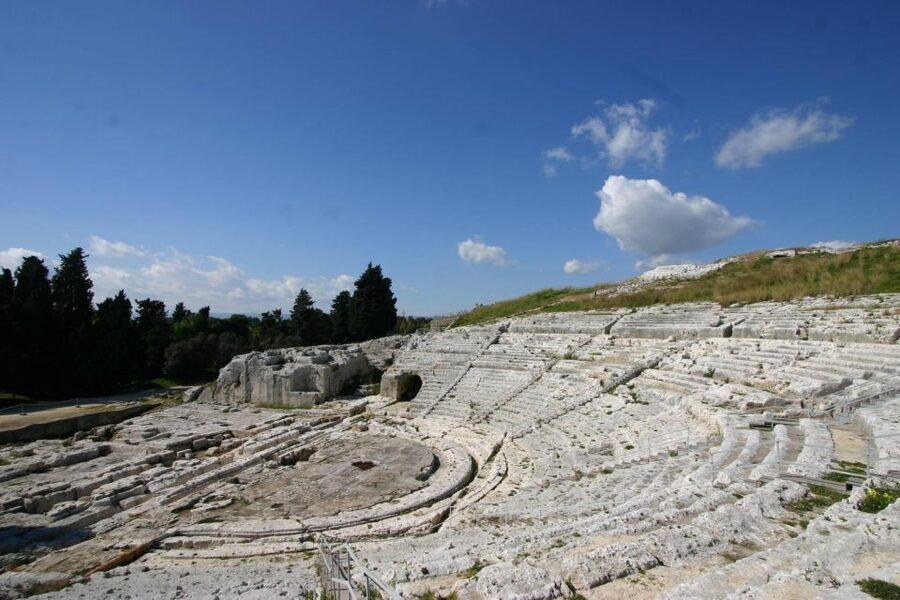
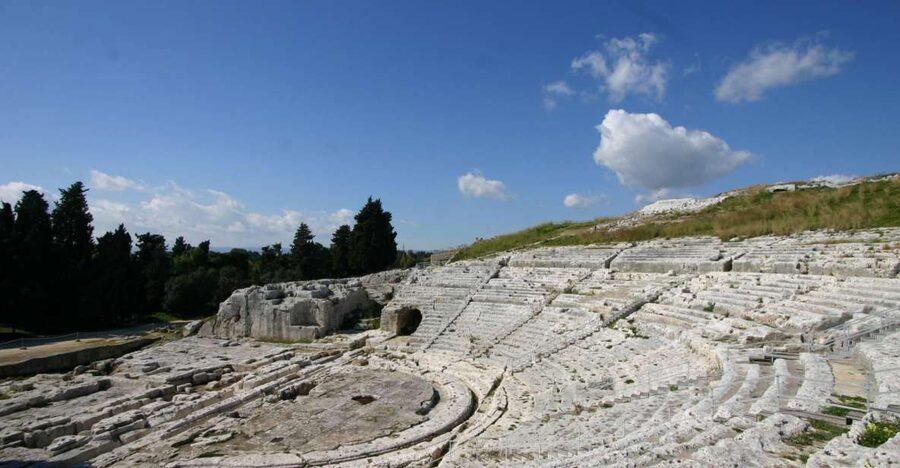
Greek Theater Syracuse: where you hear the city and see the harbor
The Greek Theater stop is the big “wow” moment for many people, and it has a real reason to earn that reputation. This is where architecture, voice, and view all intersect.
On this tour, you also get mention of the Nymphaeum Fountain, plus time around the theater connected to a view that can include the Grand Harbor. That pairing is smart. You can connect the performance space to the city’s geography instead of treating it like a separate museum item.
A common desire at theaters is to go down to the lower levels for a closer look, and there is a point worth flagging: one group noted that it would have been better to access the bottom of the Greek Theater. On this specific tour format, you should expect guided movement through the main viewpoints and stops rather than a full free-for-all down every level.
Still, the big value is the explanation. The guide helps you understand how Greek public life used theater as more than entertainment. It was a civic tool, a place where identity and power played out in front of everyone.
If you care about photography, you will want to be ready when the group pauses. Views around theater stops are best captured with quick timing, and you do not want to miss the best angles because you were checking your settings.
Nailing the Syracuse story with the Roman Amphitheater
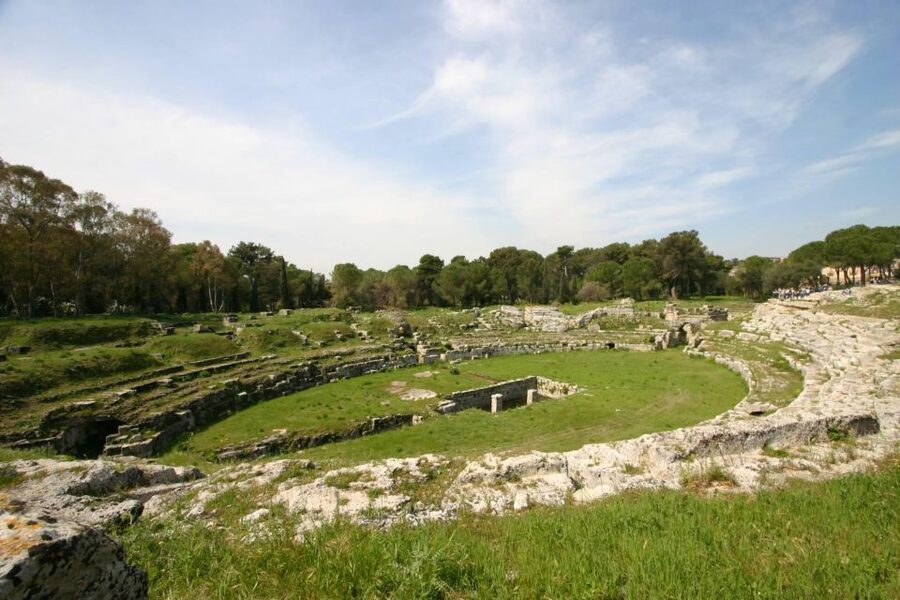
The final major stop on this 2-hour route is the Syracuse Roman Amphitheater. It is a smart closing chapter because it shows continuity and change. You have been looking at Greek structures and myths, and then you shift to Roman entertainment and a different political rhythm.
What makes it special is the guide’s focus on what the amphitheater meant. You do not just look at seating and stone. You get explanations tied to gladiatorial games and the nuances of Syracuse under Roman rule. The contrast helps you understand what Rome did beyond conquest, it absorbed and reorganized local culture.
This stop also helps the whole tour land emotionally. It is easier to remember the entire circuit when it ends with action. The Roman Amphitheater gives you that sense of spectacle, so the earlier myths in caves and quarry spaces feel more grounded in how real life worked.
Tour pacing, language setup, and how to get the most out of 2 hours
This tour is built to fit a lot into 2 hours. The upside is you cover the top highlights in one go. The tradeoff is you do not have long downtime between locations.
It runs with live guides in Italian and English. The tour format can be carried out at the same time in both languages. That can mean you spend a little longer at each spot as the group regroups and the guide ensures both language tracks are supported. One past guest found that the multi-language setup made some stops take longer than expected. If you are sensitive to time, consider that as part of how the day is managed.
Hearing is another practical point. One group noted difficulty hearing the guide for a larger group and suggested microphones or headsets would help. You cannot control group size, but you can control where you stand. If sound matters to you, get closer early and avoid standing in a spot where everyone else blocks the guide’s voice.
The most praised aspect across many experiences is that guides do not rush the story. People have highlighted guides taking time to explain, answering questions, and keeping a calm pace even in a busy outdoor park. Guides like Giuseppe and Laura have been praised for engaging explanations, while others like Luca have been recognized for pacing that works well in heat and for finding shaded places to talk.
Who should book this guided tour?
This tour is a strong fit if you:
- Want the major Neapolis stops in one compact visit
- Like history that links architecture to story, including myth and power
- Prefer a live guide for the “what am I looking at” parts, especially in the Ear of Dionysius and the quarries
- Plan to visit Syracuse as more than a photo day
It is also a good option if you are traveling with mixed interests. Even if someone is not a classics person, the physical experience of the cave and the theater still lands. The guided context helps everyone share the same understanding.
If you love slow travel and want long independent exploration time, you might feel slightly constrained. In that case, treat this as the guided core, and plan extra time on another day to wander the park on your own.
Should you book the Syracuse Neapolis and Greek Theater tour?
I think you should book it if your goal is to get meaning from Neapolis instead of just collecting pictures. The included entrance ticket, the skip-the-line separate entrance, and the live guide structure make the price feel fair for a high-impact 2-hour circuit.
Skip it only if you hate guided pacing and want total freedom to linger. Also consider your comfort with sound in outdoor groups, since hearing can depend on where you stand.
If you do book, arrive early, stand where you can hear, and come with one simple mindset: you are not just sightseeing. You are reading Syracuse in the order it was built, shaped, and retold.
FAQ
What is the duration of the Syracuse Neapolis and Greek Theater guided tour?
The tour lasts 2 hours.
How much does the tour cost?
The price is $51 per person.
What does the ticket include?
Your entrance ticket to the Neapolis Archaeological Park is included, and you also get a guided tour of the Neapolis Archaeological Park.
Where do I meet the guide?
The meeting point may vary depending on the option booked. Two starting locations listed are Biglietteria Parco Archeologico Neapolis and MOMENTO Ristorante.
Do I need to buy an entrance ticket in advance?
No, the guide provides the entrance ticket to the Neapolis Archaeological Park directly at the meeting point.
Can I go on the tour if I want English?
Yes. The live tour guide works in English and Italian.
Is there a way to avoid lines?
Yes. The tour includes skip the line access through a separate entrance.
What is the cancellation policy?
You can cancel up to 24 hours in advance for a full refund.
Just reviewed in Syracuse
- Tour in barca privata da Avola a Marzamemi con snorkeling★ 5.0 · 4 reviews
- Syracuse:Boat tour Ortigia,Pillirina and seacaves★ 4.7 · 38 reviews
- Island of Ortigia: Sunset Boat Tour with Aperitif★ 2.6 · 4 reviews
- Ortigia guided night tour, Syracuse★ 4.8 · 4 reviews
- Sortino: Olive Oil tasting with Sicilian Products and Wine★ 5.0 · 5 reviews
- Museo delle Illusioni – Siracusa –★ 4.3 · 22 reviews
- Tour in barca da Avola a Marzamemi/Portopalo di CapoPassero★ 4.8 · 6 reviews
- Tour in barca da Avola a Marzamemi/Portopalo di CapoPassero★ 4.7 · 10 reviews
Syracuse Tours, compared.
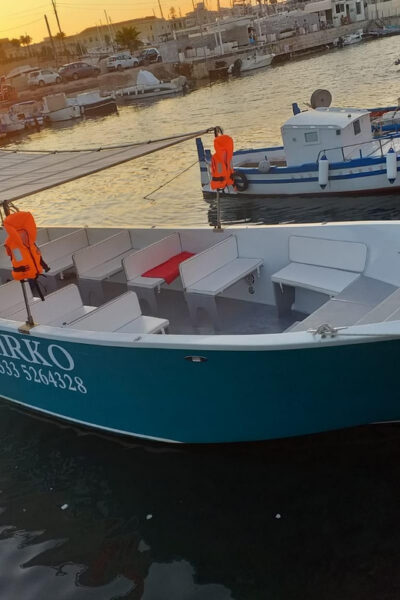
Boat Tour with Captain Mirko, Snorkeling & Caves
Read our review →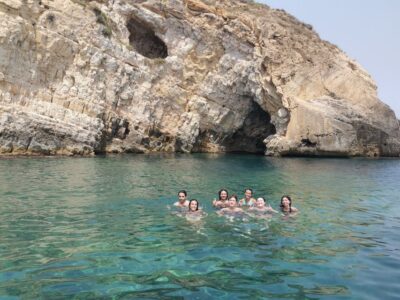
Ortigia & Sea Caves Speedboat Tour with Swim Stop
Read our review →
Ortigia Island and Sea Caves Boat Tour with Drinks
Read our review →

Street Food Walking Tour in Ortigia with Tastings
Read our review →Browse the lists this tour appears in