
Reviewed in full · ETNA SUMMIT & CABLE CAR TOURS
Etna – Trekking to the summit craters (only guide service) experienced hikers
Etna on the north side is interesting because you start in real volcanic terrain, then you earn your way to crater edges where active geology is the main event. I like that this is built around Piano Provenzana, a less crowded base on Etna’s north flank, and I like the focus on getting you high enough to see the main summit craters up close. You will also hear real science and practical route talk from the guides, including names like Paolo, Nikos, Raphael, and Daniele from past groups.
What I really like is the mix of 4×4 panoramic driving plus a guided summit hike. The guides handle the route choices day to day, based on gas, heat, and fractures, so you are not just following a fixed track. One drawback to consider is that this is not a casual walk, the return is a steep, long descent that can feel harder than the climb.
Key highlights I think you will care about
- Piano Provenzana starts you in the north, not the circus, with more authentic Etna terrain and an easier drive-in.
- Authorized 4×4 up to about 2,960 m, saving your legs for the crater hike.
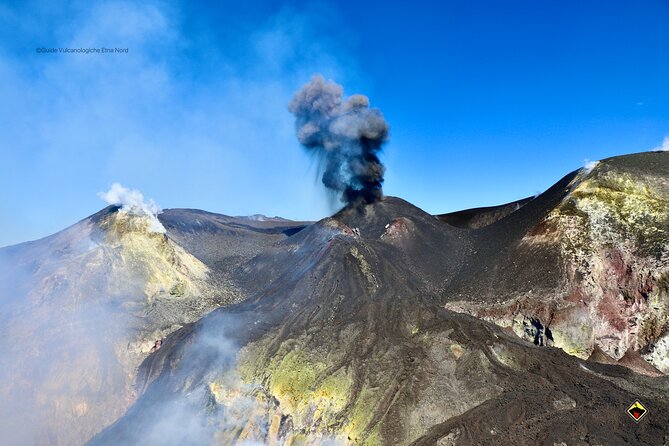
- You target the main summit craters by name: North-East, Voragine, Bocca Nuova, and South-East.
- Guides adjust for real conditions, so you may not always reach the very highest point, even when the route sounds like it.
- Descent is serious: expect steep, loose volcanic ground plus a ski-slope crossing section.
Piano Provenzana on Etna’s north flank: the smart, less crowded base
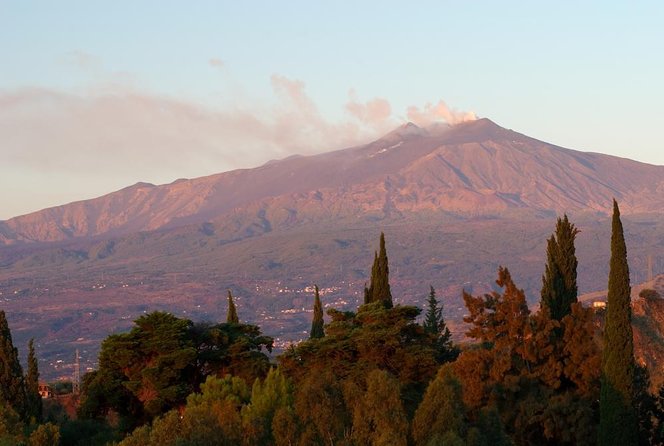
This hike starts at Piano Provenzana, on Etna’s north side. It is a spot you can actually reach by car on paved roads, and it sits right in the volcanic world shaped by the 2002 eruption. That eruption destroyed the original facilities in this area on October 27, 2002, and what remains is a striking, practical launch point for serious hikers.
One reason I think this base works well for you is that the north side tends to feel more “real Etna” and less like a single mass of tour buses. You meet the guides on site, and before you head out you can use restrooms, grab coffee or tea, and eat something at the café if you want a calm start.
If you are traveling in winter, pay attention to the drive-in conditions. The access road is drivable, but you should bring snow chains or use winter tires. Also plan on the fact that altitude and wind start doing their thing early, even before the summit hike begins.
More summit and cable-car trips on Etna:
- Etna excursion 3000 meters with 4×4 cable car and Trekking
★ 4.5 · 504 reviews - Etna, Summit Craters
★ 5.0 · 272 reviews - Mount Etna: Guided Volcano Summit Hiking Tour with Cable Car
★ 4.7 · 3,784 reviews
The 4×4 panoramic run to about 2,960 m (save your energy for the craters)
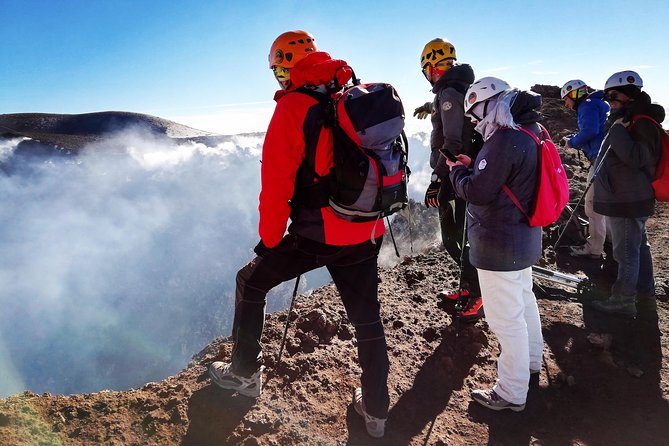
After a short briefing, you climb toward the trekking start by authorized 4×4 vehicles with the guides. The drive focuses on Etna’s wilder north slope, including lava fields and lateral craters, and it takes you up to around 2,960 m before your hike begins.
This matters because the day is built around altitude and steep walking. By using the vehicle portion to gain elevation, you keep the real pain for the crater section, not for commuting uphill all day. You also get a steady stream of views as you rise, with chances to spot northern Sicily and, on rare clear days, far-off ranges and coastlines.
The most practical part is that the guides are with you during the drive, not just the hike. They can read weather and conditions as you go, and they set you up with the gear you need before you step onto loose volcanic ground.
The summit crater hike: 5 km of climbing and four crater names you will remember
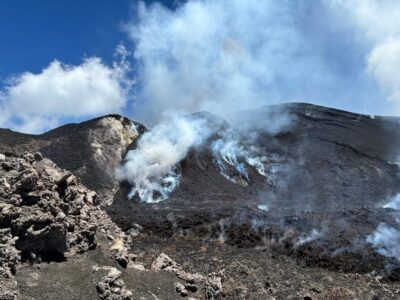
Once you reach about 2,960 m, the guided crater hike begins. From there, the climb is about 5 km with roughly 550 m of ascent to the summit area. The goal is to reach the four main craters: North-East, Voragine, Bocca Nuova, and South-East.
Here is the honest bit: Etna is active, so the route is not the same every day. The guides choose the safest direction toward the most active yet secure crater, adjusting for gas, heat, and fractures. That is why you will sometimes see people talk about reaching different heights on different days. The tour can get shortened or rerouted for safety when conditions change.
Altitude matters too. You climb through a range of about 2,960 to 3,323 m, and mild altitude effects are possible. If you feel off at elevation, tell your guide early. You are on crater edges where the terrain can be loose, and dizziness can happen for people who are sensitive to heights.
The descent is where your legs file a complaint
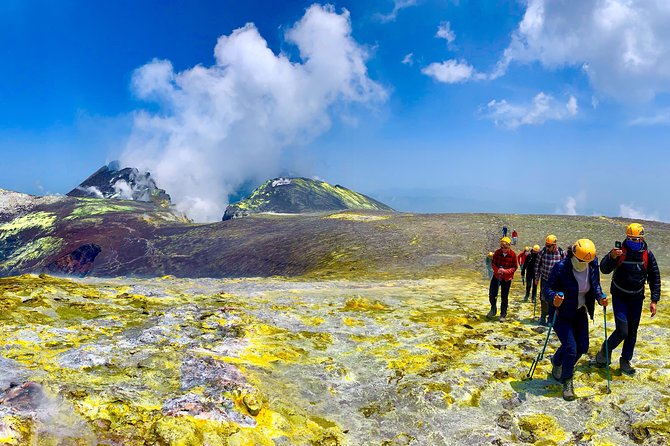
The return is not a gentle stroll back down. It is a long descent on foot, from roughly 3,300 m down to about 1,800 m, about 7 km and around 1,500 m of negative gain. Even when the climb feels manageable, the downhill can punish knees and ankles because the ground is loose and unstable.
Expect soft scoria and sandy gullies, plus walking through the wide Piano delle Concalze area. Near the middle or later part of the descent, you also cross about 2.5 km of ski slopes, where the ground turns rougher and stonier. This is where sturdy shoes and careful foot placement pay off fast.
A couple of practical tips that match what guides and hikers consistently flag: wear long pants that cover your boot ankles, and use long socks so stones and sand do not turn your hike into an uncomfortable sandpaper session. You do not want to spend the last part of the day stopping to shake volcanic grit out of your shoes.
More ways up Etna from Sicily:
- Etna Morning Trip
★ 4.5 · 1,241 reviews - Mt. Etna nature and flavors half day Tour from Catania
★ 5.0 · 545 reviews - Mount Etna Adventurous Hiking Tour with Equipment
★ 4.5 · 439 reviews - From Catania: Mt. Etna, Wine and Alcantara Tour
★ 4.8 · 370 reviews
Guides on Etna: why safety, pacing, and real explanations change the whole day
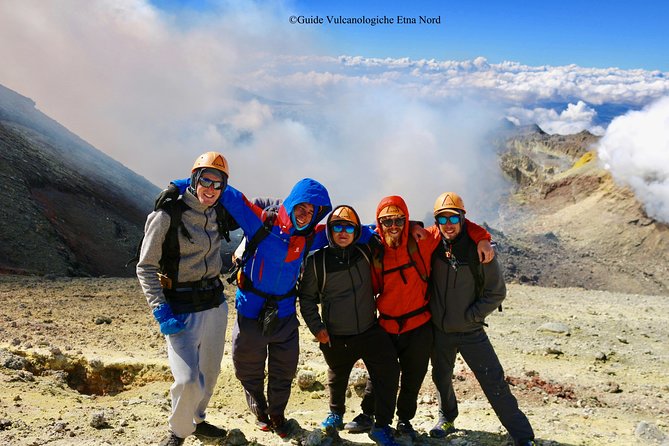
The biggest strength of this experience is the guide leadership. In past groups, guides such as Paolo, Nikos, Raphael, Daniele, Poldo, and Vincenzo show up repeatedly, and the common thread is clear communication plus safe, steady pacing.
You will notice the pacing most during the climb and on the crater-edge sections. The guides take breaks when needed, keep the group together, and they adjust the route so you spend time where it is interesting and safe, not where it is simply the tallest line on a map. That is also why this hike is aimed at experienced hikers rather than casual walkers.
Another benefit is how much you actually learn while walking. Guides focus on geology and the regional volcanic story, plus practical explanations you can use while you are looking at vents, fractures, and crater edges. It is not just facts listed at you. It is tied to what you are seeing in the moment.
Price and logistics: what you get for $139.13 and what might cost extra
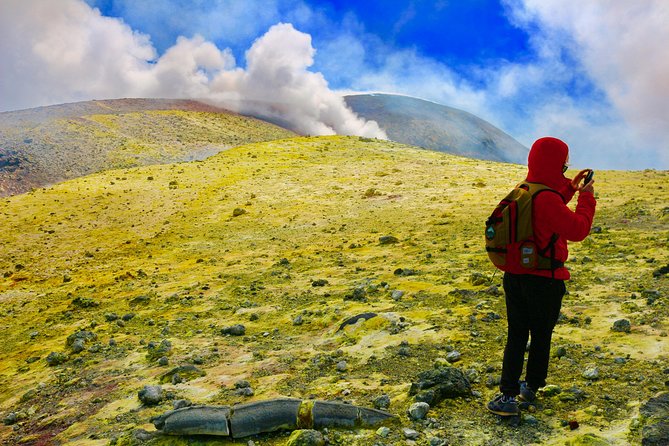
At about $139.13 per person, the value here is not just the hike. You are paying for a licensed volcano guide, plus real equipment support and protection for the day.
Included items:
- Trekking poles, trekking shoes, helmets, warm jacket, extra socks, and an extra backpack
- Insurance for accidents
- Entry admission to Mount Etna
Not included items you should plan for:
- Hat and gloves in autumn, winter, and spring
- Parking ticket (on-site fees)
- An optional off-road vehicle connection from about 1,800 m up to 2,825 m, priced at €50 per person if you choose that one-way add-on
- If you return by bus from 2,850 m to 1,800 m, the cost is €70 instead of €50
My take on the value: paying for the gear and guide time means you avoid a lot of hassle if you do not already have proper boots or you want helmets and poles for crater terrain. The potential extra costs are real, but they tend to be about how you handle the last part of the descent logistics.
Timing, weather, and why start time can make or break your visibility
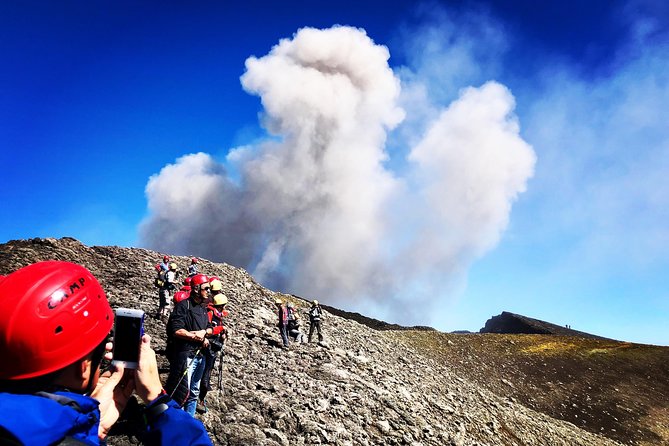
This tour runs as a morning departure and, in some seasons, an afternoon option. The plan calls for meeting at 7:45 a.m. and departing between 8:00 and 8:15 a.m.. There is also an afternoon start at 1:00 p.m. from May to October.
Weather matters a lot. The experience requires good conditions, and if it is canceled because of poor weather you are offered a different date or a full refund. On the day you go, cold wind is a common reality at altitude, even when lower elevations feel mild.
Also think about visibility and gases. The guides adjust routes when gas, heat, or fractures require changes. If you are expecting a perfect postcard view, give yourself permission for Etna to be Etna, sometimes clearer, sometimes harsher, always real.
How fit you need to be for this active volcano summit day
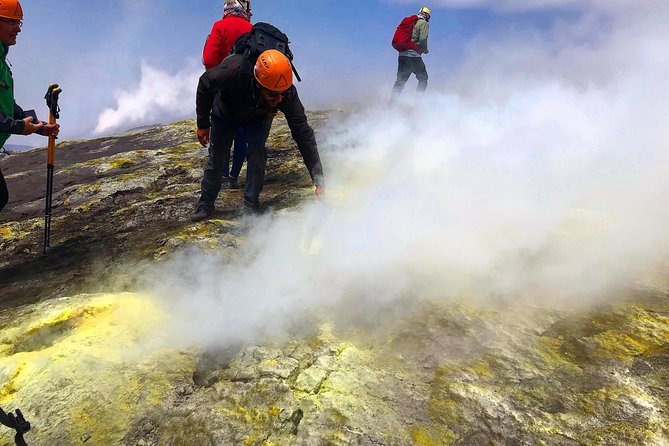
This hike is designed for people with strong physical fitness. You are climbing high, walking on loose volcanic surfaces, and finishing with a steep descent. The route is also described as potentially not suited for people with certain health issues, specifically breathing problems or hypertension.
It is also not a kid activity. Children under 12 are not allowed, and pregnant travelers who have passed the third month are not permitted.
If you have a history of dizziness or you know heights bother you, consider that the route includes walking along crater edges. Even when the guides manage safety, the terrain can still trigger dizziness in sensitive people.
If you are an experienced hiker with good knees and you actually train for downhill walking, you will be set up for success. If your strong point is flat trails only, this can be a rude awakening.
What to pack and wear: do not show up underprepared
Even though trekking shoes and a warm jacket are included, you still need to bring the right basics mindset. Think layered clothing and wind protection. Hat and gloves are not included in the chilly seasons, so pack them if you are traveling in autumn, winter, or spring.
I strongly recommend you skip contact lenses. Volcanic gases and ash can cause problems, and you do not want irritation when you are at altitude and moving on uneven ground.
Other practical wins:
- Wear long pants that cover your ankles
- Plan on loose sand or small stones getting into your boots, so use long socks
- Bring your patience for cold wind during crater-edge time
And one more thing: the guides provide helmets and walking poles, but your footing still matters. Watch where you place your steps on scoria and sandy gullies. It is slow and careful, then suddenly it is the kind of memory you brag about later.
Should you book this Etna summit craters hike?
If you want the crater-edge part of Etna, this is one of the better matches for serious hikers. The north-side base, the 4×4 lift to around 2,960 m, and the guided approach focused on four main summit craters make it feel like a real volcano day, not a quick viewpoint stop.
Book it if:
- You are comfortable hiking at high altitude and you can handle a steep descent
- You like geology explanations and want a small, guided group day
- You want equipment support so you do not have to guess what to rent
Skip it if:
- You struggle with downhill walking, knee issues, or loose footing
- You have breathing issues, hypertension concerns, or you need a less strenuous route
- You are traveling with young kids or you are pregnant past the third month
If you are on the fence, the safest decision is simple: be honest about your knees, your stamina, and your comfort around crater-edge terrain. When you match this hike to your fitness level, Etna rewards you in a way that is hard to forget.
FAQ
How long does the Etna summit crater hike take?
The duration is about 5 hours 30 minutes on average, though expect roughly a 6 hour day in total because of the long descent.
Where do I meet and what time does the tour start?
You meet at CHIOSCO BAR MARENEVE DI FERRARO Etna nord-Piano Provenzana at 7:45 a.m. The drive typically departs between 8:00 and 8:15 a.m.
Is the tour in English?
Yes. The experience is offered in English.
What is the group size limit?
The tour has a maximum of 12 travelers.
What equipment is included?
Included items are trekking poles, trekking shoes, helmets, a warm jacket, extra socks, and an extra backpack.
What tickets or entry fees are included?
Entry or admission to Mount Etna is included.
What is the altitude range and how hard is the hike?
You trek at high altitude, roughly between 2,960 m and 3,323 m. The climb is about 5 km with 550 m ascent, and the return is about 7 km with about 1,500 m descent, so you should have strong fitness and good knees.
What should I bring that is not included?
You should bring a hat and gloves for autumn, winter, and spring. You should also wear contact lenses only if you are comfortable, since contact lenses are not recommended due to volcanic gases and ash.
Are there extra costs for transport or vehicles?
Parking tickets are not included. There can also be optional off-road vehicle transport from around 1,800 m to 2,825 m for €50 per person if you choose it. If you return by bus from 2,850 m to 1,800 m, the cost is €70.
Can the tour be changed or canceled due to volcanic or weather conditions?
Yes. The route can change at the guides discretion based on environmental, climatic, and volcanic conditions. If canceled due to poor weather, you are offered a different date or a full refund.
More Walks and Climbs near Sicily
- Etna Southern Slope Guided Easy Trek
★ 4.8 · 36 reviews - Avola: Cavagrande del Cassibile Reserve Hiking Tour
★ 5.0 · 3 reviews - Mount Etna: Trek to 3000m with cable car and jeep
★ 4.7 · 1,978 reviews - Etna Volcano: South Side Guided Summit Hike
★ 4.7 · 1,545 reviews
Just reviewed in Sicily
- Pillirina, Ortigia, Sea caves: Boat Tour and Snorkeling★ 4.4 · 7 reviews
- Etna Southern Slope Guided Easy Trek★ 4.8 · 36 reviews
- Lampedusa: Dolphin watching with aperitif at sunset★ 3.2 · 9 reviews
- Hot spring and Temple★ 5.0 · 3 reviews
- From Trapani: Egadi Islands Day Tour by Boat★ 4.7 · 23 reviews
- From Taormina or Messina Port: Body Rafting + Lunch★ 4.7 · 3 reviews
- Enoteca dell’Etna: Iemu Spizzicannu Tasting★ 5.0 · 9 reviews
- Capo d’Orlando: Mini-cruises to Vulcano, Panarea, Stromboli★ 2.2 · 6 reviews
Etna Summit & Cable Car Tours, compared.
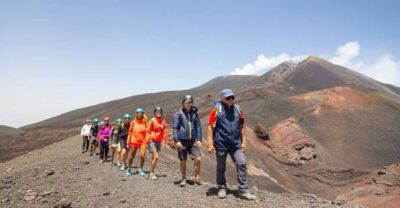
Mount Etna: Guided Volcano Summit Hiking Tour with Cable Car
Read our review →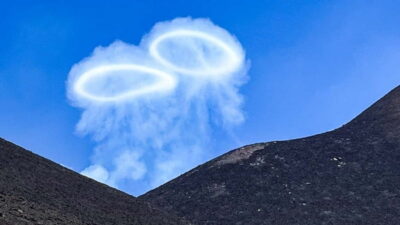
Mount Etna: Trek to 3000m with cable car and jeep
Read our review →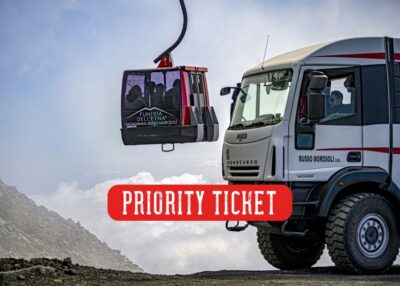
Mount Etna: Roundtrip Cable Car and 4×4 Bus Ticket
Read our review →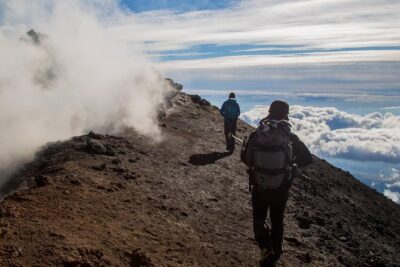
Etna excursion to 3000 mt. with cable-car and jeep 4×4
Read our review →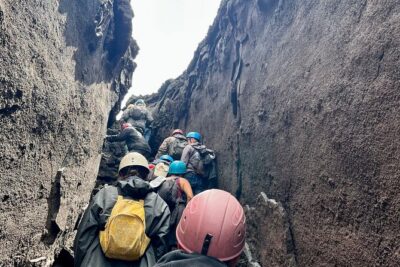
Etna excursion 3000 meters with 4×4 cable car and Trekking
Read our review →
Mount Etna: Summit Trek with Cable Car and snack included
Read our review →Browse the lists this tour appears in