
Reviewed in full · TRAPANI SALT PANS TOURS
Guided tour of the Trapani Salt Pans and Salt Museum
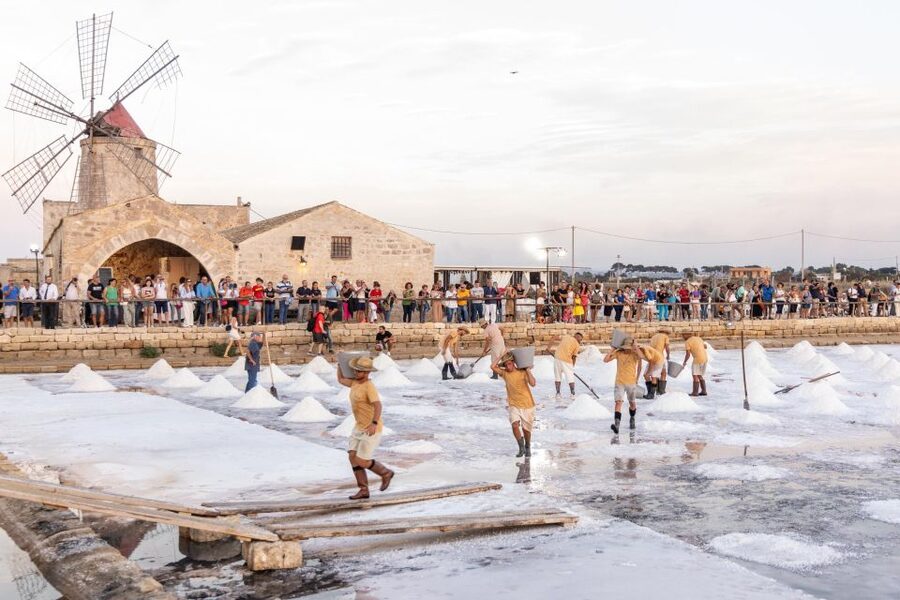
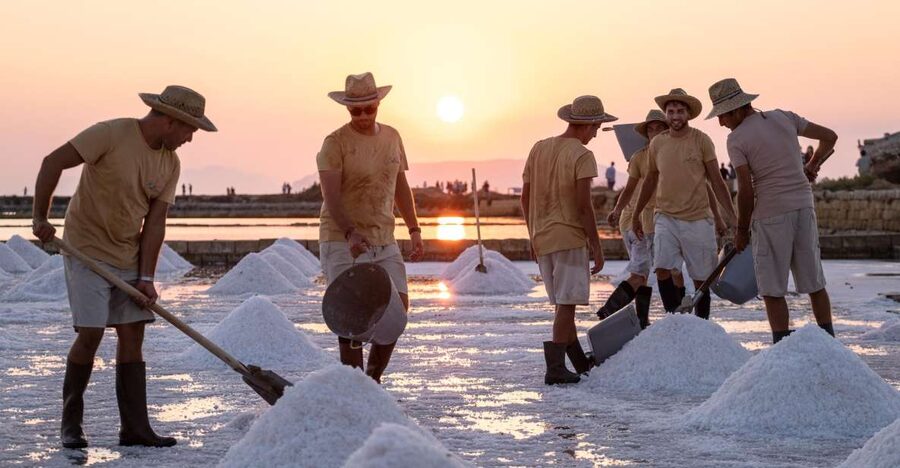
What makes this Trapani experience special is that you see salt making from the inside, then you walk into the story behind it at the salt museum. I love the hands-on part, especially when you touch salt right where it is produced. And I like that the tour keeps you outdoors and walking, so you read the place with your eyes as much as your ears.
I also love the tasting. You get to try whole salt and fleur de sel in different aromas, including flavored varieties associated with a Slow Food Presidium. One thing to plan for, though: this is a walk that requires a basic fitness level, so bring comfortable shoes and don’t treat it like an easy stroll.
Key things to know before you go

- Only Culcasi-family tour in this area, so it feels personal rather than generic
- Salt workers for four generations, with the human story tied to the work
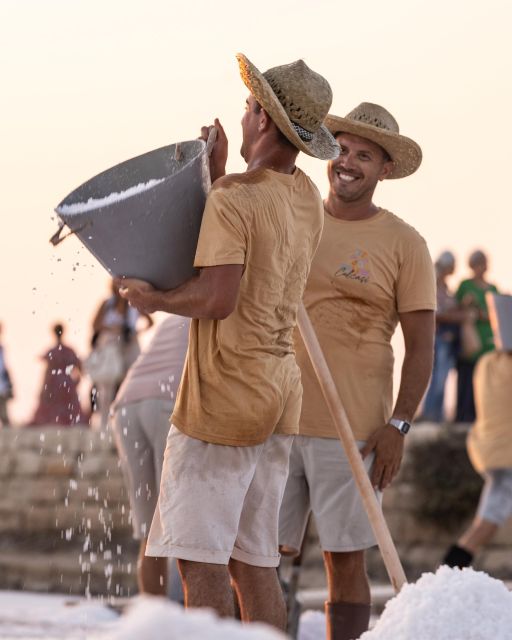
- Touch salt in the production tanks, not just view it from a distance
- Flavored fleur de sel tasting, including Slow Food Presidium varieties
- Ancient salt museum plus a mill dating to the 1400s, housed in an old farmhouse
- A walk through nature in the WWF reserve, with protected plants and birds you might spot
Saline Culcasi in Trapani: your walk through salt, sea, clay, and sky
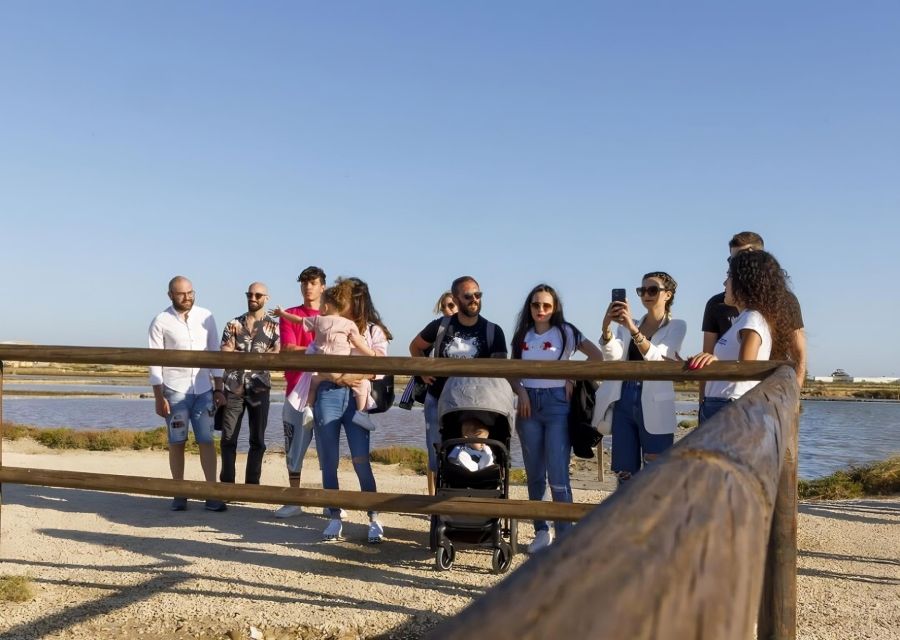
This guided tour is built around one simple idea: you should understand salt making with your feet on the ground. The setting is the Saline Culcasi of Trapani, a protected nature area where the salt pans create bright white shapes against sea blues and muted earth tones.
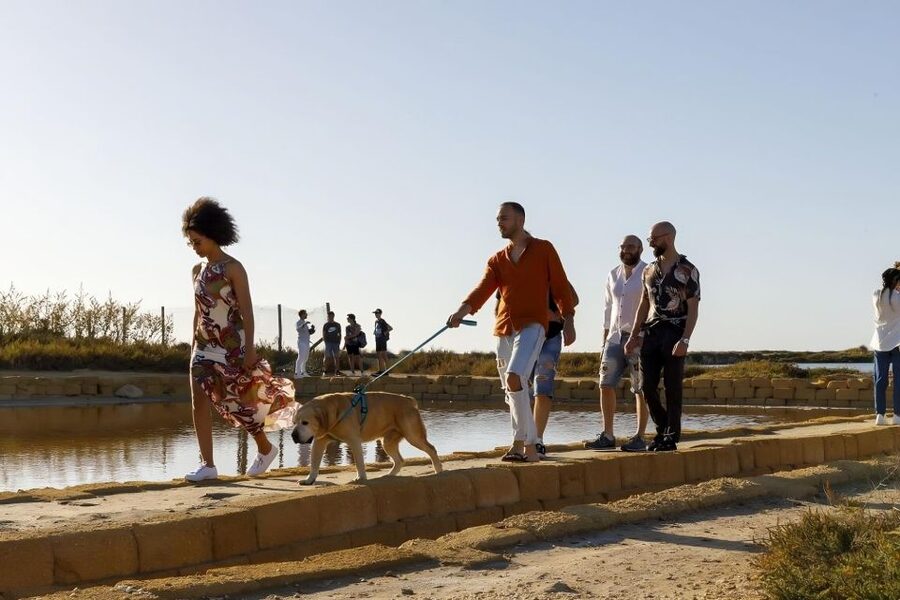
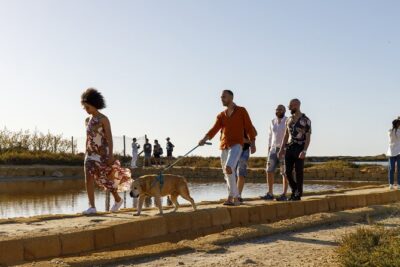
The walk is part “nature time,” part “how it works.” As you move along the perimeter of the salt pans, you get a feel for the changing colors, from white crusts to the gray clay around the pools. When the water mirrors the sky at the banks, it helps you understand why these ponds are so carefully managed.
You also get the family connection. This is the only tour proposed by the Culcasi family, and that matters. When the people who keep the tradition alive guide you, the details sound like real work, not textbook facts.
More salt pan tours on the west coast:
- Trapani: 2-Hour Salt Flats Tour
★ 4.9 · 286 reviews - From Palermo: Erice, Salt Pans, and Segesta Day Trip
★ 4.5 · 202 reviews - Segesta, Erice and Salt Pans Full-Day Excursion from Palermo
★ 4.2 · 1,791 reviews
Part one: the perimeter walk and the hands-on salt tanks
The first chunk of the tour focuses on a relaxing walk that tracks the salt pan’s edge. Expect stops and explanations as you notice the mix of sea water, evaporation, and the salt layer forming over time. Your guide points out the visual cues, like how the white tones shift across different areas of the pans.
This is also where the WWF reserve setting becomes practical. You are walking through an environment where protected plants and birds are part of the landscape, so you may see wildlife as you go. It adds a calm, “work in nature” feeling, instead of feeling like a purely industrial site.
Then comes the signature hands-on moment. You can collect salt with your hands and get a direct sense of texture and thickness. That single step is more memorable than long explanations, because it turns salt from an abstract kitchen ingredient into something physical and specific.
Tip that helps: wear comfortable clothes and plan for salt air. Even if it is not hot, the sea breeze can make you feel cooler than you expect.
Part two: inside the ancient salt museum and the 1400s mill

After the salt-pan walk, the tour shifts gears from outdoors to storytelling indoors. The guided museum visit is hosted in an ancient farmhouse, and it feels like you are stepping into the salt world that existed before modern convenience took over.
The museum part is built around the history of salt work itself, but the real thread is the family. You trace not only the tiring process of the salt pans, but the history of the Culcasi family that has run the operation for generations. This is one of the clearest ways to understand why salt mattered here: it was work, routine, and identity, passed down and refined.
A standout detail is the ancient mill from the 1400s. That date anchors the story in real time. It helps you connect the “today you see” to the “long ago people relied on the same sea and the same evaporation logic” to survive.
The tasting: whole salt, aromatic fleur de sel, and what to do with it later
The tour includes tastings of whole salt plus fleur de sel in different aromas from the production. You do not just sample one thing and move on. Instead, you get a comparison, which helps you understand how different salts can taste different even when they look similar in the jar.
One tasting highlight is the flavored fleur de sel linked to a Slow Food Presidium. That matters because it points to a more intentional use of salt as flavor, not just seasoning. You start thinking about salt as an ingredient with personality.
What I recommend you do right after the tasting is pick one flavor you could realistically use at home, not just the one that sounds unusual. If you like cooking, this is the kind of souvenir that can actually change how you season. Even if you mostly eat out, flavored salt makes a quick upgrade for simple dishes like boiled vegetables, eggs, bread, or a finishing pinch on pasta.
Other Trapani options side by side
- Guided tour of the salt pans of Trapani and the Salt Museum
★ 5.0 · 188 reviews - Syracuse: Museum Guided Tour with Sicilian Puppet show
★ 4.1 · 27 reviews - Visit to the Museum and show of Sicilian puppets in Syracuse
★ 4.5 · 3 reviews
Price and value: why $21 can make sense here
At about $21 per person for a 75-minute guided tour, the value comes from what is included. You are paying for more than a walk. Your ticket includes the guided visit of the Culcasi salt pan and salt museum plus tastings.
In practice, that means you get three value drivers in one package:
- A guided outdoor experience that teaches you how salt forms
- Entry into a museum setting with the ancient mill history
- A tasting component that adds learning and a buy-worthy souvenir idea
If you were to plan these separately, you would likely spend more once you factor in guide time and the museum visit. Here, the price feels fair for a structured experience, especially if you will actually use the flavors you tasted.
Who this tour is best for (and who should think twice)
This works well if you like hands-on learning and places where nature and work overlap. It is also a good fit for families, because the tour is framed as suitable for all age groups, with a walk that stays manageable for a basic level of fitness.
You should think twice if long walking is an issue for you. There is a clear note that it is a 1-hour hike, and that requirement is easy to underestimate if you only think about “guided museum time.” If you are dealing with low energy, plan for it. Bring the hat and take breaks if you need them.
It also helps if you are curious about food ingredients. The salt is not treated like a commodity. You learn enough about the process that the tastings feel connected, not random.
Practical details that make your visit smoother
Start at Via Salina Chiusa, 1. The meeting point is the ticket office in the forecourt below the windmill. Look for the guide behind the salt sales counter.
English and Italian are available for the live guide. The tour is wheelchair accessible, which is an important point if you need mobility support.
What to bring is straightforward:
- Comfortable shoes
- A hat
- Comfortable clothes
One more small planning tip: even though the tour is under two hours, you are still out in a salt-and-sea environment for part of it, so dress like you expect to be outside for a bit, not like you are heading indoors.
At the end, it may be possible to have an aperitif with a view and/or have dinner at the restaurant. If you want a full slow-food style day, this is a natural way to extend the experience.
Should you book the Trapani Salt Pans and Salt Museum tour?
Book it if you want a guided, hands-on salt experience that connects the work to the family story, with tastings included. The strongest reasons to go are the only-in-this-area Culcasi-family angle, the chance to touch salt in the tanks, and the museum visit tied to the 1400s mill.
Skip it or choose your timing carefully if you do not handle a 1-hour walk well. This is not a sit-down-only outing. Also, if you are mainly looking for a quick photo stop, you may prefer something shorter or more flexible.
If you get the right fit, this is one of those Sicily experiences that stays with you. Not because it is flashy, but because you come away understanding salt in a way you can taste.
Just reviewed in Trapani
- Castellammare: Scopello and Zingaro Nature Reserve Boat Tour★ 4.5 · 8 reviews
- Oil & Wine Tasting★ 5.0 · 21 reviews
- From Trapani: Favignana and Levanzo Motorboat Cruise★ 4.7 · 5 reviews
- From Trapani: Marettimo Grottos Cruise & Local Food Tastings★ 2.3 · 3 reviews
- San Vito Lo Capo: tour Riserva dello Zingaro e Scopello★ 5.0 · 22 reviews
- Historical Baglio Florio Adamo tour with wine tasting★ 5.0 · 13 reviews
- From Trapani: Tour of San Vito lo Capo, Zingaro Nature Reserve, and Scopello★ 3.9 · 91 reviews
- From Trapani: Full-Day Sailboat Trip to Favignana & Levanzo★ 4.9 · 15 reviews
Trapani Salt Pans Tours, compared.
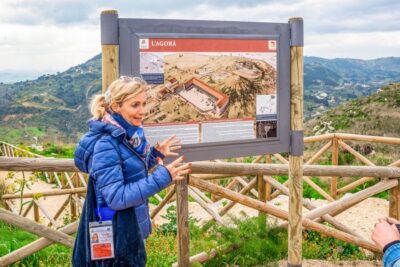
Segesta, Erice and Salt Pans Full-Day Excursion from Palermo
Read our review →
SALT TOUR-all inclusive: salt tour: Trapani, Paceco, Nubia
Read our review →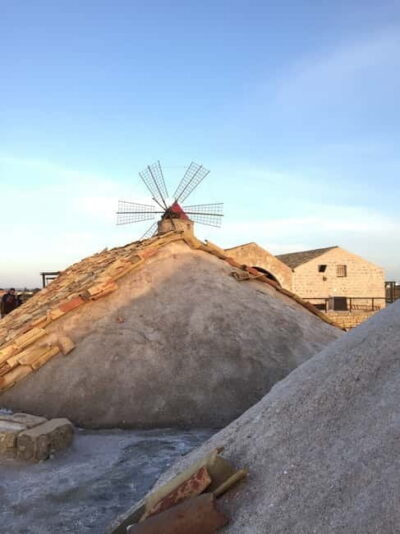

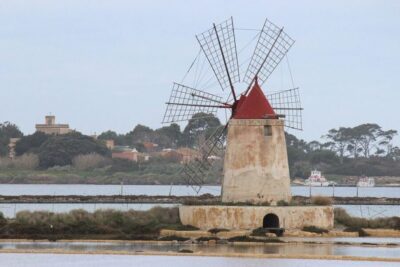
Guided tour of the salt pans of Trapani and the Salt Museum
Read our review →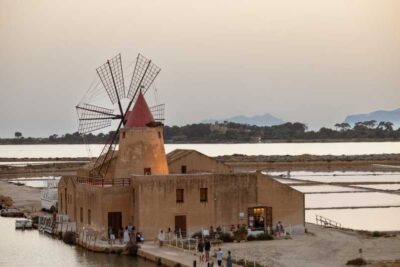
Browse the lists this tour appears in