
Reviewed in full · TRAPANI SALT PANS TOURS
Marsala: Guided Salt Pans Walk Tour with Windmill Visit
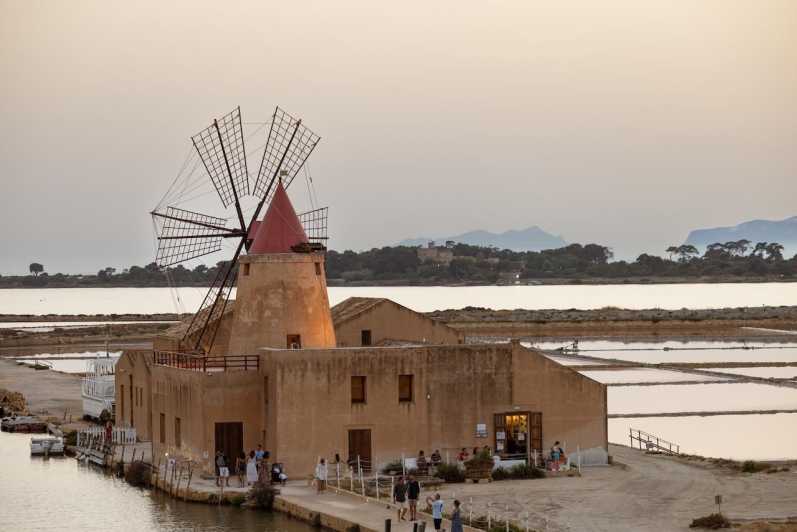
This kind of Sicily outing is interesting because it turns a working salt marsh into a real-life classroom. You start inside a 16th-century windmill, then step out to see the salt pans where nature and human timing do the heavy lifting.
I like two things most. First, the movie plus guided walk gives you a clear picture of how sea salt production works. Second, the iridescent basins and salt-flat views around the windmills make it feel more like a photo stop than an industrial site.
One consideration: getting to the SEI saltworks may take a bit of planning beyond central Marsala. One visitor noted the windmill location was about 9 km north of Marsala, and a taxi round trip cost extra, so build that into your plan.
Key things to know before you go
- Start inside a windmill: You begin with a short movie that explains sea salt production and harvesting.
- Learn the salt-pan life cycle: Your guide explains management, timing, and how the pan stays productive.
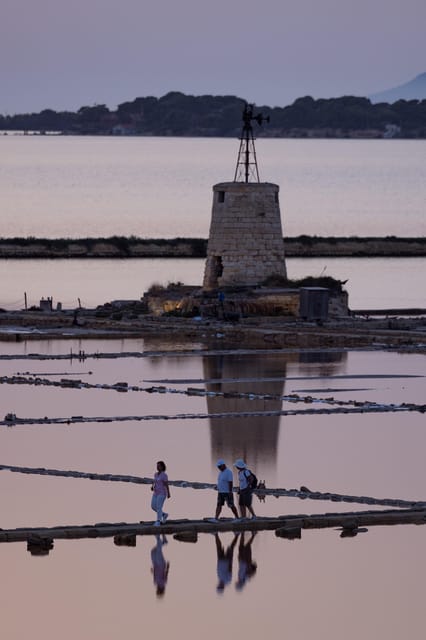
- Walk the pans in guided fashion: You’ll move through the salt flats and see the mosaic-like pool colors up close.
- Stagnone Nature Reserve views: The setting is part of the draw, with shimmering tones in the basins.
- Trapanese salt is the point: You’ll hear about Whole Trapani Sea Salt PGI and see it tied to the site.
- You can end with shopping: There’s time to visit the salt shop at the end of the tour.
Salt pans and windmills: what this 1-hour walk is really about
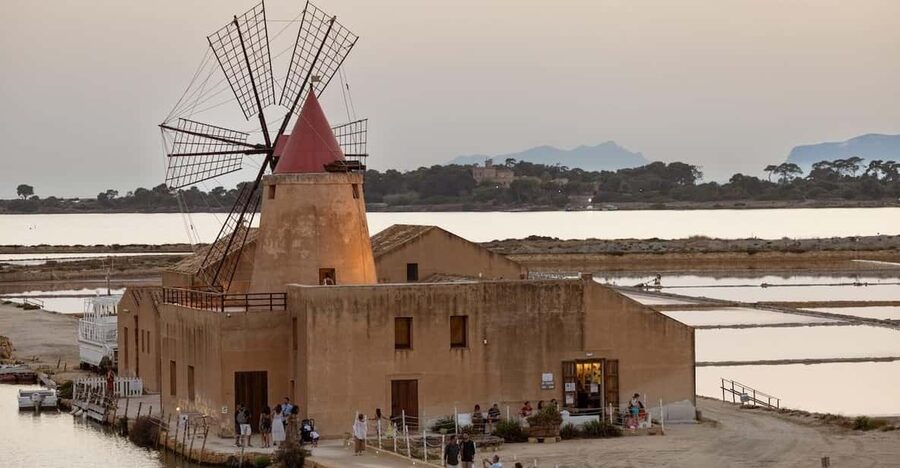
If your idea of Marsala is all wine cellars, this tour is a smart side trip. You’re swapping tasting rooms for salt works, where the story is about water, sun, and routine. The payoff is simple: in an hour you learn how salt is made, then you walk among the pans that make that process visible.
What makes it special is the mix of education and scenery. You don’t just stand outside and take pictures. You get a guided explanation of how a salt pan works, and then you see how those steps translate into real ponds and patterned basins. It’s also a short tour, so it fits easily between other sightseeing in western Sicily.
The windmill sets the tone from minute one. You walk in to start the experience, and that helps the place feel like a historical system, not just a tourist photo spot. From there, the guide ties together the working salt landscape and what you’re seeing in front of you.
More salt pan tours on the west coast:
- Marsala: Guided tour of the Genna Salt Pans
★ 4.4 · 97 reviews - Guided tour of the Marsala Salt Pans and salt harvesting
★ 4.7 · 60 reviews - Marsala: Pink Salt Pans Wellness
★ 4.5 · 31 reviews
Entering SEI Saline Ettore e Infersa, and why the windmill matters
Your meeting point is inside SEI – Saline Ettore e Infersa. The site has a free park, and the visit starts inside the big windmill where your salt-pans walk begins. If you want to keep it stress-free, go directly to the windmill with your ticket and confirm your reservation when you arrive.
Why the windmill opening matters: it gives you context before you step onto uneven salt-flat ground. Starting indoors also means you can absorb the main ideas when your brain is fresh and you’re not yet focused on where to place your feet. Plus, the setting is visually satisfying. A windmill in the middle of salt works looks exactly like what it is: a tool built for a specific environment.
There’s practical comfort around the site too. You can find free on-site parking, toilets, and even a restaurant for sandwiches and main meals nearby. That matters if you’re timing the tour around lunch or trying to keep your day smooth between Palermo and Marsala check-ins.
The movie inside: sea salt production in plain, useful steps
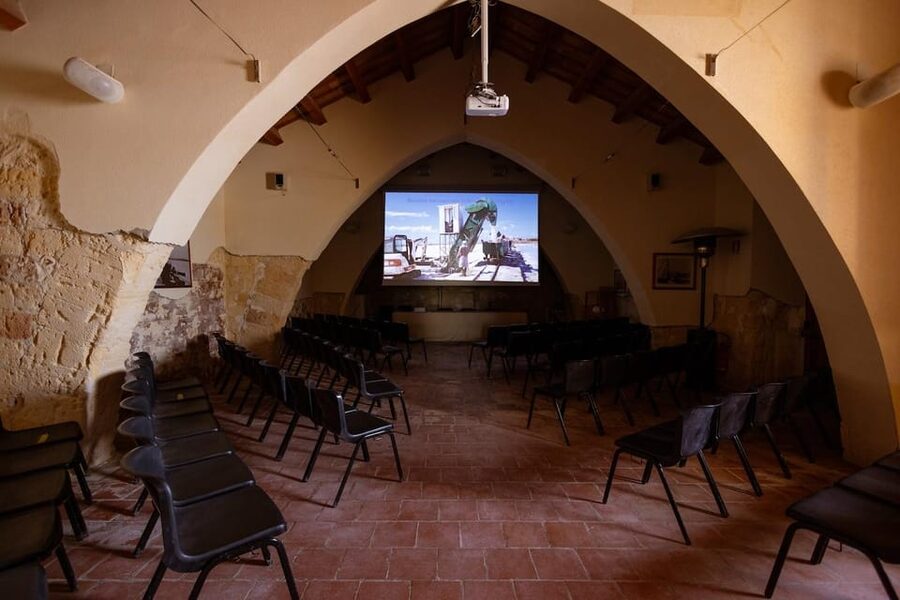
The tour begins with a movie that explains sea salt production and harvesting. This is not a vague overview. The goal is to give you the basic rhythm so that when you see the pans outside, you know what you’re looking at.
A good part of the experience is the way the guide follows the movie with real-world interpretation. You learn about the life cycle and management of a salt pan, including productivity and the time and pace of salt collection. You’re essentially being taught how salt harvesting fits into a repeating seasonal plan.
That’s why the tour feels like more than a walk. You start thinking in stages:
- how seawater ends up in the basins,
- how conditions change as water evaporates,
- how management keeps the system working across the season.
Even if you don’t remember every term, you’ll likely remember the bigger idea: salt production here is a controlled process shaped by sun and wind, with people managing the timing. When your guide points out what’s happening in the basins, it clicks.
One small bonus: the film and the guide-led explanation are in English. The English is usually described as clear and engaging, but keep in mind that language clarity can vary depending on the guide. If you’re the type who hates missing details, listen closely in the windmill, because that’s where the foundation is built.
Walking the salt flats: mosaics, windmill views, and Stagnone colors
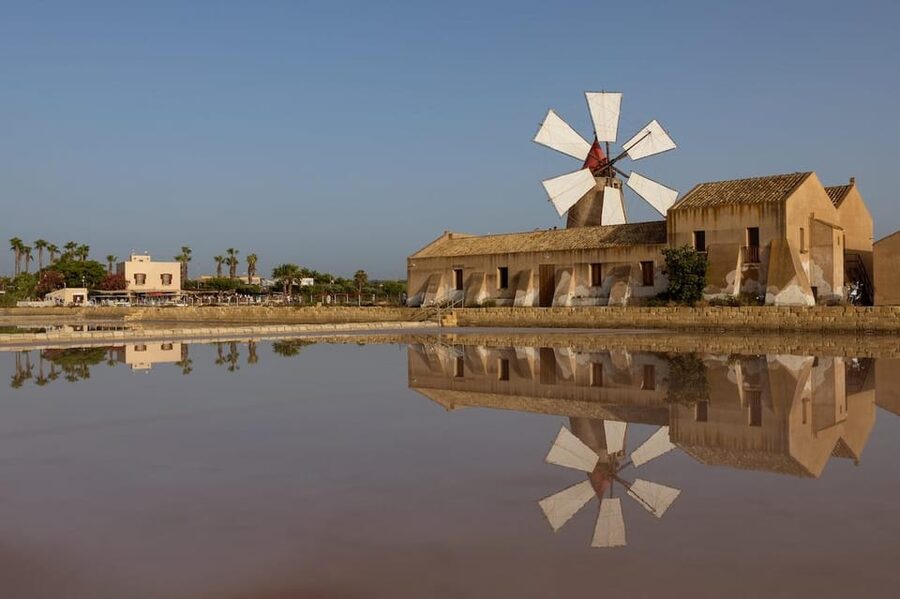
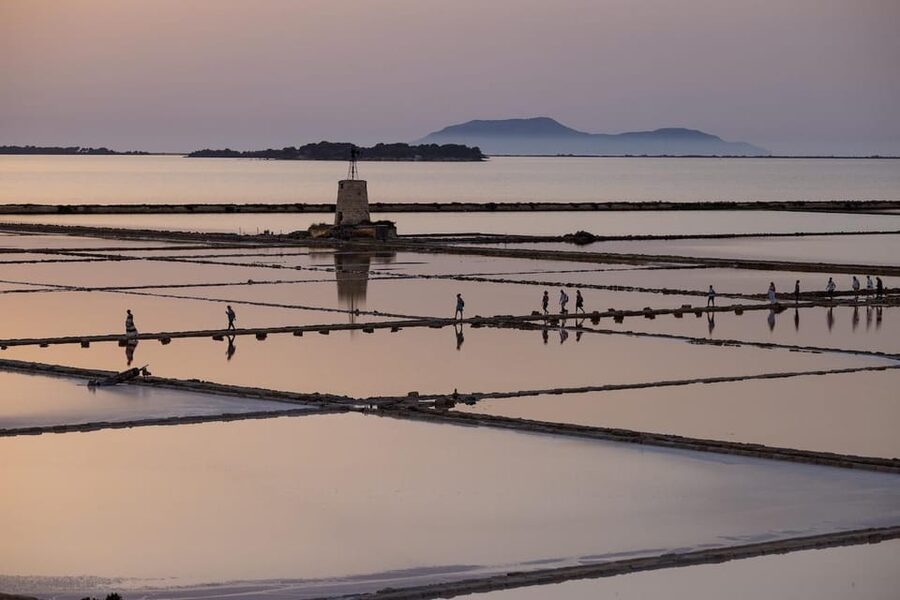
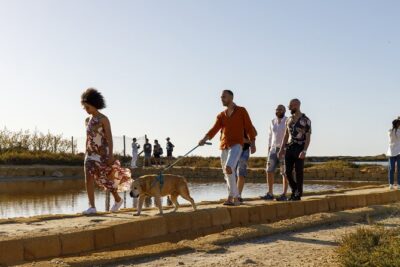
After the movie, you move into the salt pans on a guided walk. This is the part that most people come for visually: colored pools that look almost like mosaics, plus wide views of the windmills and the working salt area.
The tour also brings in the Stagnone Nature Reserve. The reserve is known for its natural beauty, and here it shows up as iridescent tones across the basins. You’re not just visiting a man-made workspace. You’re seeing a nature reserve that’s tightly connected to salt production.
Your guide helps you understand what you’re seeing, including how a salt pan is organized and managed. That can include how different basins function as part of the overall process, and how people work with the pace of harvesting.
Comfort-wise, plan for real walking over salt-flat terrain. Bring comfortable shoes. Even when the walk is short, the ground can be uneven or firm in some spots and slick in others depending on conditions. Also bring water and sun protection because this is an outdoor area with open sky.
A few practical tips I’d follow:
- wear a hat and sunscreen even if you think it might be breezy,
- keep your camera accessible, because the colors and windmill views are the kind you want to capture quickly,
- ask questions early, while you still have the movie explanation in your head.
More walking tours in Marsala:
- Palermo: NO Mafia Walking Tour
★ 4.8 · 2,431 reviews - Palermo Original Street Food Walking Tour by Streaty
★ 5.0 · 2,105 reviews - Palermo: Street Food and History Walking Tour
★ 4.9 · 1,294 reviews - Palermo No Mafia walking tour: discover the Anti-mafia culture in Sicily
★ 5.0 · 1,011 reviews
Timing: when to go for the best light and the easiest day
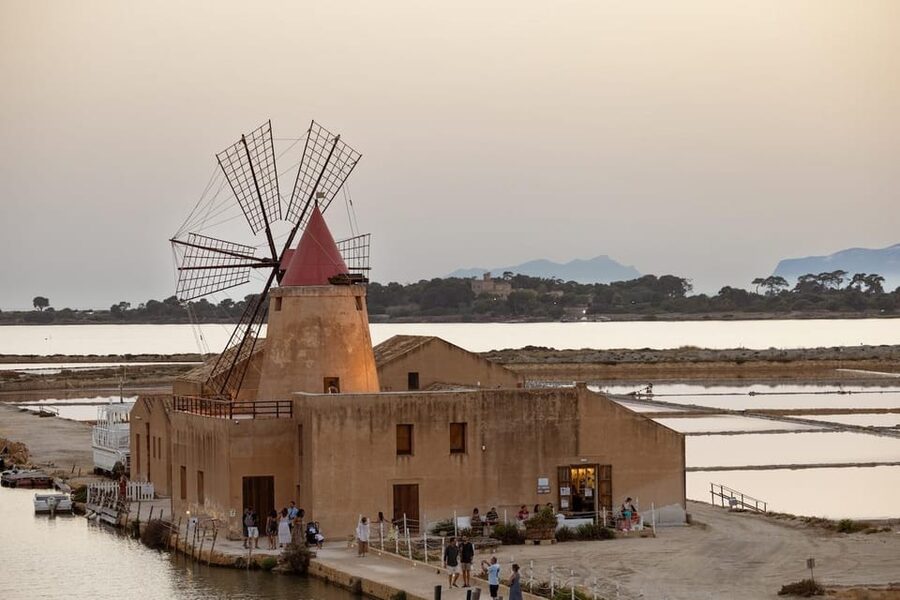
This tour is about 1 hour, but your day around it can make a big difference. If you’re planning it as a quick stop between other activities, you’ll likely appreciate that it’s short. If you’re treating it like a highlight, you can time it for the best light.
In the real world, sunsets can be a strong option. One visitor specifically pointed out that sunset felt like the best time to visit and noted that there can be time to stay on the windmill for a view after the English tour session. If sunset is your goal, just make sure your chosen time slot gives you breathing room at the windmill at the end.
Season matters too. One guide-style hint you can use: depending on when you go, you might catch wildlife like flamingoes, or you might see signs of harvesting season. That doesn’t mean the reserve always has the same scene, but it suggests the best moments can change with the calendar.
No matter when you go, your comfort plan stays the same: water, sunscreen, hat, and shoes you trust on uneven ground.
Price and value: is $18 worth an hour at the salt pans?
At $18 per person for a guided, English-language experience, this tour is good value if you like learning with your feet on the ground. It’s not just access to a viewpoint. You get the movie inside the windmill, a guided walk through the pans, and an explanation of salt-pan lifecycle and management.
Here’s how I’d judge value. You’re paying for three things that are hard to replicate on your own:
- orientation and context from the movie and guide,
- a guided route through the pans where explanations make visual sense,
- a chance to connect the visual site to the working process, not just admire from outside.
If you’re the type who hates “museum lectures,” this won’t feel like that. The walk is relatively quick, and the setting does the heavy lifting visually. Even better, smaller groups are possible, which means you can ask questions and get answers tied to what you’re looking at.
The other value angle is the location itself. The SEI saltworks area includes practical extras like toilets and a restaurant nearby. So this isn’t only a one-hour commitment. It can also help you turn an otherwise awkward travel gap into a structured stop.
Group size, guides, and English quality you can plan around
The experience is led by a live English guide. In practice, you may end up in a small mixed group, and that can be a real advantage. One person described it as intimate with just four participants, which meant plenty of time for questions.
Guide quality shows up in two ways: clarity and energy. Several visitors praised guides as engaging and funny, and most emphasized that the explanations were strong and that questions were welcomed. That’s exactly what you want for a process as step-by-step as salt production.
There is one practical caution: a couple of people noted English comprehension issues with one guide. If you’re sensitive to accents or fast pacing, consider going when you can focus in the windmill during the movie segment. That segment sets up the terms your guide uses outside.
End point and shopping: Whole Trapani Sea Salt PGI at the salt shop
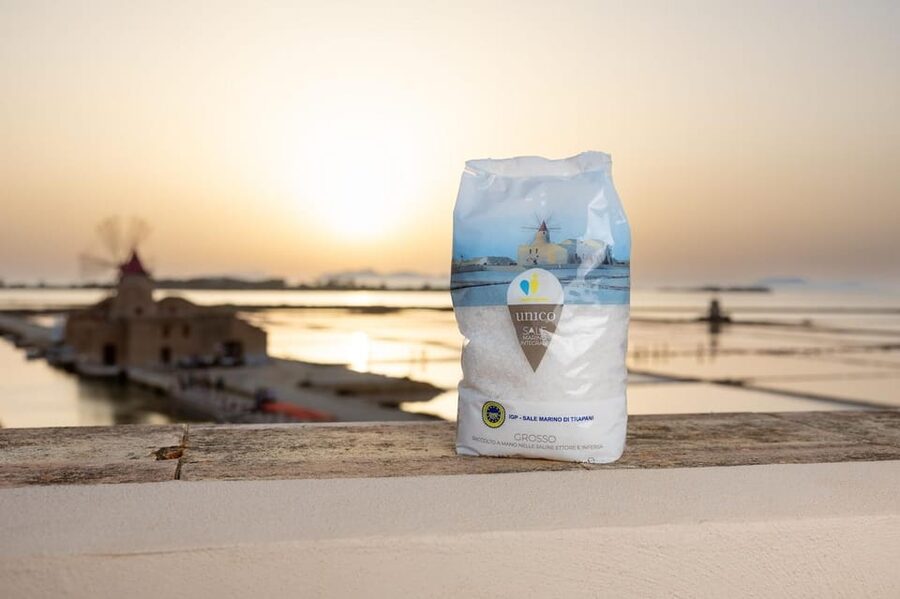
The tour ends with a visit to the salt shop. If you want to buy, this is when you can. The operator highlights Whole Trapani Sea Salt PGI, and it’s presented as a key local specialty.
Even if you don’t plan to buy salt, the shop stop can still feel worthwhile because it connects the tour to a product with a specific regional identity. You’ll understand more about what the site is doing once you’ve walked through and seen the process in context.
Tip for your shopping brain: decide what you want salt for before you get distracted by packaging. It’s easy to overspend when you finally get to the fun part.
Who should book, and who might want to skip
This is a good fit if you want a short, visual, educational stop. You don’t need advanced knowledge of chemistry or food science. The tour explains the process in practical terms and keeps the time tight.
You’ll likely enjoy it if you like:
- hands-on explanations paired with scenery,
- photo opportunities with strong local character,
- a change of pace from wine-focused Marsala sightseeing.
It’s not a good fit for everyone. The tour is not suitable for people with mobility impairments or wheelchair users. Since you’ll be walking through the salt pans, you should assume it’s uneven and may require sure footing and good balance.
Also note the rules: pets are forbidden inside the salt pans, and smoking isn’t allowed. If you’re traveling with a pet, plan a different activity nearby.
Should you book the Marsala salt pans walk with windmill visit?
Book this tour if you want a memorable hour in western Sicily that blends work history, natural beauty, and clear explanations. At $18, it’s one of those experiences that feels genuinely worth doing because it teaches you how to see the place instead of just looking at it.
I’d especially recommend it if you have a tight schedule, because the timing is short and it’s easy to slot in. And if you’re the kind of traveler who likes photo-worthy details, the iridescent Stagnone colors and windmill views give you plenty to capture.
Skip it if you have mobility limitations that make uneven outdoor ground tough, or if you hate guided walks and prefer to travel at your own pace.
If you do book, show up ready for sun and uneven surfaces, listen carefully during the windmill movie, and ask questions while you’re still standing in front of the pans your guide is describing. That’s when the whole experience clicks.
FAQ
How long is the Marsala salt pans walk tour?
The tour lasts 1 hour.
Is the guided tour offered in English?
Yes, the tour includes a live English guide.
Where is the meeting point?
You meet inside SEI – Saline Ettore e Infersa saltworks, and the visit starts inside the big windmill.
What do I do at the start of the tour?
You start inside the 16th-century windmill with a movie that explains sea salt production and harvesting.
What is included in the price?
Included are an English guided walk through the salt pans, the movie, and insight into the life cycle and management of a salt pan.
What should I bring?
Bring comfortable shoes, a sun hat, a camera, sunscreen, and water.
Are pets allowed?
Pets are not allowed inside the salt pans.
Is smoking allowed during the tour?
Smoking is not allowed.
Is the tour suitable for wheelchair users or mobility impairments?
No, it is not suitable for people with mobility impairments or wheelchair users.
Can I buy salt at the end?
Yes, at the end of the experience you can visit the salt shop and buy Whole Trapani Sea Salt PGI.
Just reviewed in Marsala
- Marsala: Winery Tour with Wine Tasting and Local Products★ 4.4 · 32 reviews
- Marsala Wellness on the Isola Lunga Salt Pans with Aperitif★ 4.7 · 5 reviews
- Marsala: Pink Salt Pans Wellness★ 4.5 · 31 reviews
- Marsala: Wellness in the Pink Salt Pans with Dinner★ 4.7 · 21 reviews
- Marsala: Market Tour & Meal at a Local’s Home★ 5.0 · 5 reviews
- Marsala: Favignana dinghy tour with wine tasting★ 5.0 · 9 reviews
- Marsala: Kayak Tour in Stagnone di Marsala Nature Reserve★ 5.0 · 4 reviews
- Marsala Aperitif Mamma Caura Rooftop★ 4.7 · 14 reviews
Trapani Salt Pans Tours, compared.
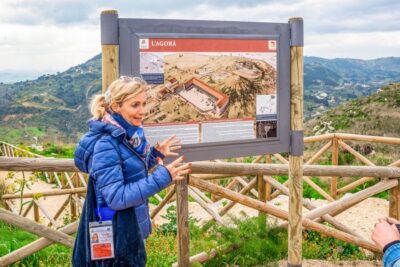
Segesta, Erice and Salt Pans Full-Day Excursion from Palermo
Read our review →
SALT TOUR-all inclusive: salt tour: Trapani, Paceco, Nubia
Read our review →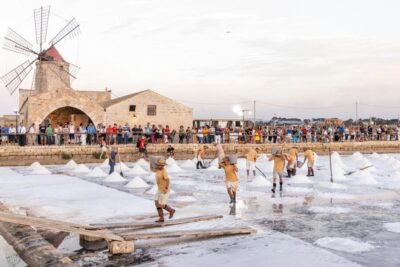
Guided tour of the Trapani Salt Pans and Salt Museum
Read our review →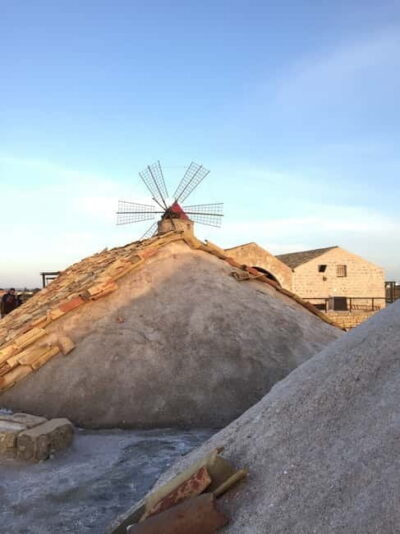

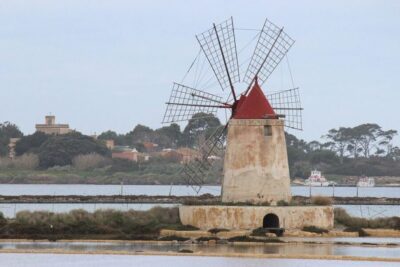
Guided tour of the salt pans of Trapani and the Salt Museum
Read our review →
Browse the lists this tour appears in