
Reviewed in full · TRAPANI SALT PANS TOURS
Guided tour of the Marsala Salt Pans and salt harvesting
The Marsala salt pans are interesting because they are still doing their job. You see the work of the windmills, canals, and salt tanks in the Nature Reserve of the Stagnone Islands of Marsala, not just the finished product. I especially like the stop at the Infersa Mill with its multimedia salt-production path, and I like that you can join the salt harvest. One possible drawback, plan for it up front, is the walking surface can be uneven, so proper shoes and weather-ready clothing help.
In about one hour, you’ll get a clear view of how salt became a precious local resource starting back in the 1500s. You’ll also meet the people behind the craft through a guide who helps connect salt to everyday life, including cooking and cosmetics, with salt types like whole salt and fior di sale discussed inside the mill.
Key things to know before you go
- Infersa Mill first, then straight into the working salt-pans area
- Multimedia path that explains sea-salt production in a practical, visual way
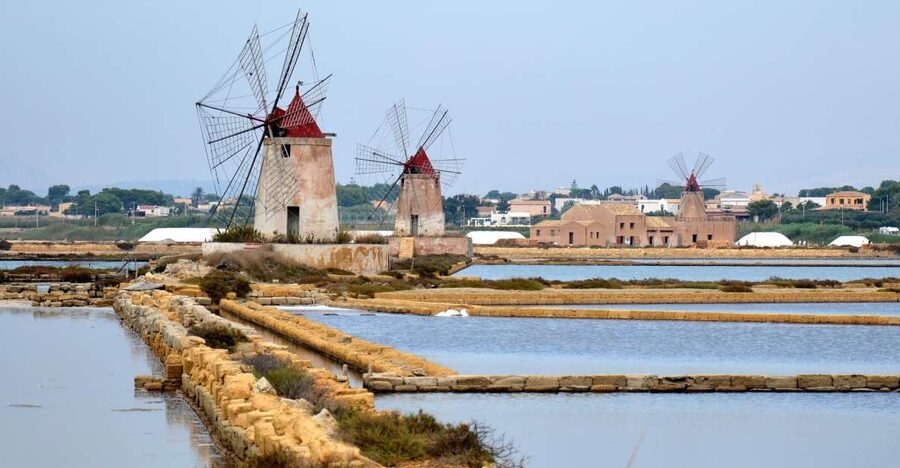
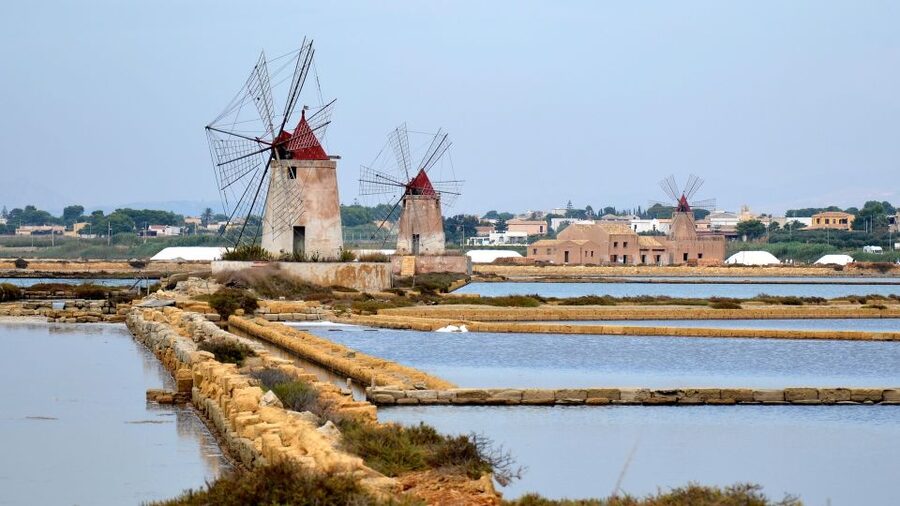
- Windmills, canals, tanks, and salt piles you can actually see and measure with your eyes
- Hands-on harvest time, where the experience becomes physical, not just observational
- Salt varieties and uses, including how salt shows up in cooking and skincare
Why the Stagnone salt pans in Marsala feel different
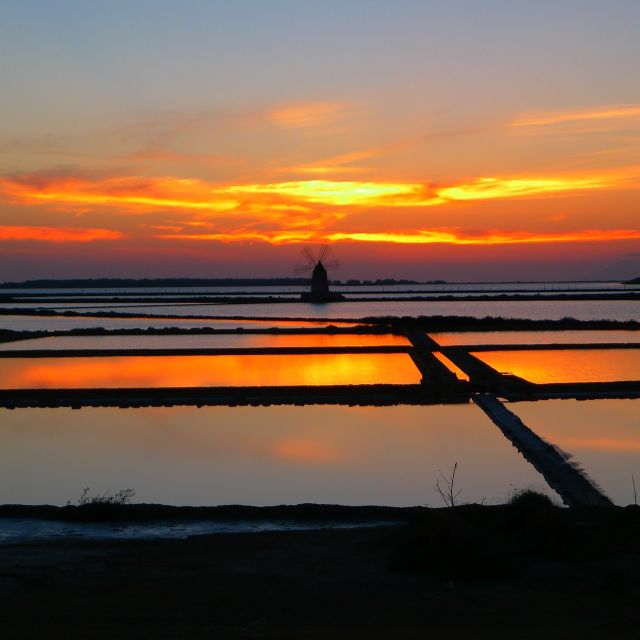
If you like travel that connects nature with work, the Stagnone salt pans deliver. This is a real working system shaped by the Mediterranean environment, where salt is produced through a process that depends on water, sun, wind, and careful timing.
What makes it click is that you do not just look at a pretty scene. You learn why the tanks and canals are arranged the way they are, and you see how the windmills fit into the routine. The result is a working geography you can understand quickly, even if you are not the science type.
Another good sign for your time is the format. The whole thing is built to fit in about one hour, which means you can add it to a day in Marsala or near the port without it swallowing your schedule.
More salt pan tours on the west coast:
- Marsala: Guided Salt Pans Walk Tour with Windmill Visit
★ 4.7 · 162 reviews - Marsala: Guided tour of the Genna Salt Pans
★ 4.4 · 97 reviews - Marsala: Pink Salt Pans Wellness
★ 4.5 · 31 reviews
Entering Infersa Mill: where salt production becomes easy to grasp
The tour begins inside the mill, with your guide waiting there. That matters because you start with context before you step out into the salt pans, and it keeps the rest of the experience from feeling random.
Inside, the highlight is the multimedia path at Infersa Mill. You get a guided-style explanation of ancient sea-salt production, presented in a way that is easy to follow while you stand in place. One of the smartest touches here is that the visuals help you connect what you are about to see outdoors, the tanks, the water movement, and the final piles of salt.
You also meet two specific salt styles inside the mill:
- Whole salt, described as strictly hand-picked
- fior di sale, described as purely flavored
Even if you do not plan to buy anything, those names help you remember what makes salt different beyond the word salt. They also set up what you will do later, which is taste and use salt in a real-world way.
The salt-pans walk: tanks, canals, windmills, and salt piles
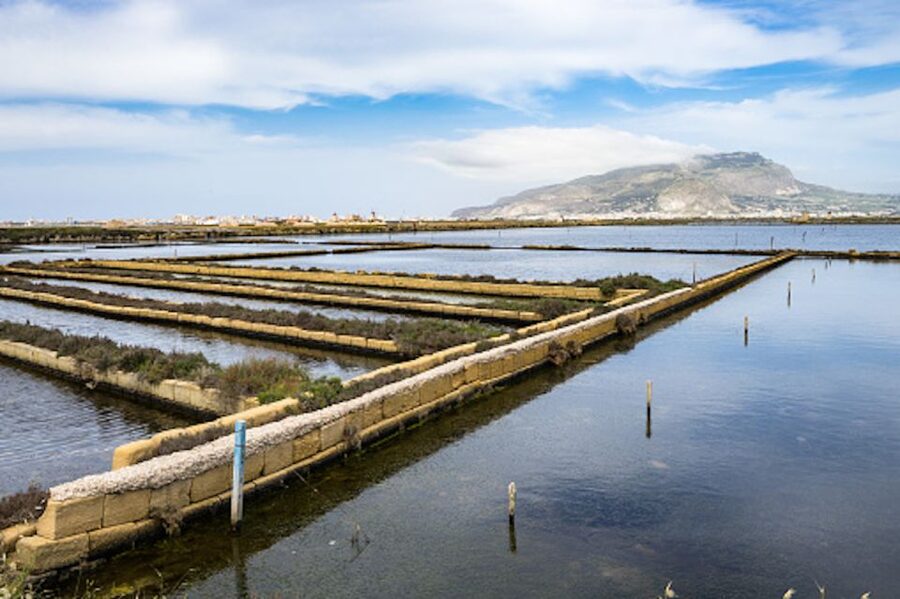
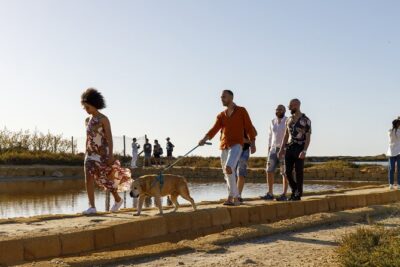
After the mill, you move along a nature trail in the Stagnone Islands reserve. This is where the “working landscape” becomes concrete: you will see tanks, small canals, windmills, and piles of salt arranged like parts of one system.
You’ll want to use your eyes in layers. First, look for the layout, where water goes and how the system is organized. Next, notice the structures that make the production possible, like how canals and tanks create controlled conditions. Then, connect that to what you learned inside the mill, because the process makes more sense once you see it at ground level.
The value here is not just visual. It’s understanding. When you can point to elements in the salt pans and say, That’s part of the production system, your brain stops treating the salt as a generic pantry item.
Joining the harvest: a hands-on sensory experience
The most memorable part for many people is the chance to help with the harvest. This is built as a guided, participatory stop, not a quick photo break.
Why that’s worth your time is simple. Salt production is about patience and conditions, but harvest is about touch, texture, and attention. When you join the process, you experience salt as a material, not just as seasoning. That changes how you think about buying salt afterward.
You also get what the tour describes as a truly unique sensory experience. In practice, that usually means you notice how the salt looks and feels, and how the area smells and feels in real time. It’s one of those activities where your senses do part of the teaching.
Some groups also get to take away the salt they harvested, and you may have a short tasting of different salt types as part of the learning. If you are hoping to bring home an edible souvenir with a story, this is the section that can deliver.
Other Marsala options side by side
- Marsala: Florio Winery Tour with Local Wine Tasting
★ 4.8 · 130 reviews - Marsala: Florio Winery Tour with Food-Paired Wine Tastings
★ 4.7 · 104 reviews - Selinunte: Archeological Park Entry Ticket & App Audioguide
★ 4.4 · 66 reviews - Marsala: Winery Tour with Wine Tasting and Local Products
★ 4.4 · 32 reviews
How the guide ties salt to everyday cooking
This is where the tour earns its keep for food lovers. Salt often gets treated like a commodity, something you grab and forget. This experience puts salt back into the spotlight as a product with types and character.
Inside the mill, you learn that salt is used in cooking, and you connect that to the different kinds you see discussed during the tour. If you are the kind of person who pays attention to textures and finishing touches, you’ll probably appreciate the idea that fior di sale is described as flavored, meaning it has a personality beyond plain salt.
When you taste salt on the tour, it tends to make the contrast obvious. Ordinary table salt can feel flat by comparison once you’ve handled and sampled specialty varieties in context. That shift is probably why people leave saying they will think differently when they shop later.
Even if you do not cook like a chef, salt is one of the easiest upgrades in the kitchen. You do not need complicated recipes, you just need a better salt, and the right use.
Salt beyond the kitchen: moisturizing power and cosmetics
One of the smartest additions to this tour is that it does not stop at food. You also learn that salt is used in cosmetics because of its moisturizing power, with products aiming at skin well-being.
This might sound like a sales pitch, but the tour frames it as a practical connection: salt is not just a seasoning, it’s a material with properties that people use for skin care. Seeing that logic laid out makes the salt pans feel less like a curiosity and more like an active ingredient in the modern world.
If you shop for body care products while traveling, you’ll likely enjoy this angle. It gives you a reason to understand labels, and it helps you ask better questions when you are looking at skincare in shops back home.
Price and value: what $41 buys in one hour
At about $41 per person for a 1-hour guided tour, the price sits in the range of a specialty experience. It may not sound cheap until you break down what you’re getting.
You get:
- A guided visit to Infersa Mill with multimedia explanations
- Boots included, which is a small cost saved and also practical for the ground conditions
- A guided walk through a protected salt production area in the Stagnone reserve
- A chance to join the salt harvest, turning learning into doing
The biggest value factor is time and focus. Many activities in Sicily are either long, or you spend most of the time getting to and from. Here, the “payoff” happens within that one hour, and it’s concentrated.
Also, the inclusions help. If you need footwear, boots are included. If you want to understand the process quickly, the mill start helps you get it fast.
So should you pay it? If you like food culture, craft production, and hands-on learning, yes. If you only want a quick viewpoint with photos, you may find the time feels short for what you want.
What to expect during the visit, step by step
Here is how the experience tends to flow, and why each part matters.
First, you meet at the mill, where your guide is waiting. Starting indoors sets you up with the vocabulary and the process, so the salt pans outdoors become understandable right away.
Next, you follow the multimedia salt-production path in the mill. This is where you learn the “how,” including the ancient and precious art of sea-salt production. You also get introduced to different salt types, including whole salt and fior di sale.
Then, you continue along the nature trail in the reserve. This is your “see it working” phase, where tanks, canals, windmills, and piles of salt show you how the system functions in reality.
Finally, you join the harvest. This is when you shift from watching to participating, and the sensory side of the experience shows up. If your goal is an edible souvenir with a story, this is where it can click.
Who this tour suits best
This is a great fit if you like practical travel, small crafts, and regional food culture. It’s also ideal for couples and families because it’s short and active, without turning into a long endurance walk.
You’ll probably enjoy it most if:
- You are curious about how everyday products are made
- You like hands-on learning more than classroom-style tours
- You want a meaningful Marsala activity beyond wine tastings
If you dislike any hands-on component, you might feel a bit boxed in by the harvest participation. If you have very limited mobility or you hate walking outdoors, the one-hour duration can still be fine, but you should consider the ground conditions and weather.
A practical note on footwear and weather
The tour includes boots, but you are asked to provide your shoe size when booking so the footwear fits correctly. This is not a detail to ignore, because the tour runs on your comfort and safety while you walk.
Weather also matters. If conditions are adverse, the reservation may be subject to changes or modifications. That does not mean you will lose the trip automatically, but it does mean you should be flexible with your day.
Should you book this Marsala salt-pans tour?
I would book it if you want one hour in Sicily that feels hands-on, region-specific, and connected to real production. The mix of Infersa Mill multimedia learning plus the chance to join the salt harvest is the winning combination, and the cooking and cosmetics angle makes the salt feel useful beyond seasoning.
Skip it only if you want a purely sightseeing walk with minimal involvement. Otherwise, this tour is a strong value for your time, and it gives you something better than photos, a story you can taste.
FAQ
How long is the Marsala salt pans guided tour?
The tour lasts 1 hour.
Where do I meet the guide?
The guide meets you inside the Infersa Mill.
What is included in the price?
It includes a visit to Infersa Mill, boots, and a guide.
Is food or drinks included?
No, food and drinks are not included.
What should I do about footwear?
You should provide your shoe size at the time of booking so you get the correct footwear. Boots are included.
What languages are available for the tour?
The tour is available in Italian and English.
Can I cancel for a full refund?
Yes, you can cancel up to 24 hours in advance for a full refund.
What happens if the weather is bad?
In case of adverse weather conditions, the reservation may be subject to changes or modifications.
Just reviewed in Marsala
- Marsala: Winery Tour with Wine Tasting and Local Products★ 4.4 · 32 reviews
- Marsala Wellness on the Isola Lunga Salt Pans with Aperitif★ 4.7 · 5 reviews
- Marsala: Pink Salt Pans Wellness★ 4.5 · 31 reviews
- Marsala: Wellness in the Pink Salt Pans with Dinner★ 4.7 · 21 reviews
- Marsala: Market Tour & Meal at a Local’s Home★ 5.0 · 5 reviews
- Marsala: Favignana dinghy tour with wine tasting★ 5.0 · 9 reviews
- Marsala: Kayak Tour in Stagnone di Marsala Nature Reserve★ 5.0 · 4 reviews
- Marsala Aperitif Mamma Caura Rooftop★ 4.7 · 14 reviews
Trapani Salt Pans Tours, compared.
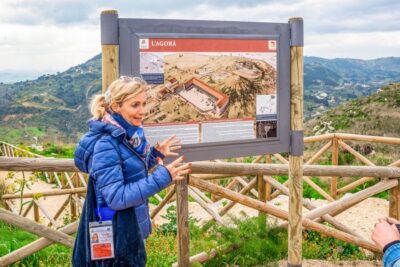
Segesta, Erice and Salt Pans Full-Day Excursion from Palermo
Read our review →
SALT TOUR-all inclusive: salt tour: Trapani, Paceco, Nubia
Read our review →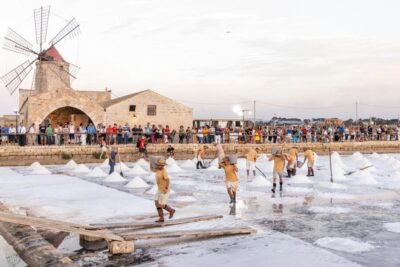
Guided tour of the Trapani Salt Pans and Salt Museum
Read our review →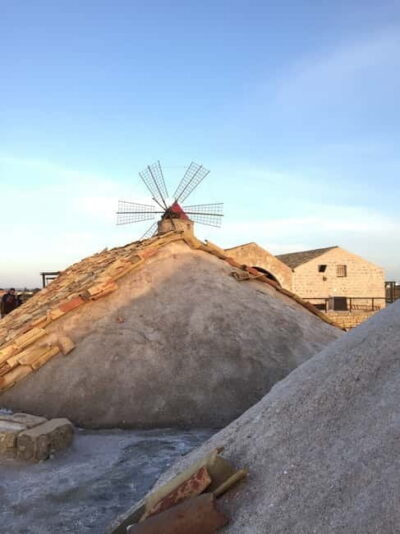

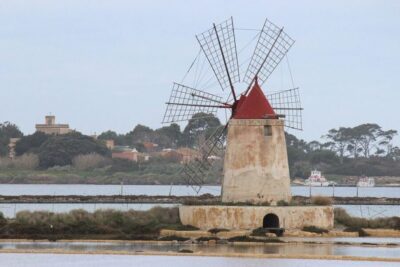
Guided tour of the salt pans of Trapani and the Salt Museum
Read our review →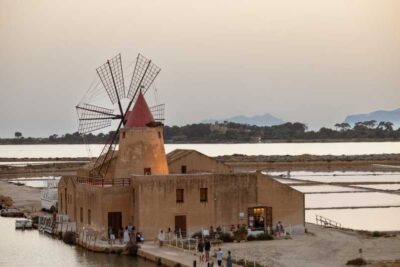
Browse the lists this tour appears in